The Psychology of Giving: Why Branded Merch Drives Loyalty
Let’s step back from the spreadsheets and automated marketing sequences for a minute. Think about your own desk right now. Chances are, there is a coffee mug, a heavy stainless steel tumbler, or a cotton hoodie draped over your chair that has someone else’s company logo printed on it. You didn’t buy it. It was handed to you at an event, shipped to you as part of an onboarding package, or sent as a thank-you gesture after a project wrapped up. Yet, it sits there in your daily space, used regularly, quietly cementing that brand into your consciousness. Why?
In the digital commerce world, we spend thousands of hours optimizing click-through rates and tweaking ad spend. But the oldest conversion tool in human history isn't digital at all—it's physical. It's the simple act of handing someone a physical item. When you give a customer or team member an item they can actually touch, wear, or hold, you aren't just running a promotion; you are engaging in a deeply rooted human social behavior that triggers psychological responses designed to build genuine affinity and long-term attachment.


But here is the catch: not all physical items are created equal. The reaction depends entirely on the value of what you give. Hand someone a plastic pen that breaks within forty-eight hours, and your brand feels cheap and disposable. Hand them a heavy-weight, beautifully structured cotton piece, and your brand instantly signals substance, reliability, and respect. Let’s break down the actual psychology behind why premium custom promotional goods change the way people think, feel, and buy.
Real affinity cannot be bought through repetitive ad banners; it is cultivated through consistent physical utility and emotional validation. When a brand becomes part of a person's everyday routine, the relationship changes from transactional to personal.
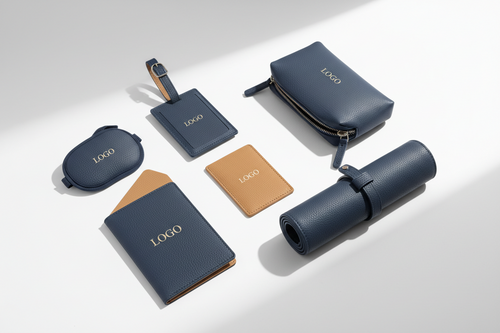
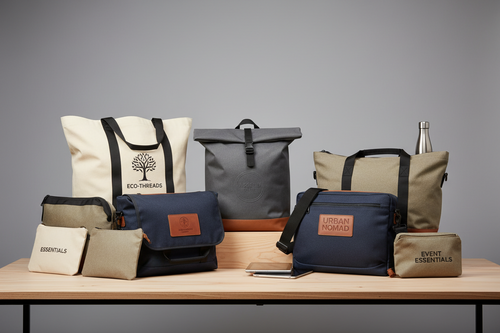
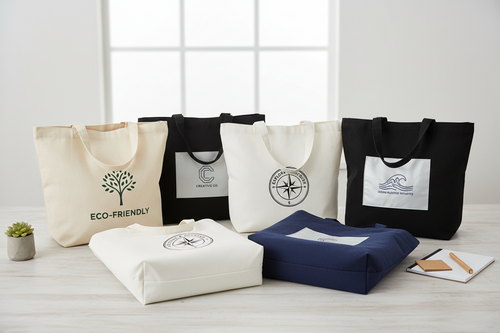
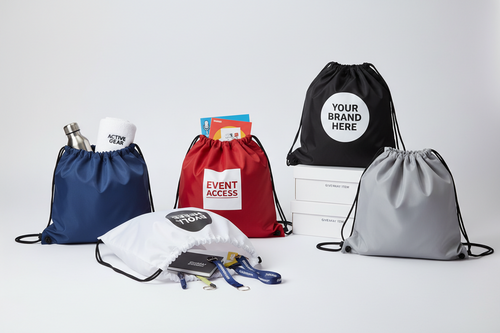
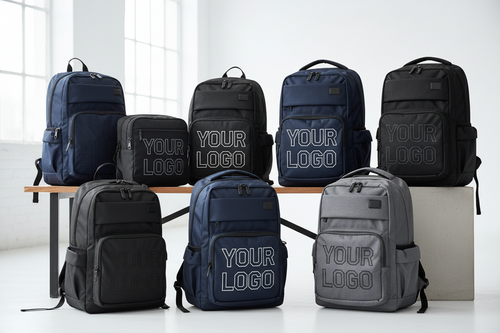
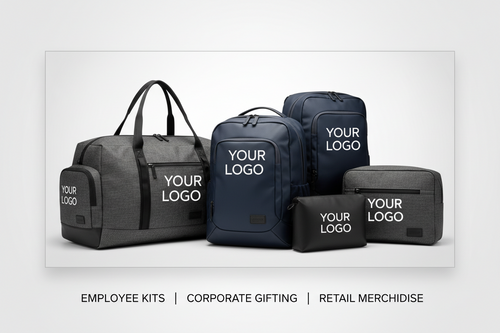

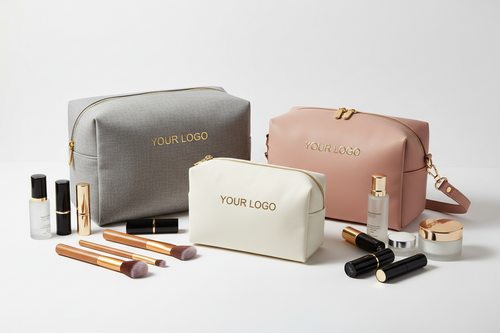


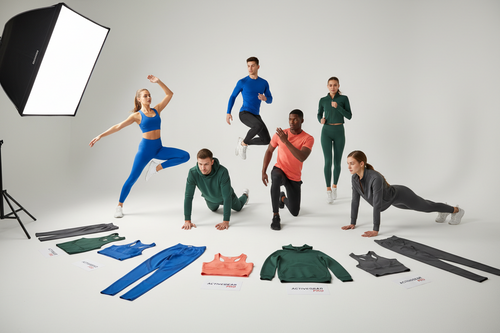
1. The Power of Reciprocity: The Invisible Psychological Contract
Human beings are biologically wired to give back when they receive something of substance. In social psychology, this is known as the principle of reciprocity. When a business gives away an item without demanding an immediate purchase in return, it creates an unconscious social obligation. The receiver naturally wants to balance the relationship.
In a world dominated by transactional interactions where every link asks for a credit card number, receiving a high-quality physical item feels unexpected and refreshing. This dynamic is particularly visible in B2B relationships. A procurement manager or corporate partner who receives an item that shows genuine utility will subconsciously view that partner with greater trust and reliability. The key element here is that the gesture must feel like a genuine gift, not a cheap marketing bribe.
When the item feels substantial, the reciprocity trigger shifts from a brief obligation to a long-term preference. The recipient becomes significantly more likely to return your emails, renew their service agreements, or choose your platform over a competitor. You have stepped out of the noisy vendor line and positioned yourself as an authentic partner who invests in the relationship before asking for a contract renewal.
2. The Swag Tax: Why Cheap Giveaways Backfire on Your Brand
Many growing brands fall into a common volume trap. They assume that ordering a thousand low-cost, plastic trinkets is better than investing in fifty premium items. This approach ignores a critical psychological phenomenon: the items you distribute serve as a direct physical proxy for your company's operational standards and product quality.
When you hand out flimsy items that quickly end up in a landfill, you are telling the recipient exactly how you value your own brand identity—and how you value them. Cheap materials trigger negative associations. If your promotional gear breaks down or feels rough, a buyer will subconsciously assume your customer support, software stability, or delivery fulfillment will be similarly uninspired and unreliable. This creates an immediate cognitive disconnect if your website claims you offer premium enterprise solutions.
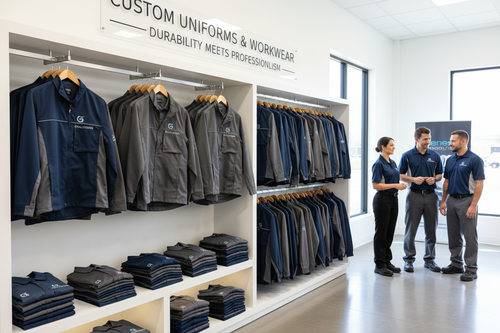
Instead of creating a bloated package filled with cheap filler junk, the modern approach favors a single, impactful item. Moving away from massive volume toward intentional sourcing protects your brand equity. Investing in a high-quality product that stands on its own merits sends a powerful message: we care about quality, we sweat the small details, and we do things properly. To see how simple styles can be adapted for real-world business needs without massive order sizes, you can explore our approach to Custom Apparel, which focuses on balance, clean presentation, and practical use.
The Solo Hero Rule
Ditch the oversized gift baskets stuffed with plastic keychains and paper flyers. Choose one substantial, heavy-weight item that provides immediate, standalone utility. A single high-quality item outlives a box of cheap clutter every single time.
3. Dominating the Daily Workspace: The Exposure Effect
Why do certain corporate items become staples while others vanish into the back of a storage closet? It comes down to utility and the mere exposure effect—a psychological principle stating that individuals develop a preference for things merely because they are familiar with them. If your brand can secure a permanent position in someone’s daily routine, you achieve constant mindshare without paying for recurring ad placements.
The daily workspace is a highly competitive arena. To win a spot on a client's desk or in their travel bag, an item must look excellent and function perfectly. Drinkware is uniquely suited for this role because it is used consistently throughout the day. When someone drinks their morning coffee or stays hydrated during a long sequence of video calls, they are constantly interacting with the object in their hand.
If that object is a premium, well-insulated container, it becomes an indispensable tool. Every time they notice your cleanly engraved logo while taking a sip, a subtle, positive association is reinforced. Over weeks and months, this steady, low-pressure familiarity builds a foundation of deep trust. When they are finally ready to initiate a bulk order or sign a new supply contract, your name is already integrated into their daily environment. For an item designed specifically to handle these demanding daily routines, take a look at our 20oz Powder Coated Stainless Steel Tumbler, which combines clean laser-engraving precision with lasting structural durability.


4. The Cozy Factor: Apparel as an Extension of Personal Identity
When you customize apparel for your community or your internal team, you are entering the realm of personal identity. People are highly selective about what they wear. If a promotional shirt feels stiff, scratchy, or has a giant, loud logo plastered across the chest, it will never leave the bedroom drawer. It becomes a wasted investment.
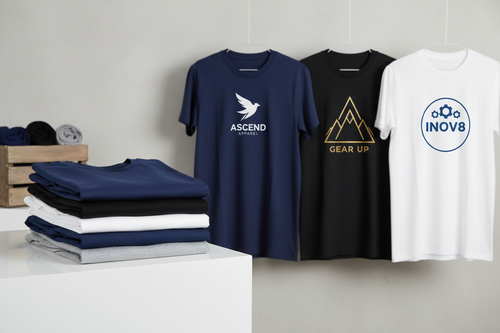
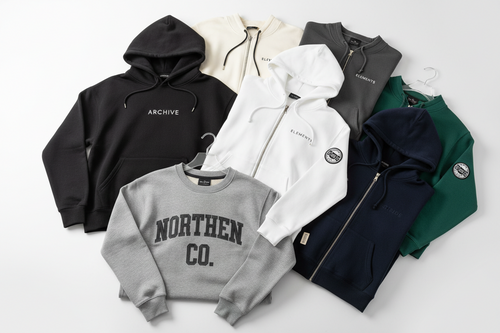
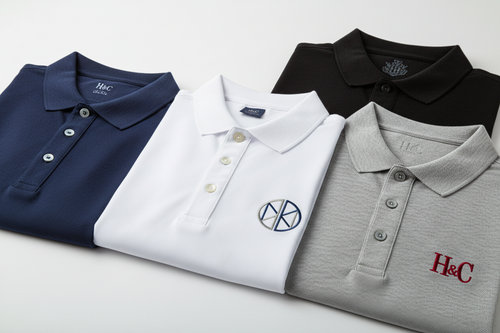
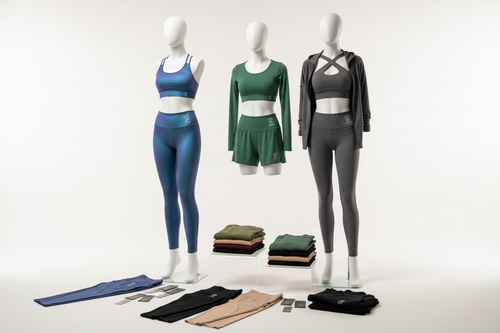
To turn custom apparel into an effective loyalty driver, you must prioritize touch, weight, and comfort. High-grade garments possess a distinct physical presence. A heavy-weight fabric drapes naturally, holds its shape through repeated washes, and provides genuine warmth. When an employee or a client puts on a comfortable garment, it alters their relationship with the brand from a formal association to a comfortable, personal connection.
This dynamic is especially powerful for remote teams and independent creators. In a distributed working environment, physical touchpoints are rare. Providing a high-quality garment creates a tangible sense of shared purpose and community alignment. It becomes a uniform people actually want to wear on their social feeds, during video meetings, and on casual weekends. By shifting the design focus toward premium comfort and subtle branding, you create an item that effortlessly integrates into their personal wardrobe. For an example of a garment built around these exact standards of comfort and substance, see our 300 GSM Cotton Hoodie, crafted specifically for clean, professional logo presentation and daily wear.
5. Minimalist Design: Creating Items People Actually Want to Show Off
One of the most frequent mistakes in custom product design is over-branding. There is a strong temptation to make your logo as large as possible to maximize visibility. However, psychology shows that the exact opposite approach yields better results. Loud, aggressive branding feels invasive and turns your customers into walking billboards, which most people actively avoid.
Modern design preferences favor minimalism, subtle placements, and quiet luxury. A small, crisp embroidery on a sleeve, a tonal print on a pocket, or a clean laser-etched mark on a matte surface looks sophisticated and professional. This restrained approach respects the user's personal style, making them far more comfortable using the item in public spaces, corporate meetings, or casual outings.
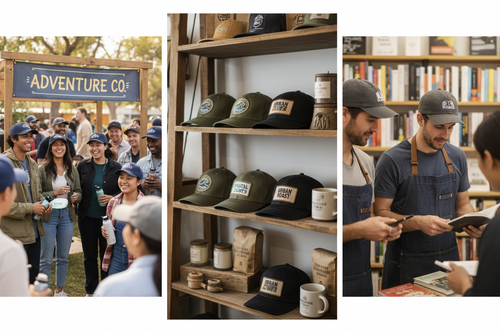
When someone uses a subtly branded item, it sparks organic curiosity. Instead of shouting for attention, it invites questions: "Where did you get that hoodie?" or "That's a clean tumbler, what company is that?" This turns your branded gear into an organic conversation starter. It shifts the dynamic from aggressive, unwanted advertising to authentic, word-of-mouth validation from a trusted friend or colleague.
Design Guidelines for Premium Results
- Keep Logos Subtle: Choose tonal colors or small, intentional placements like sleeves, side hems, or subtle corner etchings.
- Embrace Neutral Colors: Stick to classic tones like rich blacks, off-whites, heather greys, and muted earth colors that fit seamlessly into any wardrobe or office aesthetic.
- Focus on Textures: A high-quality embroidery or deep laser etching adds tactile premium value that immediately stands out to the touch.
6. The Small-Batch Revolution: Sourcing with Intention
Historically, accessing high-grade custom products required huge capital commitments and massive minimum order quantities. Growing businesses were forced to choose between ordering thousands of identical items they didn't have the space to store, or settling for low-tier, off-the-shelf catalog products that looked generic and uninspiring.
That rigid model is completely outdated. The modern B2B supply environment values flexibility, speed, and precision. Sourcing in small batches allows your brand to remain agile, test different product concepts, and customize orders for specific client cohorts, seasons, or events without tying up valuable working capital in unused inventory.
This operational nimbleness aligns perfectly with sustainable business practices. By ordering exactly what you need, you eliminate unnecessary waste, maintain low storage overhead, and ensure that every item distributed serves a distinct purpose. Whether you are preparing a focused welcome package for a boutique cohort of new hires or sending a specialized thank-you to your top twenty enterprise accounts, small-batch sourcing provides the exact flexibility required to execute high-impact branding without the historical inventory headaches.
7. Real Answers for Real Procurement Decisions
When evaluating custom products for your brand, it's easy to get lost in generic advice. Let’s look at the real operational questions that procurement managers and business owners face when planning their custom projects:
How do you measure the tangible return on investment for items given away for free?
While physical products don't always track with a direct digital pixel, their impact is seen in long-term relationship metrics. Measure the success of your distribution through customer retention increases, account contract renewals, organic brand mentions on social feeds, and team alignment surveys. When an enterprise account receives a premium gift, the response often shows up as a direct line of open communication, faster contract approvals, and a significant drop in account churn.
Why should a company avoid giant, brightly colored promotional layouts?
Bright, loud color schemes and oversized graphics quickly alienate users. Unless you are organizing a high-visibility outdoor festival where loud colors are required for safety or crowd control, stick to sophisticated, neutral palettes. Neutral colors ensure the item coordinates easily with the recipient's daily wardrobe and office accessories, guaranteeing it gets used regularly instead of being hidden away.
What is the most effective approach for a brand just starting with custom goods?
Start with a clear focus on utility. Identify the items your specific target audience interacts with most frequently throughout their standard workday. If your clients are primarily office-based professionals, high-end insulated drinkware or structured notebooks are highly effective choices. If you are building a community brand or looking to unify a creative team, a heavy, premium cotton garment is the ideal foundation. Keep production sizes manageable, prioritize material quality, and let the physical experience of the product do the heavy lifting for your brand.
Building long-term customer and team loyalty doesn't require overcomplicating your processes or taking on huge warehouse overhead. By selecting practical products, committing to high quality, and keeping your design clean and minimal, you turn everyday physical objects into lasting brand assets. Focus on substance, take care of the details, and deliver physical products that your community will be genuinely proud to use every single day.