What Custom Products Sell Best in 2026?
Real market data. Real profit margins. Real answers about what customers are actually buying right now.
Let's be honest. You've probably scrolled through those "trending products" lists that promise easy money with no inventory and overnight sales. And then... nothing. Because liking a product on social media isn't the same as buying it at 2am when someone's credit card is already out.
So let's cut through the hype. The custom product market is huge right now—the global custom apparel market is valued at $6.5 billion in 2026 and projected to hit $13.8 billion by 2033, growing at 11.5% annually. The promotional product market surpassed $95 billion globally. And the print-on-demand market? Expected to reach $58 billion by 2033, growing at 22% a year. Those aren't small numbers. But not every product in those markets is created equal. Some items consistently outperform others because they hit the sweet spot of practicality, personalization, and perceived value.
Here's what's actually moving off shelves in 2026—based on real data from people who print, source, and sell thousands of custom items every week.
🗣️ From sellers in the community: "I wasted six months on niche products that felt 'unique' but barely sold. When I switched to heavyweight tees and custom drinkware positioned around identity instead of features, my revenue tripled in three months. Don't overcomplicate it." — Marcus, apparel brand owner.

1. Custom Apparel: The King That's Still Winning
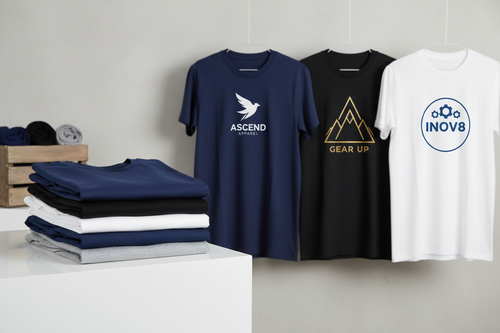
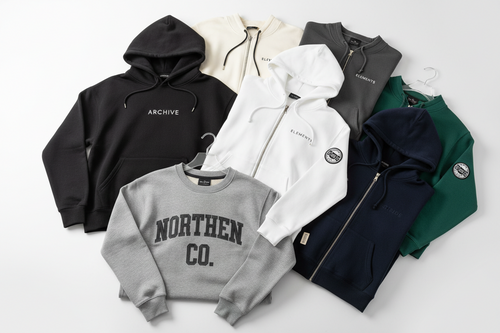
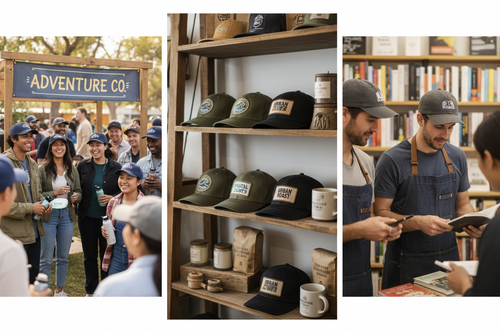
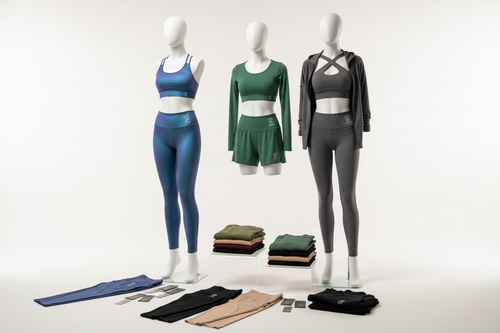
No surprise: t-shirts and hoodies are still the top-selling custom products in 2026. Apparel accounts for about 31% of the global print-on-demand market, and for good reason. Everyone wears clothes. But what kind of apparel? The specific styles have shifted.
Heavyweight Tees Are Dominating
The days of flimsy, cheap blanks are over. In 2026, heavyweight tees are leading the charge—thick, durable fabrics with structured silhouettes. According to a Custom Ink survey of over 1,000 corporate buyers, 62% plan to try heavyweight materials as their number one apparel trend this year. These aren't just workout shirts; they're streetwear-inspired, premium-feeling garments that customers actually want to wear. They also print better: 100% cotton construction means maximum print quality whether you're screen printing or using direct-to-garment methods. And heavier fabric equals higher perceived value, which means you can charge more.
Oversized Back Prints
If you've looked at any custom merch recently, you've noticed: back prints are getting bigger. Full-width illustrations, massive block typography, designs that use the entire back panel as a canvas. The front stays clean—maybe just a small chest logo or simple graphic—while the back does all the heavy lifting. It photographs well, works for groups, and gives brands more room to communicate. This has become one of the strongest emerging design trends for 2026.

Garment-Dyed and Vintage Washes
Forget bright neon (unless that's your brand's thing). Half of all corporate buyers now want softer, vintage wash aesthetics—colors that feel lived-in, not factory-new. Garment-dyed tees, hoodies with faded washes, and retro-inspired pieces are consistently outselling their brighter counterparts. The "80's Americana" look, driven by nostalgia and shows like Stranger Things, continues to perform especially well. So if you're designing for a brand or shop right now, think less "fresh white" and more "comfortable old favorite."
When sourcing custom apparel, look for manufacturers with low minimum order quantities. This lets you test designs across multiple styles before committing thousands of dollars to inventory. Check out SupplyBatch's custom apparel collection for small-batch options on hoodies, t-shirts and more.
Explore custom apparel with low MOQs across a range of styles and materials.
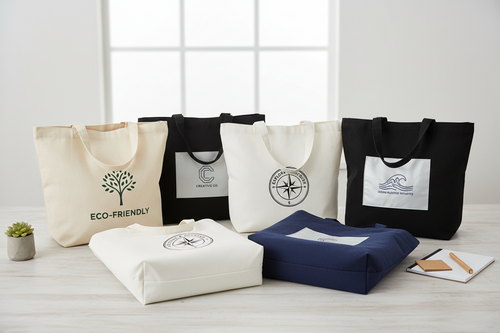
2. Eco-Friendly Tote Bags: The Reusable Workhorse
Here's a trend that's not going anywhere: people want products that don't feel wasteful. And custom tote bags hit every single note—practical, visible, sustainable, and endlessly customizable.
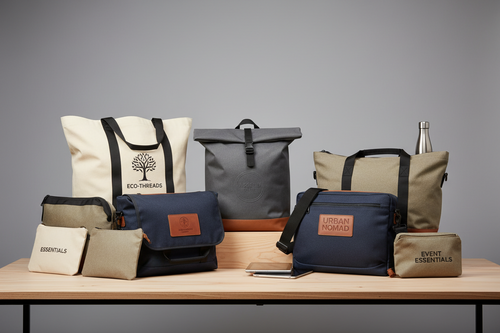
Today's buyers prefer totes made from recycled cotton, organic cotton, jute, or recycled PET plastic. And for good reason: 64% of consumers prefer eco-friendly textiles, and sustainable custom products can command 12-18% higher margins. Tote bags are used for shopping, commuting, beach trips, and daily errands—meaning your brand gets seen over and over again. One seller community regular reported that their custom tote bags generated daily brand impressions for months after distribution, something digital ads simply can't match.
In promotional product rankings, eco-friendly tote bags consistently score 4.8 out of 5 for effectiveness, tied with tech accessories as top-performing giveaway items. For businesses, they work across trade shows, retail giveaways, employee kits, and customer appreciation programs. For ecommerce sellers, they're an easy add-on or upsell that customers genuinely want to use.
Custom Notebooks & JournalsCustom PensCustom Packaging BoxesCustom Labels & TagsCustom Stickers
Check out custom tote bag options from verified suppliers on SupplyBatch.
3. Custom Drinkware: The Daily Companion
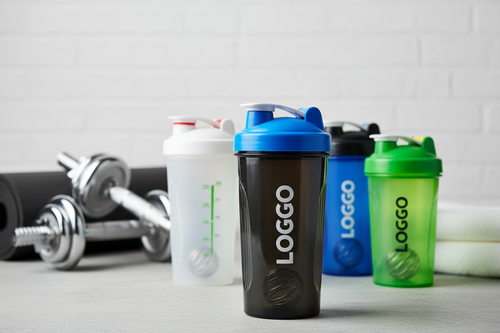
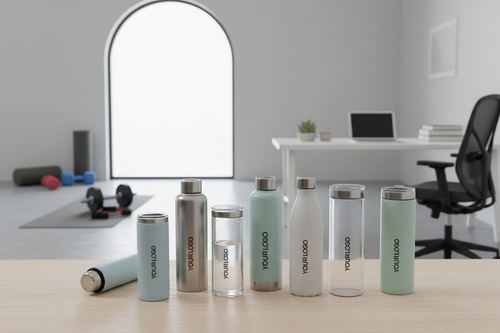
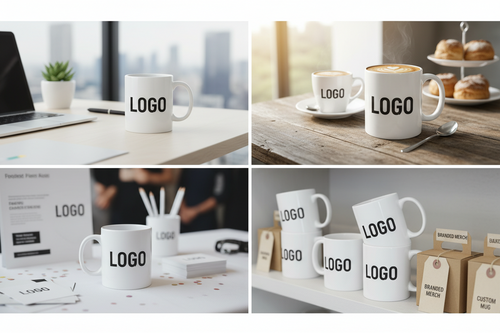
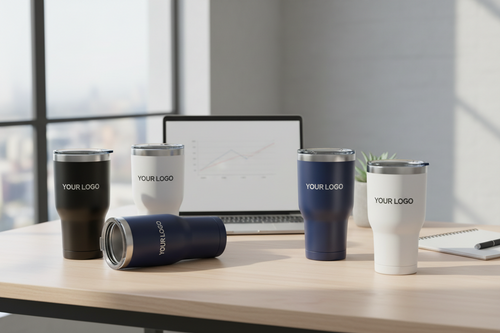
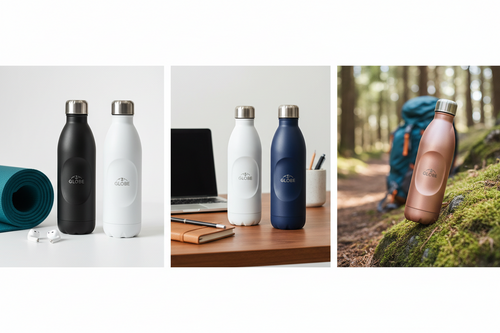
If you want a product that gets used every single day, look at drinkware. Insulated tumblers, stainless steel water bottles, travel mugs, and ceramic cups are carrying an entire segment of the custom product market.
Premium personalized tumblers typically cost $10-13 to produce and retail for $29-45, creating gross margins around 60-70%. But here's the secret that sellers in the know share: positioning matters more than price. A "custom tumbler" invites price comparison shopping. A "bridal party tumbler," "teacher appreciation cup," or "sports mom collection" carries identity and emotion—which means less price resistance and more sales.
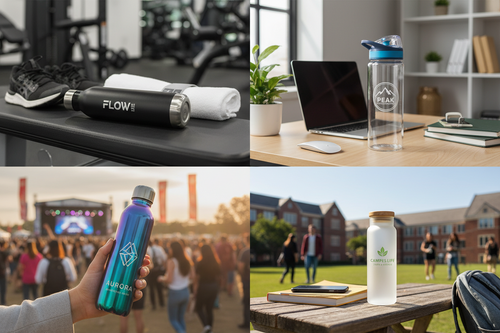
Recent corporate swag surveys confirm people actually want good drinkware: 34% of respondents prioritized "cozy" and comfort items for 2026, with hydration upgrades among the top requested categories. People use their custom water bottles at the gym, office, home, and during travel. That's daily visibility that keeps your brand top of mind without spending a penny on ad retargeting.
For businesses, custom drinkware works exceptionally well for corporate wellness programs, conferences, client appreciation, and employee gifts. And the rise of pickleball (now one of North America's fastest-growing sports) has added yet another use case—custom pickleball merchandise including branded water bottles and tumblers is a rising 2026 trend.
Browse custom drinkware options on SupplyBatch, including water bottles, mugs and tumblers.
4. Personalized Jewelry: The Emotional Favorite
Here's where margins get really interesting. Personalized jewelry—engraved necklaces, intention rings, name pendants—consistently delivers 60-75% gross margins. Production costs for stainless steel engraved necklaces typically run $11-18, while retail pricing lands between $49-69 or higher when positioned as milestone gifts.
The most successful jewelry niches in 2026 are relationship-driven: mother and children's name necklaces, anniversary pieces, memorial jewelry, wedding keepsakes, and couple designs. These items significantly outperform generic pieces because they're emotionally anchored—customers aren't comparison shopping for the cheapest option when it's a gift for their daughter's graduation.
Beyond necklaces, engraved worry rings and intention jewelry are gaining traction as wellness continues to trend. And a notable 2026 development: pet memorial jewelry has seen 40% year-over-year growth globally, driven by increased pet ownership and the desire for meaningful ways to remember companions.
5. AI-Assisted Pet Products: The Fastest-Growing Niche
If you want to know where the real growth is in 2026, watch the pet personalization space. It's not just big—it's exploding. AI-transformed pet portraits on canvases, blankets, mugs, and phone cases are driving massive engagement. Customizable pet ID tags with QR codes, breed‑specific templates, and matching "pet parent" hoodies are all performing exceptionally well.
Why? Gen Z pet ownership is up more than 20%, and this demographic spends significantly more on novelty and personalized pet items than previous generations. AI art styles—watercolor, neon synthwave, kawaii, vintage sketch—let customers create unique images of their pets that they genuinely can't find anywhere else. And TikTok's ongoing "my pet in different art styles" trend generates millions of organic views weekly, creating built-in demand.
For sellers, this niche offers bundling opportunities: portrait print plus mug plus ornament. Pet sympathy gifts, treat jars with custom illustrations, and engraved frames all carry strong emotional value and healthy margins.
6. Hyper-Personalized Wellness and Self-Care Items
Wellness is one of the fastest-growing global industries, and younger consumers increasingly want products that feel emotionally personal. Search volume for mindfulness gifts, gratitude journals, and anxiety relief products is skyrocketing. What works? Personalized affirmation decks featuring the customer's name. Engraved worry rings. Journals with name customization and mood tracker pages. Custom yoga mats with minimalist name typography.
The common thread is personalization that feels emotionally relevant, not just a name slapped on a product. This niche works especially well because customers can be upsold into bundles: affirmation deck plus journal plus candle label often hits $70-90 in cart value.
7. Promotional Products That Actually Get Used
Corporate buyers have become much pickier about promotional merchandise. According to recent swag surveys, 67% of organizers only consider their investment successful if recipients voluntarily wear or use the items. No more cheap pens that go straight to the trash. Nearly half of buyers (45%) now list longevity as the single most important feature when selecting promotional items, and 47.6% said seeing swag end up discarded motivates them to find better quality products.
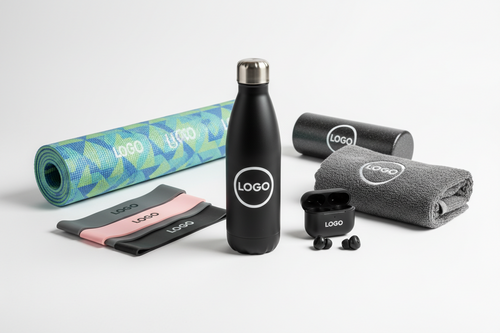
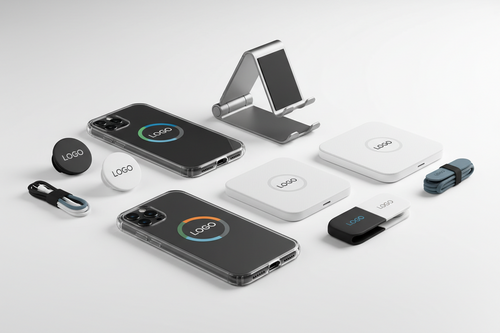
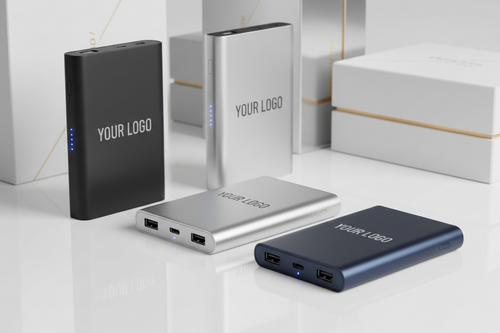
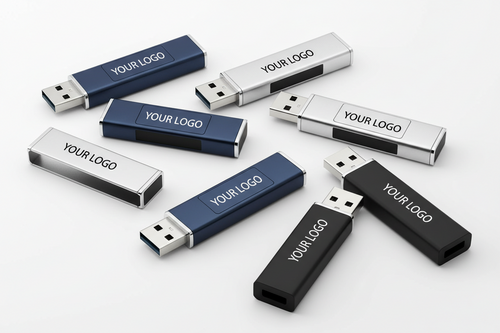
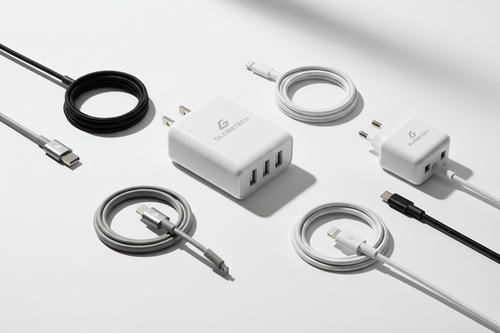
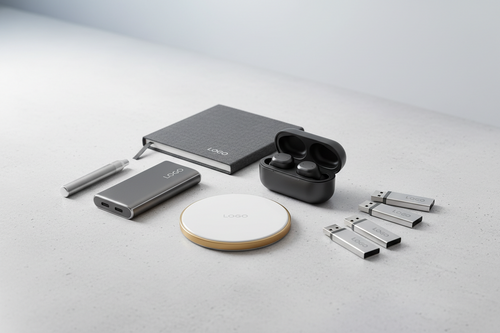
The winners? Wireless tech accessories (portable chargers, phone stands, Bluetooth speakers) come in at the top for perceived value and functionality. Wellness and fitness products—resistance bands, yoga mats, fitness towels—are increasingly popular for employee wellness initiatives. And custom pickleball merchandise is rising fast.
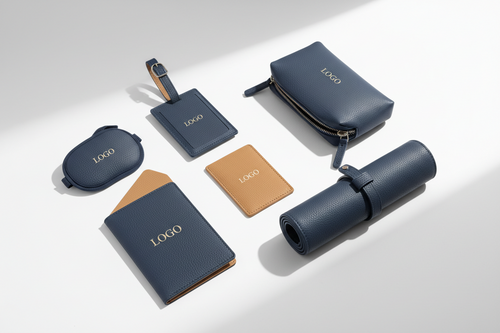
Whether you're sourcing for a corporate event, a retail giveaway, or employee appreciation, focus on items people will keep: reusable food containers, branded notebooks with eco-friendly paper, travel accessories, and premium writing instruments. These products stay in circulation longer and reflect better on your brand.
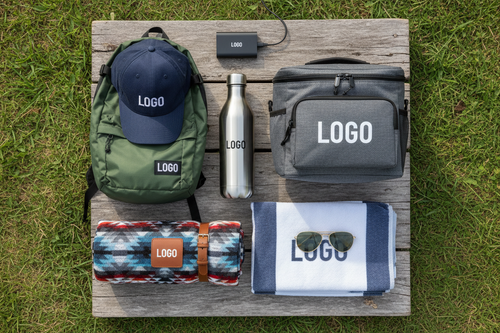
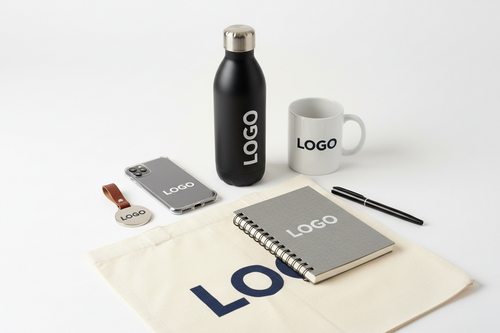
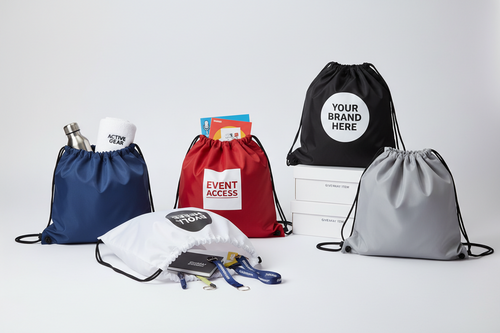
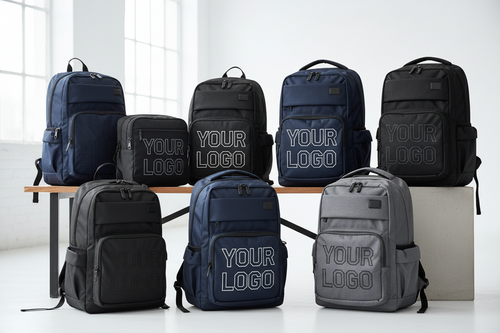
Explore promotional products on SupplyBatch across drinkware, bags, desk accessories and more.
Which Categories Actually Have the Best Margins?
Let's talk money. Custom products with the highest margin potential fall into three tiers, based on comparison of base production costs against typical retail pricing across major platforms.
Tier 1 – Highest Margins (60-75%): Personalized jewelry, especially relationship-driven pieces like mother and children's necklaces, anniversary jewelry, and memorial items. Premium tumblers positioned around identity (bridal, teacher, sports). AI pet portraits on canvas or blankets—customers pay premium for unique art they can't source elsewhere.
Tier 2 – Strong Margins (50-65%): Small format items like acrylic charms, wooden awards, custom medals and coins. Heavyweight apparel, particularly hoodies which support higher price points than t-shirts. Journals with name customization and integrated mood tracker pages.
Tier 3 – Reliable Margins (40-55%): Standard custom t-shirts, eco-friendly tote bags, promotional products with practical utility. These categories have consistent demand but more pricing pressure—differentiate with design and targeting rather than competing on lowest price.
The products winning right now share three things: they're useful (people actually want them), they're personalizable in emotionally meaningful ways, and they're made from quality materials. Generic items with surface-level customization are out. Thoughtful design and intentional positioning are in.
Where to Source These Products (Without the Stress)
Knowing what sells is half the battle. The other half is finding reliable suppliers who can actually produce quality custom items without requiring you to order 5,000 units of something you're not sure will sell.
SupplyBatch connects you with verified manufacturers across all the categories mentioned here—apparel, bags, drinkware, promotional products, and office essentials. With low minimum order quantities starting from just 50 pieces, you can test designs, validate demand, and scale up gradually without drowning in inventory. All partners have been vetted for reliability, so you don't have to worry about chasing down business licenses or wondering whether your deposit is safe.
Ready to start selling custom products that customers actually want in 2026? Browse product categories above or contact the SupplyBatch sourcing team to talk through your specific needs—real humans, real help, no fake badges.
📌 Key Takeaways
- Custom apparel market: $6.5B in 2026, growing 11.5% annually
- Heavyweight tees, hoodies, oversized back prints lead apparel trends
- Eco-friendly tote bags: 64% of consumers prefer sustainable options
- Personalized jewelry: 60-75% gross margins
- AI pet products and wellness items are fastest-growing niches
- 23 promotional products generate 78% brand recall vs 42% for digital ads
- Quality materials + emotional positioning = higher margins
🛍️ Top Categories to Source
📦 Low MOQs from 50 pieces – test before you commit to volume.
💬 From the Seller Community
"I switched from cheap blanks to heavyweight tees six months ago. Same designs, higher price point, better reviews, more repeat customers. The fabric quality literally sells itself." — Chloe, clothing brand founder.
"Custom totes have been my best-selling item two years running. People actually use them and I see my brand at the grocery store, the beach, the gym. Best ROI of anything in my catalog." — David, screen printer.
"The personalized tumbler market seemed saturated until I started targeting specific groups—bridal parties, teacher gifts, sports teams. Game changer." — Sarah, ecommerce seller.