How to Start a Custom Merchandise Business with Low MOQ
Start small, stay sharp, and build a custom product line that feels polished without taking on a mountain of stock.
What You’ll Learn
- Why starting smaller usually leads to a stronger first launch
- How to choose first products that people actually want
- How to build a small collection that feels put together
- How to price without panicking or undercutting yourself
- Why proofs, samples, and timing matter more than people think
- What usually goes wrong in a first order
- Real buyer questions before the first quote request
The most successful early merchandise launches are rarely the biggest ones. They are the ones with a clear point of view. A useful product. A simple design. A believable price. A real use case. And enough flexibility to learn from the first order instead of being trapped by it.
Starting a Merchandise Business Doesn’t Have to Feel Like a Big-Risk Move
A lot of people imagine custom merchandise as something you do once your brand is already established. You’ve seen the fully built-out stores, the perfect product photos, the matching packaging, the polished campaign visuals, and the neat little product collections that look like they came together overnight. Real life is usually messier than that.
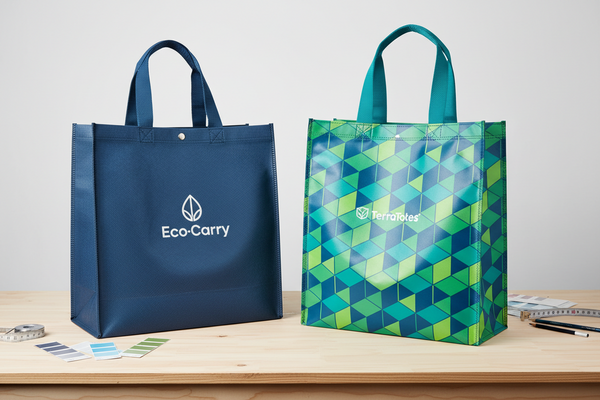
Most merchandise businesses start somewhere much more practical. One good shirt. A tote that feels easy to carry. A tumbler people keep on their desk. A small gift set for clients. A starter kit for a team. A branded product that makes a business feel more real in people’s hands, not just on a screen.
That is where low MOQ can change the game. It gives newer businesses room to move without pretending they need a huge first order to look serious. On SupplyBatch, the live site already leans into this practical path with real category pages for Custom T-Shirts, Custom Tote Bags, Custom Backpacks, Drinkware, and broader paths like Custom Branded Items and Corporate Gifts. That gives you a realistic starting map.
So this article is not about building the biggest launch possible. It is about building the kind of first launch that feels current, useful, brand-right, and actually repeatable.
Why Starting Smaller Often Leads to a Better First Collection
People love the idea of a “full collection,” but when you are starting out, a full collection can quietly become a full mess. More SKUs means more decisions. More colors means more inventory risk. More product types means more chances for something to arrive slightly off, photograph awkwardly, sell slowly, or eat into your cash before you even know what customers like.
Starting with lower minimums gives you something more useful than just smaller spending. It gives you feedback. You get to see what people actually pick up, what they comment on, what they reorder, what sits still, what feels premium in person, and what looked better in your head than in real life.
|
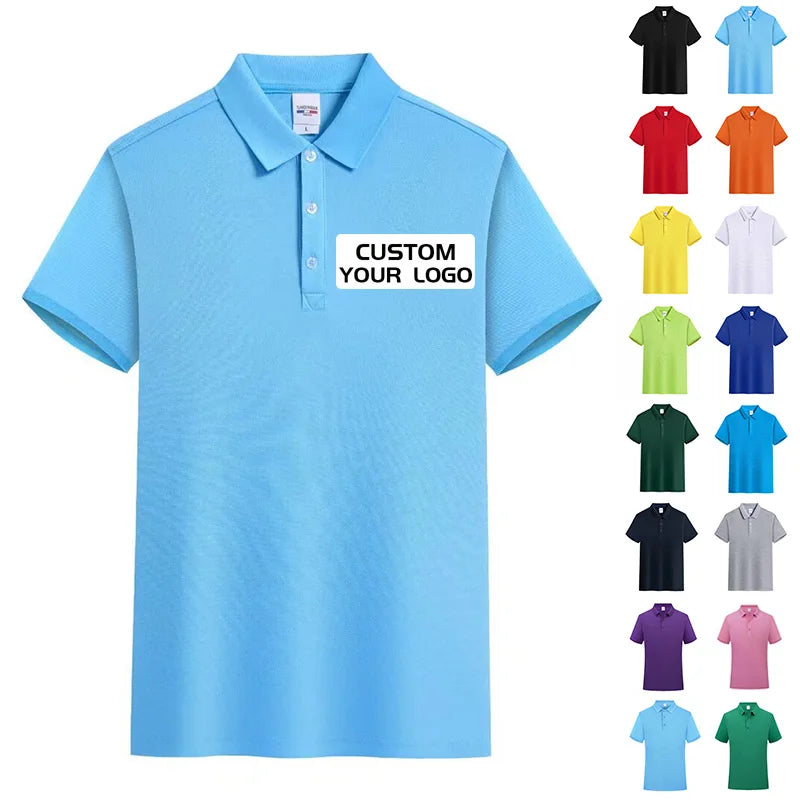
Custom Polo T-Shirts for Uniforms & Teams (Logo Ready)Are polo shirts still better than T-shirts for uniforms?
|
||
 |
Thick Cotton Fleece Hoodie for Custom Printing (Oversized Fit)Do thicker hoodies actually sell better in winter or just cost more?
|
|
|
300 GSM Cotton Hoodie for Custom Logo PrintingRegular fit vs oversized hoodies — which one actually sells better?
|
||
 |
Oversized Sublimation Hoodie for Custom Logo Printing for Men WomenAre oversized blank hoodies still the safest choice for custom merch orders?
|

Less Guesswork
You can test a real product instead of spending weeks arguing with yourself about ten possibilities.
Lower Pressure
If one item underperforms, it does not wipe out your whole launch budget.
Better Learning
A smaller first order helps you notice what deserves a bigger second run.
This matters even more now because buyers are paying attention to usefulness. People do not want random branded clutter. They want products that fit into real life. The item has to feel worth keeping. A clean tote bag can do that. A solid t-shirt can do that. Good drinkware can definitely do that. A well-built backpack can do that too, especially in welcome kits and team programs.
Starting smaller does not make your business look small. Starting with too many disconnected products does.
How to Choose the First Products Without Overthinking It
The best first product is usually not the trendiest item on your screen. It is the one your audience can understand in seconds. If someone sees it and instantly knows where it fits in their life, you are already ahead.
For most first launches, the strongest starting point lives in categories people already know how to use. That is why SupplyBatch’s most approachable entry points are often Custom T-Shirts, Custom Tote Bags, Drinkware, and depending on your audience, Custom Backpacks.
| Starting Product | Why It Works | Best Fit | What to Watch |
|---|---|---|---|
| Custom T-Shirts | Easy to understand, emotionally strong, very visual, works for teams and resale | New brands, clubs, creator drops, staff apparel, community launches | Size mix, fabric feel, print placement, color balance |
| Custom Tote Bags | Broad appeal, daily visibility, gift-friendly, easy to pair with other items | Retail add-ons, events, bookstores, lifestyle brands, local shops | Material weight, handle comfort, print clarity, bag shape |
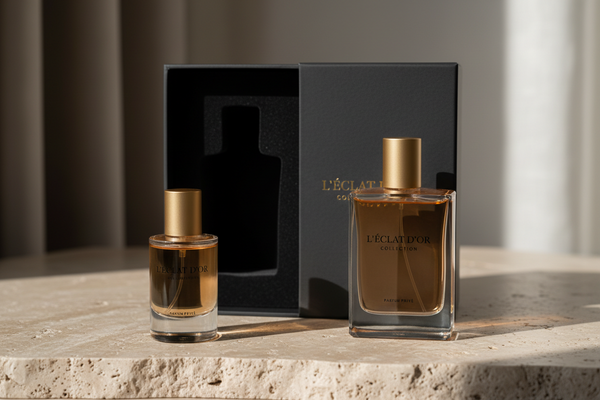
| Drinkware | Desk presence, repeat use, useful for gifting and offices | Corporate programs, events, wellness brands, client gifts | Lid quality, finish, shipping protection, packaging |
| Custom Backpacks | Higher perceived value, practical, strong for kits and travel-related use | Employee welcome packs, schools, team programs, premium launches | Structure, detail, lead time, budget planning |
T-shirts work when identity matters. Tote bags work when you want something easy, useful, and visible in public. Drinkware works when you want something people keep close. Backpacks work when you want the launch to feel more premium or more structured. None of these categories are “best” by default. The best one is the one that makes immediate sense for your people.
If you are really unsure, start with the item that can be explained in one sentence. That sounds simple, but it is one of the cleanest filters you can use. “A daily tote people actually carry.” “A soft branded tee for community members.” “A tumbler that fits office desks and welcome kits.” If the reason is clear, the product often is too.
Choose Products People Want to Keep, Not Just Products You Can Put a Logo On
This is where first-time launches often split in two directions. One path feels grounded: you pick something useful, build a clean design, and let the product fit into real life. The other path feels noisy: you chase things that look exciting in a mockup but do not hold attention once they arrive.
The current mood in product choices leans practical. People want items that earn their place in a bag, on a desk, in a car, or in a daily routine. That is one reason categories like Corporate Gifts, Custom Daily Essentials, and Office & Business Essentials can support stronger ideas than novelty-only drops. If the item feels naturally useful, your branding gets more repeated exposure without forcing it.
Ask yourself, “Would someone use this even if no one told them to?” If the answer is yes, you are probably looking at a stronger starting product.
How to Build a Small Collection That Still Feels Complete
Your first collection does not need five categories and twelve color stories. It needs a shape. It needs a reason. When people land on your products, they should feel like these items belong together, not like they were added one by one because they seemed interesting in the moment.
The easiest way to do this is to build around one use case. Think in scenes, not in random products.
Starter Brand Drop
Begin with a custom t-shirt as the main piece and a custom tote bag as the side piece. One carries the message. The other carries the brand into daily life.
Office or Team Launch
Start with drinkware and a custom backpack. That works especially well if you want something giftable, useful, and more elevated.
Event Support Set
Build around custom branded items that are easy to hand out, easy to carry, and easy to remember after the event wraps up.
Thoughtful Gift Program
Use corporate gift options if the goal is appreciation, retention, or more polished business gifting.
A tight collection looks more intentional. It also photographs better, sells better, and is easier to talk about. The point is not to look minimal for the sake of it. The point is to keep the first launch readable. When a buyer can see the logic, they trust the collection more.
Do Not Let Your First Order Turn Into a Mini Warehouse Problem
One of the biggest hidden problems in a first merchandise launch is not product quality. It is quantity planning. Buyers sometimes think low MOQ means “safe no matter what,” but that is only true if the product mix and quantity still make sense.
For apparel, size distribution matters. For bags, you may not need multiple versions at first. For drinkware, color and finish choices can create more complexity than you realize. The smartest first run is usually the version with fewer moving parts. One strong graphic. One or two color directions. One core use case. A quantity you can realistically move.
If you can only explain your quantity plan with a long speech, it is probably too complicated for a first order.
Branding Should Feel Clean, Not Crowded
There is a natural temptation to cram too much into a first branded product. Big logo. Tagline. Extra message. Secondary graphic. Website URL. Social handle. Back print. Sleeve print. Packaging note. Maybe one more detail just in case. That usually makes the product feel less current, not more.
The strongest early merchandise designs usually leave breathing room. A good front placement. A clean scale. A color choice that suits the material. A little confidence. That is enough. If you need help planning that out, SupplyBatch’s Customization Guide and Sampling & Proofing pages fit naturally into the process because they help buyers think through setup details before production starts.
Clean does not mean boring. It means the product still feels wearable, carryable, or giftable after the branding is added.
Pricing Your First Products Without Undervaluing the Whole Project
Pricing is where a lot of new sellers quietly sabotage themselves. They want the first batch to move, so they price too low. Or they panic about premium positioning and price too high before they have earned that trust. Both can hurt you.
A better way to think about pricing is to look at the full picture. What does the product cost? What does customization add? What about sampling? Packaging? Shipping? The cost of building decent photos or launch content? The time you spend organizing it all? Your first price has to protect enough room for you to grow smarter, not just sell faster.
This is one reason low MOQ is useful. You are not forced to recover an oversized order all at once. You can launch smaller, watch what happens, and improve your pricing confidence as you learn. A first run is allowed to be a learning run. It still needs to make sense financially.


Count the real cost
Think landed cost, not just item cost.
Match the audience
A gift-focused audience may accept a different price point than a casual event crowd.
Leave room to improve
Margin is not greed. Margin is what allows better packaging, better samples, and a smoother next round.
Why Proofs and Samples Matter More Than New Buyers Expect
The easiest way to get into trouble with custom products is to move too fast at the setup stage. People often focus on the product choice first and leave the details for later. But the details are what determine whether your order feels clean or slightly off once it arrives.
Before committing, it helps to review MOQ & Ordering, then check the Customization Guide, the Sampling & Proofing page, and the Production & Lead Time page. Those pages make sense because they cover the parts buyers usually skip until there is already a problem.
Apparel needs feel. Bags need structure. Drinkware needs finish and lid confidence. Gift sets need presentation. If any of those details are important to your launch, a sample or at least a very careful proof review is worth the time.
Low MOQ should lower risk. It should not lower your standards.
Lead Time Is Part of the Product Experience Too
A lot of first-time buyers think of lead time as a background detail. It is not. It shapes the whole launch experience. If your order arrives too close to an event, campaign, opening, or client handoff, every small delay suddenly feels bigger.
That is why Production & Lead Time, Shipping & Delivery, and even the general FAQ matter before you place the order, not after. A calm timeline gives you room for proofing, sample review, final approvals, and maybe one adjustment if something is not quite right.
The buyers who seem “lucky” with custom product launches usually are not lucky. They just build time into the process.
Use Low MOQ to Test Interest, Not Just to Buy Less
This is a subtle difference, but it changes everything. Some people use low MOQ as a safety blanket. They order less but do not actually learn from it. Others use it as a testing tool. They pay attention to what gets picked first, what gets photographed naturally, what people ask to reorder, and what feels worth expanding.
That second group gets better faster. Maybe you thought a shirt would be the main draw, but the tote bag gets more traction because it is useful, visible, and easier for more people to say yes to. Maybe a tumbler becomes the thing clients remember you for. Maybe a gift set performs better than standalone items because it feels more complete. Those are not small details. That is how the next order gets smarter.
The Best First Launches Usually Feel Current Because They Feel Real
A lot of product launches try too hard to feel polished and end up feeling distant. The stronger ones feel more lived in. The photos look usable. The products feel touchable. The copy sounds like a person would actually say it. The collection belongs to a real moment in work, travel, gifting, community, or daily routine.
If you want your merchandise to feel current, think about where it lives in real life. On a commuter train. In an office kitchen. On a weekend errand. At a team offsite. In a welcome box. At a local event. On a café table. In a backpack. That is where custom merchandise either becomes part of someone’s routine or gets forgotten.
Useful products win because people do not need to be convinced to imagine them in motion.
What a Smart First Merchandise Launch Usually Includes
- One clear reason for the collection to exist
- One hero product people immediately understand
- One supporting item that fits the same scene or audience
- Clean branding that does not overload the product
- A realistic timeline with room for review
- A packaging plan that matches the product level
- A price that makes sense for your brand and your costs
- A willingness to learn from the first run instead of forcing it to be perfect
Good First Use Cases for a Low-MOQ Merchandise Business
1. Brand Starter Drop
A tee and tote combination works well when the goal is visibility, wearability, and a low-friction first purchase.
2. Welcome Kits
A backpack or drinkware-based setup works well for staff onboarding, school programs, or member welcome packs.
3. Event Support
Broader event and promotional items make sense when handout value matters more than resale.
4. Client Appreciation
Corporate gift items are stronger when the goal is relationship-building and polished presentation.
5. Retail Add-On Products
Tote bags, mugs, and low-commitment everyday items work well when buyers want something useful next to a main purchase.
6. Community Merchandise
Shirts and casual accessories make sense when identity and belonging are part of the story.
Common Mistakes That Make First Orders Harder Than They Need to Be
- Launching too wide. A smaller focused offer usually feels stronger than a large disconnected one.
- Choosing products for the mockup instead of the user. If it looks great online but has weak daily value, it may not move the way you hope.
- Ignoring setup quality. Artwork prep, proof review, and packaging notes matter more than people think.
- Waiting too long to think about timing. Lead time problems usually start before production, not during it.
- Underpricing too early. A low price can be appealing, but it can also trap you in thin margins and rushed decisions.
- Overcomplicating colors, sizes, and variants. Every extra decision can create extra friction in a first order.
- Forgetting the hand-feel. Material, finish, and construction still matter in a screen-first world.
Most early mistakes are not dramatic. They are little gaps in planning that stack up. A vague art note here. A rushed deadline there. Too many variations. Not enough thought about use. The good part is that these are fixable. A first launch does not need to be flawless. It needs to be teachable.
Where to Check Before You Send a Quote Request
If you want a cleaner conversation before ordering, the smartest move is to spend a few minutes with the site’s support pages first. That usually saves much more time later.
- MOQ & Ordering — good for understanding why minimums vary
- Customization Guide — useful before sending artwork or placement notes
- Sampling & Proofing — worth reviewing if finish or feel matters
- Pricing & Payment — helpful for budget planning
- Production & Lead Time — essential if you have a real deadline
- FAQ — useful for general buyer concerns
- Contact Us — for direct questions and next-step discussion
Going into a quote conversation with a product direction, a quantity idea, a use case, and a realistic deadline already in mind makes the process much smoother.
What to Do After the First Launch
Once your first order is out in the world, pay attention. Which product got talked about the most? Which one got used the fastest? Which one looked best in real life? Which one felt worth reordering? Which one would be even stronger with a small change in material, packaging, or design size?
That is the real beginning of a merchandise business. Not the moment you place the first order. The moment you start turning early feedback into sharper choices.
The second launch is where the business often starts to look more confident. But it only gets there if the first one leaves you room to learn.
Questions People Usually Ask Before Their First Order
What is the easiest first product to launch?
For many brands, it is a t-shirt, tote bag, or drinkware item because people understand the use right away and the product is easier to fit into daily life.
How low should my first MOQ be?
Low enough that you can test the idea without stressing over leftover stock, but high enough that the order still feels worthwhile in quality and setup terms. The right number depends on the item.
Should I start with apparel or non-apparel?
Start with the category that makes the most sense for your audience. Apparel is strong for identity. Bags and drinkware are strong for everyday usefulness and gifting.
Do I need a sample first?
If material feel, finish, size impression, or packaging quality really matters to your launch, a sample or at least a very careful proof review is worth it.
How do I avoid overcomplicating the first launch?
Choose one hero product, one supporting item, one clear use case, and avoid too many variants in the first round.
What should I check before requesting a quote?
Product category, estimated quantity, branding direction, timeline, packaging expectations, and the help pages that explain ordering, customization, proofing, and lead time.
Explore Real Paths on SupplyBatch
If you are turning this into a live article on your site, these are the most natural internal directions to send readers next:
Shop Custom T-Shirts Explore Custom Tote Bags See Custom Backpacks Browse Drinkware View Custom Branded Items Read MOQ & Ordering