Would You Use a Tool to Check if a Chinese Supplier Is Actually Real?
You sent the wire transfer. They disappeared. Here's what you need to know before your next deposit.
Let me guess. You found them Great prices, beautiful product photos, professional English. You exchanged a few emails, they seemed nice, so you wired the 30% deposit. Then... radio silence. Or worse, three months later a container shows up filled with literal garbage that looks nothing like the sample they sent you.
This script plays out hundreds of times a week. In a busy online group for ecommerce sellers, someone posts: "Just lost $12k to a fake Chinese supplier. How do I get my money back?" The comments flood in with the same sad answer: you don't. Scammers know international legal action costs more than your entire order. And they rely on that.
🗣️ What we're hearing in seller circles: "The supplier had Gold Supplier badge for 5 years. I thought that meant I was safe. Turns out a badge just means they paid. I didn't know I needed to dig deeper." — Sarah, founder of a small accessories brand.
| Gallery | Details | Price | Action |
|---|---|---|---|
 |
Custom 3-in-1 Braided Charging Cable with LED Logo DiscThe Small Branded Item People Actually Keep
|
||
|
Slim Metal USB Flash Drive with Custom Logo for Everyday File StorageWhy Schools, Offices, and Event Teams Still Use USB Memory Sticks?
|
|||
 |
Custom Swivel USB Flash Drive for Everyday Storage and Branded UseWhy USB Flash Drives Still Make Sense in a Cloud-First World?
|
||
|
Portable 5000mAh Shared Power Bank with Built-In Cables for Phone ChargingWhy a Small Power Bank Is Still One of the Most Useful Things to Carry Every Day?
|

First, Let's Be Real About What Fake Suppliers Actually Do
Fake Chinese manufacturers aren't always textbook fraudsters. Some are trading companies pretending to be factories—they take your order, mark up the price, outsource production to someone else, and vanish if anything goes wrong. Others are outright ghosts: they collect deposits from multiple buyers, string everyone along with fake tracking numbers, then close their accounts and reopen under a different name. And then there's the bait-and-switch crew: beautiful samples, garbage bulk orders. They bank on you not wanting to pay for return shipping from the other side of the planet.
Scammers specifically target buyers who rush. They pressure you to pay quickly, push you off secure platforms like Alibaba Trade Assurance onto WeChat or WhatsApp for "easier communication," and always have an excuse for why they can't do a live video tour of their actual factory floor. If someone's in a hurry to take your money but can't be bothered to show you their workspace, that's a giant neon sign flashing "RUN."
So What Does "Verification" Actually Look Like?
Here's the thing. A tool that checks if a Chinese supplier is real exists—actually, a bunch of them exist. But they're not magic wands. Good verification means layering multiple checks: legal registration, physical presence, financial health, and reputation. Let me walk you through what actually works, what's free, and where to spend money if you want to sleep at night.
1. The Free Government Check That Takes 5 Minutes
Every legitimate Chinese company has a Unified Social Credit Code—an 18-digit ID number that's basically their national business fingerprint. Ask your supplier for their business license (营业执照). Once you have their full Chinese company name or that code, go to the National Enterprise Credit Information Publicity System, run by the Chinese government. It's free. If the company isn't registered, or their status says "abnormal operation" or "cancelled," stop everything. You can also cross-check legal disputes on China Judgments Online to see if they have a history of lawsuits for nondelivery. This alone filters out a shocking number of scammers.
2. The "Gold Supplier" Trap
You've seen the badge. You probably assumed it means Alibaba vetted them. Here's the truth: Gold Supplier only means they paid for a premium membership. It's a marketing subscription. Some basic verification happens—business license check and sometimes an onsite visit by Alibaba staff—but that's it. Alibaba itself says in their own safety center: "Alibaba does not verify the authenticity of any goods listed for sale by sellers (including without limitation to 'Gold Suppliers' or 'Assessed Suppliers')." If you want real protection on Alibaba, look for the Verified Supplier badge. That actually involves third-party audits from companies like SGS or TÜV Rheinland. They inspect production lines, quality control systems, and factory capabilities. Still not 100% foolproof—but worlds better than Gold Supplier.
3. Paid Verification Services – Worth Every Penny
Let's talk about tools you'd actually use. A handful of companies now offer AI-powered risk assessment that pulls data from 340 million+ Chinese business entities. Platforms like CheckSonar (just one example) deliver reports on legal risks, financial health, court judgments, and even flag things like "zombie companies" that survive only through debt rollovers. There are also on-the-ground audit services that send people to your supplier's actual location—they check equipment, employee headcount, ownership documents, and take photos so you don't have to fly to China yourself. Costs range from a couple hundred to a couple thousand dollars, which is nothing compared to losing a $20k shipment. Several sourcing platforms also offer built-in verification shortcuts for ecommerce sellers, directly integrated into their workflow. The best investment? A third-party pre-shipment inspection before you release the final payment.
But here's something the verification tools won't tell you: the absolute best way to avoid fake suppliers is not having to track them down in the first place.

The Real Workaround: Skip the Hunt Altogether
What if you could work with manufacturers who've already been vetted, audited, and proven reliable? That's how sourcing should work. At SupplyBatch, every partner in our network undergoes verification before they ever see a buyer's order. No chasing down business licenses, no praying your deposit isn't gone tomorrow. We handle the trust piece so you can focus on the creative part—designing products people actually want.
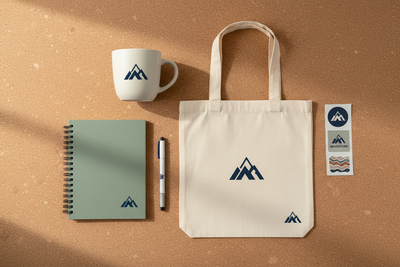
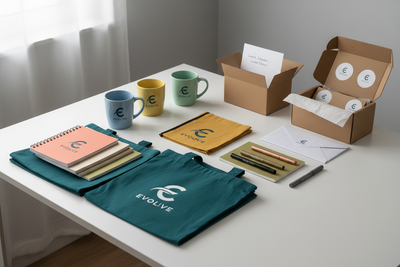
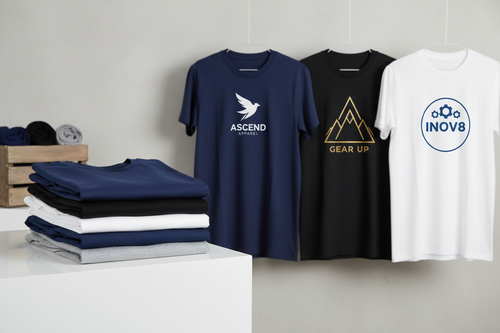
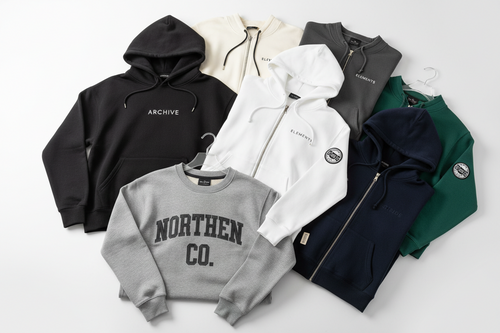
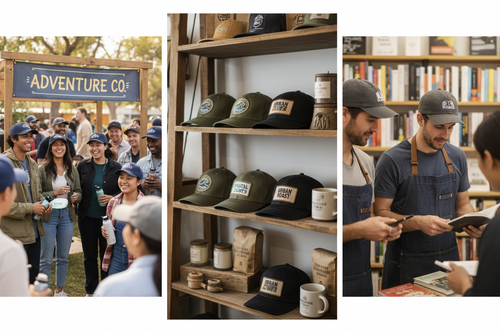
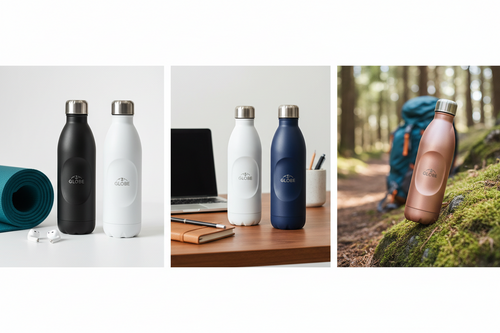
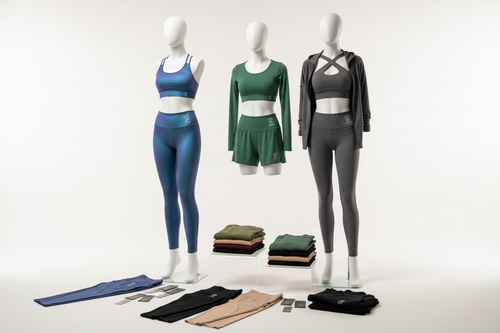
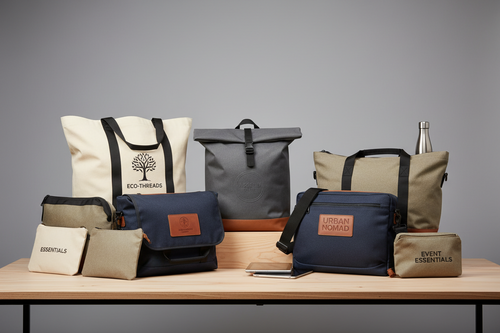
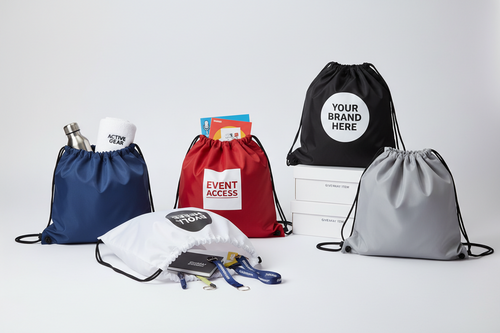
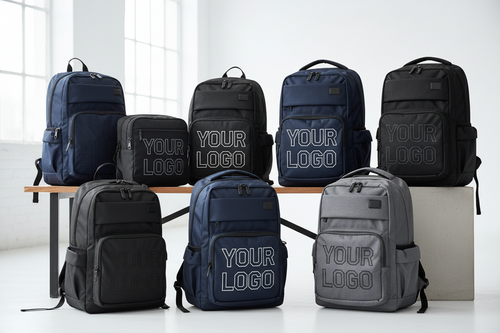
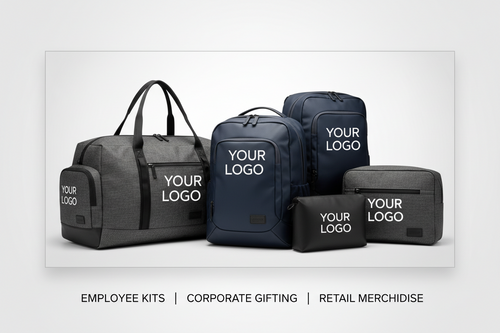
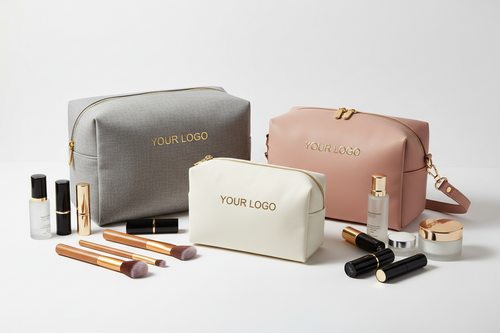
Whether you're ordering custom hoodies, branded tote bags, promotional drinkware, or office merchandise, you shouldn't have to become a private investigator just to get your products made. Low MOQs, transparent pricing, and actual humans you can talk to—that's the baseline, not a luxury.
What a Live Factory Video Should Reveal
If you're still going the DIY route and vetting suppliers on your own, here's your checklist for a live video call: Production lines with your product type visible, quality control staff doing actual inspections, workers in company uniforms, machinery that matches their claimed capacity, and raw material inventory that makes sense for what they produce. Scammers will show you a rented office with a few props. Real manufacturers will show you a factory floor that's too busy to fake.
The 7-Step Verification Workflow (That Anyone Can Follow)
- Get their business license. Don't proceed without it. Copy the Unified Social Credit Code.
- Run the free government check. GSXT database (National Enterprise Credit Information Publicity System). Confirm active, normal status.
- Check court records. China Judgments Online – look for patterns of supplier lawsuits.
- Demand a live video tour. WeChat or FaceTime. No pre-recorded videos. Watch them walk through the actual workspace.
- Order samples. Pay for 2–3 samples from separate production batches if possible. Compare for consistency.
- Use escrow or trade assurance. Never wire 100% upfront. 30% deposit, balance after inspection or upon shipping documents.
- Third-party inspection. Before the final balance payment, hire an independent inspector to check the actual bulk goods at the factory.
Suppliers who are too agreeable—never negotiating price, never asking clarifying questions about your design specs—are often running a scam. Legitimate manufacturers care about details. They'll push back on unrealistic timelines, ask about material specifications, and request your tech pack before giving a firm quote. If they just say "yes yes" to everything and rush you to pay, that's not customer service. That's a con.
Real Stories from the Sourcing Trenches
Case #1: An Australian brand almost ordered 10,000 custom LED signs from a "factory" that had beautiful photos on their site. A quick background check revealed the photos were stolen from three different real factories. The supposed "owner" had no legal registration under that company name. Dodged a bullet that would have cost them over $50k.
Case #2: A Croatian company making UV lamps wired €20,000 to a Guangdong supplier. When the lamps arrived, every single one was defective—they stopped working after a few days. The supplier ignored all requests for refunds. No verification, no sample testing, just trust. Don't be this story.
Case #3: A small fashion brand used a sourcing platform with pre-vetted manufacturers for their first production run of 200 custom hoodies. They didn't need to run any checks themselves—the vetting was already done. Their order arrived on time, on spec, and now they're planning their second collection. That's how it's supposed to feel.
Would You Actually Use a Verification Tool?
The honest answer from most small business owners? "Yes, but only if it's easy and doesn't cost a fortune." That's completely fair. You're not a due diligence firm. You're trying to get products made and build a brand. The ideal verification tool would be a simple Chrome extension or dashboard where you paste a supplier link and instantly see their real registration status, litigation history, inspection reports, and social proof from other buyers. That future exists—some verification platforms are already heading that direction. But until then, the manual checks above will save your business.
Or you can do what thousands of smarter brand owners have done: source directly from partners who already run all those checks for you. When you work with SupplyBatch, you're not gambling on a random Alibaba listing. You're working with manufacturers who know they'll lose their spot in our network if they deliver anything less than excellent quality. That's verification through accountability.
The sourcing game has changed. You don't have to become an expert in Chinese business registration or factory auditing. You just have to know where to look. The verification tools exist. The pre-vetted partners exist. The only question is: how much longer are you going to roll the dice with suppliers you haven't actually checked?
📌 Key Takeaways
- Gold Supplier badge only proves they paid membership fees.
- Verified Supplier badge involves third-party factory audits.
- Free government database GSXT can confirm legal registration.
- Live video tours separate real factories from fake offices.
- Third-party inspections cost less than one bad shipment.
- The best verification is skipping the hunt entirely.




💬 From the seller community
"I wasted 8 months and $9k on fake suppliers before switching to a vetted network. It's not that I'm bad at sourcing—it's that scammers are really good at looking legit. Never again." — Marcus, ecommerce owner.
"The verification check on GSXT flagged a supplier that looked perfect on Alibaba. Saved me from a $15k mistake. That's a 5‑minute check everyone should do." — Jen, small brand founder.