How to Price Custom Merchandise for Profit?
Stop guessing and start earning. Real pricing strategies, formulas, and insider tips to help you confidently set prices that work for your business.
Let’s be real for a second. You’ve designed an amazing piece of custom merch. Maybe it's a hoodie that captures your brand's vibe, a tote bag that's both stylish and sustainable, or a drinkware set that's perfect for morning coffee runs. You've sourced materials, built relationships with manufacturers, and now comes the moment of truth: what do you actually charge?
I've spent hours scrolling through seller forums—the ones where real people share their real struggles—and the pricing panic is everywhere. "How can my competitors sell custom t-shirts for $20?" "Every time I run the numbers, my profit disappears." "Should I just price low to get sales?" These questions keep small business owners up at night. And they should, because pricing isn't just about covering costs—it's about survival.
🗣️ Voice from the seller community: "I underpriced my first collection because I was scared no one would buy. Sold out in two weeks but barely broke even. That's when I realized: low prices don't build a sustainable business—smart pricing does." — Jenna, apparel brand owner.
| Gallery | Details | Price | Action |
|---|---|---|---|
 |
Compact EVA Protective Case for Portable Accessories and Daily UseHow One Well-Designed Storage Case Can Make a Product Set Feel More Complete?
|
||
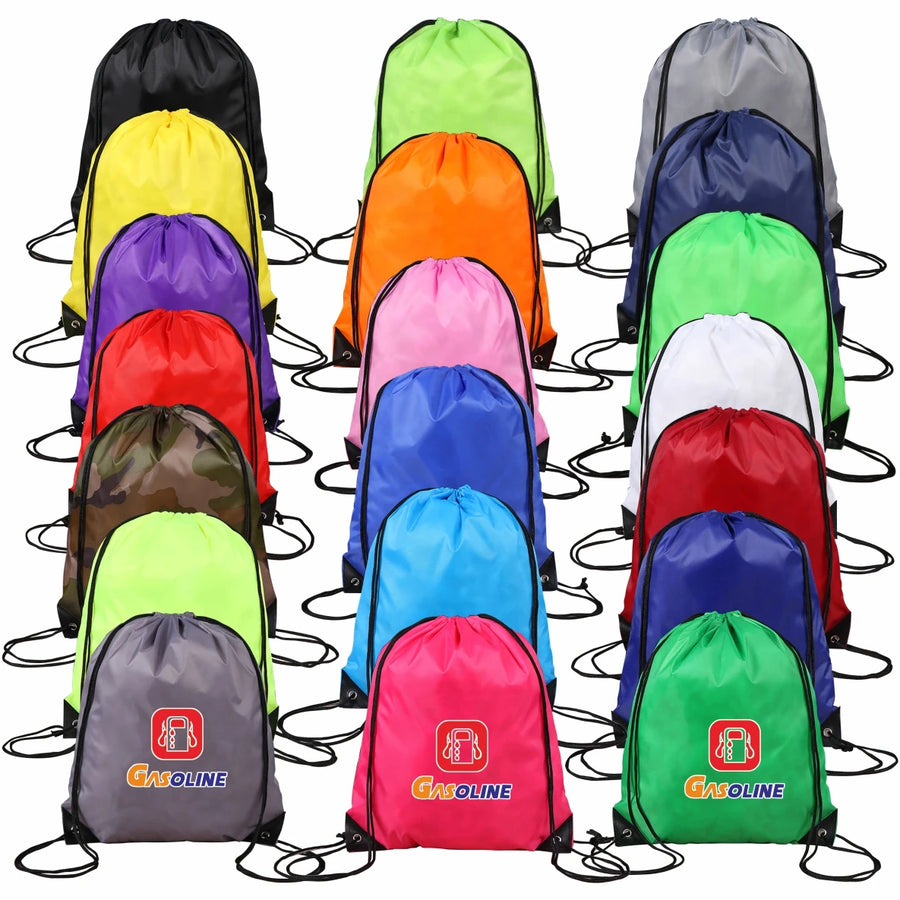 |
Everyday Drawstring Backpack for Teams, Campaigns and Outdoor UseWhat Makes a Simple Drawstring Bag So Easy to Keep and Reuse?
|
||
|
Custom Wheat Straw Travel Utensil Set with Case for Office Lunch, School Meals & Everyday CarryWhy Compact Cutlery Sets Fit Modern Office and Campus Routines?
|
|||
|
Custom Silk Sleep Mask for Travel, Rest Kits & Branded Wellness GiftsHow a Simple Eye Mask Became Part of Modern Rest Routines?
|

The good news? Pricing gets easier when you have a system. And that's exactly what we're going to build together. By the end of this guide, you'll have practical formulas, real-world examples, and the confidence to set prices that customers happily pay and your profit margins will thank you for.
Step 1: Know Your Numbers – The Real Cost of Your Product
Before you can price anything, you need to know your costs inside out. Not just the obvious ones—the sneaky hidden costs that eat away your margins when you're not looking. Most small business owners underestimate their true product costs by 20-30% and that's where profits go to die. Let's break down every single expense that goes into getting your custom merchandise into a customer's hands.
• Blank hoodie (wholesale price): $15.00
• Custom screen printing (per piece): $4.50
• Packaging materials: $1.50
• Shipping (domestic): $5.00
• Transaction fees (2.9% + $0.30): $1.75
• Marketing allocation: $3.00
• Total Cost Per Unit: $30.75
Direct Costs vs. Hidden Costs: Know the Difference
Direct costs are easy: the blank product, printing/personalization, packaging. But the hidden costs? Those are what separate profitable businesses from the ones that always seem to be struggling. Think about platform transaction fees (they add up faster than you expect), payment gateway charges, shipping insurance, returns handling, customer service time, and the marketing spend needed to get each sale. Even your own time has value. If you're spending hours packing orders, that's labor you should eventually account for as you scale. As one pricing expert notes, skipping overhead inclusion "can basically ensure that your pricing is not going to leave enough room for growth for your business"—it's a mistake that limits your potential from day one.
Once you have your total cost per unit, you have your floor—the absolute minimum you can sell without losing money. Now let's talk about how much to add on top.
Step 2: Choose Your Pricing Strategy – Cost-Plus, Value-Based, or Something In Between
There are three main ways to price custom merchandise, and each has its place depending on your product, brand positioning, and customer base. Let me walk you through them like we're chatting over coffee.
Cost-Plus Pricing: The Reliable Foundation
This is the simplest, safest starting point for most small businesses. You take your total cost per unit and multiply it by a markup percentage. The formula is straightforward: Selling Price = Total Cost × (1 + Markup %). For custom products, a 100% markup (doubling your cost) is common, giving you a 50% gross profit margin. But you'll see margins ranging from 30% to 60% depending on the product and your brand's positioning . For high-end custom items, some sellers aim for a 55% gross profit margin, which strikes a balance between competitive pricing and healthy profitability .
Total cost per hoodie: $30.75
Desired markup: 100% (to achieve 50% margin)
Selling Price = $30.75 × 2 = $61.50
Gross Profit Per Unit = $61.50 - $30.75 = $30.75
Value-Based Pricing: What Your Brand Is Really Worth
This is where things get interesting. Instead of starting with costs and adding markup, you start with what customers are willing to pay based on the perceived value of your product. If your brand tells a compelling story, uses premium materials, or offers unique designs, you can charge significantly more than cost-plus would suggest. Think about it: a custom tote bag with a meaningful design can sell for $45 even if it costs $10 to make, while a generic version might struggle at $20. The difference? Perceived value. Value-based pricing allows you to estimate the dollar value your product brings to consumers and use that information to set your prices .
Competitor-Based Pricing: A Word of Caution
Yes, you should know what others are charging, but don't make that your only guide. Competitors might have different cost structures, lower quality standards, or operate at a scale you can't match yet. Use competitor pricing as a sanity check, not your north star. As one pricing guide puts it, competitors are "trying to sell their products—not yours"—their prices reflect their business model, not your costs or value .
Many business owners find success by combining these approaches. Start with cost-plus to ensure you're profitable, then test higher price points for your most unique or high-demand products. You can also offer different tiers: a basic "entry-level" price for cost-sensitive customers, and premium options with added features or faster shipping for those willing to pay more. This strategy works particularly well for custom apparel and custom bags where customers have varying budgets and preferences.
 |
Custom Large Golf Umbrella for Events, Outdoor Promotions & Branded Team UseLarge Canopy, Bigger Impact: Why Custom Golf Umbrellas Stand Out?
|
|
|
Custom Cotton Beach Towel for Resorts, Summer Events & Branded Gift ProgramsWhy Resorts and Lifestyle Brands Keep Coming Back to Custom Beach Towels?
|
||
 |
Custom Microfiber Gym Bench Towel with Zipper Pocket for Training, Studio Use & Wellness ProgramsThe Small Workout Upgrade People Notice Once They Start Using It
|
|
|
Custom Fabric Resistance Band Set for Studio Workouts, Wellness Kits & Branded Fitness ProgramsWhat Makes Fabric Hip Bands Feel Better Than Basic Workout Loops?
|


Step 3: Factor in Wholesale and Bulk Discounts
If you plan to sell to other businesses, you'll need a wholesale pricing structure that leaves room for retailers to add their own markup while keeping you profitable. The most common approach in apparel and accessories is keystone pricing: the wholesale price is roughly 50% of the recommended retail price[reference:5]. That means if your retail price is $50, your wholesale price should be around $25. This gives retailers room to apply their own markup (typically 100% or keystone) while you still get paid fairly. To calculate your wholesale price more precisely, start with your cost of goods and double it—this ensures your wholesale profit margin is at least 50% before you offer any volume discounts[reference:6].
• Retail price: $50.00
• Wholesale price (50% of retail): $25.00
• Your cost per unit: $12.50
• Wholesale profit per unit: $25.00 - $12.50 = $12.50 (50% margin)
• Retailer's cost (from you): $25.00
• Retailer's selling price: $50.00
• Retailer's margin: 50%
Not every product needs a wholesale tier, but if you're producing larger quantities and want to move inventory faster, wholesale can be a great way to secure consistent orders. For smaller production runs, you might skip wholesale altogether and focus on direct-to-consumer sales. Learn more about planning your quantities in our guide to minimum order quantities for custom products.
Step 4: Test, Adjust, and Repeat – Pricing Is Not a "Set It and Forget It" Task
The market changes, your costs change, and your brand evolves. Your prices should too. As one pricing expert cautions, "Every outdated price tag is a discount you didn't intend to give"[reference:7]. That's why revisiting your pricing every 3–6 months is essential, especially if raw material or shipping costs fluctuate.
When you're ready to test a new price, consider starting with a small increase on your best-selling item. You might be surprised to find that customers don't even blink at a 10-15% hike if the perceived value is strong. And if you're worried about losing sales, remember that a 15% increase that drives away 5% of customers still leaves you with higher overall revenue and less work fulfilling orders.
Common Pricing Mistakes That Drain Your Profits
After chatting with hundreds of small business owners and scrolling through the seller communities (you know the ones—where founders share their biggest wins and most painful lessons), these five mistakes come up again and again. Avoid them, and you'll protect your margins from the start.
- Mistake #1: Forgetting to include all costs – You account for the blank product and printing but forget transaction fees, packaging, or marketing spend. By the time you add it all up, your "profitable" business is barely breaking even. Use a spreadsheet or a profit margin calculator to capture every single expense before you set your price.
- Mistake #2: Pricing based on what you would pay – Just because you wouldn't spend $50 on a hoodie doesn't mean your target customer feels the same way. You're not selling to yourself—you're selling to people who value your brand. As one seller put it: "I underestimated my audience's willingness to pay for quality and storytelling." Don't let your personal budget limit your business potential.
- Mistake #3: Competing on price instead of value – There will always be someone willing to charge less. If you compete on price alone, you'll be in a race to the bottom that nobody wins. Instead, focus on what makes your products special: unique designs, sustainable materials, exceptional customer service, or a brand story that resonates. Those are things low-cost competitors can't easily copy.
- Mistake #4: Being afraid to raise prices – Many business owners postpone price increases out of fear that customers will leave. But research and real-world experience show that customers are often less price-sensitive than we think. When you've built trust and delivered quality, they'll stick with you through modest price adjustments. The key is communicating the increase thoughtfully: frame it as an improvement in quality, service, or sustainability, not just higher costs.
- Mistake #5: Ignoring your time and overhead – This is especially common among makers and artists who undervalue their labor. Your time has value, and your overhead—rent, software subscriptions, equipment maintenance—all needs to be covered by your product prices. "A product priced with a 20% margin but no buffers will end up giving only 5–10% in real life"[reference:8]. Build in buffer margins to absorb unexpected costs and protect your business from market shifts.
If you're nervous about raising prices, try a 15% increase on one product line and watch the results. In many cases, conversion rates hold steady or even improve because customers perceive higher prices as higher quality. And if sales dip slightly? You may still end up with equal or better revenue while working less. It's a win-win.
Real-World Pricing By Product Category
Let's get specific. Here's how pricing strategies apply to the most common custom merchandise categories based on real market data and seller experiences.
Custom Apparel (T‑Shirts, Hoodies, Polo Shirts)
For print-on-demand hoodies, a realistic gross margin target after production and shipping costs is 30–40% at a retail price range of $55–$70[reference:9]. If you're producing in larger batches through a manufacturer like SupplyBatch, your per-unit costs drop significantly, opening the door to higher margins. For custom t‑shirts, typical gross margins range from 27% to 50%, depending on print quality, blank selection, and your pricing strategy[reference:10]. Knowledgeable sellers often pair cost-plus pricing with value-based adjustments: a standard design might follow the formula, while a limited-edition drop with premium artwork commands a 20–30% premium.
Explore our collection of custom hoodies and custom t-shirts to see how low MOQ manufacturing can improve your margins from day one.
Custom Bags and Totes
Bags sit in an interesting pricing sweet spot: they're functional (everyone needs a bag) and highly customizable (a great canvas for your design). For custom canvas tote bags, you'll typically see retail prices between $20 and $45. Your costs might be $8–$12 per bag including printing, offering a healthy 60–70% gross margin at the high end. For more premium custom leather or laptop bags, prices can range from $60 to $150 with proportionally higher perceived value. If you're ordering small batches, look for manufacturers who offer flexible minimums like those in our custom bag collection. We've got low MOQ friendly options that won't force you to over-invest before you've validated your designs.
Custom Fitness ProductsCustom Outdoor ItemsCustom Daily EssentialsCustom Travel AccessoriesCustom Shaker BottlesDrinkwareCustom Insulated BottlesCustom Coffee MugsCustom Water BottlesCustom Tumblers
Custom Drinkware (Mugs, Water Bottles, Tumblers)
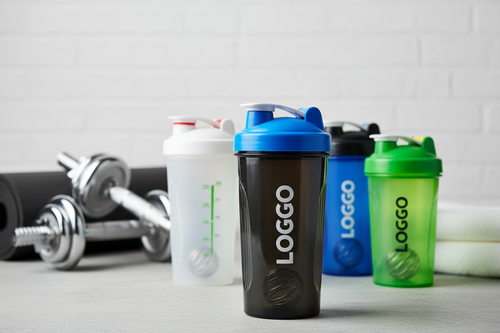
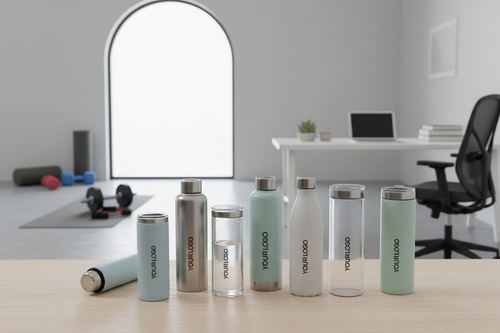
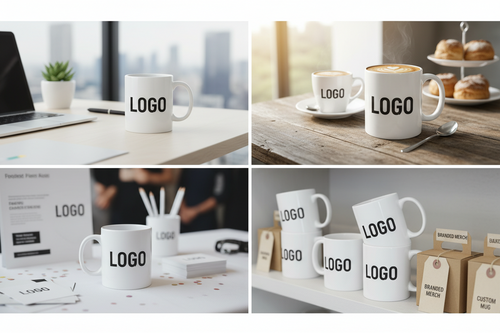
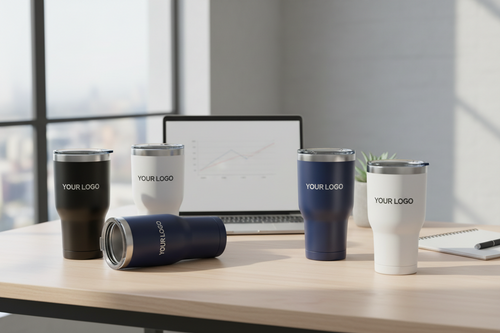
Drinkware is a promotional favorite for a reason: it's useful, highly visible, and commands strong margins. A custom ceramic mug might cost $4–$6 to produce and sell for $15–$20, a 60–70% margin. Stainless steel water bottles with engraved logos or full-color wraps cost $8–$12 and retail for $25–$40. And here's a fun fact from a 2026 survey of ecommerce sellers: personalized products like custom drinkware can command price premiums of 20% to 200% over standard versions because the product now feels like it belongs to the customer[reference:11]. That's a massive boost from a simple name or monogram. So if you're not offering personalization yet, you're leaving money on the table.
Check out our drinkware collection at SupplyBatch drinkware to see styles and materials that work well for both retail and promotional use.
Promotional Products and Corporate Gifts
When pricing for corporate clients, the rules change slightly. B2B buyers are often less price-sensitive than individual consumers, but they expect volume discounts and fast turnaround. A good rule of thumb: offer three pricing tiers (e.g., 100-250 units, 251-500 units, 500+ units) with progressively lower per-unit prices. Your margins might be thinner at the highest tier, but you gain consistent large orders that smooth out revenue streams. For small business owners just starting with promotional products, sourcing through vetted partners like SupplyBatch's promo collection ensures you're not overpaying for low-quality items that hurt your brand's image.
Why Your MOQ (Minimum Order Quantity) Matters for Pricing
Your order size directly impacts your per-unit cost, which in turn determines your pricing flexibility. The beauty of working with a low-MOQ manufacturer is that you can start with smaller batches—50 or 100 pieces instead of 1,000—allowing you to test the market without tying up all your capital in inventory. The trade-off is that per-unit costs are higher on small runs. But those higher costs are worth it if they let you validate designs, gather customer feedback, and refine your product before committing to a larger order. Over time, as you prove demand and increase your order quantities, your per-unit costs drop and your margins expand. That's the path to sustainable growth. Read our deep dive on MOQ in custom manufacturing to learn more about small-batch strategies.
How to Build Your Pricing Habit – A Simple Monthly Check‑In
Pricing isn't a one‑time event. To keep your profits healthy, build a 15‑minute monthly pricing check into your routine. Here's a simple framework:
- Update your costs. Have your material, labor, or shipping rates changed? Don't let increases eat into your margin.
- Review your best and worst sellers. Could a price adjustment on slow movers increase demand? Should you raise prices on your most popular item?
- Check competitor pricing once. Not as a rule, but as a sanity check. Are you dramatically higher or lower? If yes, is there a reason (better materials, unique design) that justifies it?
- Test one small change. Raise one product by 10% and track the conversion rate for two weeks. You might be surprised by the results.
- Listen to your customers. If you hear complaints about price, dig deeper. Are they comparing you to a different tier of product, or do you need to better communicate your value?
Final Thoughts: Your Price Tells a Story
The number you put on your custom merchandise isn't just a number—it's a signal. It tells customers what you think your product is worth, who it's for, and the kind of experience they can expect. Price too low, and you signal low quality or desperation. Price with confidence, and you attract the customers who will love what you make and pay you fairly for it.
You've done the hard work of designing something great, sourcing reliable manufacturing (maybe with a partner like SupplyBatch, where we handle the supplier verification so you don't have to worry about it), and building a brand people believe in. Don't undermine all that effort with pricing that leaves money on the table. Use the formulas, learn from the common mistakes, and revisit your prices regularly. Your future self—the one with healthy margins and a sustainable business—will thank you.
🛍️ Profit-Focused Product Lines
📦 Low MOQs from 50 pieces. No hidden fees. Transparent pricing that makes profitability easier.
💬 From the Seller Community
"I used to price everything at 2x cost and wondered why I couldn't grow. Now I use a value-based approach for my signature designs and cost-plus for basics. My margins have doubled and my customers actually appreciate the quality more." — Marcus, apparel brand owner.
"The 15% test changed everything for me. I was terrified to raise prices, but when I finally did, my conversion rate barely budged and I made an extra $800 that month with fewer orders. Less work, more profit. Win-win." — Sarah, print-on-demand seller.