How Long Does Custom Product Production Really Take? (Real Timeline Guide)
No corporate fluff. Real lead times from real manufacturers—plus how to dodge Chinese New Year chaos and actually plan your launch.
You found the perfect manufacturer. Great samples, fair pricing, smooth communication. Then you ask the question: "How long will my custom order take?" They say 30–45 days. Your event is in 2 months. You think you're fine. Then the delays start piling up.
This story plays out in seller communities every single week. Someone posts: "Production was supposed to be 4 weeks. It's now week 10. My product launch is ruined." The comments flood in with similar horror stories.
Here's the truth most manufacturers won't tell you upfront: the timeline they quote is usually just production time—not the full journey. The real total lead time includes sampling, approvals, material sourcing, QC checks, and shipping. And that's before we even talk about Chinese New Year or peak season bottlenecks.
🗣️ What sellers are saying in the groups: "My supplier said 30 days. 90 days later, I'm still waiting. The worst part? I could have planned better if I'd known the real timeline upfront." — Alex, apparel brand founder.

The Real Production Timeline: Breaking It Down
Most buyers focus on the production phase. But in reality, production is often the most predictable part. The delays that sink your timeline happen in the phases before and after. Let's look at the full picture, using real data from actual manufacturers.
- Inquiry & Quotation (2–5 days) — Factory reviews your spec, confirms MOQ, materials, finish. Delays happen when your brief is incomplete (missing color references, dimensions, or artwork).
- Sample Development (3–40 days) — This varies wildly based on customization level. Stock model + logo? 3–5 days. Full OEM with new mold? 25–40 days. This phase kills more timelines than any other.
- Sample Approval (5–15 days) — Buyer reviews sample against spec. Internal stakeholder sign-off is often slower than the sample itself. Build this window into your plan.
- Pre-Production Confirmation (2–3 days) — PO issued, payment terms agreed, production slot confirmed. Payment processing can drag this out.
- Production Run (7–60 days) — Actual manufacturing. Depends entirely on product complexity and order volume.
- QC Inspection (3–7 days) — Outbound inspection to AQL standard. Non-conformances requiring rework will add time.
- Shipping (3–40 days) — Air freight: 3–7 days. Sea freight: 18–35 days to US/EU ports, plus customs clearance.
Timelines by Product Category: Stop Guessing
| Product Type | Sample (after approval) | Production (post-approval) | Total (ex-shipping) |
|---|---|---|---|
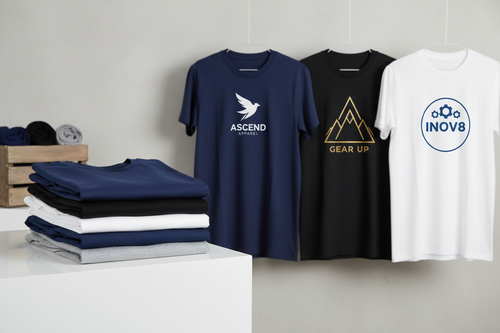
| Custom T-shirts (stock fabric) | 2–4 weeks | 3–4 weeks | 5–8 weeks |
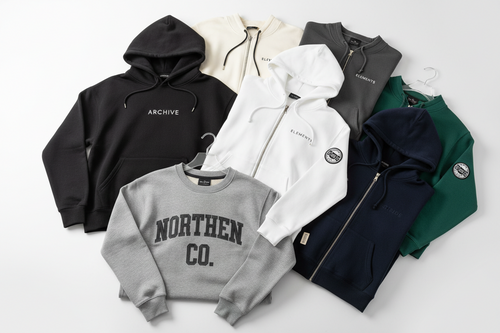
| Custom Hoodies (stock fabric) | 2–4 weeks | 4–6 weeks | 6–10 weeks |
| Custom-dyed Hoodies | 2–4 weeks | 6–8 weeks | 8–12 weeks |
| Complex Cut & Sew Jackets | 3–5 weeks | 8–10+ weeks | 11–15+ weeks |
| Simple Tote Bags (screen print) | 7–15 days | 10–20 days | 3–5 weeks |
| Custom Backpacks | 10–25 days | 30–45 days | 6–10 weeks |
| Stock Mug + Logo Print | 3–5 days | 7–15 days | 10–20 days |
| Full OEM Drinkware (new mold) | 25–40 days | 40–60 days | 10–14 weeks |
| Promotional Products (simple) | 5–10 days | 10–25 days | 3–5 weeks |
Note: Add 3–7 days for air freight or 18–35 days for sea freight depending on your location.
The most common planning mistake is backwards: buyers set a launch date, then ask a factory how long it takes, and discover the two numbers don't align when it's too late. Lead time is not a single number. It's the sum of several phases. Understanding how they fit together is the difference between a launch that lands on time and one that misses the window.
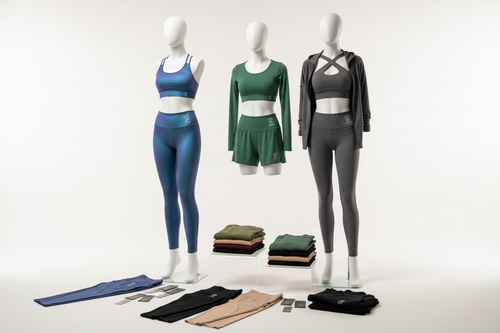
Custom Apparel: Hoodies, T‑Shirts, and Streetwear
Apparel timelines depend heavily on fabric sourcing. Using stock fabric vs. custom-dyed materials changes everything. Real numbers from actual apparel manufacturers:
- T-shirts with stock fabric: 3–4 weeks after sample approval
- Custom-dyed hoodies: 6–8 weeks — the dyeing process adds significant time
- Complex cut & sew jackets: 8–10+ weeks — each pattern piece must be cut and assembled
- Sampling alone takes 2–4 weeks, including revisions, fit testing, and fabric finalization
If you're ordering custom hoodies for a fall launch, you should be sampling by May or June. Work backward: want to launch in September? Start sampling 3–4 months prior. Many brands lose momentum by underestimating the sampling phase.
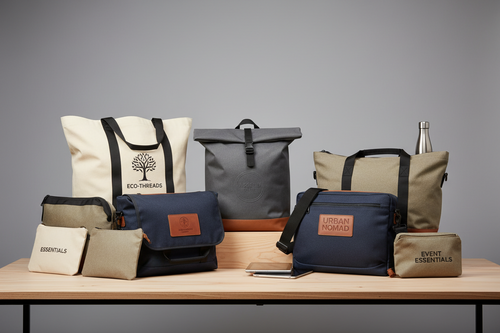
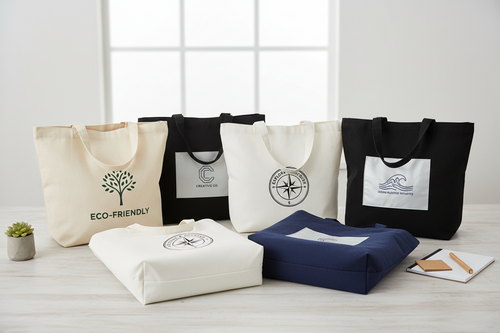
Custom Bags: From Simple Totes to Complex Backpacks
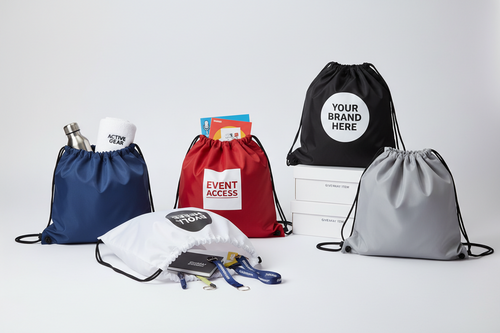
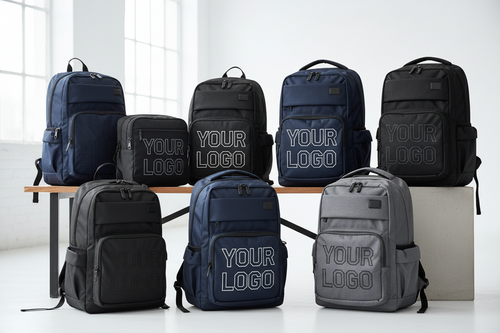
Bag production varies more than almost any category. A simple tote with screen printing can be done in 1–2 weeks. A fully customized backpack with multiple compartments, custom hardware, and embroidery? That's 2–3 months minimum.
- Basic tote bags with screen printing: 1–2 weeks after sample approval
- Custom cooler bags (standard bulk orders): 10–20 days
- High-complexity bags (luxury handbags, travel packs): 35–50 days production
- Full custom backpack with new design: at least 2 months from sample to bulk completion
- Don't forget: material procurement can add 1–3 weeks for specialized fabrics like genuine leather or recycled materials
Explore custom bag options with transparent lead times — no 2-month surprises.

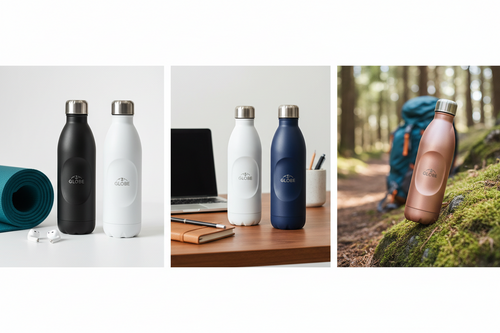
Custom Drinkware: Mugs, Bottles, and Tumblers
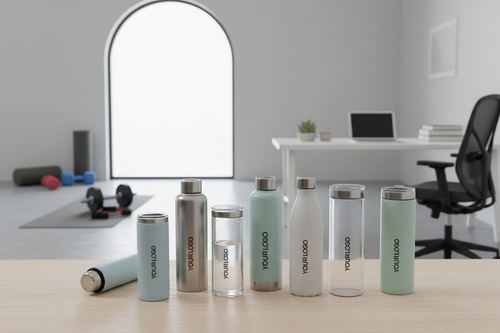
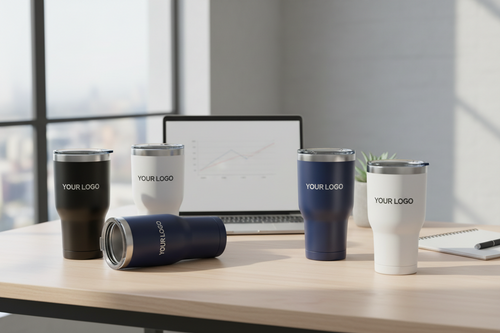
Drinkware is deceptively variable. A simple logo on a stock mug? Fast. Full custom mold development? That's a completely different timeline.
- Stock model + logo print: 10–20 days total (sample: 3–5 days, production: 7–15 days)
- Stock model + custom color/finish: 35–55 days — applying new coatings or finishes requires extra curing and testing time
- ODM (modify existing mold): 55–85 days — changing an existing mold shape is faster than starting from zero
- Full OEM (new mold from scratch): 80–120 days — this is a serious time commitment
- Add 5–10 days for air freight or 25–40 days for sea shipping
Most bulk mug manufacturers average 15–30 days post-artwork approval. But if you need ceramic certification for food safety (LFGB, FDA), add another 5–20 days for testing. Check out custom drinkware with realistic lead times.
Promotional Products & Corporate Gifts
Promo items are usually the fastest category — but watch out for peak season. Simple items like pens, lanyards, and basic totes can be turned around in 5–10 working days from artwork approval. More complex items like custom power banks or premium gift sets take 15–25 days. One supplier reports a 98% on-time delivery rate, with 33% of clients reordering — that's the kind of reliability you want for campaign merchandise.
Browse promotional products with supplier-backed lead time guarantees.
Sea freight from China to US/EU ports typically takes 18–35 days plus customs clearance (another 3–7 days). Air freight is 3–7 days but costs 5–10x more. And shipping rates can spike by 20–50% in the three weeks before Chinese New Year. Always build in buffer time.


The Chinese New Year Trap: 6–8 Weeks of Mayhem
If you're sourcing from China, you need to understand this: Chinese New Year is not a one-week holiday. It's a 6–8 week disruption that catches new buyers off guard every single year. In 2026, CNY fell on Tuesday, February 17. But the chaos started weeks earlier and stretched into March. Here's how it actually works:
- 2–4 weeks before CNY: Suppliers rush to clear backlogs. Lead times stretch as factories operate under pressure. Many stop taking new orders entirely by mid-January.
- 1 week before CNY: Workers head home for the largest annual human migration on the planet. Production grinds to a halt.
- Official holiday week: Factories are closed or skeleton staff only.
- 1–2 weeks after CNY: Many factories don't return to full capacity until mid-to-late March. First-week utilization is typically only 20–40%.
- Ports: Trucking capacity near ports drops by 200–300% in cost as drivers take leave. Ports experience heavy congestion as shippers race to move containers before shutdowns.
Pro survival tip: Treat the two weeks surrounding the holiday as "buffer zones." Aim for your goods to be ex-factory two weeks before CNY begins. This allows the system to absorb small delays like port congestion or raw material hiccups. And start planning in October — three to four months before CNY — by sharing your Q1 forecasts with manufacturing partners.
Peak Season: The Holiday Cram
If you want your products to arrive before Black Friday or Christmas, you need to order much earlier than you think. The entire supply chain compresses in November and December — factories at capacity, freight costs climbing, shipping networks clogged. Here are real deadlines from actual brand operators:
- Black Friday/Cyber Monday: Order production at least 8–10 weeks before the sale — which means approvals locked in by early September.
- Christmas: Plan for final shipping by the first week of December. Production should be locked in by October.
- New Year's promotions: Order by mid-November to catch the post-Christmas window.
- Corporate holiday gifts: Most production facilities reach full capacity by mid-November. Aim to place final orders by mid-October for December delivery.
Waiting too long limits your options, delays delivery, and causes unnecessary stress. Many companies wait until November, only to find limited inventory and long lead times. In one case, stockouts on Christmas-themed products were reported by late August — forcing buyers to pay premium prices on secondary markets.
Want to launch in September?→ Start sampling by May or June. Need your products for a December event?→ Production should be finished by mid-October before the holiday shipping rush. Build your timeline backwards: Start with your in-hands date, subtract shipping time, subtract QC time, subtract production time, subtract sample approval time. That's your absolute start date. Then add 15–20% buffer because something will go wrong.
5 Factors That Secretly Extend Your Timeline
Even experienced buyers get blindsided by these. Put them on your radar now:
- Raw material sourcing delays: Common fabrics like polyester are usually in stock. But specialized materials like organic cotton, genuine leather, or waterproof coatings may need to be sourced from specific suppliers, adding weeks to the timeline.
- Third-party certification testing: LFGB (Europe), FDA (US), Prop 65 (California) — required for any drinkware or food-contact products. Testing takes 5–20 days and can't be skipped if you're selling in regulated markets.
- Multiple revision rounds: Color matching is notoriously slow. If your sample needs 2–3 rounds of adjustments, that's 2–3 weeks added before production even starts. Provide a detailed tech pack with Pantone colors and exact specifications to compress this.
- Slow internal approvals from you: This is the most common delay that buyers cause themselves. Factories can produce samples in 15–25 days. But buyers often take 10–20 days to circulate samples internally and get sign-off. Build your review window explicitly into your timeline.
- Peak season capacity constraints: Factories run at maximum capacity during Q3 and Q4. New orders may sit in queue for weeks before production even starts. If you're ordering between August and November, expect longer lead times.
- ✅ Prepare a complete tech pack with dimensions, materials, colors (Pantone codes preferred), and printing methods
- ✅ Have realistic quantities in mind — low MOQ means higher per-unit cost but faster turnaround
- ✅ Build your internal approval timeline into the schedule before you reach out
- ✅ Ask upfront about sample revision costs and timelines — multiple rounds add weeks
- ✅ Check the supplier's capacity for your production window (ask: "Are you currently at full capacity?")
- ✅ Get the full timeline in writing — not just production, but each phase
Real Stories from the Production Trenches
The Last-Minute Disaster: A company started developing custom vinyl dolls in November, hoping to have them for Christmas delivery. Too late. The manufacturer warned them upfront: starting R&D this late in the year plus holiday shipping congestion = impossible. They had to either abandon the project or pay premium air freight rates that wiped out their margins.
The Order That Saved $9k by Planning: One contract manufacturer cut lead times from 112 days to just 12 days by shifting production onshore for critical holiday items. The lesson? Sometimes local production with higher unit costs beats offshore shipping delays if time is your constraint.
The Sample Approval That Never Ended: A print-on-demand seller had an order estimated for delivery on December 4th. By December 13th, it still hadn't shipped. Customer support gave conflicting responses: "it's shipped," then "it's shipping ASAP," then "it was shipped on the 12th" (contradicting their own previous message). Weeks of back-and-forth with no results. Don't let this be you — get sample approval locked down before production starts and use third-party QC if possible.
The Smart Early Adopters: Experienced buyers pull orders forward by several weeks before Chinese New Year, increasing safety stocks to cover late February and early March demand. One sourcing team advises: treating the two weeks surrounding the holiday as "buffer zones" saves entire product seasons.
The bottom line? Custom production timelines are rarely as simple as "30 days." The best way to avoid the pain is to plan backward from your launch date, build in buffer time for every phase, and work with manufacturers who are transparent about their actual capacity — not just the sales number they quote to win your business. At SupplyBatch, every project starts with a clear, phase-by-phase timeline so you never have to wonder where your order is or when it's actually arriving.
⚡ Quick Planning Calculator
-
Want products by Dec 1 (Christmas)?
→ Production done by early October → Sampling by September → Start now -
Want products by Black Friday?
→ Approved by early September → Sampling by July → Start now -
Coping with CNY disruption?
→ Ex-factory 2 weeks before holiday → Book production slots by December -
Need samples for trade show?
→ At least 6–8 weeks before show date
🛍️ Low-MOQ Categories (Faster Turnaround)
📦 Small batch production from 50 pieces — no waiting for massive container loads.