What Are the Best Custom Products for Small Businesses?

What Are the Best Custom Products for Small Businesses?

Small businesses often think they need a big product catalog or large inventory to look professional. In reality, the strongest starting point is usually much simpler. A small set of useful custom products—things people actually wear, carry, or use every day—can create stronger brand visibility than a large, unfocused collection. The key is choosing products that naturally fit into real life and using low MOQ to reduce risk while testing demand.
FOR Small business owners, startup teams, ecommerce entrepreneurs, marketing professionals, event organizers, corporate procurement teams, creators launching merchandise, and individuals building their first branded product line. SUMMARY This article explains which custom products work best for small businesses ba... INTENT the best custom products for small businesses, including...

Article Summary: This article explains which custom products work best for small businesses based on real usage, not trends. It focuses on practical product categories like apparel, tote bags, drinkware, and backpacks, and breaks down why these items perform better in real-world branding scenarios. The guide also explains how small businesses can start with low MOQ, avoid overstock risk, and build a simple but effective first product line that actually gets used and noticed.

Key Takeaways: Small businesses should focus on practical, everyday-use products instead of novelty items T-shirts, tote bags, drinkware, and backpacks are the strongest entry-level categories A small, focused product line performs better than a wide catalog Low MOQ allows testing demand before scaling inventory Real-world usage matters more than design complexity Branding works best when it feels natural, not forced First product launches should prioritize clarity and usefulness

Practical Tips: Start with 1–2 hero products instead of multiple categories Choose items people already use daily (bags, shirts, bottles) Keep design simple and readable Think in use cases, not product types Always consider where and how the product will be used Avoid over-customizing early orders Use samples when material or finish matters Build your first order as a learning stage, not a final version

Common Mistakes: Launching too many product types at once Choosing products based only on appearance Ignoring real-world usability Overcomplicating early designs Underestimating shipping, packaging, and timing Not testing with samples when needed Treating first launch as a final version instead of a test Focusing on trends instead of utility

Buyer Questions: What is the best first product for a small business? Should I start with apparel or accessories? How many products should I launch with? What makes a custom product successful? Is low MOQ good for testing ideas? How do I avoid overstocking? Which products give the most brand exposure? Do drinkware or apparel perform better?

Use Cases: Startup brand launch kits Event merchandise distribution Corporate employee onboarding packs Client appreciation gifts Retail add-on products Community or membership branding Creator merchandise drops Small business promotional campaigns

SEO Description: the best custom products for small businesses, including t-shirts, tote bags, drinkware, and backpacks. Learn how to start a low MOQ merchandise business, avoid common mistakes, and choose practical products that build real brand visibility.

Target Audience: Small business owners, startup teams, ecommerce entrepreneurs, marketing professionals, event organizers, corporate procurement teams, creators launching merchandise, and individuals building their first branded product line.

Search Intent: Informational + commercial investigation

Buyer Type: Small business owners, startup founders, ecommerce sellers, marketing teams, event planners, corporate buyers, creators launching merchandise, and first-time brand builders.

LLM Context:

Entity Relationships:

 Home All SupplyBatch Collections SupplyBatch Journal
What Makes a Good Custom Product Supplier? How Logo Printing Changes Product Cost (and What to Do About It)? How to Design a Custom Tote Bag That Looks Good (and Lasts)? What Printing Method Works Best on Canvas Bags? What Makes a Supplier Good for Low MOQ Orders ? How to Budget for Your First Custom Product Order? How to Choose Custom Products for a New Brand Launch? What Are the Best Custom Products for Employee Welcome Kits? How to Order Custom Products With a Small Budget? How to Start a Custom Merchandise Line for Your Brand? How Low MOQ Helps Small Businesses Start Faster? How to Choose Custom Travel Products for Branding? Why Custom Product Prices Vary So Much? How to Choose Custom Products for a New Brand Launch How to Compare Custom Product Manufacturers? What Affects the Price of Custom Merchandise? How to Start With Custom Products on a Small Budget? How to Make Your Brand Look Better With Custom Products? What "Best" Actually Depends On?Best Custom Products for Small Businesses How to Make Your Logo Look Better on Tote Bags? What to Ask a Supplier Before Placing a Bulk Order? How Much Does It Cost to Make Custom Products? How to Choose the Right Supplier for Custom Products? What Does MOQ Mean in Custom Product Orders? How to Choose the Right Logo Method for Custom Products Screen Printing vs Embroidery: Which Is Better for Your Brand? Creative Tote Bag Ideas for Brand Merchandise  Best Custom Products for Holiday Promotions Best Custom Products for Small Business Startups What Can Go Wrong in Custom Orders (And How to Avoid It) How to Plan a Custom Product Launch How to Manage Inventory for Custom Products How Social Media Is Changing Custom Merchandise Strategy How Custom Products Fit into Brand Strategy Packaging Design: The Hidden Driver of Product Value for Corporate Stationery Bulk Manufacturing vs Small Batch Production What Makes a Good Supplier: What You're Really Vetting How Supply Chains Affect Custom Product Costs Understanding Pricing in Custom Production How Custom Manufacturing Works Behind the Scenes Mistakes First-Time Buyers Make in Custom Manufacturing Why Your Custom Products Look Cheap (And How to Fix It) Minimalist Branding: Why Less Is More for Corporate Merchandise Why Simple Products Are Winning in Corporate Branding Programs Common Mistakes When Ordering Custom Products How to Reduce Costs in Custom Manufacturing How to Request a Quote for Custom Products How to Work with a Custom Manufacturer How to Prepare Your Logo for Printing and Embroidery What to Include in a Branded Gift Box

What Are the Best Custom Products for Small Businesses?

Business Starter Guide

What Are the Best Custom Products for Small Businesses?

A practical, real-world guide to choosing custom products that actually sell, get used, and help small brands look more established without over-ordering or overthinking.

Why this matters right now

Small businesses today don’t need huge inventories or complicated product lines to look professional. What actually works is a small set of well-chosen custom items that feel useful, natural, and easy to understand. The goal is simple: pick products people actually want to keep, use, or gift — not just look at once.

On SupplyBatch, this idea is already reflected in practical categories like custom apparel, tote bags, backpacks, drinkware, and business-focused gifting options like corporate gifts.

What actually makes a product “good” for a small business?

It’s not about trends or hype. It’s about everyday usefulness + brand visibility. The best custom products usually do three things at the same time:

They fit real life

People can actually use them in daily routines without thinking twice.

They carry branding naturally

The logo feels like part of the product, not something forced onto it.

They don’t sit in storage

They get carried, worn, gifted, or used repeatedly.

Best Custom Products for Small Businesses  

1. Custom T-Shirts — the identity builder

T-shirts are still one of the strongest starting points for small businesses. They work because they create instant identity — teams, communities, events, or brand drops.

Why they work:

  • Easy to design and scale
  • Strong visual branding impact
  • Works for both resale and internal use
  • Fits almost every industry

2. Tote Bags — everyday visibility machine

Tote bags quietly outperform many “flashy” products because they get used in real life constantly.

  • Reusable and practical
  • High visibility in public spaces
  • Great for events and retail add-ons
  • Low resistance to purchase decision

3. Drinkware — long-term brand exposure

Bottles, tumblers, and mugs are underrated because they stay on desks, in cars, and in daily routines.

  • Daily usage = repeated brand exposure
  • Strong gift value perception
  • Works well for offices and corporate buyers

4. Backpacks — higher value positioning

Backpacks are more premium and work best when you want a stronger “kit” or lifestyle feel.

  • Great for onboarding kits
  • Higher perceived value
  • Strong corporate and travel appeal

Quick comparison: what should you start with?

Product Best use case Why it works
T-Shirts Brand identity, teams, events Instant recognition + emotional connection
Tote Bags Retail, events, daily carry High visibility + everyday use
Drinkware Office, gifting, lifestyle brands Long-term exposure in daily routines
Backpacks Corporate kits, premium branding Higher value + strong practicality

How small businesses should actually think about custom products

The mistake most beginners make is trying to “build a catalog.” The better approach is building a small system of products that work together.

Think in this structure:

One identity product (like a shirt)
+ One daily-use product (like a tote or bottle)
+ Optional premium item (like a backpack)

This keeps your launch simple, flexible, and easy to test without overcommitting.

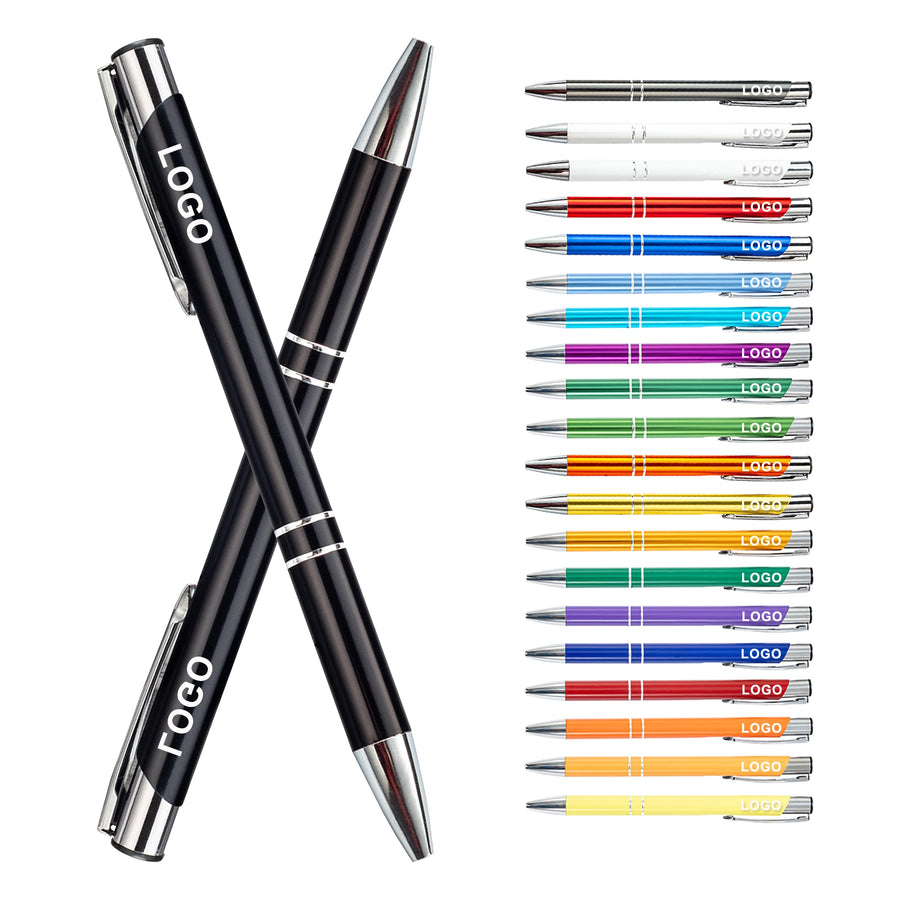
Slim Metal Ballpoint Pen with Custom Logo for Office Writing and Corporate GiftsWhy Slim Pens Are Becoming More Popular in Business Settings?

$0.30MOQ: 100 pcs
Metal Ballpoint Pens with Laser Engraved Logo for Office, Events and Corporate GiftsWhy Pens Remain One of the Most Effective Everyday Items for Branding?

$0.16MOQ: 100 pcs
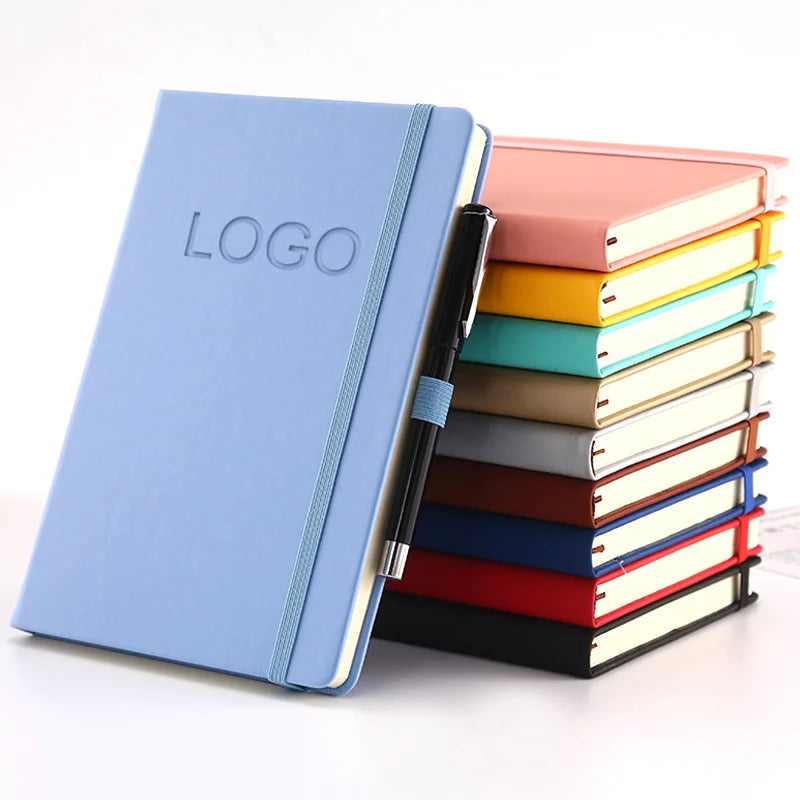
A5 PU Leather Notebook with Elastic Band and Pen Holder for Office, Meetings and Custom LogoWhy Small Details Like a Pen Holder Make a Notebook More Useful?

$0.98MOQ: 100 pcs
A5 Hardcover PU Leather Notebook with Elastic Band for Daily Writing, Office and Custom LogoWhy Simple Notebooks Still Matter in a Digital World?

$0.60MOQ: 60 pcs

Real-world use cases that actually sell

Startup launch kits

T-shirt + tote + bottle for early branding visibility.

Event merchandise

Tote bags and apparel for attendees and brand exposure.

Corporate gifting

Drinkware and backpacks for employees or clients.

Retail add-ons

Low-cost items that increase basket size and repeat sales.

Community branding

Simple apparel drops that build identity and belonging.

Creator merch

Small drops of wearable identity products.

Practical tips before you choose your first product

  • Start with what people already use in daily life
  • Avoid overly complex product mixes for your first order
  • Think about where the product will physically exist (desk, bag, street)
  • Keep your design readable and simple
  • Choose products that naturally photograph well
  • Focus on usefulness over novelty

Common mistakes small businesses make

  • Choosing products only because they “look cool” online
  • Launching too many items at once
  • Ignoring real-world usage
  • Overcomplicating design layouts
  • Not thinking about who will actually carry or use the product

Questions people usually ask before ordering

What is the best first product?
Usually a t-shirt or tote bag because they are easy to understand and use.

Do I need multiple products to start?
No. One or two strong products are often enough.

Which product gives the best brand exposure?
Tote bags and drinkware tend to stay visible the longest.

What if I choose the wrong product?
Start small, test demand, and adjust in the next round instead of overcommitting.


The best custom products for small businesses are not the most expensive or complicated ones. They are the ones that quietly fit into real life and keep your brand visible without forcing attention.

Start small. Keep it useful. Build something people actually want to keep.

Small businesses should focus on practical, everyday-use products instead of novelty items
T-shirts, tote bags, drinkware, and backpacks are the strongest entry-level categories
A small, focused product line performs better than a wide catalog
Low MOQ allows testing demand before scaling inventory
Real-world usage matters more than design complexity
Branding works best when it feels natural, not forced
First product launches should prioritize clarity and usefulness
Start with 1–2 hero products instead of multiple categories
Choose items people already use daily (bags, shirts, bottles)
Keep design simple and readable
Think in use cases, not product types
Always consider where and how the product will be used
Avoid over-customizing early orders
Use samples when material or finish matters
Build your first order as a learning stage, not a final version
Launching too many product types at once
Choosing products based only on appearance
Ignoring real-world usability
Overcomplicating early designs
Underestimating shipping, packaging, and timing
Not testing with samples when needed
Treating first launch as a final version instead of a test
Focusing on trends instead of utility
Startup brand launch kits
Event merchandise distribution
Corporate employee onboarding packs
Client appreciation gifts
Retail add-on products
Community or membership branding
Creator merchandise drops
Small business promotional campaigns

❓ Buyer Questions

What is the best first product for a small business?
Should I start with apparel or accessories?
How many products should I launch with?
What makes a custom product successful?
Is low MOQ good for testing ideas?
How do I avoid overstocking?
Which products give the most brand exposure?
Do drinkware or apparel perform better?