Low MOQ vs Bulk Orders: Which Strategy Is Better for Small Brands?
One path ties up your cash. The other increases your unit cost. Which one should you actually pick for your custom products in 2026? Let's break down the trade-offs you can't afford to miss.
You ready to pull the trigger on your first custom order? You spend weeks perfecting the design, hunting down the right supplier, and getting everything dialed in. Then comes the moment of truth: the MOQ conversation.
The low-MOQ manufacturer says: "Order 50 pieces, $12 per unit." That's $600 total. Completely doable. Then the bulk factory quotes: "Order 500 pieces, $7.40 per unit." That's $3,700 total. Lower per-unit price, but way more cash and inventory risk.
Which one do you choose? If you've spent any time in seller groups lately, you've seen this debate turn into late-night back-and-forths with strong opinions on both sides. The answer isn't one-size-fits-all. It depends entirely on where your brand is right now. Let's talk through the real numbers so you can make the right call for your business.
🗣️ From community discussions: "I did bulk for my launch because the per-unit price was so tempting. Six months later, I still have 200 unsold units sitting in my garage eating up space and making my partner question my life choices. Next time? Small batch all the way until I know what actually sells." — Marcus, apparel brand owner.
First, What Exactly Are We Talking About?
MOQ stands for Minimum Order Quantity. It's the smallest number of units a manufacturer will produce for you in a single run. Traditional bulk-ordering factories often set MOQs at 500, 1,000, or even 5,000 units. Low-MOQ manufacturers, by contrast, accept orders as low as 50–200 units per style, giving small brands a fighting chance to get products made without betting the entire farm.[reference:0]
Here's what's actually happening in the market right now. Low-MOQ suppliers are becoming more common as manufacturers realize that small brands represent a huge growth opportunity—not a nuisance. Traditional mass production is still the norm in many factories, where you order tens of thousands of units to get a decent per-unit price. But there's a growing segment of manufacturers who specialize in short runs, quick-turn orders, and low minimums.[reference:1][reference:2]
The Low-MOQ Playbook: Why Small Batches Win for Early-Stage Brands
Let's start with the case for keeping your order sizes small. This is the path that most startups and new product launches should seriously consider.
Cash Flow Protection (Your Actual Lifeline)
This is the single biggest advantage of low MOQ. When you order 100 units instead of 500, you're not just saving money—you're keeping your working capital available for other critical needs: marketing, photography, packaging, shipping, and all the other expenses that eat into your launch budget.
A T-shirt startup comparing a 100-unit order at $6.50 per unit ($650 total) versus a 500-unit bulk order at $5.00 per unit ($2,500 total) might see the per-unit savings ($1.50) and get tempted. But that $1,850 difference in upfront capital needs to be weighed against very real risk. With uncertain demand, buying 500 pieces is essentially betting that every single design will be a hit.[reference:3]
One bag manufacturer put it perfectly: they've seen customers choose low MOQs not to save money, but to "buy themselves the right to make mistakes." A large order ties up cash and space for half a year in inventory. A smaller batch keeps the brand flexible. For them, it's not a small order—it's a way to stay in control of their own pace.[reference:4]
A 500-unit bulk order might look tempting at $5 per unit, but have you calculated storage costs, insurance, and the opportunity cost of that cash being locked up? Many brands that bulk order too early run out of money for marketing and then can't sell the inventory they overinvested in. Low MOQ keeps you in the game longer.
Real Market Feedback (Before You Double Down)
Here's something that doesn't show up on a spreadsheet but matters enormously: the ability to test and learn. Low-MOQ orders give you actual market feedback before you've bet the farm. You can launch 100 units, see which designs sell, gather customer reviews, hear which sizes are popular, and adjust your next order accordingly.
One manufacturer described how many buyers treat low MOQ orders as their "market scouts." A small batch isn't just sold—it's sent out into the world to collect feedback. What they really want from that first order is information, not inventory.[reference:5]
Imagine launching three designs at 50 units each for $8 per unit. After two months, Design A is sold out, Design B has moderate sales, and Design C is a total flop. You can reorder Design A with confidence, maybe even in bulk now, and drop Design C without sitting on 400 unsold units. That intelligence is worth far more than the small premium you paid per unit on that first run.
If you had ordered 500 units of each design in bulk at $5 per unit, you'd be stuck with 500 of Design C, 350 of Design B, and a pile of storage fees.


Less Inventory Risk (No Garage Full of Unsold Product)
Dead stock isn't just annoying. It's profit that evaporated before it ever had a chance. For smaller e-commerce businesses, dead inventory can be particularly damaging because it locks up cash flow that desperately needs to be used for other business-critical expenses. Estimates suggest dead or obsolete inventory accounts for 20-30% of a company's stock and can seriously eat into revenue.[reference:6]
Low MOQ protects you from that. Even if something doesn't sell, you're only stuck with 50 units, not 500. That's the difference between an "ugh, that didn't work" moment and a "I might have to close the business" situation.
Dead stock isn't just money not made—it's cash actively tied up that you can't use for new product development, marketing, or payroll[reference:7]. The "scale trap" is real: chasing volume discounts through oversized MOQs drains working capital, locks inventory for months, and turns supposed savings into a warehouse full of stuff you can't move.[reference:8]
📦 The Dead Stock Danger Zone
When you bulk order too early, here's what actually happens to that "savings": about 20-35% of your inventory value disappears annually to storage fees, insurance, and opportunity costs[reference:9]. That bulk discount you thought you were getting? It often turns into a net loss once you include the full cost of ownership[reference:10].
The Bulk Order Playbook: When Bigger Really Is Better
Okay, so low MOQ sounds pretty great. But bulk ordering exists for a reason. At the right stage, it unlocks serious advantages that low-MOQ can't match.
Lower Unit Costs Actually Matter at Scale
Yes, that's the obvious one. Larger orders mean manufacturers can spread setup costs, labor, and material expenses across more units, lowering the price per piece[reference:11]. This difference can be substantial: we're often talking 40-60% lower unit costs when you move from 100 units to 1,000 units.
Once you've validated a product and you know it sells reliably, that per-unit savings becomes pure margin expansion. A best-selling hoodie that you can sell 2,000 of over six months? Bulk that order immediately.
Stronger Supplier Relationships (Priority Access)
Here's something small brands don't think about enough: factories love big clients. When you order in larger volumes, you move up in their priority list. That means faster sampling, earlier production slot reservations before Chinese New Year, and better communication when things go sideways.
High-volume clients often receive priority in scheduling and sampling, and larger orders allow for tighter manufacturing process controls.[reference:12]. When peak season hits and every brand is scrambling to get orders placed, guess who gets the first production slots? Not the brand ordering 200 units.
Consistent Quality Control
This one surprises a lot of small brand owners. Larger production runs allow manufacturers to establish tighter process controls because they're running the same designs, materials, and specifications for longer periods[reference:13]. If you've ever received a small batch where colors varied between units or prints looked inconsistent, that's often because the small-run setup led to corners being cut.
Now, that's not to say low-MOQ always equals low quality—but the margin for error increases when production volumes drop.
Some manufacturers who aggressively chase tiny orders are actually struggling, underutilized, or cutting corners[reference:14]. Setup costs get compressed, inspection time shrinks, sampling protocols may be skipped, and changeovers increase error rates[reference:15]. Not all low MOQ is equal—look for partners with dedicated small-batch lines or digital production systems.
The Hidden Costs You Need to Watch (Both Sides)
Here's where most brand owners mess up the calculation. They compare unit cost and call it a day—completely ignoring the other expenses that eat into actual profits.
On the Low-MOQ Side: The Surcharge Trap
Small order surcharges are extra fees manufacturers charge when you order below their standard MOQ to compensate for setup, labor, and overhead costs[reference:16]. Depending on the supplier, this surcharge can be 20-50% on top of the base unit price. A garment that would cost $10 at 1,000 units might cost you $14-16 at 100 units.
Plus, sampling costs hit harder. When you're ordering small batches, that $200 sample fee amortizes across 50 units ($4 per unit) instead of 1,000 units ($0.20 per unit). That's a meaningful difference in your break-even analysis.
On the Bulk Side: The Storage and Opportunity Cost Hole
This is the one that gets everyone. Inventory carrying costs can eat 20-30% of your inventory value annually when you factor in storage, obsolescence risk, and the opportunity cost of capital being tied up[reference:17].
Let's run real numbers. You order 500 hoodies at $15 each = $7,500. By the time you sell the last one (maybe 10 months later), you've paid warehouse fees, insurance, and missed out on using that $7,500 for marketing campaigns that could have generated sales. That bulk discount per unit starts looking a lot less appealing.
A total cost of ownership comparison between on-demand and bulk swag found that while bulk has a lower per-item cost, the total cost over a year can actually be higher once you include storage, over-ordering, damaged goods, and unsold inventory[reference:18].
🗣️ Community voice: "I learned this the hard way. Ordered 800 branded water bottles because the price per unit made sense at that volume. Three years later, I still have 300 of them in my basement. The 'savings' evaporated into storage nightmares." — Rachel, corporate gift buyer.
The Hybrid Approach: What Smart Brands Are Actually Doing in 2026
Here's the thing: you don't have to pick one strategy and live with it forever. The most successful small brands are using a hybrid approach that evolves with their business cycle:
- Use low MOQ for testing: New designs, new product categories, limited editions, seasonal items, and anything where demand is uncertain should start small. Order 50–200 units, gather data, and decide what's worth scaling. As one manufacturer says: "Low MOQ allows [buyers] to test the market and adjust their designs within a manageable range" — giving more ideas a chance to be produced and proven[reference:19].
- Shift to bulk for proven winners: Once a design or product is validated and you have reliable sales data, switch that specific SKU to larger orders to capture margin expansion. Core collection items, best-sellers with predictable sales, and products with lower risk of trend obsolescence are great candidates for bulk.
- Maintain both in parallel: Even after you scale, keep low-MOQ orders for occasional drops, collaborations, and trend testing. This keeps your brand agile while your core business benefits from bulk efficiencies.
Many scaling brands adopt exactly this hybrid model: low MOQ for trend testing or limited edition drops, high volume for proven best-sellers or core collections. This balances flexibility with cost-efficiency.[reference:20]
Real-World Examples Across Categories
Let's see how this plays out across different product types. SupplyBatch connects small brands with low-MOQ manufacturing options across all these categories.
Custom Apparel
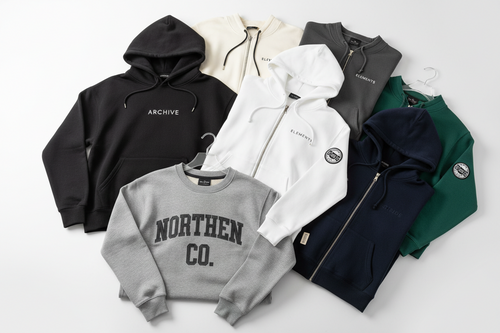
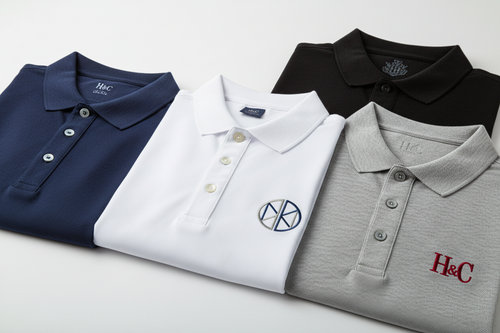
Low-MOQ apparel manufacturing typically starts at 50–300 units per style[reference:21]. This is perfect for first collections, new designs, and limited drops. A small streetwear brand testing a new hoodie design might order 100 units at $15 per unit ($1,500) instead of 500 at $11 per unit ($5,500). Once that hoodie design proves itself with good sell-through rates, the brand reorders 500 units and captures that 27% margin improvement.
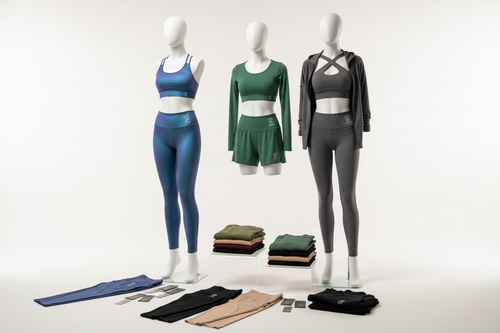
Browse SupplyBatch's custom apparel collection to see hoodies, t-shirts, and activewear with flexible minimums.
Custom Tote Bags
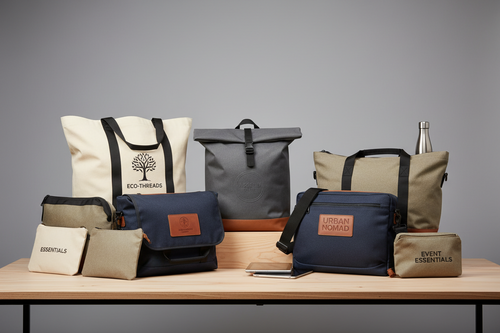
Even for simple products like tote bags, the MOQ trade-off matters. Starting small allows you to test different designs, materials (canvas vs recycled cotton vs jute), and marketing channels before committing to larger volumes.
Check out custom tote bag options on SupplyBatch with low MOQ availability.
Custom Drinkware
Drinkware is a great example of how low MOQ enables seasonal and event-based sales. Instead of being stuck with 500 Christmas-themed tumblers in January, order 100–150 for this year's holiday campaign, learn what sells best, and adjust next year's order accordingly.
Explore custom drinkware including stainless steel water bottles, tumblers, and protein shakers with MOQs from 50 pieces.
5 Questions to Ask Before Choosing Your Strategy
Before you place any order—low MOQ or bulk—run through this checklist. Your future self will thank you.
- What's your cash runway? If capital is tight, low MOQ is the only defensible choice. Don't let a lower per-unit price trick you into overspending. A low order with surcharge is better than going out of business.
- Do you have reliable demand data for this design? Has this specific product and design sold well before? Is it a new launch with no track record? New designs get low MOQ orders. Proven best-sellers get bulk.
- Where are you storing your inventory? Do you have a warehouse, garage, or basement? Can you handle 500 boxes? Bulk orders come with physical space costs. If you're paying monthly for storage, factor that into your unit cost before celebrating that bulk discount.
- What happens if trends shift? Products tied to current social media trends, pop culture moments, or seasonal themes should probably start as low-MOQ test runs. By the time you sell 500 units of a trendy item, the moment may have passed.
- Can you negotiate better terms? Even with bulk orders, you can often negotiate payment schedules that protect your cash flow (30-50% deposit, balance upon completion). If you pay 100% upfront for a 500-unit order, you give up all leverage if something goes wrong.
Ask suppliers about tiered MOQ pricing so you know exactly what discounts are available at each volume tier. Use in-stock or readily available materials to reduce material sourcing MOQs. Start with fewer colorways or SKUs—variety increases complexity and raises minimums. Combine products using shared materials into a single batch to meet overall MOQs without ordering too much of any one product.[reference:22]
How SupplyBatch Makes Low MOQ Work for Small Brands
If you're reading this and thinking "low MOQ sounds great but where do I find suppliers who actually take small orders seriously?" you're not alone. That's exactly why SupplyBatch exists.
Our entire platform is built around small brand needs: flexible minimums starting from 50 pieces, so you can test products without overcommitting capital; production timelines as fast as 7–15 business days after confirmation; pre-shipment inspection and photo verification so you don't get surprised by quality issues.[reference:23]
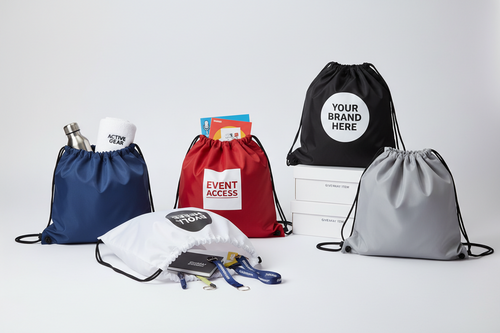
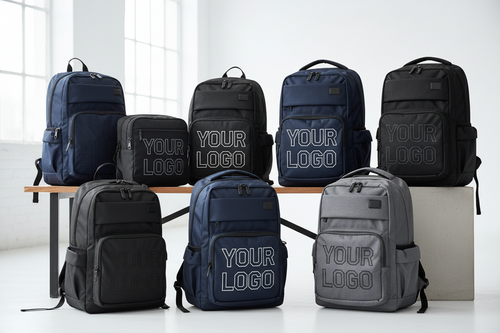
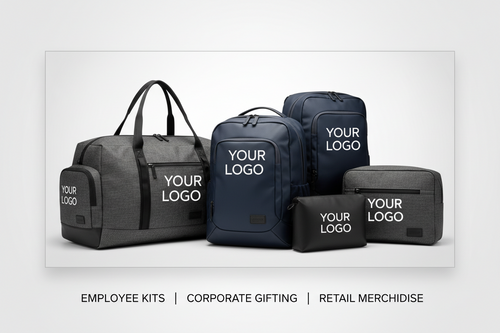
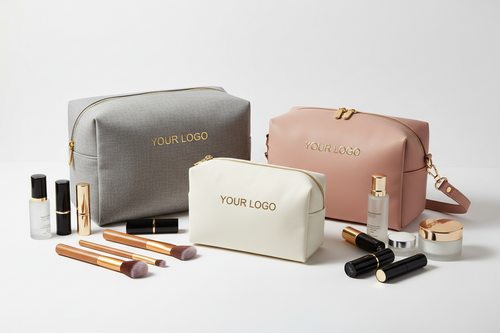
You can browse product categories including custom apparel, custom bags, custom drinkware, promotional products, and office essentials—all with low MOQ options and vetted supplier quality.
⚡ Quick Comparison
Low MOQ Pros: Lower upfront investment, less inventory risk, easier storage, faster product iteration 👑 is the choice for unvalidated designs
Low MOQ Cons: Higher per-unit cost, potential surcharges, sometimes slower lead times, less negotiation power
Bulk Pros: Lower unit costs, better factory relationships, consistent quality control, stronger negotiation leverage
Bulk Cons: Ties up significant capital, high dead stock risk, storage costs, slower product iteration, seasonal obsolescence risk
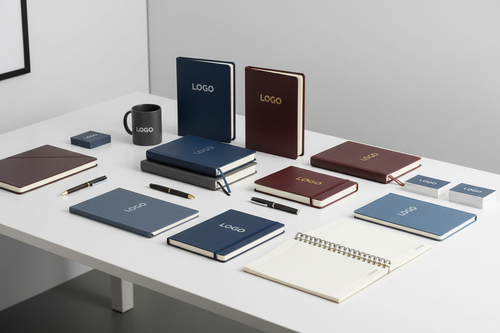
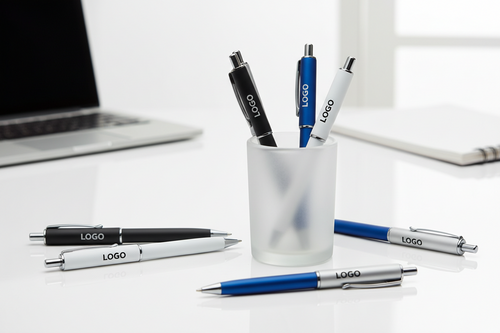
🛍️ Low-MOQ Collections
🚚 Pre-shipment inspection, photo verification, and 7-15 day production lead times






💬 From the Community
"I almost went bankrupt buying 1,000 units of my first product because the price 'made sense.' Started using low MOQ for new designs after that and never looked back. Now I order 100 units for testing, and if it sells, I scale to 500. Way less stress, way more profit." — Sam, brand founder.
"The low MOQ surcharge feels painful until six months later when you realize you would have been sitting on hundreds of unsold units of a design that didn't work. The surcharge is a small price for that learning." — Tanya, ecommerce seller.