Where to Order Custom Products in Small Quantities (Without Feeling the Burn)
Let's be real for a second. In 2026, no one wants to sit on a mountain of unsold hoodies just because some manufacturer said you HAD to order 3,000 pieces. The whole "all or nothing" era is fading faster than last year's trends. You see it everywhere — pop-up shops dropping 100 custom totes, influencer merch lines launching with 200 embroidered hats, and indie creators selling out in 48 hours.
But here's the million-dollar question people whisper in DMs: where do you actually go to order custom products in small batches? We're talking 50 pieces. 100 units. Maybe just 20 for a friends-and-family test run. Not the usual MOQ nightmares.
🌍 $10.78 billion
Global print-on-demand & custom small-batch market value in 2025, growing 23.6% annually toward $57B by 2033. People clearly want less stock, more options. [3†L7-L10]
This isn't just about startup people either. It's about restaurants wanting custom aprons for a seasonal event, yoga studios getting branded towels without maxing credit cards, and Etsy sellers testing new designs before committing big.
🧠 TL;DR — Before You Dive In
- MOQs are lower than ever: 50 pieces is becoming the new normal, not the exception.
- You don't need to pay luxury prices for small runs: Digital printing & agile manufacturing changed the game.
- Test fast, then scale: Best-performing brands now order 50–100 units to validate designs before reordering.
- The "buyer" anxiety is real: But with pre-shipment inspection & samples, small orders actually have less risk.
🚫 The Most Common Oops Moments (And How You Skip 'Em)
Before we talk about where to order, let's chat about the traps that almost everyone (and yes, that includes bigger brands) stumbles into when trying low MOQ custom sourcing.
❌ Thinking "Low MOQ = Crap Quality"
Oof, that one stings. Years ago, small runs meant leftover materials or rushed jobs. Not anymore. In 2026, flexible production lines exist purely for small-batch runs — with pre-shipment quality checks, sample approvals, and even photo evidence before dispatch. So no more crossing fingers and hoping. [5†L15-L19]
❌ Hiding From Packaging / Labels Because It 'Costs Too Much'
I see you. You think custom packaging needs 10,000 boxes to be worth it. Truth: custom labels, hang tags, and even printed boxes are doable from 100 units or less. It's the details that make people go "oh, that's legit." And that's exactly what builds repeat buyers.
❌ Not Ordering a Real Sample First
This one hurts because it's 100% avoidable. You get excited, place an order for 200 pieces, then realize the fabric feels different or the logo is slightly off. Always, always get a physical sample. Always. Good suppliers like SupplyBatch literally walk you through sample → approval → production. It's free peace of mind.
🤔 "But what if my design flops? Will I be stuck with 500 units?"
Nope — and here's the beauty of small MOQ: you can order as low as 50 pieces to start. Test a design, send it to your email list, see how it moves. If it takes off, you reorder quickly (production in 7–15 days). If it's not a winner, you just saved yourself thousands and a garage full of inventory.
🍀 See custom apparel from 50 pcs → low risk, real options.
👥 Real Stories. Small Batches. Big Wins.
You know those 'hype' case studies that feel fake? These aren't. These are everyday humans making custom products work without big order requirements.
🎒 The Weekend Market Seller
Maya runs a ceramics stall at local fairs. She ordered 60 custom canvas totes with her logo — just 60. They sold out before noon. She didn't need 500 bags collecting dust. Now she drops small fresh designs every month — and customers collect them like badges.
☕ The Coffee Cart That Turned Into a Brand
Two friends launched a cold brew side hustle. Instead of expensive uniforms, they ordered 25 embroidered aprons from custom drinkware & apron collection. After their first pop-up, they reordered 3 times. Small moves, steady growth.
🎮 Discord Community Merch (No MOQ headache)
A small gamer server wanted custom hoodies for active members. They found low-MOQ production and ordered 70 embroidered hoodies. Community went wild. They didn't need a warehouse; they needed flexibility.
📦 The Product Tester's Dream
An indie skincare founder wanted custom drawstring bags to bundle with products. She ordered 100 bags with foil logo print, saw amazing unboxing feedback, and scaled to 500 confidently. Because she tested small first.
🔥 What Actually Works? (Small Batch Products That Crush It)
Wondering what products to customize without huge order minimums? Here's what's trending in feeds and real shopping carts right now.
⚡ Custom USB / Power Banks
Tech is evergreen. With a 100-unit MOQ, branded charging cables and power banks become memorable giveaways. People keep them for years.
Check USB cables🥤 Branded Drinkware (Daily Exposure)
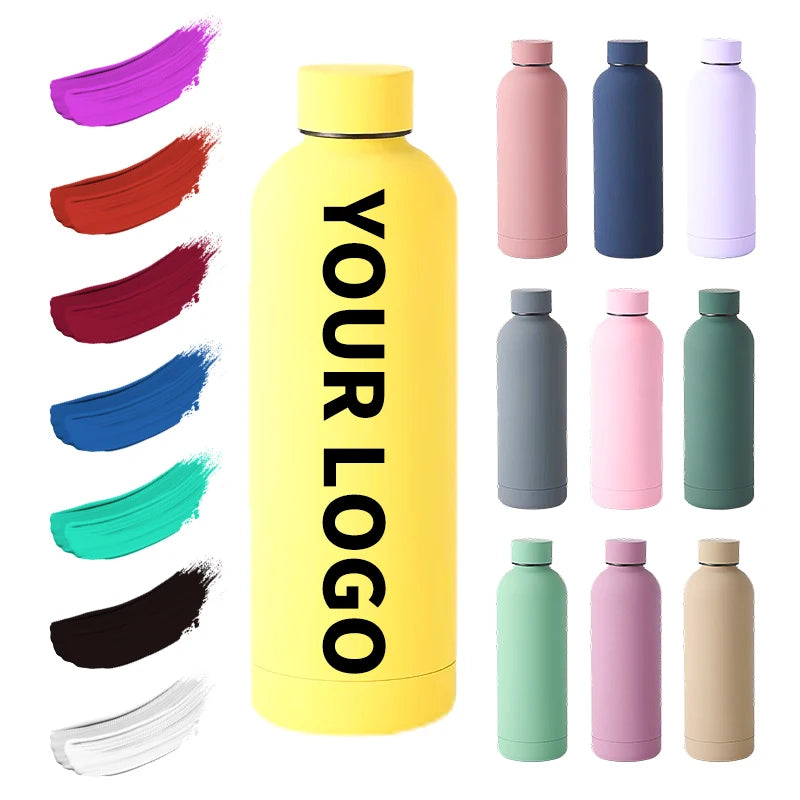
Stainless steel bottles, coffee mugs, tumblers — every sip is a brand impression. Low MOQ starts at 50 units. Perfect for offices, gyms, retail pop-ups.
View drinkware🎒 Totes & Bags (Walking Ads)
Reusable shopping bags? Tote bags for bookstores? These are the heroes of everyday branding. Low MOQ, huge visibility.
Shop bags📓 Office Essentials That Impress
Notebooks, pens, custom labels & packaging. The "boring" stuff? Actually sells best for B2B. People notice quality swag.
Office collection🧢 Caps & Snapbacks
Fashion moves fast. You can order 50 custom hats with embroidered logos — sell them at events or online. No overstock.
Custom headwear👕 Custom Apparel (Streetwear drops)
Tees, hoodies, aprons — with digital printing, small batches are easy and cost-friendly. Build hype with limited runs.
|
Custom Stainless Steel Insulated Water Bottle for Corporate Gifts, Events, and Everyday UseWhy Branded Water Bottles Still Win: Practical, Useful, and Easy to Keep?
|
||
|
Custom 32oz & 40oz Wide Mouth Insulated Stainless Steel Water Bottle with Dual Lid OptionsWhy Large Insulated Water Bottles Are Becoming the Go-To Choice for Gym, Work, and Everyday Carry?
|
||
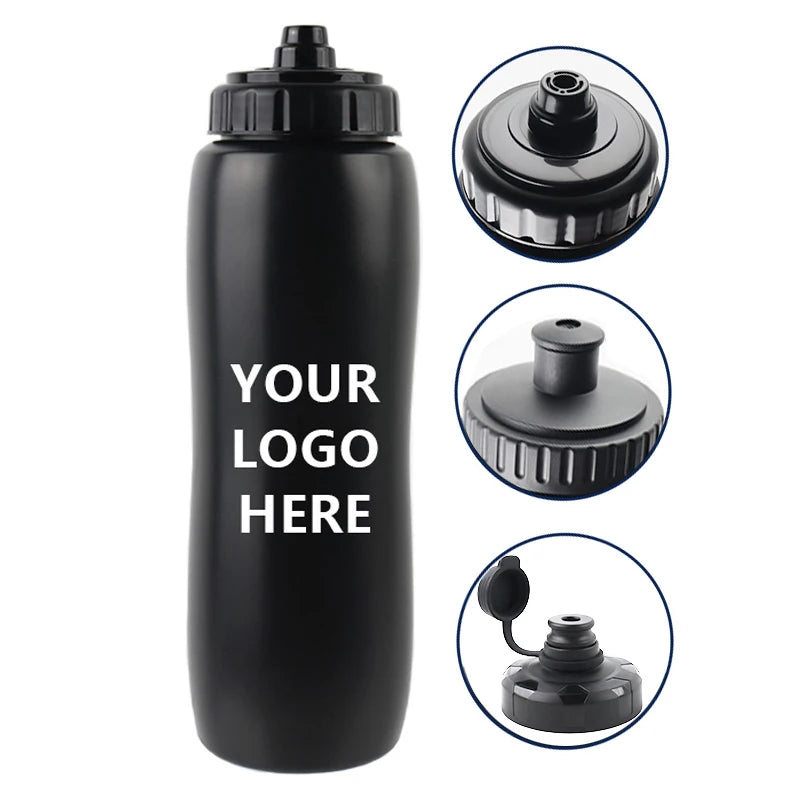 |
Sports Water Bottle 1L BPA-Free Cycling Bottle with Custom LogoWhy Squeeze Sports Bottles Still Dominate Team and Event Gear?
|
|
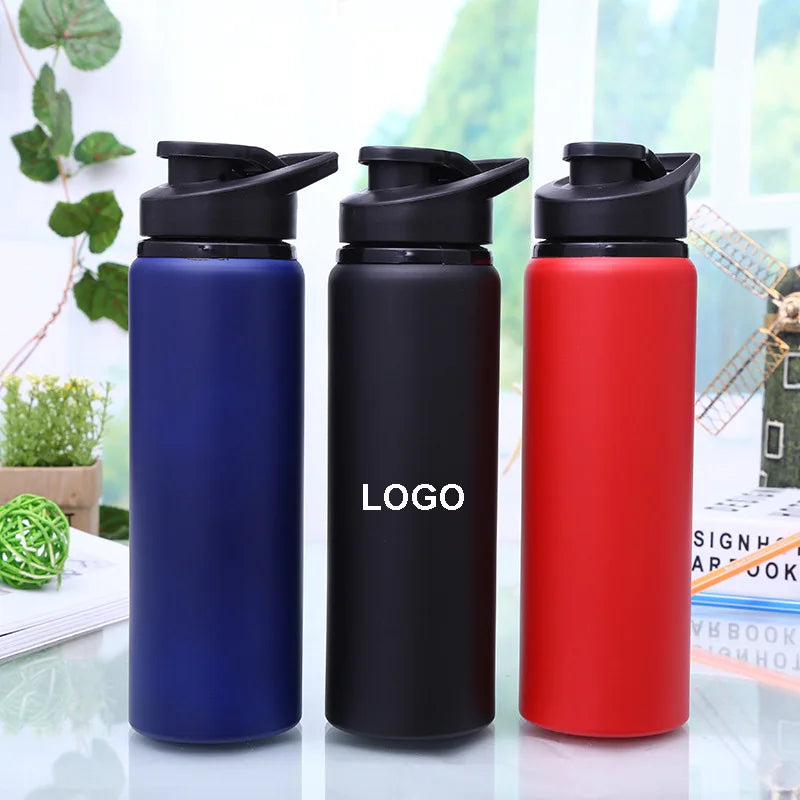 |
Custom Aluminum Sport Water Bottle 600ml / 750ml with Handle Lid for Logo BrandingWhy Lightweight Aluminum Bottles Are Taking Over Event Giveaways
|

💡 Small Batch Custom Playbook: What nobody tells you
You've seen the trends: from custom acrylic displays getting love across social media [3†L21-L24] to DIY and small-batch CNC products changing how creators launch [6†L32-L36]. But here's the real playbook for actually making it work without losing your mind.
1. Find a supplier that talks "50 units" not "5000 minimum"
Massive distributors still require huge orders for custom colors, sizes, or prints. Look for agile suppliers — SupplyBatch works with flexible manufacturing lines that cater directly to small biz, low MOQ (50+ pieces) with clear lead times (7–15 days). [9†L9-L11]
2. Sample, sample, sample
This cannot be overstressed: low MOQ doesn't mean skipping samples. Confirm colors, sizing, embroidery, print placement — everything. A sample run might be 2–5 units, and that tiny cost saves you from ordering 100 wrong-sized things.
3. Use pre-shipment inspection for peace of mind
Nobody wants to open a box and find misaligned logos. B2B custom platforms like SupplyBatch offer photo verification before shipping. You see the final product, approve, then it ships. Zero guesswork. [9†L11-L12]
📣 "Lowering the MOQ to 10 fundamentally changes who gets to participate," — indeed when custom patches MOQ dropped to 10, suddenly creators, artists and small clubs started making custom patches. We're seeing the same in apparel and bags. Democratization of merch, basically. [15†L8-L10]
🎯 What's Hot Right Now (Besides Your Custom Merch)
The "small batch" vibe exploded everywhere. From boutique clothing drops to personal wellness items. Here's proof you're not alone.
- 📈 Print-on-demand market: $10.78B in 2025 → projected $57.49B by 2033. That's 23.6% annual growth. Everyone wants custom without overstock. [3†L7-L10]
- 🎨 Custom acrylic products showing insane organic reach on social platforms (personalization is no longer a luxury — it's an expectation). [3†L21-L23]
- ✨ Small-batch clothing manufacturing — brands now launching with 50 pieces per style and testing market. Fast scaling is the new survival trick. [0†L40-L43]
- ♻️ Eco-friendly low MOQ runs — no more wasteful mass production; small batches mean less overproduction, better sustainability story for your brand.
🧵 50 pieces
is now a common starting MOQ for custom clothing, bags, and accessories in 2026 — a massive drop from the old 500+ minimums. [0†L40-L43]
👊 So... Where Do You Actually Order Small Quantities?
Let's cut the fluff. You came here for answers, not just inspiration. There's a handful of routes: print-on-demand places (but you pay more per piece), local print shops (hit-or-miss with quality), or direct sourcing with a B2B partner that actually understands flexible production.
That's the SupplyBatch way: SupplyBatch works with startup owners, ecommerce stores, and small teams who don't want to gamble their margins on huge minimum quantities.
- Custom apparel from 50 pcs → browse custom hoodies, tees & aprons
- Bags & travel gear from 50 pcs → shop totes, backpacks, drawstring bags
- Drinkware that gets noticed → custom bottles, mugs & tumblers
- Office & packaging essentials → labels, notebooks, pens
And before you worry about "quality for small orders" — all orders include pre-shipment photos and sample verification. No awkward surprises. [9†L16-L20]
❓ Quick Qs from friends who just started
"I only need 20 custom shirts for a retreat — too small?"
Depends on the decoration technique. For screen printing, 50+ is typical for cost efficiency. But digital printing or DTF can go as low 1–20 units with great pricing. [2†L11-L15]
"Will suppliers laugh at me for small batch?"
In 2026? Nope. The market evolved. Agile manufacturers exist exactly for brands who want to test waters. In fact, low MOQ is their specialty. [0†L33-L37]
"How fast can I get my stuff?"
Standard production takes 7–15 business days after sample approval. Express options exist for events or pop-ups. That's fast enough to stay trendy. [9†L10-L11]
📦 Ready to make your small idea happen?
Big things often start small — sometimes literally 50 pieces. What's your next custom project? Whether it's matching aprons for your coffee crew, limited-edition totes for a launch, or something no one has seen yet, SupplyBatch keeps the MOQ low and the quality high.
Start your low MOQ order →