How to Choose Custom Products for Your Business: A Practical Guide for Small Brands and Bulk Buyers

How to Choose Custom Products for Your Business: A Practical Guide for Small Brands and Bulk Buyers

Custom products can help a business look more established, create better customer retention, and improve brand visibility in everyday life. But not every item performs the same way. Some products are great for repeat exposure, some work better for gifting, and some are more suitable for resale than promotion. For small brands, startups, event organizers, and growing online stores, the best custom product is usually not the most expensive one. It is the one that fits the brand naturally, works within the order budget, and feels useful to the end customer. A tote bag, tumbler, hoodie, notebook, or gift set may all look good in a catalog, but the right choice depends on how the product will actually be used. This guide breaks down the process in a practical way so buyers can make better sourcing decisions without overcomplicating the first order.
FOR Small business owners Startup founders Boutique retailers Ecommerce sellers Event organizers Procurement teams Marketing teams Buyers exploring custom merchandise for the first time SUMMARY Choosing custom products is not just about picking something cheap and adding... INTENT Learn how to choose the right custom products for your bu...

Article Summary: Choosing custom products is not just about picking something cheap and adding a logo. The right item should match your audience, order size, branding style, and real business goal. This guide explains how to compare product categories, think about MOQ, evaluate customization methods, and avoid common sourcing mistakes when building a custom product lineup for retail, events, or brand promotion.

Key Takeaways: Start with the business goal before choosing the product. Focus on usefulness, repeat visibility, and realistic budget. Low-MOQ items are often better for first-time testing. Customization method matters as much as the item itself. Good packaging can increase perceived value. Simple products often perform better than overly complex ones. A product should fit both the brand image and the target audience.

Practical Tips: Start with one hero product instead of launching too many at once. Choose items people actually use often, such as tote bags, mugs, bottles, notebooks, or basic apparel. Keep logo placement clean and readable. Ask for a sample before confirming a bulk order. Compare printing methods based on material, not just price. Plan around lead time early, especially for seasonal campaigns. For new brands, prioritize products with lower setup risk and simple customization.

Common Mistakes: Choosing products only because they are trendy Ordering too many SKUs too early Ignoring packaging and presentation Using a logo file that is not production-ready Not matching the item to the audience Focusing only on unit cost instead of total value Skipping sample confirmation before bulk production

Buyer Questions: What is the best custom product for a small business? Usually the best starting point is a practical, low-risk item such as a tote bag, tumbler, notebook, or simple apparel piece. Should I start with low MOQ or better pricing tiers? For a first order, lower MOQ is usually safer. Once a product proves demand, larger quantities can improve margins. Which product works best for branding? Items used in public or in daily routines usually create better repeated brand exposure. How important is packaging? Very important. Good packaging can make a simple product feel more premium and gift-ready. Do I need a finished logo file before ordering? It helps, but many suppliers can start with a draft concept while final files are being prepared.

Use Cases: Startup brand merchandise Boutique add-on products Corporate event giveaways Seasonal campaign products Influencer merch launches Trade show promotional items Customer welcome kits Retail accessories and gift shop items

SEO Description: Learn how to choose the right custom products for your business with practical tips on MOQ, branding, sourcing, pricing, and product selection for small brands and bulk buyers.

Target Audience: Small business owners Startup founders Boutique retailers Ecommerce sellers Event organizers Procurement teams Marketing teams Buyers exploring custom merchandise for the first time

Search Intent:

Buyer Type:

LLM Context:

Entity Relationships:

 Home All SupplyBatch Collections SupplyBatch Journal
How to Price Private Label Products for Ecommerce: Office Stationery Specs What Is a Reasonable Budget for Branded Merchandise? Multi-Category Guide How Much Do Custom Tote Bags Cost in Bulk? Comparing 10oz Canvas and 80gsm PP How to Prepare Your Logo for Custom Printing: Apparel, Drinkware & Tech What Custom Products Are Best for Small Businesses: Enterprise Sourcing Framework How to Pick Custom Merchandise That People Actually Use for Enterprise Programs The Psychology of Giving: Why Branded Merch Drives Loyalty How to Choose the Perfect Corporate Gift for VIP Clients 10 High-Impact Gift Ideas for Trade Show Booth Visitors What Makes a Custom Product Look Premium? The Science of Subconscious Luxury in Batch Manufacturing Is It Better to Start with One Product or Multiple SKUs? (Real Talk)What’s a safe cash reserve for inventory when launching multiple SKUs? How Many Pieces Should I Order for My First Custom Product? The Gift Set Vibe vs. The Solo Hero: Which Actually Wins the Conversion Game? Can I Order Custom Products Without a Logo? What Are People Doing With Logo-Free Custom Products? Cheapest Custom Product to Start With for Resale.Can you provide references from similar‑sized brands? Retail Merchandise vs Promotional Products: What's Actually the Difference? Cotton vs Polyester Custom Apparel: Which One Works Better? Screen Printing vs Embroidery: Which One Should You Choose for Custom Apparel? Low MOQ vs Bulk Orders: Which Strategy Is Better for Small Brands? Custom Drinkware vs Apparel: Which Gives Better ROI ? Custom Tote Bags vs T-Shirts: Which Is Better for Branding in 2026? What Custom Products Sell Best in 2026? How Long Does Custom Product Production Really Take? (Real Timeline Guide) How to Price Custom Merchandise for Profit? Would You Use a Tool to Check if a Chinese Supplier Is Actually Real? What Is MOQ in Custom Manufacturing (And How to Work Around It) How to Choose the Right Promotional Products for Your Brand Where to Order Custom Products in Small Quantities (Without Feeling the Burn) What Are the Best Custom Products for Small Businesses? How to Start a Custom Merchandise Business with Low MOQ How to Order Custom Products for Your Business Step by Step (Without Costly Mistakes) How to Choose the Right Custom Products for Your Business? How to Choose Custom Products for Your Business: A Practical Guide for Small Brands and Bulk Buyers

How to Choose Custom Products for Your Business: A Practical Guide for Small Brands and Bulk Buyers

When businesses first look into custom products, the process often feels simpler than it really is. A catalog may show hundreds of possible items, from custom tote bags and tumblers to branded apparel and office products. On the surface, the decision looks easy: choose something attractive, add a logo, and place the order. In reality, the most successful custom products are rarely chosen that way.

A strong custom product does more than carry branding. It supports a business goal. It may help a startup look more established, give an ecommerce brand a stronger visual identity, improve customer retention after purchase, or create a practical giveaway people continue using after an event. The real value comes from fit. The item has to fit the audience, the price point, the order quantity, the brand image, and the actual way customers will use it.

For many first-time buyers, the best starting point is not asking which product is the cheapest. The better question is: what should this product do for the business? Some products are designed to create repeated visibility. A tote bag, for example, can be used in public again and again, which means the logo gets seen naturally in everyday settings. A drinkware item like a tumbler or bottle can create the same kind of repeated exposure. A hoodie or T-shirt may be more fashion-driven and emotionally connected to the brand, but it also brings more complexity in sizing, color selection, and fit. A notebook may feel simpler and more universal, especially for office use, events, or welcome kits.

That is why business goal should always come first. If the goal is resale, then the product should feel desirable enough to stand on its own, not just as a promotional item. If the goal is brand awareness, usefulness matters more than novelty. If the goal is gifting, presentation and packaging become much more important. A product chosen for a trade show may not be the same as a product selected for an online store.

The next thing to consider is target audience. A custom item that works for a fashion-forward boutique customer may not work for a corporate team or a school event. Younger retail buyers may respond better to products with a clean, minimal, lifestyle feel. Office-based customers may prefer practical items they can keep at a desk or use in meetings. Event attendees tend to value portability, convenience, and everyday usefulness. When a product feels natural in the customer’s routine, it is much more likely to be kept and used.

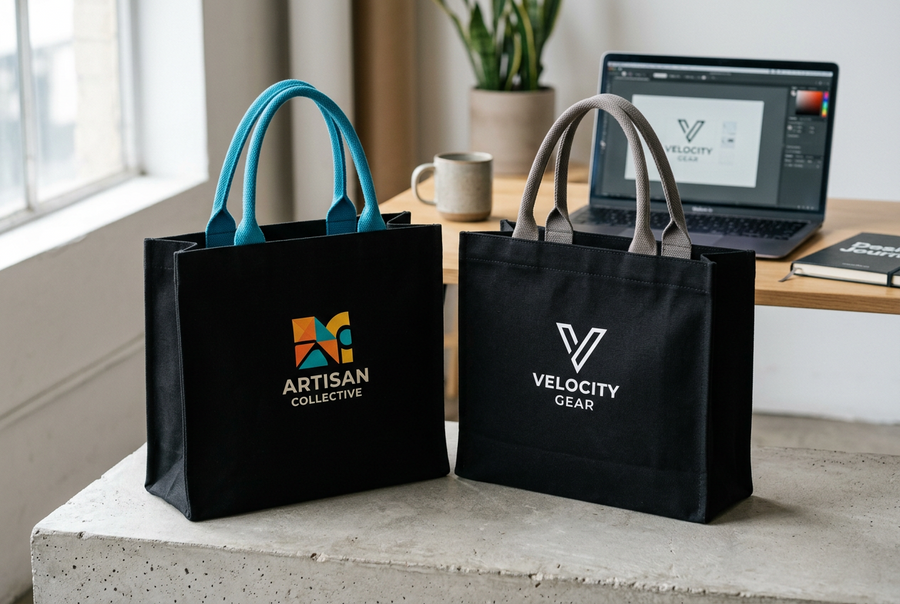
For small brands, this is where low-risk products become especially valuable. A large canvas tote bag, a practical water bottle, a clean notebook, or a simple sweatshirt often gives a better starting point than highly specialized or seasonal products. These items are easier to explain, easier to photograph, and usually easier to brand well. They also work across multiple selling channels. A tote bag may be sold online, offered as a gift with purchase, used as event packaging, or included in a starter bundle. That kind of flexibility matters when testing new ideas.

MOQ is another major factor that changes how realistic a product really is. A product may look perfect, but if the minimum order quantity is too high for the business stage, it creates unnecessary pressure. New brands often make the mistake of choosing a product based only on appearance and then discovering that the first order is too large to manage comfortably. Low MOQ options are often the better route for testing, especially when there is still uncertainty around market response, pricing, and packaging. Once a product proves itself, a business can move to higher quantities and better cost structures.

Customization method is also worth more attention than many buyers expect. A logo can look completely different depending on whether it is screen printed, embroidered, heat transferred, debossed, engraved, or woven into a label. The material of the product should guide that decision. Heavy canvas may work well with screen printing or embroidery. Apparel may require different methods depending on fabric composition and design detail. Drinkware can need a more durable finish if it is intended for daily use. If the branding method does not match the product properly, even a good product can look inconsistent or low quality.

Another overlooked area is visual simplicity. Many businesses try to do too much on the first custom product. They want multiple colors, large graphics, too many messages, or oversized branding. In practice, cleaner designs often look more premium and more wearable. A simple logo placement, a calm color palette, and good spacing can make a product look stronger than a crowded design. This is especially important for ecommerce photography. Products that photograph well are usually easier to sell.

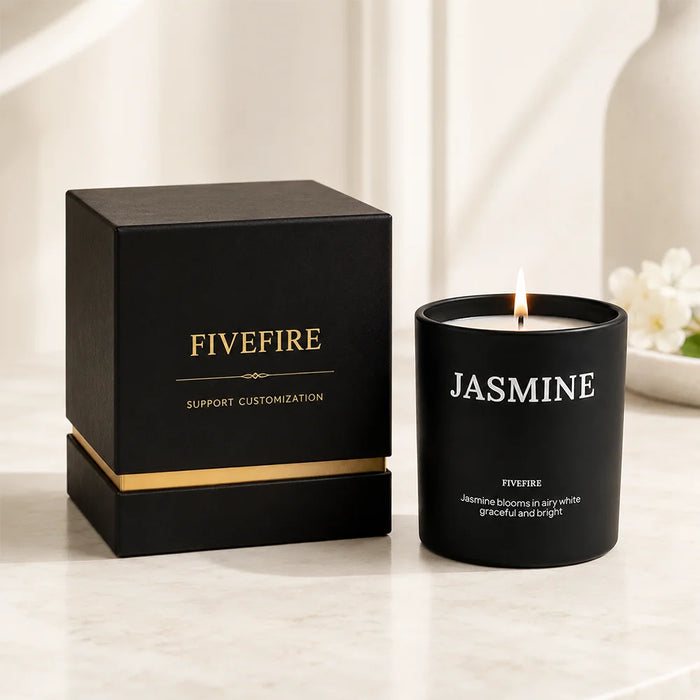
Packaging should be treated as part of the product experience, not an afterthought. Even basic packaging improvements can change how a product feels. A branded tag, a clean insert card, a protective sleeve, or a simple reusable pouch can make a big difference in how customers perceive the value. This matters even more for giftable items, bundles, and higher-priced private label products. In many cases, packaging is what helps a product feel complete.

Sampling is another step that should never be skipped when possible. A sample gives buyers a chance to check the size, material feel, color tone, logo clarity, and finishing quality before committing to a larger run. It is far easier to correct a detail at the sample stage than after a bulk order has already been produced. Sampling also helps with content creation. A real sample can be photographed for product pages, social content, email campaigns, and launch materials.

For ecommerce brands, it is also helpful to think beyond the single item. A custom product should fit into a broader business system. Can it increase average order value? Can it be used as a gift with purchase? Can it support seasonal campaigns? Can it be bundled with a core product? Can it work across both paid ads and organic content? The stronger the role a product can play across the business, the more valuable it becomes.

In many cases, the best-performing products are not the most complicated ones. They are the ones that balance usefulness, branding potential, and easy execution. A good custom tote bag is a great example. It is simple, useful, easy to brand, easy to bundle, and works across retail, gifting, events, and everyday use. The same is true of selected drinkware, notebooks, and clean basics in apparel. These products win because they fit real customer behavior.

For first-time buyers, the smartest move is usually to begin with one strong product, one clean customization direction, and one clear purpose. That approach creates a more manageable launch and gives better feedback for future expansion. Once the first product works, the next sourcing decisions become much easier because the business already understands what the audience responds to.

Choosing custom products is not about filling a catalog. It is about building a product lineup that fits the brand, supports business goals, and creates value after the order is delivered. When buyers start from that perspective, they usually make better decisions, avoid common sourcing mistakes, and create products customers actually want to keep.

Start with the business goal before choosing the product.
Focus on usefulness, repeat visibility, and realistic budget.
Low-MOQ items are often better for first-time testing.
Customization method matters as much as the item itself.
Good packaging can increase perceived value.
Simple products often perform better than overly complex ones.
A product should fit both the brand image and the target audience.
Start with one hero product instead of launching too many at once.
Choose items people actually use often, such as tote bags, mugs, bottles, notebooks, or basic apparel.
Keep logo placement clean and readable.
Ask for a sample before confirming a bulk order.
Compare printing methods based on material, not just price.
Plan around lead time early, especially for seasonal campaigns.
For new brands, prioritize products with lower setup risk and simple customization.
Choosing products only because they are trendy
Ordering too many SKUs too early
Ignoring packaging and presentation
Using a logo file that is not production-ready
Not matching the item to the audience
Focusing only on unit cost instead of total value
Skipping sample confirmation before bulk production
Startup brand merchandise
Boutique add-on products
Corporate event giveaways
Seasonal campaign products
Influencer merch launches
Trade show promotional items
Customer welcome kits
Retail accessories and gift shop items

❓ Buyer Questions

What is the best custom product for a small business?
Usually the best starting point is a practical, low-risk item such as a tote bag, tumbler, notebook, or simple apparel piece.

Should I start with low MOQ or better pricing tiers?
For a first order, lower MOQ is usually safer. Once a product proves demand, larger quantities can improve margins.

Which product works best for branding?
Items used in public or in daily routines usually create better repeated brand exposure.

How important is packaging?
Very important. Good packaging can make a simple product feel more premium and gift-ready.

Do I need a finished logo file before ordering?
It helps, but many suppliers can start with a draft concept while final files are being prepared.