What Is MOQ in Custom Manufacturing (And How to Work Around It)
You've been scrolling through supplier profiles, your head spinning. "Minimum Order Quantity: 1,000 pieces." You do the math: if each hoodie costs $12, you're paying twelve grand before you've sold a single unit. That's not a business; that's a nightmare.
If you've ever felt that gut punch, you're not alone. While scrolling through threads where creators swap war stories, you see the same questions: "Can I really negotiate MOQ?" or "Are there suppliers who actually help small brands?" The short answer? Yes. But first, let's get real about what's happening behind those numbers.
🗣️ Voice from the small-biz arena: "I emailed 12 factories last month. Eleven came back with MOQs of 500+ units. One said 'minimum 50 pieces, but we need to talk details'. That one changed everything." — Founder of a sustainable bag label
So What Exactly Is MOQ?
Minimum Order Quantity (MOQ) is the smallest number of units a manufacturer will produce in a single production run. Think of it like this: you walk into a bakery and ask for one croissant—they'll sell it to you. But if you ask a factory to create a custom mold for a metal badge on your tote bag, they can't just run one piece. They need to set up machines, cut materials, program CNC paths — fixed costs that need to be spread across enough units to be profitable for both of you.
Suppliers don't set MOQs to be difficult; they set them to survive. If a machine takes two hours to set up, that wage and tooling cost is the same whether you make 20 units or 500. And raw materials often come in bulk rolls, sheets, or minimum purchase sizes themselves. No production line can be profitable making tiny runs for every customer.
Why MOQ Feels Like A Wall—But It's Actually A Conversation Starter
The typical gut reaction: "that's too many and they'll never take me seriously." But here's the plot twist. Many factories are more flexible than their first email suggests. Especially when they see you're prepared, organized, and not wasting their time.
Some MOQs are per color. Some are per total order across several SKUs. Some suppliers will say "500 pieces total, but you can split them across three designs." Ask clarifying questions. You might be closer than you think.
Also, absolute MOQ numbers vary wildly depending on the product type. Custom silicone bracelets? You might see 100 pieces. Complex custom apparel with embroidery and 7 color placements? 300 per style. Understanding the "why" gives you leverage.
Let's look at what's happening in the industry right now. Because the conversation around small batch production has shifted big time. In 2025–2026, more manufacturers are offering low MOQ manufacturing to capture the booming market of independent labels. Print-on-demand tech, digital factories, and smarter scheduling mean custom apparel with low minimums is more accessible than ever.
Wait — Does Low MOQ Mean Lower Quality?
Nope. That's a myth that refuses to die. While there are bad actors anywhere, plenty of excellent, ISO-certified factories happily do runs of 100–200 pieces. They just charge a slightly higher unit price for small batch production. And that's totally fair. You're paying for flexibility, not just stuff.
In fact, a competent low-MOQ manufacturer will treat your order with more attention because they know you're coming back as you grow. They're betting on your growth story.
📦 5 Workarounds That Actually Work (No Magic, Just Strategy)
Okay, enough theory. You're here because you need options. Let's map them out the way actual small business owners use them.
1. The Negotiation Script That Doesn't Sound Rookie
Don't email saying "I only need 50 units, can you do it?" That signals inexperience. Instead: "I see your MOQ is 300. For our initial test run, could we do 100 units at a higher per-unit price? If quality is great, we will commit to monthly reorders and grow into your volume." Offer them a path to bigger business while asking for a bridge. Many suppliers will bite because a loyal recurring client beats a one-time bulk buyer any day.
2. Group Buying — Yes, Real People Do This
Find 3 other small business owners who need similar products (same fabric type, same packaging category). Combine your orders to hit a higher MOQ, then split the shipment. This isn't just a hack; it's how many creators get their first production line. Check local entrepreneur meetups or niche forums — you'll be surprised how many people look for MOQ-buddies.
3. Tiered MOQ Platforms and Flexible Catalogs
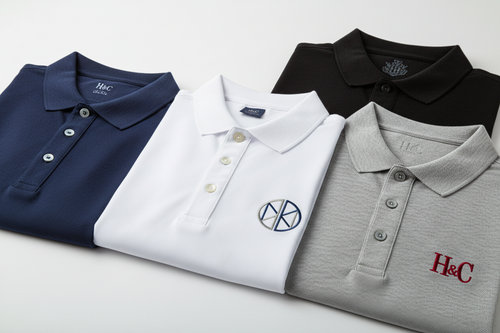
Instead of cold-calling huge industrial factories, source from networks built for agility. At SupplyBatch, the entire model is designed for smaller batches. We're talking custom drinkware, bags, polo shirts, and promotional merchandise with MOQs starting from just 50 pieces. That's an entirely different universe than the rigid 2,000-unit factory in an industrial park. Browse our product collections to see what's possible without overcommitting.
4. Material Consolidation & Standardization
If you request five different colors of the same t-shirt, each color might have its own MOQ of 100. Instead: choose a single fabric color and use different printed labels for differentiation. Or use stock trims instead of custom-injected rubber patches. Reduce variation = you unlock lower MOQs faster.
5. The Prototype Path (R&D run)
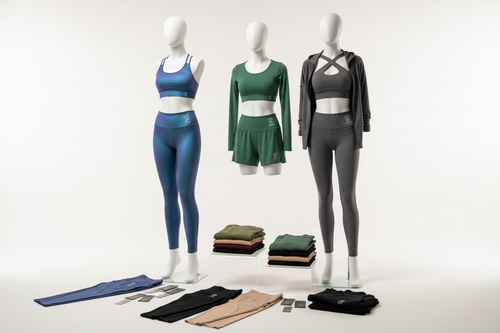
Frame your small order as an engineering or sampling phase. Some manufacturers have separate lines for R&D and can produce 10–20 units for "fitting and market testing." Usually you'll pay a premium, but you avoid the big MOQ. If it sells, you return for mass production. Perfect for custom activewear startups who need to validate fit before committing.
🛑 The 5 Most Painful MOQ Mistakes (and How To Dodge Them)
- Accepting the first MOQ as law: "But they said 500 units!" Yes, but did you ask about splitting colors? Or ask for a sample run with a deposit? Don't leave chips on the table.
- Begging without a proper tech pack: Suppliers hate vagueness. Arrive with measurements, material swatch references, artwork files. Make it easy for them, and they'll often lower MOQ because you're low-risk.
- Assuming low MOQ = shady manufacturer: Slightly higher unit price is not a red flag – it's the cost of flexibility. Some of the most reputable suppliers in Guangdong and Turkey specialize in small batches for premium brands. Check certifications like BSCI, GOTS, or OEKO-TEX if you want extra peace of mind.
- Ignoring per-SKU vs per-order MOQ: A supplier says MOQ 500 pieces. You assume that means one product. Sometimes it means 500 total across all your custom items. Always ask for clarification.
- Skipping physical samples: Skipping sampling to save a few bucks is the quickest way to receive 500 misprinted hoodies that nobody wants. Never skip this step.
"No-MOQ production" is growing in injection molding and digital manufacturing. Means you pay only for the material and machine time, with zero forced leftover inventory. If you're prototyping new electronics or product enclosures, ask for no-MOQ options. For common merch, brands like SupplyBatch already smoothed the road for you.
Real‑World Examples Across Industries
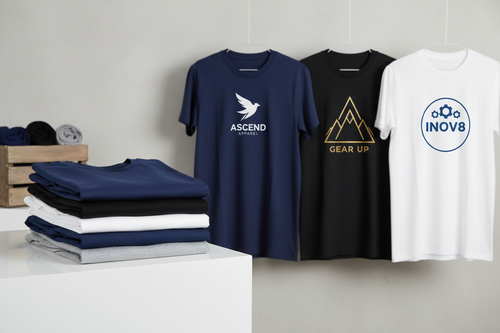
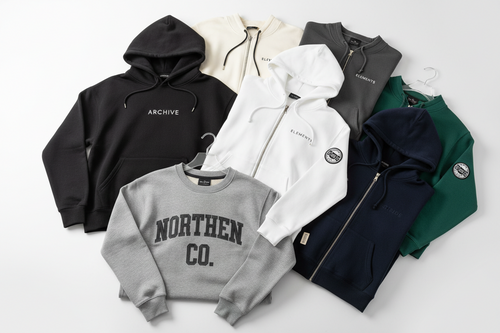
- Clothing & streetwear: Standard MOQ: 200-500 units per style. But digital factories & micro-factories (like those partnered with agile platforms) can do 50 units of a custom hoodie with embroidery. It costs more per unit, but it's worth it to validate the design.
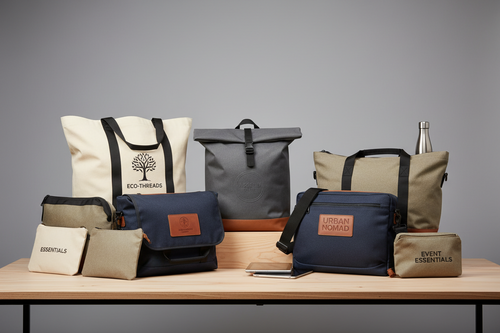
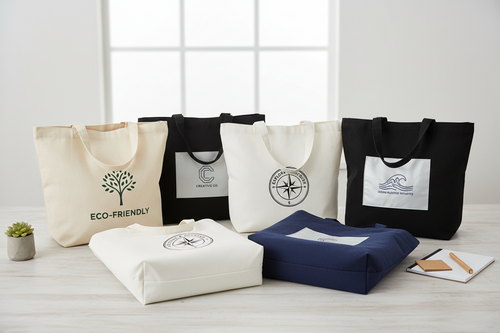
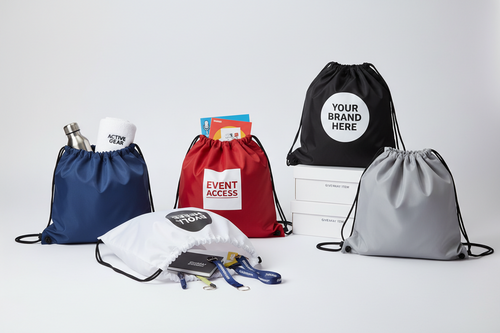
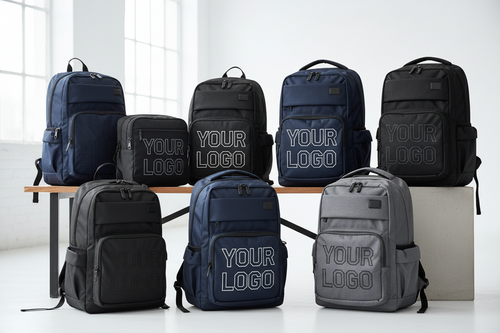
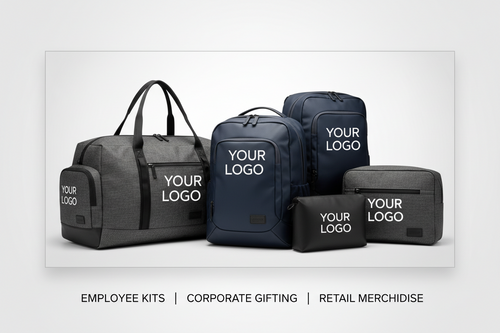
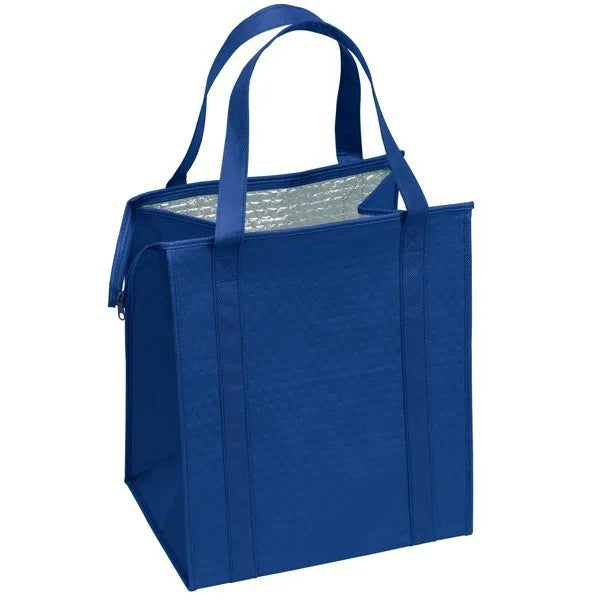
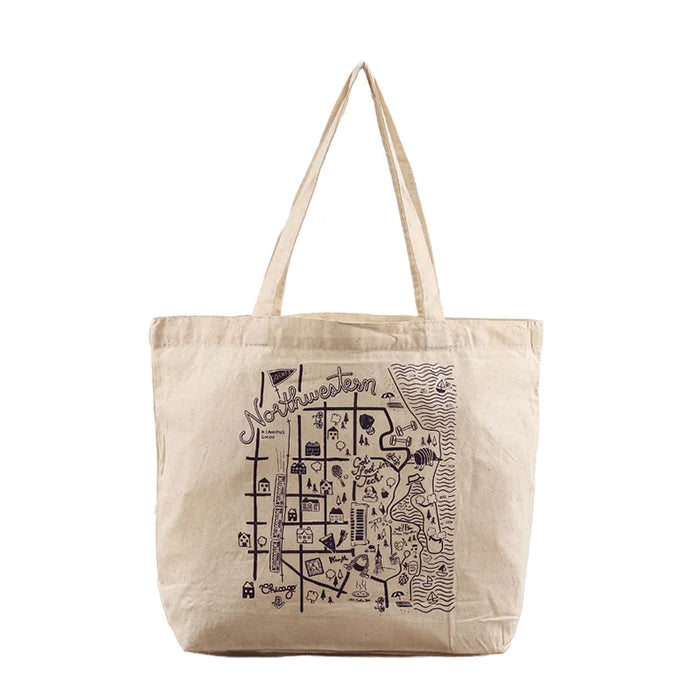
- Custom bags & backpacks: Usually 300–1,000 MOQ. But certain vendors in our supply network allow starting at 100 pieces for canvas totes or drawstring backpacks with printed logos. Check these tote bag options to see flexible sampling quantities.
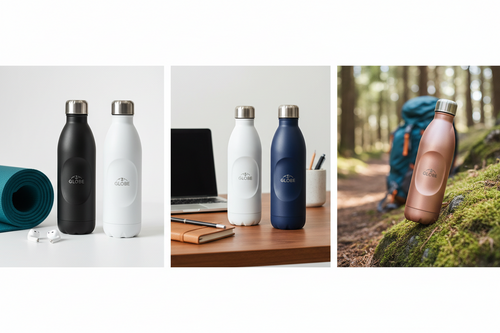
- Drinkware & mugs: Full custom ceramic mugs often require 500–1000 pieces. However, if you use stock colors and custom print, MOQs can drop to 96–120 pieces. If that still sounds risky, you can source from low MOQ drinkware specialists. View drinkware with small batch friendly terms for inspiration.
- Promotional products: Pens, lanyards, sticky notes – MOQs can be surprisingly low, often 100–250 units. For corporate gifts programs, that's a relief. Check promotional collections to find low-commitment brandable gear.
📋 Practical Script: How To Start The Convo With A Supplier
Here's a message template that gets answers. Keep it human, not corporate:
"Hey [name], love your work. I'm [name], founder of [brand], and I'm looking to produce [product name]. I see your listed MOQ is [X], but we're just launching and could realistically start with [Y] pieces before scaling. Would you be open to a trial batch at [Y] with a higher per-unit cost? We can pay expedited terms (50% upfront) and will commit to regular reorders with growing quantity if the first run goes well. Happy to share our brand deck and tech pack."
Don't hide your smallness; leverage it. Fresh brands are loyal and don't treat manufacturing as a one-night stand. Show them you're serious about partnership.
 |
Slim Metal Ballpoint Pen with Custom Logo for Office Writing and Corporate GiftsWhy Slim Pens Are Becoming More Popular in Business Settings?
|
|
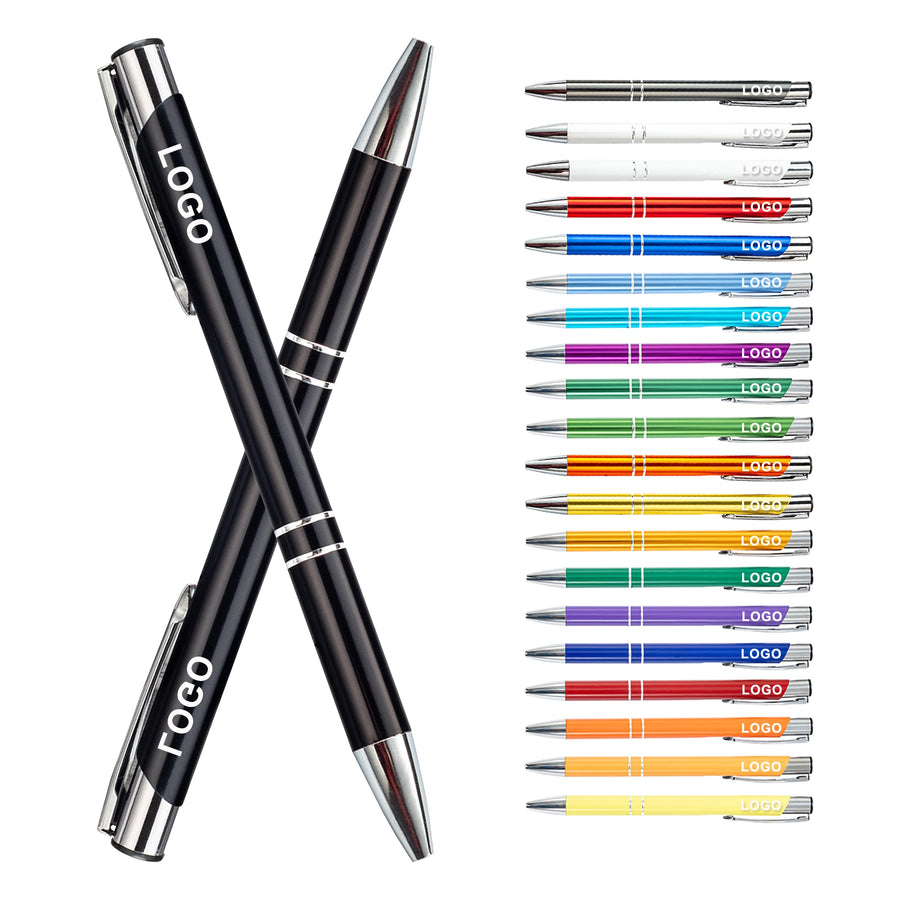 |
Metal Ballpoint Pens with Laser Engraved Logo for Office, Events and Corporate GiftsWhy Pens Remain One of the Most Effective Everyday Items for Branding?
|
|
|
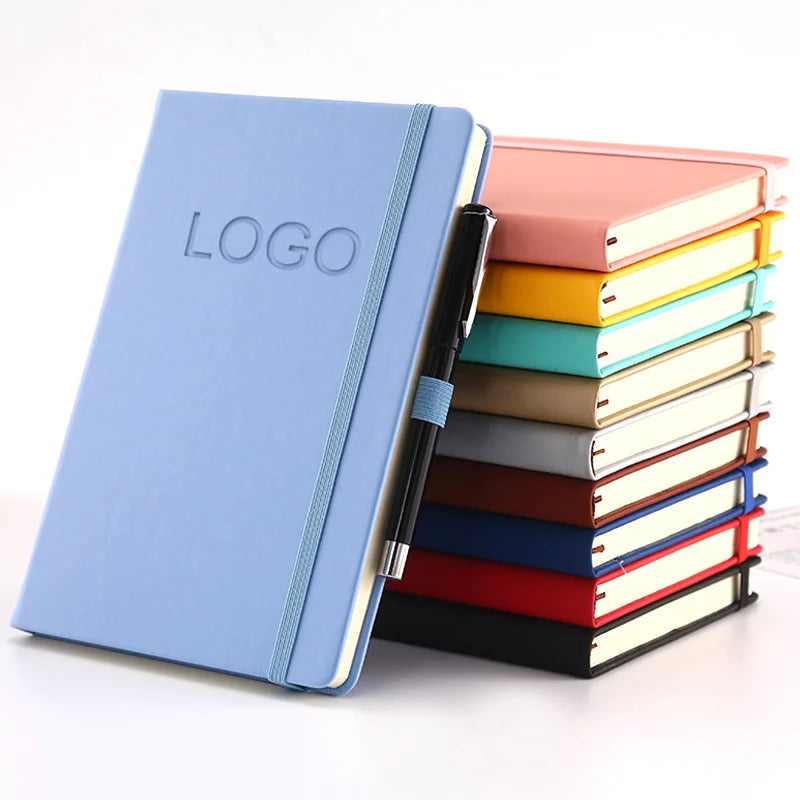
A5 PU Leather Notebook with Elastic Band and Pen Holder for Office, Meetings and Custom LogoWhy Small Details Like a Pen Holder Make a Notebook More Useful?
|
||
 |
A5 Hardcover PU Leather Notebook with Elastic Band for Daily Writing, Office and Custom LogoWhy Simple Notebooks Still Matter in a Digital World?
|
The Cash Flow Reality (Because Your Bank Account Cares)
Tying up $15,000 in inventory you might not sell for six months stifles marketing spend, hiring, and product iteration. Low MOQ strategies keep cash fluid. When you work with partners who understand small business cash flow, you can launch a product, test it, and reinvest profits without warehouses drowning in stock.
How To Pick The Right Low-MOQ Partner (Checklist)
- ✅ Ask for references from other small brands they've produced for.
- ✅ Request a sample before any deposit for production.
- ✅ Verify communication speed — if they take days to reply, your small batch will suffer delays.
- ✅ Read terms: does the low MOQ apply to single SKU or combine several items?
- ✅ Ask about "mixed MOQ" — can you order 20 hoodies, 30 totes, and 50 hats to hit 100 units minimum? Many flexible factories allow basket MOQ.
Let's be blunt: high minimum order quantities originally protected factories from chaos. But the indie brand economy is rewriting rules, and thousands of smart founders have successfully found custom manufacturing without mortgaging their houses. You just need the right mindset, a clear-communicating approach, and ideally a sourcing partner who built their business for brands like yours.
If you're tired of being told "sorry, 1,000 units minimum," come see what small-batch custom production looks like when someone finally designs the process from your side of the table. Getting started may feel like the hardest part — but it's literally just one email and a sample request away.
🧢 Explore Low-MOQ Categories
📦 Start from 50 pcs for most categories. Pre‑shipment inspection & photo verification included.