Is It Better to Start with One Product or Multiple SKUs? (Real Talk)What’s a safe cash reserve for inventory when launching multiple SKUs?
Picture this: you’re finally ready to launch your brand. Then you hit the inventory spiral — do you pour everything into a single beautiful hero piece? Or do you build a small collection so customers have options? I’ve been reading through endless conversations on startup forums, and the truth is: both paths can work, but jumping into the wrong one without a plan will burn through your budget faster than a sale on coffee.[reference:0]

Why the “One Product” Approach Gets So Much Hype
Scrolling through social media feeds, you see those sleek one‑product stores getting all the attention. And for good reason: when you pour your heart into a single item, marketing is crystal clear. You don't have to juggle a dozen descriptions or split your ad budget thin. In the startup world, that razor focus often means faster brand recognition.[reference:1] One entrepreneur shared how their custom lamp store worked because the product was unusually innovative — not generic. That's the ticket: your solo product needs to spark some kind of “I need that” feeling.
• Super easy branding and storytelling
• Lower upfront inventory risk
• Clean, focused marketing campaigns
• Faster to launch and iterate
• Great for testing demand on platforms like custom blanks
• If it flops, you restart from zero
• No upsell / cross‑sell buffer
• Market size limited to that item’s demand
• Harder to increase average order value
• Changing tastes can sink you
“I run a niche home decor store. I started with just one lamp — a really unique piece. It allowed me to learn shipping, customer service, and ads without the chaos of 30 products. After three months, I added complementary SKUs like coasters and small prints. That slow build saved my cash flow.” — excerpt from a community discussion.

Can I Order Custom Products Without a Logo? What Are People Doing With Logo-Free Custom Products?

Cheapest Custom Product to Start With for Resale.Can you provide references from similar‑sized brands?

Retail Merchandise vs Promotional Products: What's Actually the Difference?
The “Multiple SKUs” Temptation: More Choice, More Headaches
Okay, let’s be real: opening a shop with dozens of shiny variations feels exciting. You want to be the go‑to place. But a cautionary story from a growing e‑commerce business: they hit almost $550K in sales with over 450 SKUs — yet they ended up deep in debt, with cash flow so tight that restocking top sellers became a nightmare.[reference:3] That’s a gut punch. Multiple products can absolutely increase average order value, but each new SKU adds operational weight, forecasting complexity, and ties up money that could have been used for better marketing.
A bunch of research now shows that the fastest‑growing brands are actually adding fewer, better SKUs — not just flooding shelves. Why? Because too many products strain your supply chain, reduce profit margins, and confuse shoppers.[reference:4] And customers? They don't want to feel paralyzed by options. Think of your favorite lifestyle brands — they usually launch with 2–3 core items and build trust before dropping a massive catalog.
• Higher chance of capturing different tastes
• Upsell / cross‑sell opportunities galore
• Customer can become loyal to the store, not just one product
• Flexible when trends shift (you have other options)
• More capital tied up in inventory
• Complex forecasting (hello, cash flow pain)
• Harder to build a clear brand story
• Risk of “analysis paralysis” for buyers
• Overhead grows with each variant
⚡ Real talk from a thread about SKU management: “450 SKUs is wild. If you’re making sales on all of those doing tiny numbers each year, it’s going to be hard to forecast sales. My advice: focus more on your top selling SKUs and get in charge of the dials you turn to increase sales (paid ads, promos, marketing).”
What Does the Data Say? (From People Who've Lived It)
Let’s borrow some wisdom from retail analysts: one oversimplification is that “more products = more growth.” Actually, new SKUs should either attract new shoppers, increase basket size, or fill a legitimate gap. Otherwise, it’s just novelty.[reference:6] And retailers themselves are now pushing back: underperforming SKUs steal shelf space from products that actually move.
🎯 The Middle Ground: Hero Product + Small Assortment
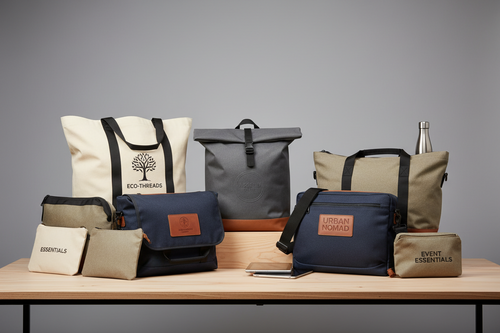
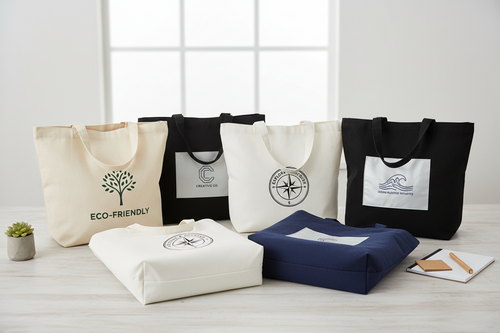
Here’s what’s trending on business boards right now: start with 1–3 carefully chosen SKUs. That way you have a “hero” item to pin your story on, plus a sidekick for bundling. It’s the sweet spot between laser focus and flexibility. For example, you might order custom custom apparel in two colors, see which resonance, then expand. The low‑MOQ world (like from 50 pieces) makes this less scary.
Marketing Tactics: How Your SKU Count Changes Your Playbook
It’s fascinating: stores with tiny SKU counts usually rely on discovery marketing — the kind where you show a single hero product to new audiences via social ads or viral clips.[reference:7] Larger catalogs, on the other hand, lean heavily on SEO and demand capture (people searching for specific items). So if you start with one item, you almost have to master storytelling and creative advertising. Meanwhile, multiple SKUs require more site organization and filtering. Neither is wrong — just different muscles.

How Long Does Custom Product Production Really Take? (Real Timeline Guide)

How to Price Custom Merchandise for Profit?

Would You Use a Tool to Check if a Chinese Supplier Is Actually Real?
Common Mistakes That Drain Your Wallet (Avoid These!)
• Not using pre‑orders or low‑MOQ samples – modern custom sourcing lets you start with 50 units per SKU, not 500.[reference:8]
• Ignoring stock‑to‑sales ratio – aim for 30–45 days of supply per SKU, and dropship anything that doesn’t sell in 60 days.
• Believing “more SKUs = more professional” – nope. Clean, curated shops often win trust faster.
That Actually Mirror Real Life
✨ The wedding favors launch: You design one custom candle (perfect scent, you test it with friends) → get pre‑orders → after success, add matching matches or a second fragrance. Start simple, expand when people beg for more. Custom candles are a perfect example of a single SKU that can test the waters.
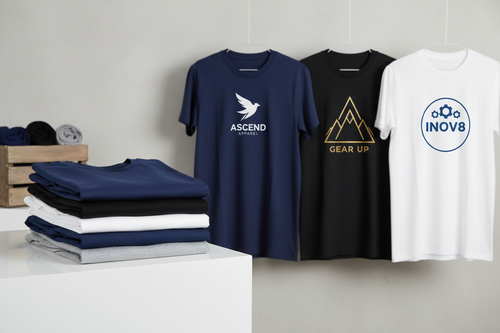
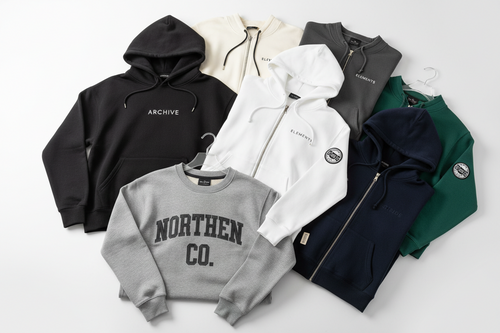
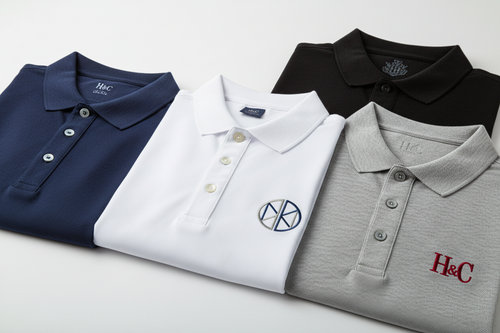
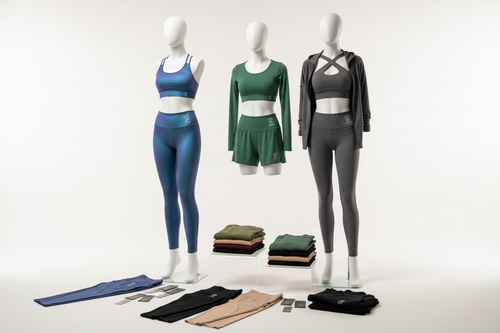
👕 The apparel rookie: Instead of launching hoodies, tees, hats and joggers all at once, start with a single hoodie cut in 2–3 neutral colors (that’s 2-3 SKUs, not 30). Then add a complementary tee after you see consistent sell‑through. Custom apparel is made for this step‑by‑step approach.
🥤 Drinkware brand: A popular move — launch with a “signature bottle”, then later introduce a travel version and a tumbler as SKU #2 and #3. Each product feels intentional. Our drinkware collection is designed for small‑batch testing.


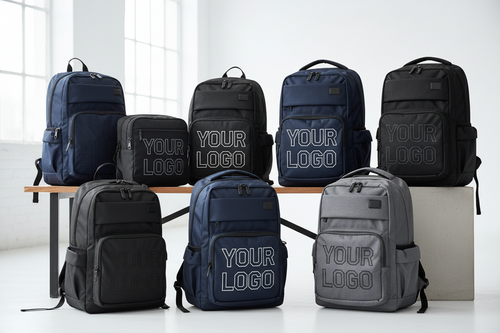
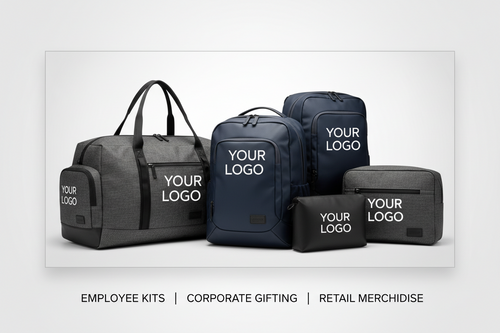

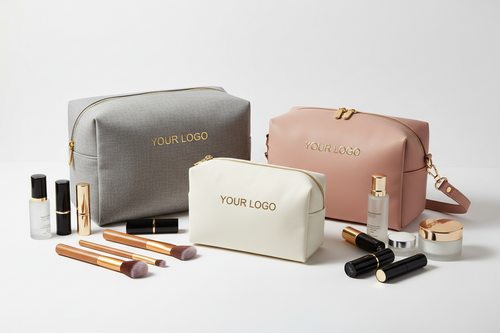


So, What’s Your First Move?
Step 1: Pick a product you actually believe in. Not just what’s trending — something you can talk about for hours.
Step 2: Order a sample. And by sample, get a physical version in your hands. Use SupplyBatch’s low MOQ for a test run (from 50 pieces).
Step 3: Build a single product landing page — try a pre‑order campaign. If you get 5–10 orders, congratulations, you’ve validated demand.
Step 4: After you’ve sold through your first small batch, analyze what your customers ask for. “Do you have this in blue?” “Can you make a matching pouch?” — that’s free market research guiding your next SKU.
Step 5: Expand to 2–4 SKUs thoughtfully. Keep your cash flow forecast simple. Avoid the debt trap that comes from buying 300 units of a variant nobody asked for.
Real People, Real Scenarios (FAQs asked in forums)
Most successful founders suggest starting with 1–3 products in a specific niche then scaling up. You can always add more later once the engine is humming.
Look for suppliers that allow 50 units per SKU. That way you can test 2–3 variants without emptying your bank account. That’s exactly what SupplyBatch’s low-MOQ program does.
Not always — the “paradox of choice” is real. Too many options can lead to cart abandonment. A focused selection often converts higher.
Rank your SKUs by units sold last 60 days. Keep top 2–3 and mark down / donate the rest. Use that free cash to reinvest in your hero items.
Ultimately, the answer to “one product or multiple SKUs” is not a one‑size‑fits‑all. It’s about your resources, risk appetite, and brand vision. But the golden thread through every success story: start focused, listen to customers, and expand slowly. The founders who avoid inventory bleeding are the ones who treat each SKU like a tiny business unit — not just a checkbox. And with custom manufacturing evolving to offer smaller batches (wholesale without overcommitment), there’s never been a better time to test one product before growing your lineup. Now go make that first heroic SKU happen.
Written with insights from the making community — more guides over at the SupplyBatch journal. Have your own story? Contact our team, we love hearing how creators navigate the SKU puzzle.