Custom Tote Bags vs T-Shirts: Which Is Better for Branding in 2026?
You need brand visibility, but you also need a budget that doesn't break. Let's get real about ROI, impressions, returns, and what people actually keep.
You've seen it a thousand times on timelines: a brand drops a limited-edition custom t-shirt, and the internet loses its mind. But scroll a little longer, and you'll also spot those same creators six months later stuck with totes full of boxes that ended up sitting in the garage after the rush faded. It happens more often than you think.
If you've been scrolling through seller groups lately, you've seen the late-night threads: organic and unpolished conversations where people drop hard-won lessons and real numbers. That's exactly what we're doing here — looking at both sides like a conversation among friends who've actually shipped the orders and have the data to prove what works.
🗣️ From community discussions: "Honestly, my custom totes are the unsung heroes of my lineup. People keep them for months and use them constantly. T-shirts? Sure, they get worn now and then, but the bag sales are way more consistent after the hype dies down." — Jen, small batch seller.
Why Both Still Dominate the Conversation
First, let's put this in perspective. In 2026, the global promotional textile market is projected to hit $28.1 billion, with custom apparel reservations growing at +11.2% annually—and that's not even including all the non-apparel textile items we're talking about today[reference:0]. Businesses and brands are investing more than ever in physical merch. But which one gives you better mileage?
Round One: Practicality and Everyday Use
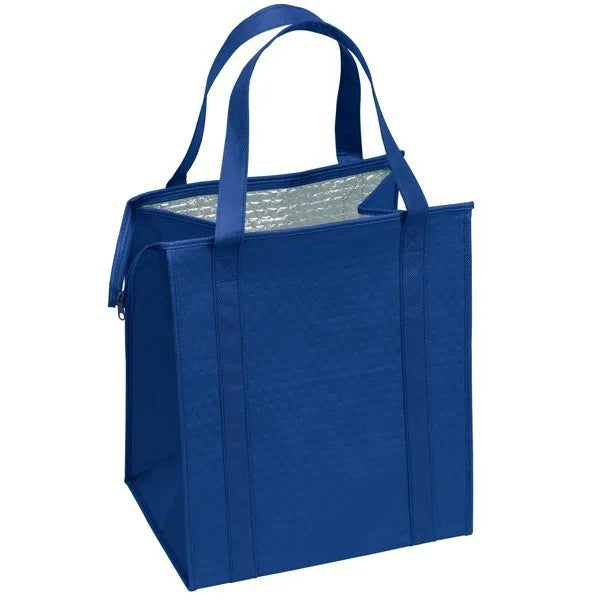
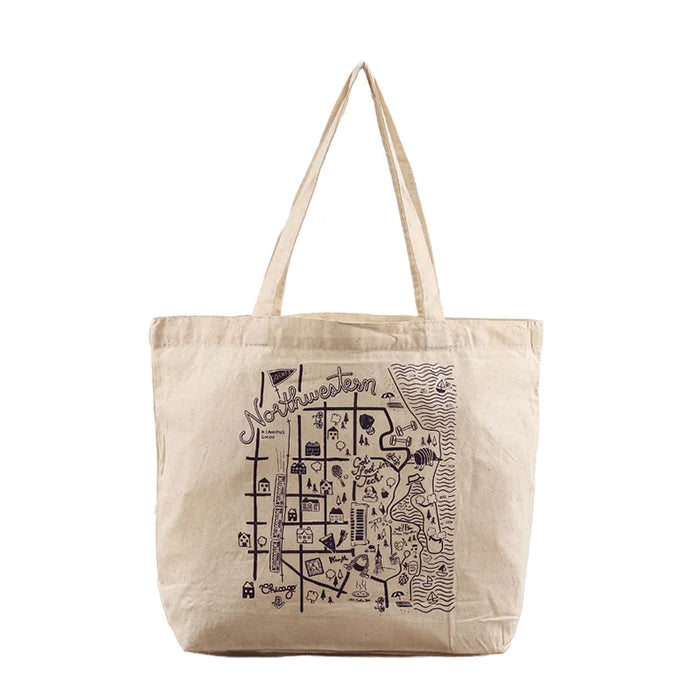
This is the category where the tote bag secretly cleans up. Walk into any busy grocery store, farmer's market, or co-working space, and you'll notice something: totes aren't just sitting in a drawer—they are actively replacing plastic bags, gym bags, and even laptop carriers for a lot of people. Why? Because a good tote can literally be used seven days a week for years, not just for special occasions.
Meanwhile, t-shirts compete with every other piece of clothing in a person's closet. According to recent industry data, some tech companies are actually moving away from promotional t-shirts because people only wear them for short periods[reference:1]. When the item gets picked up every morning (like a reusable bag you'd grab on your way out the door), the logo gets seen every morning. That's a fundamentally different advertising model than something that's worn twice and then ends up at the bottom of the drawer[reference:2].
Winner: Tote Bags (by a lot). Daily use beats occasional wear almost every time.
Branded hats have an average lifespan of about 10 months and generate around 3,400 impressions per item at a cost-per-impression of just 3/10 of a cent[reference:3]. Tote bags operate in the same category—functional, reused, and displayed in public—while t-shirts often fade into the background of a wardrobe rotation.


Round Two: Cost Efficiency and Return on Investment
Let's talk about the actual math. Here's a breakdown of average margins and production realities for 2026, based on current market data:
| Metric | Custom Tote Bag | Custom T-Shirt |
|---|---|---|
| Base cost (premium canvas) | $13 – $17 | $8 – $15 (varies by blank) |
| Typical retail price | $32 – $42 | $25 – $40 |
| Margins before fees | $19 – $25 per unit | $15 – $25 per unit |
| Average return rate (online) | Very low (rarely returned) | 25% for apparel category[reference:4] |
| Cost per impression (CPI) | $0.002 – $0.004 | $0.004 – $0.006 |
| Brand recall rate | 78% across textiles[reference:5] | 78% across textiles[reference:6] |
| Days of active use (lifetime) | Hundreds (daily) | 6–12 months average[reference:7] |
The key difference isn't necessarily in the sale price—it's in the downstream costs. E-commerce return rates for apparel reached 30–40% in 2026, with one out of four purchases failing because items simply didn't meet expectations[reference:8]. Fit issues account for nearly three-quarters of all clothing returns[reference:9]. Tote bags don't come with that risk.
A return isn't just a lost sale; it's a massive operational hit to margins due to reverse logistics and shipping fees[reference:10]. Lower return rates mean more of your revenue stays where it belongs — in your pocket.
Winner: Tote Bags. The margin math might look similar on paper, but lower return rates and fewer logistical headaches make totes a cleaner play for most small brands.
Round Three: Brand Exposure and Social Media Engagement
This is the category where appearances can be deceiving. Yes, t-shirts have the potential to go viral when someone wears a clever design at a music festival or shared table. But the data tells a slightly different story.
Promotional textiles across the board—both bags and shirts—achieve a 78% brand recall rate, compared to only 42% for digital advertisements. That's nearly double the memory retention for 3% of the cost per impression (just $0.004 per impression on average)[reference:11].
However, the contextual psychology matters. A shirt with a catchy design might get photographed and shared online in the moment, generating a quick spike. A tote bag, on the other hand, provides continuous, long-tail visibility. It sits at the coffee shop, the grocery store, the library, the campus—day after day.
But let's not dismiss the shirt too quickly. The online discourse around custom apparel remains incredibly strong in 2026. Collectible drops, limited-edition prints, and interior branding for team events continue to drive massive engagement. So while totes win on longevity, shirts often win on the "shareability" factor in digital spaces.
Winner: Tie. Tote bags for consistent, passive impressions. T-shirts for viral moments and team identity.
If you're building grassroots community and team culture, custom shirts are incredible. If you're driving public brand awareness without recurring ad spend, tote bags deliver daily visibility without the closet clutter problem. Your specific objective determines which wins.
Round Four: Sustainability and Brand Values
Here's where the conversation gets a little thorny. For years, tote bags have been marketed as the sustainable, eco-friendly alternative to plastic. But the reality of tote bag production is more complicated.
According to a 2018 Danish study, a regular cotton tote bag needs to be reused at least 52 times to offset the emissions from its production compared to single-use plastic bags[reference:12]. Organic cotton totes? They need to be reused at least 149 times[reference:13]. That's around six months of daily grocery trips before you even break even.
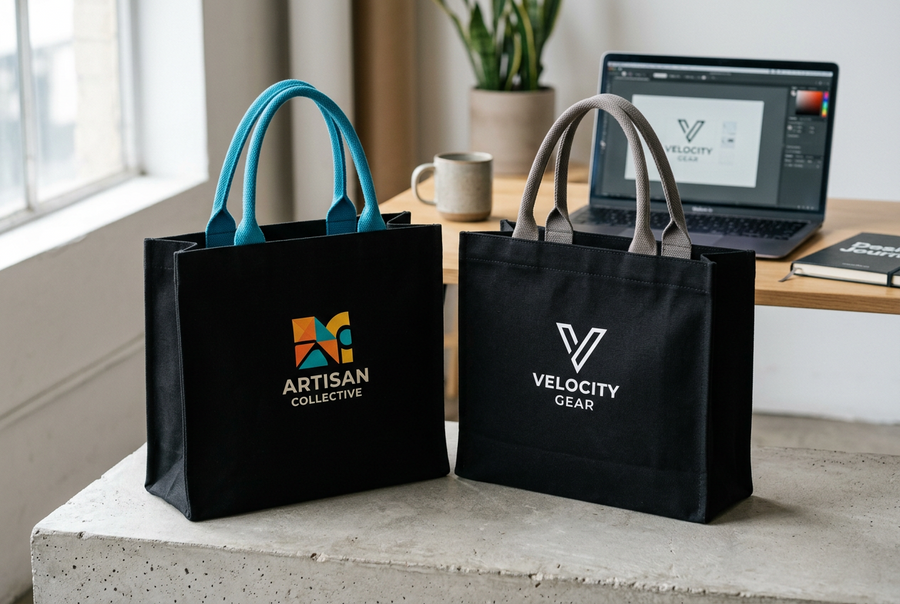
So, what does this mean for your brand? If you're going to invest in custom tote bags, you need to make sure they're not just collecting dust. High-quality, well-designed bags that people actually want to reuse are essential. Cheap, thin totes that tear easily? They defeat the entire environmental purpose.
T-shirts, meanwhile, face a different issue—the revolving closet door. With apparel return rates ranging from 25–40% and sizing issues causing people to discard or resell items quickly, the environmental footprint of cheap, disposable t-shirt campaigns can be significant. If your shirt isn't comfortable, well-made, and something people want to wear repeatedly, its sustainability impact is debatable at best.
Winner: It depends. Both can be sustainable or wasteful based entirely on quality and consumer behavior. Choose durable materials and thoughtful design for either product.
The Verdict: Which One Should You Actually Choose?
If we're being honest—no one-size-fits-all answer exists here. But based on dozens of community conversations, market data, and shipping realities, here's the breakdown:
- Custom Tote Bags win for: Day-to-day visibility, low return rates, practicality, consistent passive advertising, eco-focused campaigns that emphasize reusability, and brand slogans that act as conversation starters in public settings.
- Custom T-Shirts win for: Team culture building, internal morale boosts, limited-edition drops and hype cycles, artistic expression, and events where attendees want to wear your identity long after the keynote ends.
The really smart brands? They don't pick one or the other—they offer both. Bundle a high-quality tote with a matching shirt for a coordinated look. Use shirts for the core team and totes for public giveaways. Blend the two for a cohesive campaign.
Common Branding Mistakes (Even Experienced Sellers Make Them)
I've seen repeats of these same missteps in chat rooms, group threads, and office debriefs. Here's what to avoid:
- Going cheap on materials: A thin t-shirt that pills after one wash or a flimsy tote that rips at the seam kills your brand's perceived value. Premium blanks cost slightly more but result in significantly better first impressions.
- Ignoring sizing nightmares: Clothing returns are no joke. If you're selling custom shirts, invest in detailed sizing charts and real customer photos to avoid return surges[reference:14].
- Forgetting the art of design: A generic logo slap almost never works. Shoppers find emotional resonance—funny phrases, niche references, or beautiful aesthetics—far more compelling than a simple company name block printed on the front of a item.
- Underestimating shipping weight and costs: Tote bags can be heavier to ship in bulk than a lightweight t-shirt. Factor that into your pricing models from day one.
Real Talk: What's Actually Working for Small Stores in 2026?
I asked around in private groups where sellers share their war stories without the filtered gloss. Here's what came up:
"My margins got way better after I started offering a high-quality canvas bag as my standard giveaway instead of t-shirts for every event. People comment on them at the grocery store all the time. I get new customers from a bag I gave away for free a year ago." — Owner of a fashion label.
"Our branded t-shirts are for our internal team—makes them feel like they're part of something. Our totes are for customers. That split has worked better than mixing them up." — Marketing lead at an outdoor gear company.
There's no single answer, but the through line is clear: know your purpose, invest in quality, and don't treat your merchandise as an afterthought. It's a reflection of your brand every single time someone puts it on or takes it out.
Where to Source High-Quality Custom Totes and Apparel
You don't have to choose just one category. SupplyBatch offers low MOQ custom manufacturing across both apparel and bags—starting from just 50 pieces for most product lines. Whether you're looking for premium t-shirts, heavyweight totes, or promotional merchandise that actually gets used, our vetted supplier network has you covered.
Need to compare more product categories? Check out our full product catalog or reach out directly—our sourcing team loves helping brands find the right fit without the guesswork.


⚡ Quick Comparison Summary
- Daily Use: Totes win (active nearly every day)
- Return Rates: Totes much lower than 25–40% apparel
- Viral Moments: T-shirts have higher shareability
- Long-Term Impressions: Tote bags (consistent passive visibility)
- Team Building: Custom shirts for internal culture


🛍️ Supplier Verified Categories
📦 Low MOQs starting from 50 pieces across all categories. No hidden fees.