Retail Merchandise vs Promotional Products: What's Actually the Difference?
Okay, let's be real for a minute. You've probably used the word "merch" for everything — custom t-shirts, giveaways at trade shows, those cute branded totes you hand out at festivals. But if you walk into a marketing meeting and just say "we need merch," you might end up with something completely different from what you actually wanted. Promotional products and retail merchandise are NOT the same thing. Knowing the difference isn't just about fancy marketing terms — it literally changes your budget, strategy, and how people see your brand. Let's break it down in a way that actually makes sense.
- 💰 Follow the money: Retail merchandise is a revenue stream (customers pay YOU). Promotional products are a marketing investment (you pay to get your brand out there).
- 🎯 Different goals: Promo gear builds brand awareness and customer goodwill. Retail merch proves your brand has real pulling power and fan loyalty.
- 📈 ROI that surprises: Branded bags can generate ~4,900 lifetime impressions at less than a cent per impression — cheaper than most digital ads.
- 🌱 2026 trends demand quality: People ditch cheap promo clutter. 83% of consumers now actually use the branded items they receive — up from 54% just two years ago.
- 👥 Audience psychology matters: When customers choose to wear your hoodie, that's a statement. When you hand them a free pen, that's a touchpoint.
Why This Confusion Is Costing You Real Opportunities
I've seen it happen over and over. A founder orders 2,000 "merch" items for an event, hoping to make sales on the spot — but the items feel cheap, no one wants to buy them, and they just end up in a closet somewhere. On the flip side, a brand builds gorgeous retail‑quality hoodies that people genuinely want, but they give them all away for free and miss out on serious revenue. Mixing up promotional products vs retail merchandise is like confusing a billboard with a storefront. They serve totally different purposes in the customer journey.
Let’s use the most straightforward rule I've ever heard: Retail merchandise is something people pay you for. Promotional products are something you give away strategically. That one mindset shift changes everything — from how you design your items to where you distribute them and how you measure success.


Promo vs Retail — A Clear Comparison
| Factor | 🎁 Promotional Products | 🛍️ Retail Merchandise |
|---|---|---|
| Who pays? | You (the brand) pay upfront for production & distribution. | Customers pay for the item — it’s a transaction. |
| Primary goal | Brand awareness, lead generation, customer appreciation. | Revenue generation, community building, status symbol. |
| Quality expectation | Durable enough to be useful, but budget‑friendly. | High quality — must compete with other retail options. |
| Where you see it | Trade shows, onboarding kits, influencer boxes, events. | Online stores, pop‑up shops, brand’s retail shelf. |
| Customer feeling | "Nice freebie, I like this brand." | "I’m a fan. I want to rep this brand." |
(That Even Big Brands Make)
- Turning retail merch into freebies: When people are willing to pay for your hoodie — let them! Giving away high‑end retail items for free kills perceived value and leaves money on the table.
- Using cheap promo stuff for everything: Nobody needs another stress ball or plastic keychain that breaks in a week. Low‑quality promotional products hurt your brand image more than they help.
- No clear strategy between the two: Sometimes brands give away promo versions of items they also sell at retail — confusing customers and devaluing the retail line.
- Ignoring sustainability in 2026: Nearly half of consumers (46%) feel better about eco‑friendly giveaways. Cheap plastic junk is out; reusable, recycled, or biodegradable is in [see trends].
Bottom line: don't just order merch because you "should". Think about where each item fits in your customer's journey — and whether they'd be excited to keep it, use it, or even pay for it.
📦 When to Use Promotional Products
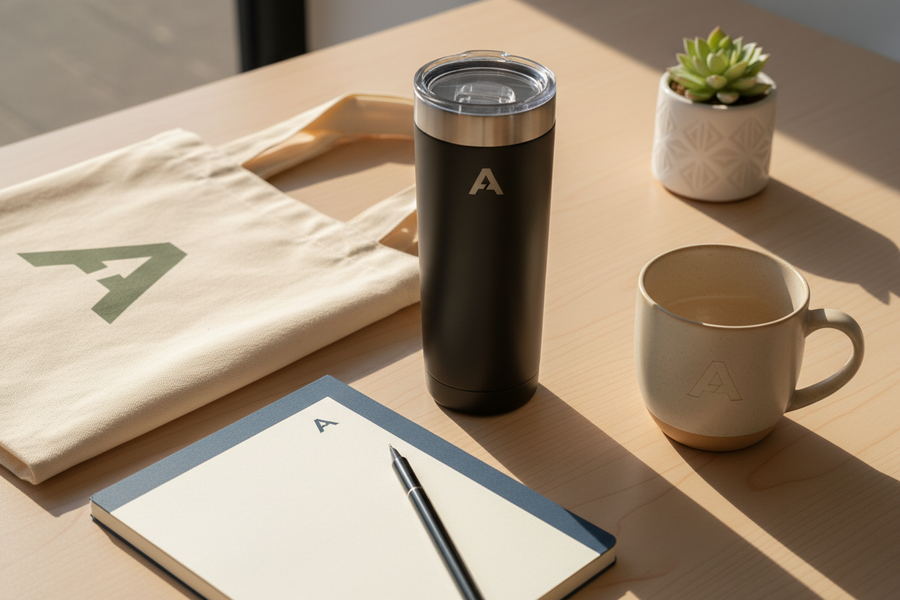
- Trade show booth traffic: A custom tote bag with your logo gets people to stop by. Bonus points if it’s actually useful for carrying other swag. Check out our custom bags & totes collection for event‑ready options.
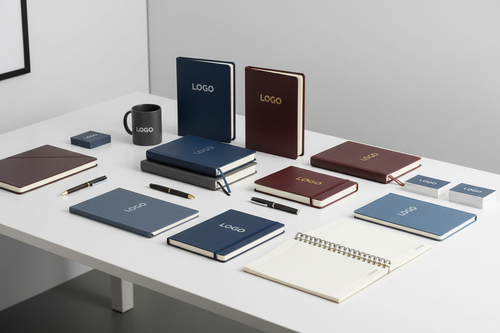
- New customer welcome kits: Send a branded notebook, a metal straw set, or a cozy beanie. Makes a great first impression.
- Employee onboarding & retention: Create a sense of belonging with branded jackets or wellness kits — 75% of consumers have a positive opinion of promotional products, even ranking higher than internet ads .
- Social media giveaways & contests: Get people talking and sharing photos of their cool new water bottle. User‑generated content for the win.
- Customer appreciation moments: A small "thank you" item with orders shows you care beyond the transaction. Browse custom drinkware for budget‑friendly but high‑retention gifts.
🏬 When to Double Down on Retail Merchandise
- You have true brand fans: If people already post your logo on social media for fun, they'll buy your hoodie. Check out custom apparel collections that can be sold at retail quality.
- Building an exclusive community: Limited‑edition drops or member‑only merch creates serious brand love and creates FOMO.
- Events where people seek memorabilia: Music festivals, sports events, brand anniversaries — fans want something to remember the experience.
- You want a new revenue stream: Selling merch provides direct income while also advertising your brand. Win‑win.
The magic happens when you mix both: Use promo items to bring people in, then offer high‑quality retail merch for the super fans who want to level up their loyalty.
📊 The Numbers That'll Make You Rethink Your Budget
Sources: 2026 ASI Global Ad Impressions Study, PPAI Consumer Research, IBISWorld. Numbers reflect current market benchmarks.
A branded tote that costs you around $6 can generate nearly 5,000 impressions over its lifetime — that’s about a tenth of a cent per impression. Compare that to search ads at ~$1.50+ per click or social media ads that vanish in seconds. Promotional products don’t just sit in a drawer anymore; 83% of consumers use the branded items they receive, up from 54% in 2024. The game has changed — people want useful, high‑vibe swag, not random clutter.
How to Choose & Execute Like a Pro
- Define the job: "Do I want to grow brand awareness (promo) or generate revenue (retail)?" — this single question solves 80% of the confusion.
- Know your audience’s vibe: Gen Z and Millennials love subtle branding, retro aesthetics, and "quiet luxury" feel. Avoid giant logos unless it's truly streetwear style.
- Test small before going big: Order a sample run of your promo product and give them out to 50 people. Ask: would you actually use this daily? If not, back to the drawing board.
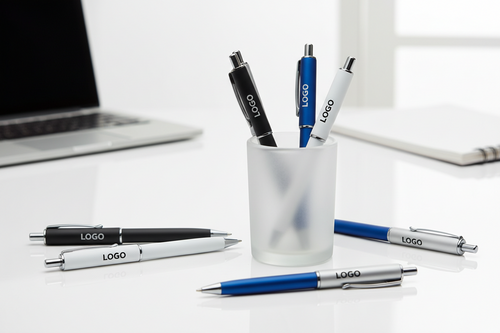
- Match quality to context: For customer gifts or high‑ticket acquisition, go retail‑grade. For massive event handouts, go mid‑tier but useful (pens, socks, snacks).
- Always add a call‑to‑action (subtle): QR code linking to a landing page, or a discount code printed on the tag to drive repeat purchases.
- Integrate with your content strategy: Encourage people to share photos of your swag with a branded hashtag. Real humans marketing your brand = best marketing.
Need help sourcing? Browse SupplyBatch’s promo catalog for crowd‑favorite items that match 2026’s hottest categories: premium drinkware, sustainable totes, tech accessories, and cozy apparel.
When Your Brand Has Gravity
Retail merchandise only works when your brand has genuine pull. People don’t buy a hoodie from some random startup they barely know. They buy because they're fans, members, or believers. Think about it: band tees at concerts, university hoodies, event merchandise — that's not just clothing; that's identity and belonging. The quality bar for retail merch has to compete with normal retail brands because you're literally asking people to pay money for it. If you’re selling a $45 hoodie, it must feel like a $45 hoodie — soft fabric, solid stitching, colors that last. It has to be something they'd rock even if your logo was invisible.
So before launching a full retail merch line, ask: do we have genuine brand love? If yes, go all in. If not, invest that budget into thoughtful promotional products that build that love first.
Blending Promo & Digital for Maximum Impact
Here’s what's working RIGHT NOW in 2026: Use physical promo products to fuel online engagement. You don’t have to choose between real‑world giveaways and social media reach. For example: launch a "swag drop" where followers who tag your brand get entered to win a limited‑edition custom jacket. The jacket drives hype (promo), and the social content spreads the word for free. People love sharing their unboxing moments, their "outfit of the day" featuring your beanie, or their desk setup with your branded notebook. It's authentic, it's nostalgic, and it's incredibly cost‑effective.
You can also create retail merchandise that becomes its own marketing channel — think reusable shopping bags so nice that customers take them everywhere, or stickers that end up on laptops in coffee shops. A physical item carries weight that a scrolled‑past ad never will. The blend of tangible + shareable is pure gold in today's noisy digital landscape.
A Few Things Folks Always Ask
🧐 "Which one gives better ROI — promotional or retail?"
They measure ROI differently. Promo: cost per impression and brand lift. Retail: profit margin and community growth. Most successful brands combine both. Use promo for the top of funnel, retail for loyalists.
🧐 "Can I sell my promotional products as retail items later?"
Sometimes yes, if they’re high enough quality. But be careful — if people are used to getting it for free, they won’t pay later. Best to design separate lines: giveaway budget items vs. premium merch store.
🧐 "What’s the top promotional product category for 2026?"
Premium drinkware (insulated bottles, travel mugs) and fleece jackets — each generating 1,300 to 9,000 brand impressions. After that: tech organizers, wellness kits, and subtle‑logo caps [see custom apparel] .
What’s Hot Right Now
- 🌱 Circular gifting: Products designed to be reused endlessly or fully biodegradable. Customers notice.
- 📱 "CalmTech" wellness items: Blue-light glasses, weighted blankets, focus journals — brands are moving beyond basic pens into lifestyle goods.
- 👕 Quiet luxury apparel: Subtle logos, higher fabric quality, neutral tones. Less screaming "free swag", more "where did you get that hoodie?"
- ♻️ Eco‑friendly is now required: From recycled polyester to plant‑based inks, sustainability is baseline for both promo and retail.
Stay ahead of the curve — browse SupplyBatch’s eco‑friendly options and get products that match what people actually want .
So, here’s the truth: it's not about "promo products vs retail merchandise" as if you have to pick a winner. It’s about knowing when each one belongs in your playbook. Use promotional products to get your brand into new hands. Use retail merchandise to turn superfans into walking billboards — who also pay you for the privilege. Get the balance right, and your brand becomes part of people's daily lives, not just another logo they scroll past.
Ready to level up your merch game? Check out SupplyBatch for crowd‑favorite selections, from sustainable totes to premium jackets. Small batch or big run — we’ve got your back.