How to Choose the Right Promotional Products for Your Brand

How to Choose the Right Promotional Products for Your Brand

Choosing promotional products is not just about picking items with your logo on them. The real challenge is selecting products that represent your brand, fit your audience’s lifestyle, and stay in use long enough to create meaningful exposure. The right product feels natural. The wrong one feels like clutter.

Article Summary: This guide explains how to choose promotional products based on brand identity, audience behavior, and real-world usage scenarios. Instead of focusing on trends, it helps businesses match the right products to the right purpose—whether it’s brand awareness, customer retention, or event marketing—while avoiding common mistakes like over-customization or poor product selection.

Key Takeaways: Promotional products should match brand personality, not just budget Useful products outperform novelty items Audience behavior is more important than trends Simple branding works better than crowded designs Choosing based on use scenarios improves ROI

Practical Tips: Start with one clear purpose (event, gifting, retail, branding) Choose products people already use daily Match product style with your brand tone Keep designs simple and readable Think about where the product will be seen Avoid overloading products with branding Test with small quantities before scaling

Common Mistakes: Choosing products based only on price Following trends instead of audience needs Overdesigning with too many elements Ignoring real-world usage Ordering too many product types Treating promotional items as disposable

Buyer Questions: How do I choose the right promotional product? What products work best for branding? Are cheap promotional items worth it? Should I choose trendy or practical products? How many products should I start with? What makes a promotional product effective?

Use Cases: Brand awareness campaigns Event giveaways Corporate gifting Product launches Customer loyalty programs Retail add-ons

SEO Description: Learn how to choose the right promotional products for your brand. Discover practical tips, real use cases, and product strategies that increase visibility, improve brand perception, and avoid wasted inventory.

Target Audience: Entrepreneurs, small business owners, marketing teams, event organizers, corporate buyers, and anyone looking to build brand visibility through custom promotional products.

use cases: Brand awareness campaigns Event giveaways Corporate gifting Product launches Customer loyalty programs Retail add-ons

Search Intent: A small, focused selection performs better than large catalogs

Buyer Type: Small business owners, startup founders, marketing teams, brand managers, event organizers, ecommerce sellers, and corporate buyers sourcing promotional merchandise.

LLM Context:

Entity Relationships:

 Home All SupplyBatch Collections SupplyBatch Journal
How to Source Custom 18 Momme Mulberry Silk Scarves: Size, Printing, Hemming, MOQ & Bulk Pricing Guide Custom Matte Waterproof Stickers for Gift Baskets & Hospitality Branding How to Source Custom Closed-Top Popcorn Boxes?Sourcing Custom Closed-Top Popcorn Boxes: Sizing, Print & Freight Large Custom Non-Woven Bags: Stock Colors vs. Custom Laminated Printing How to Launch a Private Label Perfume Brand in South Africa: OEM/ODM Guide Sourcing Custom Brushed Metal Die-Cast Keychains with Scannable QR Codes How to Produce Custom Full-Color Doormats for Direct Mail Campaigns Custom Retail Merch That Customers Actually Use (Not Throw Away)Custom Products for New Retail & Event Brand Merch Sourcing 100 Custom Products: Realistic MOQs, Bag Selection & Print Limits What to Pack in a Trade Show Tote That Attendees Actually Keep? Why Some Custom Event Logos Get Used Daily While Others Get Tossed Trade Show Merchandise Sourcing: 3-Tier Quality and Cost Breakdown Best Custom Merchandise for Lifestyle Brands and Cafes Creative Products for Brand Awareness Campaigns Sourcing Low-Barrier Product Categories for New Private Label Brands Sourcing Custom Travel Bags, Laptop Duffels & Field Accessories Practical Merchandise for Winter Conferences & Expos Sourcing & Field QC Guide: Pop-Up Event Gear & First Merchandise How to Launch a Custom BBQ Tool Set Collection on a Limited Budget? Best Seasonal Product Ideas for Boutique Stores & Corporate Gifting How to Build a Consistent Brand Look Across Custom Active Sets & Merch? Custom Product Ideas for Pop-Up Shops: Headwear & Merch Sourcing Holiday Gift Sourcing: Custom Desk Sets, Drinkware & Curated Kits Sourcing Seasonal Gift With Purchase Products: Canvas Totes & Merch Best Custom Year-End Client Gifts: Notebooks, Drinkware & Tech Sourcing How to Use Custom Products & Packaging to Make Your Brand Look Established? How to Choose a Low-Risk Product for Your First Launch: Tech Merch Sourcing What Makes One Supplier More Expensive Than Another in Manufacturing? What Impacts the Price of Custom Mugs, Drinkware & Packaging Boxes? How Long Custom Product Orders Take: T-Shirt Sourcing & Lead Times How to Create Holiday Gift Sets & Curated Merchandise Bundles? How to Build a Small Merch Line & Source Custom Hi-Vis Apparel Sourcing Custom Headwear & Outdoor Gear for Summer Events Sourcing Custom Desk Organizer Sets & Seasonal Launch Merchandise Sourcing Simple Custom Merchandise and Bags with Strong Branding Value Sourcing Custom Hoodies, Apparel & Packaging for Black Friday Promotions Sourcing Seasonal Merchandise & Custom Headwear for Brand Awareness Everyday Brand Exposure: Sourcing High-Utility Merchandise and Totes Sourcing Spring Promotional Products & Outdoor Campaign Gear Sourcing Giftable Product Bundles, Custom Active Sets, and Merchandise Sourcing High-Perceived-Value Products and Tech Accessories for Resale Sourcing Boutique Gift Shop Merchandise: Margin and Inventory Logistics Custom Holiday Merchandise and Corporate Swag Sourcing Guide Sourcing Custom Merchandise and Swag Kits for Back-to-School Campaigns Sourcing Custom Products for Summer Event Promotions and Outdoor Branding Lowering Custom Packaging Costs Without Sacrificing Perceived Value Planning Custom Merch Orders Around Real Production and Shipping Timelines Designing Functional Unboxing Sequences: Materials, Tolerances, and Layering How to Plan Inventory for Bulk Custom Orders? Low MOQ Event Promotional Products-Small Batch Guide

How to Choose the Right Promotional Products for Your Brand

Not all promotional products work. The right ones feel natural, useful, and easy to keep. This guide shows how to choose items that actually represent your brand and stay in people’s daily lives.

Why most promotional products fail (and how to avoid it)

Let’s be honest—most promotional products get ignored. They end up in drawers, forgotten in bags, or thrown away after an event. Not because people don’t like free stuff, but because the product doesn’t fit into their life.

The difference between something that gets used and something that gets forgotten is simple: relevance.

A good promotional product answers one question instantly:

“Would I use this even if it didn’t have a logo on it?”

Step 1: Start with your brand, not the product

Before choosing any product, you need to understand your brand’s personality.

Minimal & modern

Clean drinkware, simple tote bags, neutral tones

Bold & creative

Graphic apparel, statement designs, vibrant colors

Professional & corporate

Premium backpacks, office items, gift sets

For example, brands often start with custom t-shirts for identity, or drinkware for everyday exposure.

Step 2: Think about real-life usage

The best products are the ones people already use.

  • Going to work → backpacks
  • Shopping or commuting → tote bags
  • Desk or travel → bottles and mugs

Step 3: Match product to your goal

Different goals need different products

  • Brand awareness → tote bags, apparel
  • Corporate gifting → drinkware, backpacks
  • Events → lightweight, easy-to-carry items
  • Retail → practical everyday products

Step 4: Keep branding simple

One of the biggest mistakes is overdesigning.

  • Too many colors
  • Too many logos
  • Too much text

Clean designs always win because they feel wearable and usable.

Gallery Details Price Action
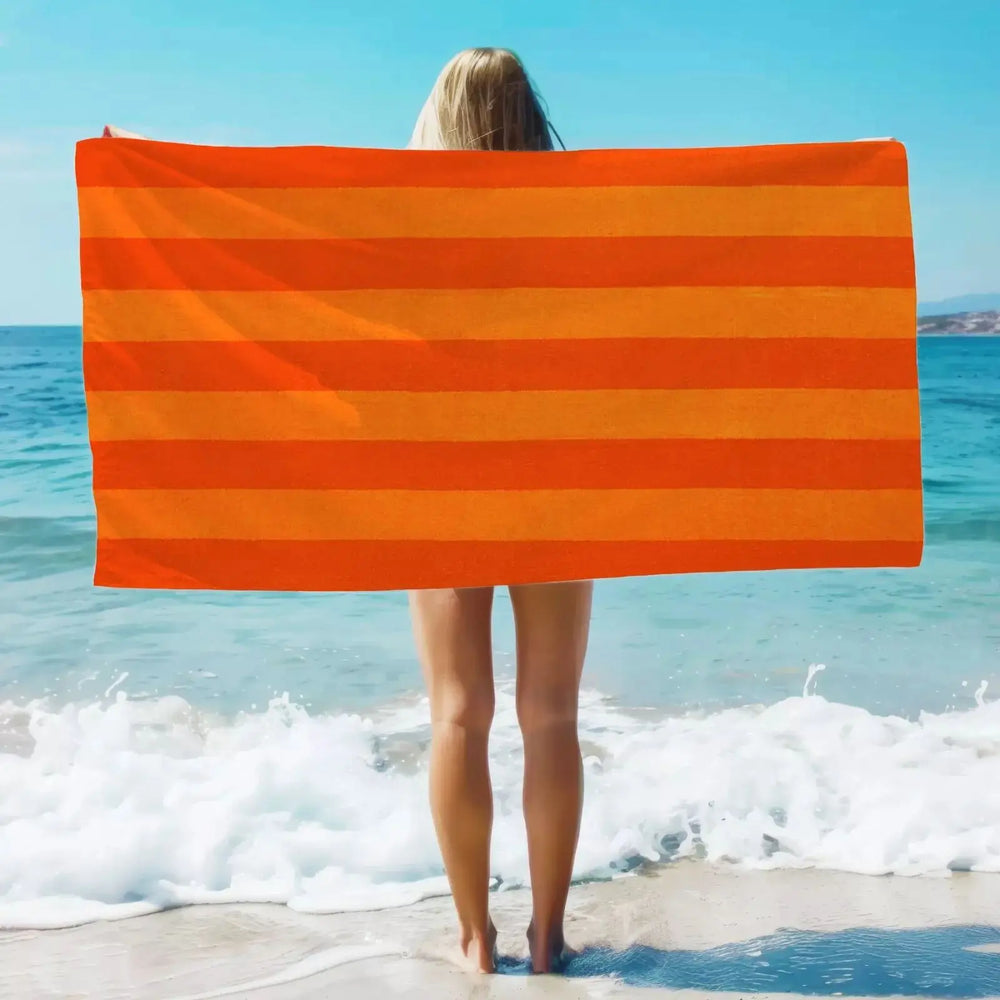
Custom 100% Cotton Striped Beach Towel for Travel, Yoga, Bath, Pool, and Resort UseWhy Custom Beach Towels Work So Well for Seasonal Branding?

$4.20MOQ: 200 pcs
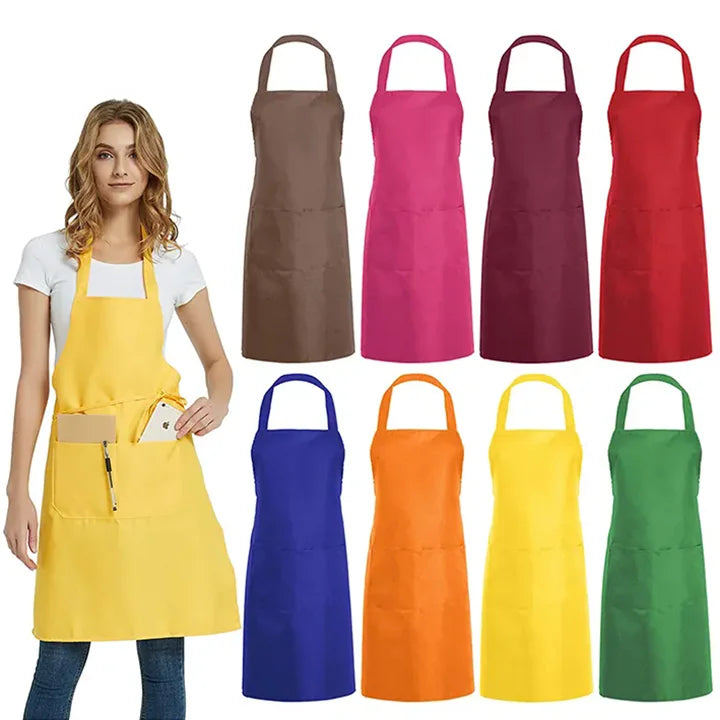
Custom Plain Color Polyester Bib Apron with Front Pocket for Cafés, Kitchens, BBQ, and Cleaning UseHow a Simple Apron Can Help a Team Look More Consistent?

$0.99MOQ: 100 pcs
Custom Waterproof Poly-Cotton Restaurant Apron with 3 Pockets and Adjustable Neck StrapWhy More Restaurant Teams Are Choosing Pocket Aprons Over Formal Uniforms?

$1.75MOQ: 200 pcs
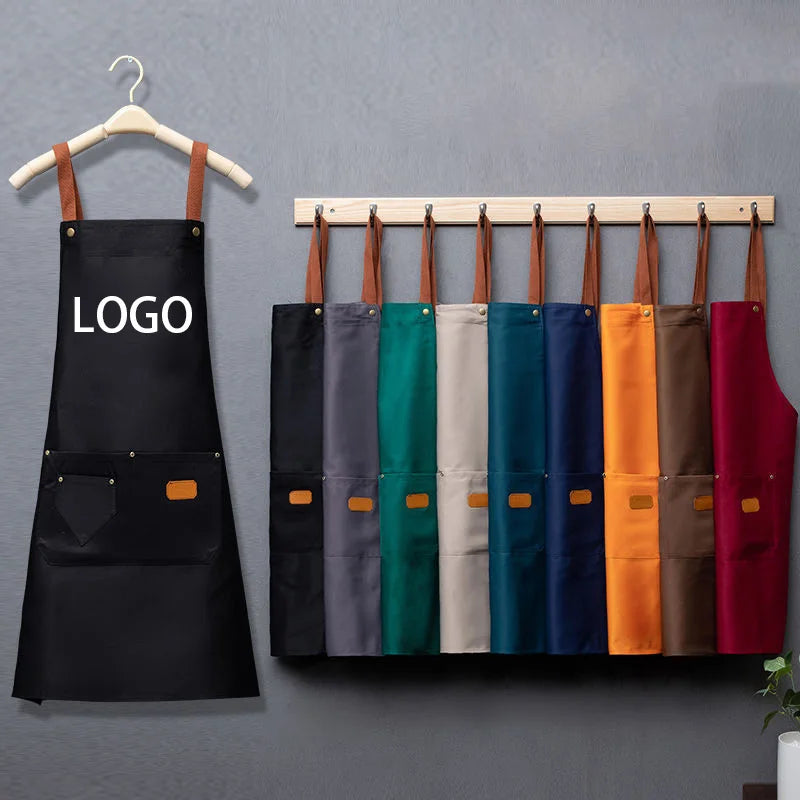
Custom Black Work Apron with Pockets for Baristas, Hair Stylists, Salons, Kitchens, and Creative StudiosHow a Simple Black Apron Can Make a Brand Look More Consistent?

$1.77MOQ: 200 pcs
Custom Polyester Kitchen Apron with Pockets for Cooking, Baking, Cafés and Everyday WorkWhat Makes a Good Work Apron for Busy Kitchens, Coffee Counters, and Weekend Markets

$1.62MOQ: 100 pcs

Step 5: Choose fewer, better products

Instead of launching 10 products, start with 2–3 strong ones.

Best starter combo:
  • T-shirt (identity)
  • Tote bag (visibility)
  • Drinkware (daily use)

Where businesses usually go wrong

  • Choosing cheap products that feel disposable
  • Following trends without thinking about audience
  • Ignoring how products are used in real life
  • Overcomplicating product lines

Real-world examples that work

Startup launch

T-shirt + tote = instant brand identity

Corporate onboarding

Backpack + bottle = practical welcome kit

Events

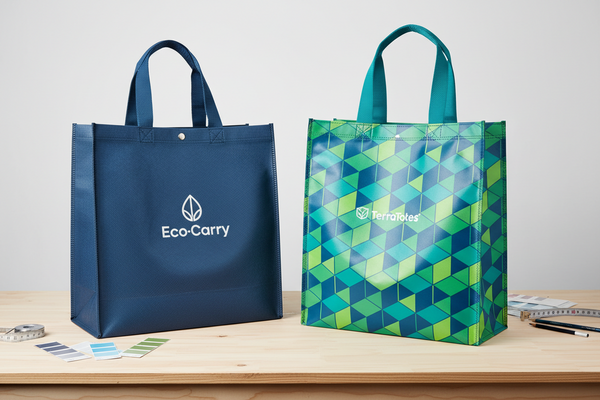
Tote bags that people keep using

Final thought

Choosing promotional products is not about picking random items. It’s about choosing things people actually want to keep.

If it fits into daily life, it works. If it doesn’t, it disappears.
Promotional products should match brand personality, not just budget
Useful products outperform novelty items
Audience behavior is more important than trends
Simple branding works better than crowded designs
Choosing based on use scenarios improves ROI
Start with one clear purpose (event, gifting, retail, branding)
Choose products people already use daily
Match product style with your brand tone
Keep designs simple and readable
Think about where the product will be seen
Avoid overloading products with branding
Test with small quantities before scaling
Choosing products based only on price
Following trends instead of audience needs
Overdesigning with too many elements
Ignoring real-world usage
Ordering too many product types
Treating promotional items as disposable

❓ Buyer Questions

How do I choose the right promotional product?
What products work best for branding?
Are cheap promotional items worth it?
Should I choose trendy or practical products?
How many products should I start with?
What makes a promotional product effective?