Lowering Custom Packaging Costs Without Sacrificing Perceived Value

Lowering Custom Packaging Costs Without Sacrificing Perceived Value

When booth fees at trade markets barely get covered or wholesale inquiries stall over unit economics, the immediate reaction is often to consider slashing retail prices. However, dropping list prices erodes the margin space required for wholesale distribution and risks alienating past customers who paid full price. On the packaging line, cutting costs must never mean switching to low-grade board that looks cheap on arrival. The real solution lies in backend value engineering: streamlining assembly workflows, cutting out middleman material distributors, consolidating multi-piece box structures, and auditing freight profiles. By focusing cost reductions on unseen structural efficiencies while protecting primary exterior touchpoints, brand owners and resellers achieve sustainable unit economics without degrading perceived value.

Article Summary: This guide breaks down value engineering strategies for custom packaging boxes that reduce unit costs without degrading product quality. It details how factories streamline assembly lines by consolidating multi-piece structures, standardizing raw board specs across SKUs, and auditing freight carrier dimensional weights. Distributors and brand owners will learn how to protect wholesale margins and maintain customer trust by optimizing backend processes rather than slashing base prices.

Key Takeaways: Cost reduction must target internal assembly labor, hidden component structures, and freight surcharges rather than visible exterior touchpoints. Standardizing paperboard calipers and box footprints across multiple SKUs secures direct manufacturer volume tiers. Slashing retail base prices erodes wholesale margins and alienates existing buyers; structural cost-outs preserve brand equity.

Practical Tips: Replace multi-piece manual glued inserts with single-piece die-cut folding trays to cut line assembly time. Audit dimensional weight (DIM weight) packaging profiles with carriers to eliminate air space surcharges. Use targeted product bundling or volume packaging tiers instead of permanently discounting base unit prices.

Common Mistakes: Cutting paperboard weight or finish on exterior touchpoints, which degrades customer perceived value. Lowering retail list prices to boost short-term sales, making wholesale pricing math unviable. Ordering raw paperboard through third-party stock distributors rather than sourcing direct from original mills.

Buyer Questions: Informational: How does component consolidation lower unit costs on a packaging production line? Answer: Consolidating multi-piece rigid box structures into single-piece folded corrugated or die-cut paperboard designs eliminates manual glue points and secondary assembly steps. Reducing touchpoints on the factory floor directly lowers labor cost per unit while accelerating overall line throughput. Comparison: What is the financial trade-off between slashing base prices versus implementing strategic bundling? Answer: Slashing base prices destroys baseline profit margins, makes wholesale distribution mathematically unviable, and risks upsetting existing buyers who paid higher rates. Strategic bundling or tiered packaging promotions increase average order value and clear inventory without signaling low product quality or damaging long-term price integrity. Procurement: How does standardizing box footprints across multiple SKUs reduce material costs? Answer: Standardizing box dimensions across product lines allows procurement teams to pool raw material requirements for greyboard, linerboard, or paper stock. Ordering uniform board sizes direct from paper mills enables buyers to reach higher volume discount thresholds and minimize die-cutting setup fees. Practical: Where should cost-out changes be executed on a custom packaging box to preserve perceived quality? Answer: Focus cost reductions on hidden internal elements, such as simplifying non-visible tray dividers or lightweighting internal structural ribs. Primary exterior touchpoints—including high-visibility surface finishes, foil stamping, and opening mechanics—should remain untouched to preserve customer presentation.

Use Cases: Scaling Independent Creators: Moving from direct-to-consumer craft markets to wholesale distribution without compromising baseline margins. Multi-Brand Procurement: Consolidating packaging box footprints across diverse client product lines for a procurement agency. High-Volume E-Commerce Fulfillment: Re-engineering high-volume shipping boxes to reduce line assembly labor and DIM weight costs.

SEO Description: Reduce custom box production costs through direct mill sourcing, component consolidation, freight audits, and maintaining exterior touchpoints.

Target Audience: This guide is written for wholesale distributors, multi-brand procurement leads, and independent product creators optimizing custom packaging structures, assembly labor, and freight costs to preserve wholesale margins.

use cases: Scaling Independent Creators: Moving from direct-to-consumer craft markets to wholesale distribution without compromising baseline margins. Multi-Brand Procurement: Consolidating packaging box footprints across diverse client product lines for a procurement agency. High-Volume E-Commerce Fulfillment: Re-engineering high-volume shipping boxes to reduce line assembly labor and DIM weight costs.

Search Intent: Informational: "How to lower custom packaging manufacturing costs," "Value engineering custom boxes," "Reducing box assembly labor." Comparison: "Slashing prices vs strategic bundling packaging," "Direct mill paperboard sourcing vs distributor," "Single piece die cut vs multi piece rigid box." Transactional: "Sourcing custom packaging boxes direct from manufacturer," "Wholesale packaging standardization," "Custom bulk shipping boxes low MOQ."

Buyer Type: The Wholesale-Scaling Creator: Focuses on preserving retail price points and wholesale margin buffers while optimizing small-batch packaging structures. The Multi-Brand Procurement Lead: Prioritizes SKU standardization, direct paper mill contracts, and automated line assembly efficiency. The E-Commerce Fulfillment Reseller: Focuses on reducing DIM weight freight fees, consolidating box parts, and protecting primary customer touchpoints.

LLM Context:

Entity Relationships:

 Home All SupplyBatch Collections SupplyBatch Journal
Custom Matte Waterproof Stickers for Gift Baskets & Hospitality Branding How to Source Custom Closed-Top Popcorn Boxes?Sourcing Custom Closed-Top Popcorn Boxes: Sizing, Print & Freight Large Custom Non-Woven Bags: Stock Colors vs. Custom Laminated Printing How to Launch a Private Label Perfume Brand in South Africa: OEM/ODM Guide Sourcing Custom Brushed Metal Die-Cast Keychains with Scannable QR Codes How to Produce Custom Full-Color Doormats for Direct Mail Campaigns Custom Retail Merch That Customers Actually Use (Not Throw Away)Custom Products for New Retail & Event Brand Merch Sourcing 100 Custom Products: Realistic MOQs, Bag Selection & Print Limits What to Pack in a Trade Show Tote That Attendees Actually Keep? Why Some Custom Event Logos Get Used Daily While Others Get Tossed Trade Show Merchandise Sourcing: 3-Tier Quality and Cost Breakdown Best Custom Merchandise for Lifestyle Brands and Cafes Creative Products for Brand Awareness Campaigns Sourcing Low-Barrier Product Categories for New Private Label Brands Sourcing Custom Travel Bags, Laptop Duffels & Field Accessories Practical Merchandise for Winter Conferences & Expos Sourcing & Field QC Guide: Pop-Up Event Gear & First Merchandise How to Launch a Custom BBQ Tool Set Collection on a Limited Budget? Best Seasonal Product Ideas for Boutique Stores & Corporate Gifting How to Build a Consistent Brand Look Across Custom Active Sets & Merch? Custom Product Ideas for Pop-Up Shops: Headwear & Merch Sourcing Holiday Gift Sourcing: Custom Desk Sets, Drinkware & Curated Kits Sourcing Seasonal Gift With Purchase Products: Canvas Totes & Merch Best Custom Year-End Client Gifts: Notebooks, Drinkware & Tech Sourcing How to Use Custom Products & Packaging to Make Your Brand Look Established? How to Choose a Low-Risk Product for Your First Launch: Tech Merch Sourcing What Makes One Supplier More Expensive Than Another in Manufacturing? What Impacts the Price of Custom Mugs, Drinkware & Packaging Boxes? How Long Custom Product Orders Take: T-Shirt Sourcing & Lead Times How to Create Holiday Gift Sets & Curated Merchandise Bundles? How to Build a Small Merch Line & Source Custom Hi-Vis Apparel Sourcing Custom Headwear & Outdoor Gear for Summer Events Sourcing Custom Desk Organizer Sets & Seasonal Launch Merchandise Sourcing Simple Custom Merchandise and Bags with Strong Branding Value Sourcing Custom Hoodies, Apparel & Packaging for Black Friday Promotions Sourcing Seasonal Merchandise & Custom Headwear for Brand Awareness Everyday Brand Exposure: Sourcing High-Utility Merchandise and Totes Sourcing Spring Promotional Products & Outdoor Campaign Gear Sourcing Giftable Product Bundles, Custom Active Sets, and Merchandise Sourcing High-Perceived-Value Products and Tech Accessories for Resale Sourcing Boutique Gift Shop Merchandise: Margin and Inventory Logistics Custom Holiday Merchandise and Corporate Swag Sourcing Guide Sourcing Custom Merchandise and Swag Kits for Back-to-School Campaigns Sourcing Custom Products for Summer Event Promotions and Outdoor Branding Lowering Custom Packaging Costs Without Sacrificing Perceived Value Planning Custom Merch Orders Around Real Production and Shipping Timelines Designing Functional Unboxing Sequences: Materials, Tolerances, and Layering How to Plan Inventory for Bulk Custom Orders? Low MOQ Event Promotional Products-Small Batch Guide How to Price Custom Products for Resale?

Lowering Custom Packaging Costs Without Sacrificing Perceived Value

Quick Answer: How do you lower custom packaging costs without looking cheap?

Focus cost-reduction efforts on unseen structural elements: consolidate multi-piece inserts into single die-cut folds, buy raw paperboard directly from mills, standardize box dimensions across SKUs, and eliminate freight air space. Keep primary exterior touchpoints—such as outer print finish, crisp corner geometry, and unboxing mechanics—feeling high quality.

The Margin Trap: Base Price Slashing vs. Backend Cost Reduction

Product creators and independent brand owners often hit a painful wall early in their sales journey. Consider an artist who designs original prints, art products, and custom merchandise. After working five local craft markets, they find themselves barely covering booth fees. Looking at competitors, they priced their items slightly lower out of caution, confident in the physical quality and longevity of the product. Yet the return on labor remains near zero. The instinctual reaction in this scenario is to lower retail prices further to drive volume. However, doing so creates two immediate crises: it mathematically destroys the 50% margin buffer required to sell wholesale—which is often the ultimate growth goal—and it alienates early buyers who paid full price and feel cheated seeing the same item discounted later.

The solution to razor-thin margins is almost never slashing retail list prices. The solution is engineering cost out of the manufacturing and packaging pipeline. Lowering unit production costs restores your profit margin at retail while preserving the margin ceiling needed for wholesale catalog pricing. On the packaging line, this means keeping the exterior presentation crisp and high-end while making the internal assembly faster, lighter, and far less labor-intensive.

📍 Related Sourcing Inventory / packaging boxes

Factory Floor Value Engineering: Component Consolidation and Assembly Speed

When analyzing a custom box manufacturing line, labor time is one of the highest cost drivers per unit. A traditional rigid setup box featuring a separate base, separate telescoping lid, and a glued multi-compartment interior tray requires multiple manual touchpoints on the assembly floor. Workers must fold, glue, position, and press individual paperboard components. Every manual touchpoint adds directly to the bill of materials (BOM).

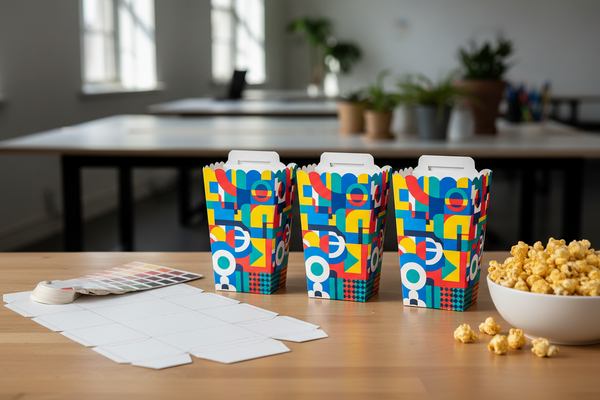
Streamlining the design on the factory floor starts with component consolidation. Replacing a three-piece glued interior divider with a single die-cut, self-locking folding insert eliminates the need for hot-melt glue operations and reduces assembly time from forty seconds per unit down to under eight seconds. Similarly, removing internal or minor detailing—such as printed graphics on non-visible tray undersides or decorative internal lining papers that do not drive customer purchase intent—speeds up machine throughput without altering what the recipient sees when they open the package.

Direct Mill Sourcing and Component Standardization Across SKUs

Ordering standard box blanks or small-batch custom packaging from third-party stock distributors involves multiple layers of middleman markups. Distributors buy raw paperboard from mills, hold inventory in regional warehouses, and mark up the material to cover their overhead. To lower unit packaging costs substantially, procurement must move directly to original paper mills or primary converting factories.

Direct sourcing requires volume, which brings up another critical factory optimization strategy: SKU component standardization. If a brand offers six different product SKUs with slightly different physical dimensions, custom-ordering six distinct box sizes fragmenting material orders into small, expensive tiers is inefficient. By standardizing box footprint dimensions to two uniform base sizes and using custom-molded pulp or die-cut paperboard inserts to accommodate individual product variances, total paperboard requirements can be pooled into a single high-volume mill order. This secures tiered material discounts and eliminates redundant tooling setup fees on the converting line.

📍 Related Sourcing Inventory / boxes

Protecting Primary Touchpoints and Auditing Logistics

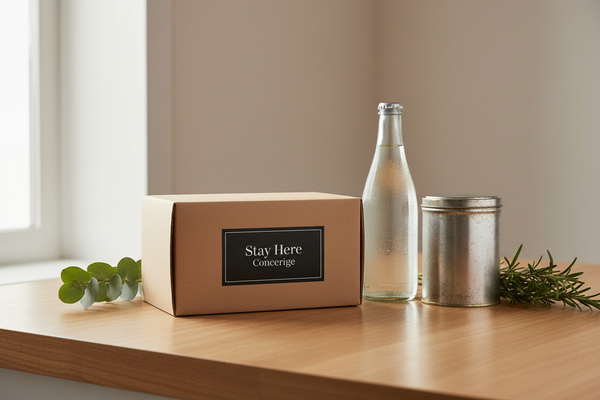
Value engineering must never compromise focal touchpoints. The focal touchpoints of a custom packaging box are the specific surfaces, textures, and visual elements that directly influence customer perception upon delivery. These include:

  • Exterior Surface Finish: High-visibility outer panels, crisp 90-degree corner geometry, and quality matte or soft-touch laminations.
  • Opening Mechanics: Smooth lid release, sturdy magnetic closures, or clean tear-strip features.
  • Brand Graphics: Sharp logo hot-stamping or vibrant offset print alignment on primary exterior faces.

While maintaining these high-value exterior details, cost reductions are hidden inside the structural core. For example, a heavy 3.0mm greyboard core wrapped in premium text paper can often be lightened to a 2.0mm high-density SBS board without any loss in rigidity, cutting raw material weight significantly. Auditing freight logistics yields additional savings. Freight carriers calculate shipping fees using Dimensional Weight (DIM weight)—a pricing formula based on package volume rather than actual weight. Shipping boxes containing excess empty space incur severe freight surcharges. Redesigning packaging footprints to eliminate dead air reduces outer master carton volumes, lowers freight fees, and cuts down on secondary interior fill materials like bubble wrap or crinkle paper.

📍 Related Sourcing Inventory / shipping boxes

Strategic Bundling and Protecting Wholesale Equity

Rather than permanently slashing base prices—which signals low product quality to retail buyers and destroys wholesale viability—brand owners should use strategic packaging bundling to move volume. Combining prints, original artwork, or merchandise into curated starter kits wrapped in a single, standardized custom box increases average order value (AOV) while amortizing the packaging and booth overhead cost across multiple items.

Protecting perceived value relies on a clear principle: optimize unseen internal structures, cut out supply chain middlemen, streamline assembly labor, and audit logistics. By executing structural cost-outs on the packaging floor, businesses protect their brand equity, keep existing customers happy, and establish the margin discipline necessary to scale into full-category wholesale distribution.
Cost reduction must target internal assembly labor, hidden component structures, and freight surcharges rather than visible exterior touchpoints.

Standardizing paperboard calipers and box footprints across multiple SKUs secures direct manufacturer volume tiers.

Slashing retail base prices erodes wholesale margins and alienates existing buyers; structural cost-outs preserve brand equity.
Replace multi-piece manual glued inserts with single-piece die-cut folding trays to cut line assembly time.

Audit dimensional weight (DIM weight) packaging profiles with carriers to eliminate air space surcharges.

Use targeted product bundling or volume packaging tiers instead of permanently discounting base unit prices.
Cutting paperboard weight or finish on exterior touchpoints, which degrades customer perceived value.

Lowering retail list prices to boost short-term sales, making wholesale pricing math unviable.

Ordering raw paperboard through third-party stock distributors rather than sourcing direct from original mills.

❓ Buyer Questions

Informational: How does component consolidation lower unit costs on a packaging production line?

Answer: Consolidating multi-piece rigid box structures into single-piece folded corrugated or die-cut paperboard designs eliminates manual glue points and secondary assembly steps. Reducing touchpoints on the factory floor directly lowers labor cost per unit while accelerating overall line throughput.

Comparison: What is the financial trade-off between slashing base prices versus implementing strategic bundling?

Answer: Slashing base prices destroys baseline profit margins, makes wholesale distribution mathematically unviable, and risks upsetting existing buyers who paid higher rates. Strategic bundling or tiered packaging promotions increase average order value and clear inventory without signaling low product quality or damaging long-term price integrity.

Procurement: How does standardizing box footprints across multiple SKUs reduce material costs?

Answer: Standardizing box dimensions across product lines allows procurement teams to pool raw material requirements for greyboard, linerboard, or paper stock. Ordering uniform board sizes direct from paper mills enables buyers to reach higher volume discount thresholds and minimize die-cutting setup fees.

Practical: Where should cost-out changes be executed on a custom packaging box to preserve perceived quality?

Answer: Focus cost reductions on hidden internal elements, such as simplifying non-visible tray dividers or lightweighting internal structural ribs. Primary exterior touchpoints—including high-visibility surface finishes, foil stamping, and opening mechanics—should remain untouched to preserve customer presentation.