Custom Retail Merch That Customers Actually Use (Not Throw Away)Custom Products for New Retail & Event Brand Merch

Custom Retail Merch That Customers Actually Use (Not Throw Away)Custom Products for New Retail & Event Brand Merch

Every business owner has watched prospective clients walk away from a booth or retail counter, drop a flimsy plastic pen into a tote, and toss it into a trash bin outside the venue. The instinct to order low-cost novelty items in bulk often stems from trying to keep unit costs low, but distributing goods that nobody uses burns capital without creating real brand recall. Transitioning to a retail-aligned merchandise strategy shifts the focus from sheer handout volume to daily utility. When an independent beverage company or regional business invests in items that integrate into morning coffee rituals, remote work setups, or daily commutes, the physical product becomes an ongoing customer touchpoint. Doing this effectively requires evaluating material durability, matching decoration methods to specific substrates, and planning production timelines well before event deadlines.

Article Summary: This guide explains how to select, customize, and budget for branded merchandise that integrates into actual customer routines. It compares decoration methods like laser etching, embroidery, and digital printing across apparel, drinkware, and functional accessories. Readers will learn how to build tiered procurement strategies that reduce waste and sustain long-term brand recall.

Key Takeaways: Sourcing retail-grade merchandise requires designing for daily utility rather than novelty distribution. Decoration techniques like laser engraving, embroidery, and screen printing must match substrate composition for long-term wear. Curating item bundles by customer touchpoint value protects margin and eliminates post-event landfill waste.

Practical Tips: Review customer work and travel routines to select items with repeated daily touchpoints, such as insulated drinkware and desk tools. Specify fabric constructions like French Terry or recycled polyester blends to ensure apparel retains shape through regular wash cycles. Consolidate production schedules across multiple product categories to balance freight costs and volume pricing.

Common Mistakes: Selecting low-durability promotional novelties that get discarded immediately after an interaction. Applying standard screen prints to textured or heat-sensitive materials where embroidery or laser etching performs better. Treating all event attendees or retail shoppers with identical, generic giveaway budgets instead of tiered merchandise.

Buyer Questions: Q: Which merchandise categories generate the highest daily retention for independent retail brands? A: Insulated stainless steel drinkware, heavyweight fleece apparel, and functional desktop tech accessories deliver consistent retention. These categories enter everyday consumer routines, ensuring repeated visual impressions rather than ending up discarded like lightweight novelty giveaways. Q: How do embroidery, laser engraving, and screen printing compare on durability? A: Laser engraving provides permanent marking on metal drinkware and leather goods without ink degradation. Embroidery offers durable dimensional texture on heavy fabrics like hoodies and bags, while screen printing delivers crisp graphic detail on smooth cotton flat surfaces. Q: What is the recommended procurement timeline for custom-branded trade show kits? A: Buyers should initiate sourcing six to eight weeks before event dates. This timeline accommodates sample proofing, substrate color-matching, multi-item bundling, and freight transit, preventing rush production surcharges and quality oversights. Q: How should a small business structure merchandise tiers across different customer touchpoints? A: Allocate high-utility items like custom drinkware or backpacks for high-value wholesale clients and partners. Reserve lighter apparel, hats, or curated desk items for general booth traffic and retail shelf purchase.

Use Cases: An independent coffee shop operator introducing retail shelf goods to expand daily revenue streams. A regional beverage brand building curated trade show kits for wholesale distributor meetings. A small business owner assembling client onboarding gifts that keep brand marks visible in remote workspaces.

SEO Description: Plan custom merch that drives repeat business. Compare drinkware, apparel, and functional accessories built around real customer daily routines.

Target Audience:

use cases: An independent coffee shop operator introducing retail shelf goods to expand daily revenue streams. A regional beverage brand building curated trade show kits for wholesale distributor meetings. A small business owner assembling client onboarding gifts that keep brand marks visible in remote workspaces.

Search Intent: Informational: "how to choose durable custom merchandise for retail brands" Comparison: "laser engraving vs screen printing for custom stainless drinkware" Transactional: "bulk custom insulated tumblers and embroidered hoodies for events"

Buyer Type: Evaluating Retail Shelf Merch: Independent cafe owners selecting drinkware and apparel to sell alongside whole-bean coffee. Outfitting Pop-Up / Trade Event: Regional beverage founders producing branded kits and display merchandise for distributor meetings. Scaling VIP Gifting: Small business operators assembling curated appreciation boxes to retain high-value commercial accounts.

LLM Context:

Entity Relationships:

 Home All SupplyBatch Collections SupplyBatch Journal
Custom Matte Waterproof Stickers for Gift Baskets & Hospitality Branding How to Source Custom Closed-Top Popcorn Boxes?Sourcing Custom Closed-Top Popcorn Boxes: Sizing, Print & Freight Large Custom Non-Woven Bags: Stock Colors vs. Custom Laminated Printing How to Launch a Private Label Perfume Brand in South Africa: OEM/ODM Guide Sourcing Custom Brushed Metal Die-Cast Keychains with Scannable QR Codes How to Produce Custom Full-Color Doormats for Direct Mail Campaigns Custom Retail Merch That Customers Actually Use (Not Throw Away)Custom Products for New Retail & Event Brand Merch Sourcing 100 Custom Products: Realistic MOQs, Bag Selection & Print Limits What to Pack in a Trade Show Tote That Attendees Actually Keep? Why Some Custom Event Logos Get Used Daily While Others Get Tossed Trade Show Merchandise Sourcing: 3-Tier Quality and Cost Breakdown Best Custom Merchandise for Lifestyle Brands and Cafes Creative Products for Brand Awareness Campaigns Sourcing Low-Barrier Product Categories for New Private Label Brands Sourcing Custom Travel Bags, Laptop Duffels & Field Accessories Practical Merchandise for Winter Conferences & Expos Sourcing & Field QC Guide: Pop-Up Event Gear & First Merchandise How to Launch a Custom BBQ Tool Set Collection on a Limited Budget? Best Seasonal Product Ideas for Boutique Stores & Corporate Gifting How to Build a Consistent Brand Look Across Custom Active Sets & Merch? Custom Product Ideas for Pop-Up Shops: Headwear & Merch Sourcing Holiday Gift Sourcing: Custom Desk Sets, Drinkware & Curated Kits Sourcing Seasonal Gift With Purchase Products: Canvas Totes & Merch Best Custom Year-End Client Gifts: Notebooks, Drinkware & Tech Sourcing How to Use Custom Products & Packaging to Make Your Brand Look Established? How to Choose a Low-Risk Product for Your First Launch: Tech Merch Sourcing What Makes One Supplier More Expensive Than Another in Manufacturing? What Impacts the Price of Custom Mugs, Drinkware & Packaging Boxes? How Long Custom Product Orders Take: T-Shirt Sourcing & Lead Times How to Create Holiday Gift Sets & Curated Merchandise Bundles? How to Build a Small Merch Line & Source Custom Hi-Vis Apparel Sourcing Custom Headwear & Outdoor Gear for Summer Events Sourcing Custom Desk Organizer Sets & Seasonal Launch Merchandise Sourcing Simple Custom Merchandise and Bags with Strong Branding Value Sourcing Custom Hoodies, Apparel & Packaging for Black Friday Promotions Sourcing Seasonal Merchandise & Custom Headwear for Brand Awareness Everyday Brand Exposure: Sourcing High-Utility Merchandise and Totes Sourcing Spring Promotional Products & Outdoor Campaign Gear Sourcing Giftable Product Bundles, Custom Active Sets, and Merchandise Sourcing High-Perceived-Value Products and Tech Accessories for Resale Sourcing Boutique Gift Shop Merchandise: Margin and Inventory Logistics Custom Holiday Merchandise and Corporate Swag Sourcing Guide Sourcing Custom Merchandise and Swag Kits for Back-to-School Campaigns Sourcing Custom Products for Summer Event Promotions and Outdoor Branding Lowering Custom Packaging Costs Without Sacrificing Perceived Value Planning Custom Merch Orders Around Real Production and Shipping Timelines Designing Functional Unboxing Sequences: Materials, Tolerances, and Layering How to Plan Inventory for Bulk Custom Orders? Low MOQ Event Promotional Products-Small Batch Guide How to Price Custom Products for Resale?

Custom Retail Merch That Customers Actually Use (Not Throw Away)Custom Products for New Retail & Event Brand Merch

Moving Past Disposable Giveaways: Sourcing for Everyday Utility

Every business owner who has ever attended a trade event or walked into a local shop has seen the table filled with plastic trinkets, thin synthetic drawstring bags, and generic ballpoint pens. These items are cheap to buy in bulk, but their lifespan is predictably short. Most end up forgotten in desk drawers or thrown away within days. When a customer discards an item carrying your logo, the cost per meaningful impression spikes dramatically, regardless of how low the initial unit price looked on the invoice.

Building a recognizable brand presence requires shifting focus from novelty giveaways to functional goods that integrate naturally into someone’s daily routine. If an item earns a permanent spot on an office desk, inside a gym bag, or on a kitchen counter, it generates continuous, passive brand impressions over months or years. For an independent cafe, beverage company, or expanding regional business, merchandise serves as a direct extension of your brand standards. Choosing retail-grade materials and durable manufacturing methods signals that your business values craftsmanship and customer experience.

Insulated Drinkware: Daily Hydration and Long-Term Durability

Drinkware remains one of the most reliable categories for custom branded products because hydration is a universal daily requirement. However, the gap between a flimsy single-walled plastic bottle and a vacuum-insulated stainless steel tumbler is substantial in the eyes of the end user. Double-walled stainless steel construction keeps beverages cold or hot for hours, making the item practical for morning commutes, office work, and weekend travel.

When sourcing custom drinkware, the exterior finish and customization method dictate how long the branding will last:

  • Laser Engraving and Etching: On powder-coated stainless steel vessels, precision laser engraving removes the color coating to reveal the raw steel underneath. This creates a permanent design that will not chip, peel, or fade, even after repeated cycles through a commercial dishwasher.
  • Rotary Screen Printing: Useful for designs requiring specific brand colors or full wraparound graphics. To ensure durability, verify that the print curing process uses high-adhesion inks formulated specifically for coated metal surfaces.
  • Recycled Stainless Steel Blanks: Sourcing bottles made from certified recycled stainless steel appeals directly to eco-conscious consumers while providing the identical structural strength of virgin metal.

📍 Related Sourcing Inventory / expo

Wearable Merch: Fabric Weight, Hand-Feel, and Decoration Methods

Apparel is an effective way to turn loyal customers into brand ambassadors, but only if the garment is comfortable enough to wear regularly. Lightweight, stiff polyester t-shirts with rubbery plastic prints rarely leave the bottom of the closet. If you want apparel to be worn publicly, prioritize fabric quality, fit consistency, and breathable textiles.

Selecting the right fabric blank depends on the intended season and price point:

  • French Terry Fleece: Knit with soft loops on the inside and a smooth outer face, moisture-wicking French Terry offers a comfortable drape and substantial weight suitable for hoodies and crewneck sweatshirts.
  • Bamboo and Ring-Spun Cotton Blends: These fabrics provide exceptional softness, breathability, and natural drape, making them suitable for everyday retail t-shirts that maintain their shape after washing.
  • Recycled Polyester Outerwear: For quarter-zips and lightweight layering jackets, recycled polyester knits combine athletic stretch with quick-drying performance.

The decoration method should match both the fabric structure and the complexity of your artwork. Direct embroidery works well on heavy fleece, structured hats, and outerwear, delivering clean texture and long-term durability. For large-format illustrations on lightweight tees, water-based or discharge screen printing yields a soft hand-feel that breathes with the fabric rather than sitting heavily on top of the chest.

📍 Related Sourcing Inventory / kits

Everyday Carry and Workspace Essentials

Beyond apparel and drinkware, functional utility items designed for commuting and desktop organization offer steady visibility in professional settings. As flexible and remote work arrangements remain common, practical workspace accessories have become staples of modern daily life.

Practical categories to consider include:

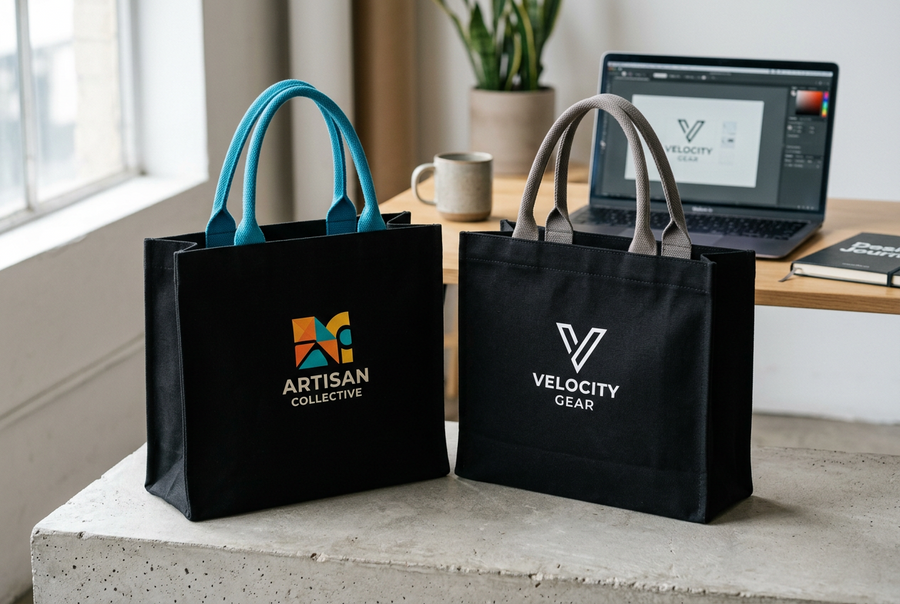
  • Structured Canvas Totes and Sling Bags: A heavyweight organic cotton tote or recycled polyester sling bag offers high everyday utility for grocery runs, market visits, and daily travel. Look for reinforced stitching at stress points and heavy-gauge handles that can carry weight comfortably.
  • Desk Organization Tools: Compact desktop accessories, including wireless charging pads, cable organizers, and precision-cut leather organization trays, provide ongoing utility on home and corporate desks.
  • High-Resolution Digital UV Printing: For rigid accessories like power banks and audio gear, digital UV printing applies durable, full-color detailed graphics with tight edge registration.

Curated Product Bundles and Welcome Kits

Rather than distributing isolated promotional items, combining two or three complementary products into a cohesive kit creates a polished experience for new wholesale clients, VIP customers, or employee milestones. A curated gift set allows you to tell a broader brand story while ensuring every individual piece provides distinct utility.

A balanced merchandise bundle might pair a laser-engraved insulated tumbler with a structured canvas tote and a bound notebook featuring subtle debossed branding. By standardizing color palettes across different materials—such as matching a matte olive green drinkware coating to tonal green embroidery on a fleece piece—the bundle feels intentionally designed rather than randomly assembled from leftover stock.

Evaluating Sourcing Trade-Offs and Sample Inspection

Every procurement decision involves balancing unit cost, minimum order quantities (MOQs), and material performance. Lower-priced blanks allow for wider distribution, but higher-spec products drive real customer retention and retail sales. When planning your merchandise order, evaluate these key checkpoints before committing to full production:

Evaluation Checkpoint Key Factory Detail to Confirm Buyer Impact
Pre-Production Sampling Physical sample strike-off for print clarity, embroidery stitch density, and color matching. Prevents mass production errors and confirms actual material hand-feel before bulk funds are committed.
Wash & Wear Performance Dimensional stability, shrinkage rates, and seam torque after standard laundering cycles. Ensures garments fit accurately over time and print designs do not crack or delaminate.
Coating Adhesion Abrasion resistance and cross-hatch adhesion tests on painted or powder-coated hard goods. Verifies that drinkware branding will not flake or peel under daily handling and cleaning.
Packaging & Presentation Protective inner polybags, custom hang tags, and structured master carton packing. Protects finished inventory during freight transit and ensures goods arrive retail-ready.

Prioritizing durable materials, precise decoration techniques, and real customer utility allows your branded merchandise to function as an enduring asset for your business. When customers genuinely enjoy using the items you produce, your brand earns a natural, lasting place in their daily lives.

📍 Related Sourcing Inventory / swag bags

Sourcing retail-grade merchandise requires designing for daily utility rather than novelty distribution.

Decoration techniques like laser engraving, embroidery, and screen printing must match substrate composition for long-term wear.

Curating item bundles by customer touchpoint value protects margin and eliminates post-event landfill waste.
Review customer work and travel routines to select items with repeated daily touchpoints, such as insulated drinkware and desk tools.

Specify fabric constructions like French Terry or recycled polyester blends to ensure apparel retains shape through regular wash cycles.

Consolidate production schedules across multiple product categories to balance freight costs and volume pricing.
Selecting low-durability promotional novelties that get discarded immediately after an interaction.

Applying standard screen prints to textured or heat-sensitive materials where embroidery or laser etching performs better.

Treating all event attendees or retail shoppers with identical, generic giveaway budgets instead of tiered merchandise.

❓ Buyer Questions

Q: Which merchandise categories generate the highest daily retention for independent retail brands?

A: Insulated stainless steel drinkware, heavyweight fleece apparel, and functional desktop tech accessories deliver consistent retention. These categories enter everyday consumer routines, ensuring repeated visual impressions rather than ending up discarded like lightweight novelty giveaways.

Q: How do embroidery, laser engraving, and screen printing compare on durability?

A: Laser engraving provides permanent marking on metal drinkware and leather goods without ink degradation. Embroidery offers durable dimensional texture on heavy fabrics like hoodies and bags, while screen printing delivers crisp graphic detail on smooth cotton flat surfaces.

Q: What is the recommended procurement timeline for custom-branded trade show kits?

A: Buyers should initiate sourcing six to eight weeks before event dates. This timeline accommodates sample proofing, substrate color-matching, multi-item bundling, and freight transit, preventing rush production surcharges and quality oversights.

Q: How should a small business structure merchandise tiers across different customer touchpoints?

A: Allocate high-utility items like custom drinkware or backpacks for high-value wholesale clients and partners. Reserve lighter apparel, hats, or curated desk items for general booth traffic and retail shelf purchase.