What to Pack in a Trade Show Tote That Attendees Actually Keep?
The Reality of the Exhibition Floor: Why Most Event Bags Fail by Lunch
Spending a full day walking a trade show floor is exhausting. Attendees navigate crowded aisles, carry laptops between breakout sessions, collect brochures, and try to keep their phones charged while taking calls. When an exhibitor hands someone a bag, that bag either makes their day easier or becomes an awkward burden. If the tote is made of paper or flimsy non-woven synthetic material, the thin handles slice into the wearer's fingers the moment two heavy notebooks are placed inside. When handles break or bags tear, the contents end up scattered, and the bag gets tossed into the nearest recycling bin before noon.
What actually determines whether an attendee keeps an event bag is its immediate practical value. When an item solves an active frustration—like holding a full day of conference gear comfortably, keeping water cold, or providing a backup phone charge—the recipient holds onto it. Sourcing teams that build their giveaway strategy around the attendee's real-time physical journey turn an upfront promotional cost into an asset that stays over the person's shoulder for the entire conference.
The Base Carrier: Sourcing a Tote That Handles Real Weight
The foundation of any event kit is the bag itself. If the carrier fails, the rest of the items inside lose their impact. Traditional promotional totes often cut costs by using 4-ounce cotton or lightweight synthetic fabrics. While these bags look acceptable when empty on a display table, they collapse into a shapeless pouch the moment weight is added, and their narrow handles focus all the tension onto a small pressure point on the shoulder.
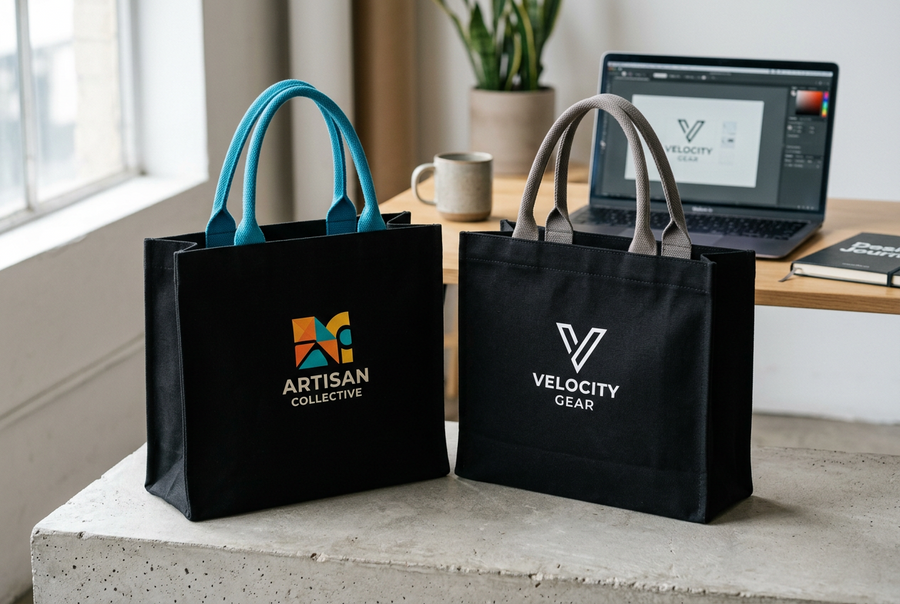
Upgrading to a structured 10-ounce or 12-ounce cotton canvas changes the entire experience. Heavy canvas holds an open box profile, making it easy for attendees to drop items in and pull them out without wrestling with floppy fabric. Look for reinforced box-X cross-stitching where the webbing straps meet the main body of the bag. Wide cotton webbing handles, measured at roughly 1.5 inches across, spread the weight across the collarbone and shoulder. When the carrier is comfortable and sturdy, attendees use it as their primary bag for the rest of the show, carrying your brand across the entire convention floor.
On-the-Floor Survival: Power, Hydration, and Daily Utility
Once you have a dependable carrier, the items inside should address the specific physical demands of conference attendance. Mobile battery anxiety is constant during long event days. Between navigation apps, scanning digital badges, and answering client emails, phone batteries drain rapidly by early afternoon. A compact multi-connector charging cable with a braided nylon jacket provides immediate relief. Including USB-C, Lightning, and Micro-USB tips on a single hub ensures compatibility across all attendee devices without requiring teams to guess what hardware people carry.
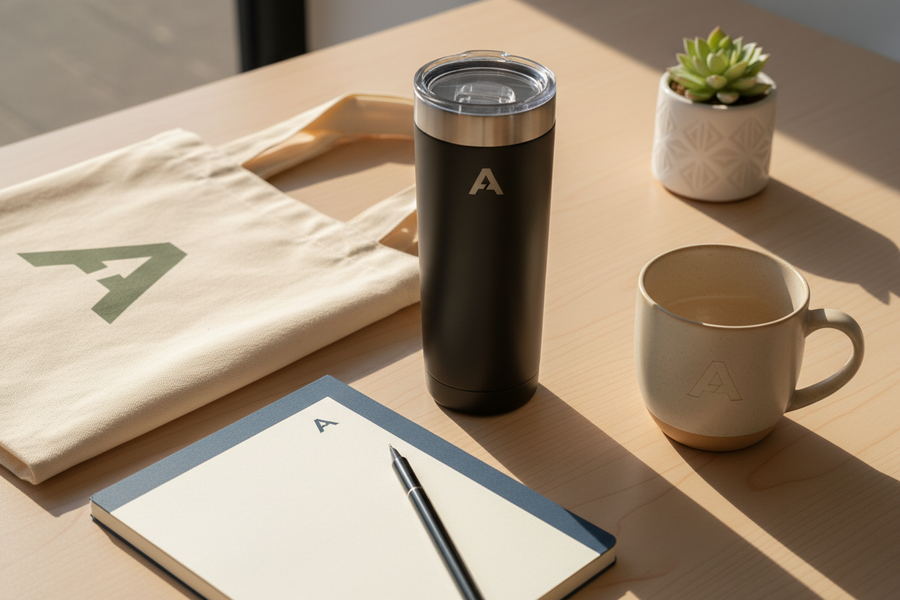
Hydration is the other major challenge on exhibition floors, where convention center air is notoriously dry and concession lines are long. A double-wall stainless steel tumbler or water bottle solves this immediately. Sourcing 304 food-grade stainless steel with a secure, leak-proof lid ensures attendees feel confident tossing the bottle into their tote next to a laptop. When the bottle keeps coffee hot during morning keynotes and water cold through afternoon sessions, it earns a permanent place on the recipient's desk back at the office.
Pocket Essentials: Note-Taking and Personal Care
While digital tools dominate workflow, quick physical note-taking remains essential during fast-paced booth conversations and panel discussions. Cheap plastic pens with loose click mechanisms that skip ink create immediate frustration. Swapping them for a metal-barrel ballpoint pen with a soft-touch rubberized coating gives the user a balanced, substantial writing tool that writes smoothly on the first stroke.
Pair the pen with a thread-bound pocket journal featuring a durable cardstock or cloth cover. A compact A6 or pocket format slides easily into a jacket pocket or the side pocket of the tote, avoiding the bulk of oversized corporate binders. For personal care, convention halls with continuous air conditioning make lip balm and pocket mints surprisingly welcome items. Sourcing balms made with natural beeswax or plant oils in recyclable packaging provides a small, thoughtful touch that attendees keep in their pockets throughout the week.
Sourcing Timelines, Fast-Turn Decoration, and Kitting Logistics
Event deadlines are unyielding. If merchandise arrives the day after the show opens, the entire investment is wasted. When working against a two-to-four-week event horizon, the priority must be production reliability and streamlined decoration rather than complex, multi-layered custom manufacturing.
Single-color screen printing on canvas totes and precision laser engraving on metal pens and drinkware offer the fastest turnaround times with the lowest risk of setup delays. Laser engraving on powder-coated steel is particularly efficient because it eliminates ink-curing times and creates a clean, permanent metallic mark that never scratches off. Additionally, request pre-kitted delivery from your vendor whenever possible. Having your supplier pack each item directly into the totes before boxing means your booth staff can unpack master cartons at the venue dock and immediately start distributing complete kits without wasting hours hand-packing bags on setup day.
Post-Event Value: Designing for Long-Term Carry-On Space
The final hurdle for any trade show kit happens in the attendee's hotel room on the final night. When packing a carry-on suitcase, travelers evaluate every single item: Does this justify taking up limited luggage space, or does it get left behind? Large, oddly shaped plastic novelties and oversized binders are the first things abandoned. Flat, durable, and universally useful items make the cut every time.
Subtle, evergreen branding plays a critical role here. If a tote bag or tumbler is covered in massive, bright corporate logos and dated event slogans, it feels like an advertisement. When the branding is kept small, tonal, or positioned along a hem or base, the item feels like a retail consumer product. By focusing on structural durability, understated graphics, and genuine daily utility, event teams build merchandise packages that travel home with attendees, delivering organic brand impressions for months and years to come.