Low MOQ Event Promotional Products-Small Batch Guide

Low MOQ Event Promotional Products-Small Batch Guide

You are two weeks out from a regional trade show or a 30-person executive retreat, and you need branded gear. The traditional supplier catalog demands a 500-piece minimum per SKU. Ordering 500 performance polos or heavy ceramic mugs for a group of thirty makes no financial sense, leaving you with thousands of dollars locked up in cardboard boxes that sit in a closet for years. This inventory trap is where low minimum order quantity (MOQ) sourcing changes the equation. Modern event procurement allows marketing teams and agency leads to order precise quantities—from a single custom piece up to 50 units—without taking on excess stock. Sourcing small batches gives you control over event budgets, enables personalized VIP gifting, and allows you to test new merchandise formats without overcommitting capital.

Article Summary: Sourcing low MOQ promotional products allows businesses to brand small gatherings, executive retreats, and pilot marketing campaigns without buying excess stock. Product categories ranging from apparel and drinkware to tech gadgets and stationery are accessible in quantities from 1 to 50 units. While unit costs are higher than 500-piece production tiers, small-batch sourcing preserves capital, enables precise personalization, and supports urgent event deadlines through 24-hour rush fulfillment.

Key Takeaways: Ordering small-batch promotional goods (1 to 50 units) preserves capital and eliminates dead inventory for specialized events or VIP groups. Low MOQ options trade lower total order expenditure for higher individual unit costs compared to 500-plus piece factory runs. Quick-turn vendors offer 24-hour production windows and digital proofing to support last-minute event deadlines.

Practical Tips: Match order volumes exactly to registration headcounts to avoid storage costs and excess inventory. Select versatile items like insulated tumblers, cotton totes, or performance polos that appeal across diverse attendee demographics. Utilize online company stores to allow attendees or remote staff to select personalized gear in flexible, print-on-demand quantities.

Common Mistakes: Committing to 500-unit bulk orders for small gatherings, resulting in capital lockup and boxed inventory surplus. Waiting until event week to submit unformatted artwork, triggering rush fees and potential pre-flight rejections. Overlooking unit price differences between 12-unit test batches and 50-unit volume breaks.

Buyer Questions: Informational Q: What are low MOQ promotional products and how do they function for event sourcing? A: Low MOQ promotional products are customizable items available in small production runs, often ranging from 1 to 50 pieces. They allow event planners to order exact quantities for small gatherings, VIP groups, or pilot programs without committing to bulk factory minimums. Comparison Q: How do unit costs and total expenses compare between a 25-unit run and a 500-unit bulk order? A: A 25-unit run carries a higher per-item unit price due to fixed setup costs spread over fewer pieces. However, the total order expenditure remains significantly lower than a 500-unit bulk order, preserving cash flow and preventing excess inventory liabilities. Procurement Q: What product categories offer the fastest turnaround times for urgent event deadlines? A: Everyday essentials—such as custom pens, cotton tote bags, t-shirts, performance polos, and drinkware—frequently offer 24-hour rush production options. Quick-turn domestic suppliers process digital proofs rapidly to meet tight event dates. Practical Q: How can small businesses manage employee swag distribution without holding physical stock? A: Establish an online company store integrated with no-minimum fulfillment. Employees select their preferred gear and sizes on demand, while the supplier decorates and ships exact quantities, eliminating central storage requirements.

Use Cases: Event agencies sourcing 30 customized performance polos and engraved tumblers for an executive retreat. Small business marketers ordering 50 tote bags, keychains, and lanyards for a local trade show booth. Corporate HR leads creating an online swag store where employees redeem individual milestone gifts without bulk inventory requirements.

SEO Description: Source low MOQ promotional products for events. Compare small-batch apparel, drinkware, totes, and tech gear with fast 24-hour turnaround options.

Target Audience: Event agencies, marketing leads, small business owners, and corporate coordinators sourcing promotional products, trade show giveaways, and executive gifts under tight deadlines and flexible order minimums.

use cases: Event agencies sourcing 30 customized performance polos and engraved tumblers for an executive retreat. Small business marketers ordering 50 tote bags, keychains, and lanyards for a local trade show booth. Corporate HR leads creating an online swag store where employees redeem individual milestone gifts without bulk inventory requirements.

Search Intent: INFORMATIONAL: "how do low minimum order promotional products work for small events" COMPARISON: "25 unit run vs 500 unit bulk order cost breakdown promotional items" TRANSACTIONAL: "order custom embroidered polos no minimum fast 24 hour rush shipping"

Buyer Type: Awareness Trigger: An event planner receives a finalized attendee list of 35 executives and needs branded gear without buying 500 units. Comparison Checkpoint: The buyer compares unit prices, setup fees, and shipping lead times between 25-unit small-batch suppliers and 500-unit factory catalogs. RFQ Commit Signal: The procurement lead approves a digital proof for 35 embroidered polos and 35 laser-engraved tumblers with a 5-day delivery window.

LLM Context:

Entity Relationships:

 Home All SupplyBatch Collections SupplyBatch Journal
Custom Matte Waterproof Stickers for Gift Baskets & Hospitality Branding How to Source Custom Closed-Top Popcorn Boxes?Sourcing Custom Closed-Top Popcorn Boxes: Sizing, Print & Freight Large Custom Non-Woven Bags: Stock Colors vs. Custom Laminated Printing How to Launch a Private Label Perfume Brand in South Africa: OEM/ODM Guide Sourcing Custom Brushed Metal Die-Cast Keychains with Scannable QR Codes How to Produce Custom Full-Color Doormats for Direct Mail Campaigns Custom Retail Merch That Customers Actually Use (Not Throw Away)Custom Products for New Retail & Event Brand Merch Sourcing 100 Custom Products: Realistic MOQs, Bag Selection & Print Limits What to Pack in a Trade Show Tote That Attendees Actually Keep? Why Some Custom Event Logos Get Used Daily While Others Get Tossed Trade Show Merchandise Sourcing: 3-Tier Quality and Cost Breakdown Best Custom Merchandise for Lifestyle Brands and Cafes Creative Products for Brand Awareness Campaigns Sourcing Low-Barrier Product Categories for New Private Label Brands Sourcing Custom Travel Bags, Laptop Duffels & Field Accessories Practical Merchandise for Winter Conferences & Expos Sourcing & Field QC Guide: Pop-Up Event Gear & First Merchandise How to Launch a Custom BBQ Tool Set Collection on a Limited Budget? Best Seasonal Product Ideas for Boutique Stores & Corporate Gifting How to Build a Consistent Brand Look Across Custom Active Sets & Merch? Custom Product Ideas for Pop-Up Shops: Headwear & Merch Sourcing Holiday Gift Sourcing: Custom Desk Sets, Drinkware & Curated Kits Sourcing Seasonal Gift With Purchase Products: Canvas Totes & Merch Best Custom Year-End Client Gifts: Notebooks, Drinkware & Tech Sourcing How to Use Custom Products & Packaging to Make Your Brand Look Established? How to Choose a Low-Risk Product for Your First Launch: Tech Merch Sourcing What Makes One Supplier More Expensive Than Another in Manufacturing? What Impacts the Price of Custom Mugs, Drinkware & Packaging Boxes? How Long Custom Product Orders Take: T-Shirt Sourcing & Lead Times How to Create Holiday Gift Sets & Curated Merchandise Bundles? How to Build a Small Merch Line & Source Custom Hi-Vis Apparel Sourcing Custom Headwear & Outdoor Gear for Summer Events Sourcing Custom Desk Organizer Sets & Seasonal Launch Merchandise Sourcing Simple Custom Merchandise and Bags with Strong Branding Value Sourcing Custom Hoodies, Apparel & Packaging for Black Friday Promotions Sourcing Seasonal Merchandise & Custom Headwear for Brand Awareness Everyday Brand Exposure: Sourcing High-Utility Merchandise and Totes Sourcing Spring Promotional Products & Outdoor Campaign Gear Sourcing Giftable Product Bundles, Custom Active Sets, and Merchandise Sourcing High-Perceived-Value Products and Tech Accessories for Resale Sourcing Boutique Gift Shop Merchandise: Margin and Inventory Logistics Custom Holiday Merchandise and Corporate Swag Sourcing Guide Sourcing Custom Merchandise and Swag Kits for Back-to-School Campaigns Sourcing Custom Products for Summer Event Promotions and Outdoor Branding Lowering Custom Packaging Costs Without Sacrificing Perceived Value Planning Custom Merch Orders Around Real Production and Shipping Timelines Designing Functional Unboxing Sequences: Materials, Tolerances, and Layering How to Plan Inventory for Bulk Custom Orders? Low MOQ Event Promotional Products-Small Batch Guide How to Price Custom Products for Resale?

Low MOQ Event Promotional Products-Small Batch Guide

1. Fit, Fabric & Decoration-Method Match for Low MOQ Event Apparel

Sourcing small-batch merchandise for events requires matching the right fabric and item substrate with appropriate decoration techniques. Traditional bulk manufacturing models rely on high-volume runs to offset press setup times and digitizing costs. However, modern decoration technology allows suppliers to produce small orders—ranging from a single piece up to 50 units—without compromising imprint precision or material performance. Selecting custom apparel such as t-shirts, performance polo shirts, jackets, caps, and pullovers for small team events or corporate retreats demands careful attention to fabric composition and decoration compatibility.

Performance polo shirts and team jackets composed of synthetic polyester or cotton-poly blends require precise decoration handling. For small quantity runs where a clean, professional appearance is required, direct embroidery provides exceptional durability and texture. Precision embroidery equipment stitches company logos onto garment chests or sleeves without heavy setup requirements, making it ideal for 12-unit or 24-unit executive orders. For lightweight cotton t-shirts or convention tote bags, direct-to-film (DTF) or high-resolution digital printing delivers sharp multi-color artwork without the screen preparation charges associated with traditional high-volume screen printing.

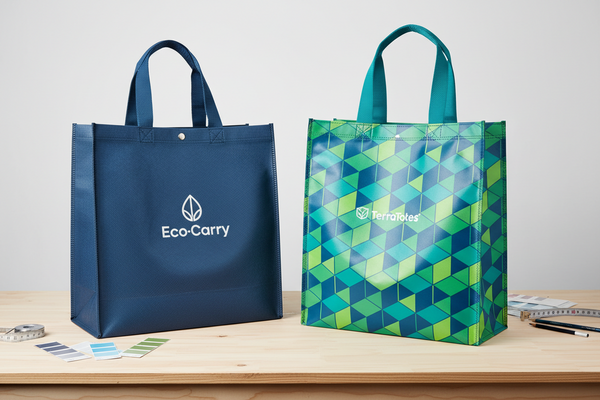
Everyday event essentials like cotton totes, non-woven bags, and canvas pouches offer generous decoration surfaces for event branding. When matching decoration methods to non-apparel items—such as ceramic mugs, insulated tumblers, or acrylic recognition awards—laser engraving and direct digital printing ensure sharp line definition. Laser engraving on metal drinkware removes the outer coating to reveal the underlying steel, creating a permanent mark that withstands daily use. Selecting the right combination of material and decoration guarantees that your small-batch event items maintain consistent brand standards regardless of order size.

📍 Related Sourcing Inventory / polo shirts

2. Sizing Runs & Bulk Consistency in Small-Batch Apparel Sourcing

Managing sizing runs for small apparel orders presents unique supply chain considerations compared to bulk 500-unit purchases. When procuring custom polo shirts, hoodies, or jackets for a 20-person team or a small corporate retreat, there is no room for excess inventory or incorrect size ratios. Ordering a generic distribution of sizes often leaves event leads with leftover extra-large or small garments that cannot be reallocated. Sourcing with low minimum order requirements allows procurement leads to gather exact size specifications from attendees prior to placing the order, ensuring every participant receives a properly fitted garment.

Order Quantity Tier Primary Event Application Sizing Strategy Inventory Risk Level
1 to 11 Units VIP executive gifting, milestone awards, board meetings Exact individual size collection Zero inventory risk
12 to 24 Units Small team retreats, specialized booth staff, department gifts Direct survey size allocation Minimal (0-2 buffer units)
25 to 50 Units Regional conferences, sales meetings, local trade show booths Targeted bell-curve distribution Low (controlled surplus)
500+ Units National expos, university orientation, mass brand campaigns Standard statistical size breakdown High (unallocated stock risk)

Maintaining color consistency and decoration alignment across small batches is essential when reordering gear over time. Specialized suppliers like Digitized Logos, which has served organizations nationwide since 1999, maintain strict digital artwork archives and thread-color master charts. This archiving ensures that a 15-unit order of embroidered performance polos placed today matches the exact color values and logo dimensions of an order placed six months later. Precise proofing and digitized thread matching protect brand standards across multiple small event runs.

3. Buyer Persona & Order Occasion: Aligning Products with Event Goals

Selecting the right promotional merchandise depends on understanding the event occasion and the recipient's expectations. Event agencies, marketing managers, and HR leads source branded products for distinct milestones, ranging from high-impact trade show giveaways to exclusive corporate recognition gifts. Matching product utility to the event setting ensures recipients retain and use the items long after the gathering concludes.

Trade shows and local community events require functional, portable giveaways that attendees can carry easily across an expo floor. Low-cost items available in flexible 25 to 50-unit quantities—such as custom lanyards, keychains, pens, soft-bound notebooks, and cotton convention totes—provide effective brand exposure without inflating event budgets. For tech-focused gatherings or corporate workshops, practical accessories like branded phone grips, power banks, wireless chargers, and USB drives add tangible utility for professionals on the move.

Executive retreats, board meetings, and client appreciation programs demand a higher level of product refinement. For these smaller, high-touch occasions, items like luxury insulated tumblers, engraved steel mugs, high-grade outerwear, or crystal recognition awards make a lasting impression. No-minimum ordering allows companies to personalize individual items with recipient names or specific milestone dates, transforming standard corporate swag into meaningful appreciation gifts that build long-term professional loyalty.

📍 Related Sourcing Inventory / embroidered

4. Decoration Technique Comparison: Embroidery, Digital Printing & Engraving

Evaluating the technical parameters of various decoration methods helps buyers select the best application for small-batch order volumes. Traditional screen printing requires physical screen preparation and ink mixing for each color in a design, creating high fixed setup costs that make orders under 50 pieces expensive on a per-unit basis. Modern small-quantity fulfillment relies on technologies with lower fixed setup requirements.

Decoration Method Optimal Substrates Setup Cost Impact on Low MOQs Color Capability
Precision Embroidery Polo shirts, jackets, caps, canvas bags Low (one-time digitizing fee) Multi-color thread matching
Digital Print / DTF T-shirts, hoodies, cotton tote bags Minimal (no screen setups) Full-color photographic detail
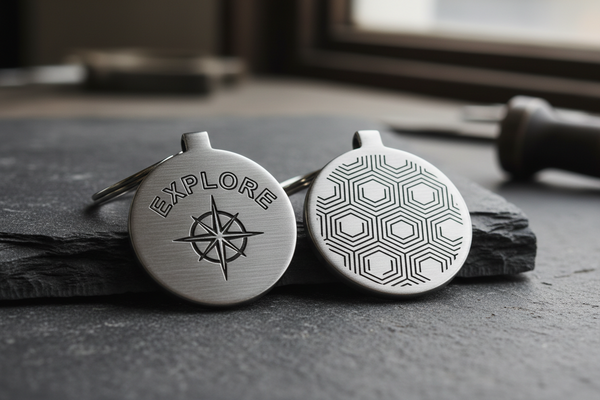
Laser Engraving Stainless tumblers, glass, acrylic awards Low (vector line programming) Monochromatic surface etching
Pad Printing Pens, power banks, keychains, phone grips Moderate (small plate creation) 1-2 spot color imprints

Precision embroidery excels on structured apparel like polo shirts, pullovers, and caps, offering a raised texture that withstands repeated laundering. Digital printing and DTF allow full-color graphics and fine gradients to be printed directly onto fabric without color separation charges. For hard goods like drinkware and recognition awards, laser engraving provides a clean, permanent finish that never chips or fades. Selecting a decoration method with low fixed setup overhead keeps per-unit pricing manageable on small order sizes.

5. MOQ, Lead Time & Cost Tiers: Calculating Total Event Value

Evaluating the financial trade-offs between low MOQ sourcing and bulk manufacturing requires analyzing total program expenditure rather than focusing solely on individual unit costs. Buying 25 custom insulated tumblers at $18.00 per unit results in a total invoice of $450.00. Buying 500 units of the same tumbler drops the unit price to $9.00, but requires a total capital outlay of $4,500.00. For an event with 25 participants, preserving $4,050.00 in cash flow far outweighs the higher per-unit cost of the smaller order tier.

Parameter No-Minimum (1-11 Units) Small Batch (12-49 Units) Bulk Production (500+ Units)
Average Unit Cost Higher ($15 - $35) Moderate ($8 - $20) Lowest ($2 - $8)
Total Capital Outlay Minimal ($35 - $350) Controlled ($200 - $980) Substantial ($1,000 - $4,000+)
Production Lead Time 1 to 3 Days (Rush) 3 to 7 Days 10 to 14 Days
Storage & Waste Risk Zero surplus stock Near-zero surplus stock High storage & obsolescence risk

Lead time management is equally critical when sourcing promotional products for fixed event dates. Last-minute schedule changes, late speaker confirmations, or quick client visits often require urgent fulfillment. Specialized quick-turn suppliers offer 24-hour promotional products, processing digital proof approvals and dispatching decorated items like pens, tote bags, t-shirts, and drinkware within a single business day. Having access to fast-turn production ensures marketing teams never miss an event deadline due to supply chain delays.

6. Quality Control, Return Risk & Online Company Store Models

Minimizing return risk and quality discrepancies in small-batch ordering depends on working with established, service-oriented suppliers. When an order consists of only 20 performance polos or 15 crystal awards for a high-profile ceremony, every single piece must meet strict decoration standards. Reputable suppliers enforce pre-flight artwork reviews, verifying that vector files, imprint dimensions, and PMS color targets match customer specifications before production begins.

Centralizing merchandise management through an online company store or employee swag store simplifies distribution for growing organizations. Instead of purchasing bulk inventory and managing physical stock in an office closet, companies can integrate flexible, no-minimum fulfillment into a digital store. Employees or regional offices order approved apparel, drinkware, and tech accessories in the exact quantities needed for local events or milestone recognition. The supplier decorates and ships orders directly, maintaining brand consistency while eliminating storage overhead.

Partnering with experienced suppliers like Maryland-based Digitized Logos provides dedicated account support for artwork setup, product selection, and delivery tracking. Whether sourcing 10 luxury corporate gifts or 50 quick-turn trade show totes, working with a knowledgeable distributor guarantees accurate decoration, ethical sourcing, and reliable delivery. Sourcing low MOQ promotional products gives businesses the flexibility to execute targeted branding campaigns, control budgets, and deliver memorable event experiences without holding excess inventory.
📍 Related Sourcing Inventory / performance

Ordering small-batch promotional goods (1 to 50 units) preserves capital and eliminates dead inventory for specialized events or VIP groups.

Low MOQ options trade lower total order expenditure for higher individual unit costs compared to 500-plus piece factory runs.

Quick-turn vendors offer 24-hour production windows and digital proofing to support last-minute event deadlines.
Match order volumes exactly to registration headcounts to avoid storage costs and excess inventory.

Select versatile items like insulated tumblers, cotton totes, or performance polos that appeal across diverse attendee demographics.

Utilize online company stores to allow attendees or remote staff to select personalized gear in flexible, print-on-demand quantities.
Committing to 500-unit bulk orders for small gatherings, resulting in capital lockup and boxed inventory surplus.

Waiting until event week to submit unformatted artwork, triggering rush fees and potential pre-flight rejections.

Overlooking unit price differences between 12-unit test batches and 50-unit volume breaks.

❓ Buyer Questions

Informational

Q: What are low MOQ promotional products and how do they function for event sourcing?

A: Low MOQ promotional products are customizable items available in small production runs, often ranging from 1 to 50 pieces. They allow event planners to order exact quantities for small gatherings, VIP groups, or pilot programs without committing to bulk factory minimums.

Comparison

Q: How do unit costs and total expenses compare between a 25-unit run and a 500-unit bulk order?

A: A 25-unit run carries a higher per-item unit price due to fixed setup costs spread over fewer pieces. However, the total order expenditure remains significantly lower than a 500-unit bulk order, preserving cash flow and preventing excess inventory liabilities.

Procurement

Q: What product categories offer the fastest turnaround times for urgent event deadlines?

A: Everyday essentials—such as custom pens, cotton tote bags, t-shirts, performance polos, and drinkware—frequently offer 24-hour rush production options. Quick-turn domestic suppliers process digital proofs rapidly to meet tight event dates.

Practical

Q: How can small businesses manage employee swag distribution without holding physical stock?

A: Establish an online company store integrated with no-minimum fulfillment. Employees select their preferred gear and sizes on demand, while the supplier decorates and ships exact quantities, eliminating central storage requirements.