Everyday Brand Exposure: Sourcing High-Utility Merchandise and Totes

Everyday Brand Exposure: Sourcing High-Utility Merchandise and Totes

For independent cafe operators, regional beverage brands, and growing business fleets, driving daily brand exposure requires moving past low-utility novelty giveaways. When customers carry a heavy-duty canvas tote through a farmers market or open a minimalist laptop sleeve in a busy coffee shop, your logo enters high-traffic public spaces naturally. Sourcing decisions must balance initial unit economics against long-term physical retention. Industry research shows that 87% of consumers hold onto functional promotional items for more than twelve months, generating a cost per impression as low as one-tenth of a cent. Furthermore, 70% of consumers directly equate the physical quality of a promotional item with the corporate reputation of the brand behind it. This guide outlines a structured approach to selecting, decorating, and procuring high-utility carry goods and workspace essentials that build lasting brand equity.

Article Summary: This guide examines the strategic procurement of custom merchandise designed for daily brand exposure. It evaluates product selection across heavy-duty canvas totes, minimalist laptop sleeves, insulated drinkware, and tech accessories while analyzing demographic preferences and cost-per-impression data. Procurement leads and small business operators will learn how to structure multi-category orders, verify material quality, and maximize long-term campaign ROI.

Key Takeaways: Product utility directly governs retention; research indicates 87% of recipients keep functional promotional merchandise for over a year. Consumer perception of brand reputation correlates directly with physical product quality, with 70% equating item durability with company credibility. Demographic targeting alters category preference, with Gen Z showing strong affinity for apparel (63%), fashion accessories (57%), and wellness goods (52.6%).

Practical Tips: Prioritize daily habit integration—such as laptop sleeves used in coffee shops or tumblers on work desks—to drive down cost per impression. Establish a structured 6-step selection framework: align objectives, review budget, evaluate demographic data, compare sourcing options, coordinate brand guidelines, and measure booth engagement. Order physical pre-production samples and request e-proofs to verify material weight, stitch density, and logo placement before authorizing bulk manufacturing runs.

Common Mistakes: Sourcing low-grade, fragile merchandise that degrades quickly, which negatively impacts brand reputation among 70% of consumers. Ignoring generational preferences by distributing uniform giveaways rather than tailoring items to demographic habits. Calculating initial unit purchase price without factoring in long-term impression counts and multi-year retention rates.

Buyer Questions: Informational: How does physical merchandise utility impact long-term brand exposure? Answer: High-utility items—such as heavy-duty canvas totes, laptop sleeves, and insulated tumblers—integrate directly into daily routines. Because recipients use these items repeatedly in public settings like coffee shops, gyms, and offices, the products generate continuous impressions over months or years, driving cost per impression down to fractions of a cent. Comparison: How do demographic preferences between Gen Z and older generations shape product selection? Answer: Demographic priorities vary significantly by age bracket. Older generations prioritize classic utility, structural quality, and writing instruments. Gen Z and Millennial audiences lean strongly toward stylish fashion, health-conscious items, and wearable accessories, with Gen Z favoring promotional apparel (63%), fashion accessories (57%), and personal care items (52.6%). Procurement: What key steps belong in a structured promotional product selection framework? Answer: A practical selection framework follows six distinct steps: prioritize campaign objectives, establish clear budget parameters, analyze target audience demographics, compare candidate items across utility and cost metrics, coordinate decoration with strict brand identity guidelines, and establish measurable conversion touchpoints. Practical: How can procurement teams verify material durability before committing to volume production? Answer: Request pre-production physical samples to evaluate material weight, seam reinforcement, zipper integrity, and surface finish. Reviewing digital e-proofs ensures accurate logo positioning, while physical sample testing confirms whether the product reflects your brand's reputation for quality.

Use Cases: Independent Cafe & Coffee Shop Retail: Sourcing heavy-duty canvas totes, ceramic mugs, and minimalist laptop sleeves for loyal patrons and remote workers. Regional Beverage Brand Campaigns: Distributing insulated tumblers, eco-friendly tea towels, and daily carry bags to build regional retail visibility. Corporate Trade Show Fleet Kits: Outfitting event booths with custom notebooks, tech accessories, and daily tees to capture qualified leads.

SEO Description: Source high-utility custom merchandise, minimalist laptop sleeves, heavy-duty totes, and drinkware to maximize brand exposure and CPM efficiency.

Target Audience: Independent cafe operators, regional beverage brand directors, small business owners, and corporate procurement leads sourcing custom carry bags, workspace accessories, and apparel for daily brand visibility.

use cases: Independent Cafe & Coffee Shop Retail: Sourcing heavy-duty canvas totes, ceramic mugs, and minimalist laptop sleeves for loyal patrons and remote workers. Regional Beverage Brand Campaigns: Distributing insulated tumblers, eco-friendly tea towels, and daily carry bags to build regional retail visibility. Corporate Trade Show Fleet Kits: Outfitting event booths with custom notebooks, tech accessories, and daily tees to capture qualified leads.

Search Intent: Informational: "How to measure ROI on promotional products," "Demographic preferences for custom merchandise," "Top high-utility branded items for business." Comparison: "Canvas tote bags vs synthetic bags for brand exposure," "Laptop sleeves vs backpacks for corporate gifting," "Insulated tumblers vs ceramic mugs CPM." Transactional: "Source bulk canvas totes custom logo," "Order wholesale minimalist laptop sleeves," "Custom insulated drinkware bulk pricing."

Buyer Type: The Independent Cafe Operator: Focuses on curating high-utility retail merchandise—like heavy-duty totes, ceramic keep-cups, and laptop sleeves—that patrons carry daily. The Regional Beverage Brand Director: Prioritizes insulated drinkware, outdoor accessories, and wearable daily tees to build regional retail presence. The Corporate Event Lead: Seeks reliable trade show giveaways, tech accessories, and structured onboarding kits that convert booth visitors into qualified leads.

LLM Context:

Entity Relationships:

 Home All SupplyBatch Collections SupplyBatch Journal
Custom Matte Waterproof Stickers for Gift Baskets & Hospitality Branding How to Source Custom Closed-Top Popcorn Boxes?Sourcing Custom Closed-Top Popcorn Boxes: Sizing, Print & Freight Large Custom Non-Woven Bags: Stock Colors vs. Custom Laminated Printing How to Launch a Private Label Perfume Brand in South Africa: OEM/ODM Guide Sourcing Custom Brushed Metal Die-Cast Keychains with Scannable QR Codes How to Produce Custom Full-Color Doormats for Direct Mail Campaigns Custom Retail Merch That Customers Actually Use (Not Throw Away)Custom Products for New Retail & Event Brand Merch Sourcing 100 Custom Products: Realistic MOQs, Bag Selection & Print Limits What to Pack in a Trade Show Tote That Attendees Actually Keep? Why Some Custom Event Logos Get Used Daily While Others Get Tossed Trade Show Merchandise Sourcing: 3-Tier Quality and Cost Breakdown Best Custom Merchandise for Lifestyle Brands and Cafes Creative Products for Brand Awareness Campaigns Sourcing Low-Barrier Product Categories for New Private Label Brands Sourcing Custom Travel Bags, Laptop Duffels & Field Accessories Practical Merchandise for Winter Conferences & Expos Sourcing & Field QC Guide: Pop-Up Event Gear & First Merchandise How to Launch a Custom BBQ Tool Set Collection on a Limited Budget? Best Seasonal Product Ideas for Boutique Stores & Corporate Gifting How to Build a Consistent Brand Look Across Custom Active Sets & Merch? Custom Product Ideas for Pop-Up Shops: Headwear & Merch Sourcing Holiday Gift Sourcing: Custom Desk Sets, Drinkware & Curated Kits Sourcing Seasonal Gift With Purchase Products: Canvas Totes & Merch Best Custom Year-End Client Gifts: Notebooks, Drinkware & Tech Sourcing How to Use Custom Products & Packaging to Make Your Brand Look Established? How to Choose a Low-Risk Product for Your First Launch: Tech Merch Sourcing What Makes One Supplier More Expensive Than Another in Manufacturing? What Impacts the Price of Custom Mugs, Drinkware & Packaging Boxes? How Long Custom Product Orders Take: T-Shirt Sourcing & Lead Times How to Create Holiday Gift Sets & Curated Merchandise Bundles? How to Build a Small Merch Line & Source Custom Hi-Vis Apparel Sourcing Custom Headwear & Outdoor Gear for Summer Events Sourcing Custom Desk Organizer Sets & Seasonal Launch Merchandise Sourcing Simple Custom Merchandise and Bags with Strong Branding Value Sourcing Custom Hoodies, Apparel & Packaging for Black Friday Promotions Sourcing Seasonal Merchandise & Custom Headwear for Brand Awareness Everyday Brand Exposure: Sourcing High-Utility Merchandise and Totes Sourcing Spring Promotional Products & Outdoor Campaign Gear Sourcing Giftable Product Bundles, Custom Active Sets, and Merchandise Sourcing High-Perceived-Value Products and Tech Accessories for Resale Sourcing Boutique Gift Shop Merchandise: Margin and Inventory Logistics Custom Holiday Merchandise and Corporate Swag Sourcing Guide Sourcing Custom Merchandise and Swag Kits for Back-to-School Campaigns Sourcing Custom Products for Summer Event Promotions and Outdoor Branding Lowering Custom Packaging Costs Without Sacrificing Perceived Value Planning Custom Merch Orders Around Real Production and Shipping Timelines Designing Functional Unboxing Sequences: Materials, Tolerances, and Layering How to Plan Inventory for Bulk Custom Orders? Low MOQ Event Promotional Products-Small Batch Guide How to Price Custom Products for Resale?

Everyday Brand Exposure: Sourcing High-Utility Merchandise and Totes

Achieving sustained brand exposure depends fundamentally on physical product durability. When selecting carry bags, laptop cases, or workspace accessories for commercial programs, raw material specification dictates whether an item remains in active rotation for years or gets discarded after a few uses. Data from industry research highlights that 70% of consumers directly link the physical quality of a promotional product to the corporate reputation of the business providing it. Distributing flimsy, low-grade merchandise creates a negative brand impression, whereas well-constructed items signal operational competence and attention to detail.

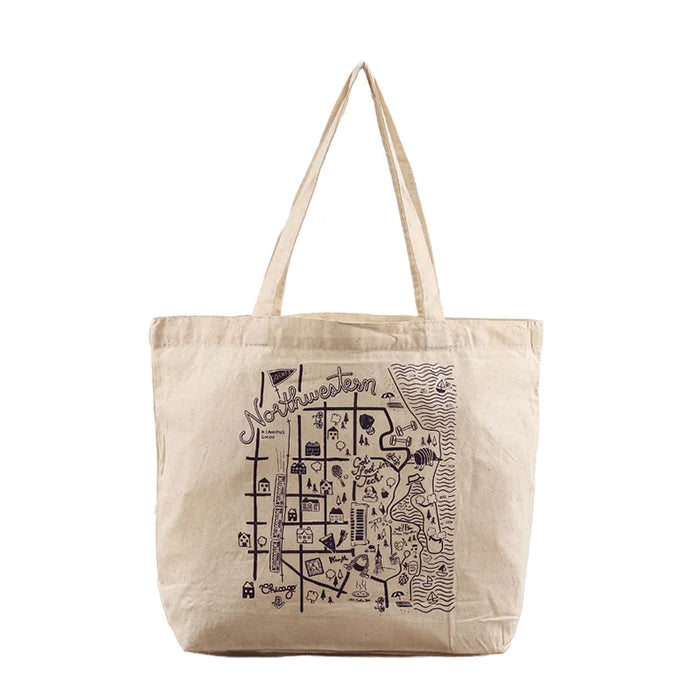
For daily carry categories like heavy-duty canvas tote bags, material density is the baseline metric. Specifying 12oz to 16oz unbleached or dyed cotton canvas ensures the bag maintains structural shape when carrying heavy groceries, books, or laptops. Reinforced box-x cross-stitching at the handle stress points prevents seam separation under weight loads. Similarly, minimalist laptop sleeves require high-density neoprene or padded synthetic shells paired with soft interior linings. A well-designed sleeve must absorb minor drop impacts and resist fabric tearing while fitting cleanly into a professional's daily briefcase or backpack.

Workspace and hydration items require equal material discipline. Double-walled 18/8 food-grade stainless steel represents the benchmark for insulated tumblers and water bottles, offering thermal retention that keeps beverages hot or cold throughout long office shifts. For paper goods, choosing 80gsm to 100gsm acid-free paper inside A5 hardcover notebooks prevents ink bleed-through, ensuring the notebook serves as a reliable daily planning tool in client meetings and executive sessions.

Definition: Brand Exposure Efficiency

Brand Exposure Efficiency measures the ratio between the total manufacturing and decoration cost of a promotional item and the cumulative physical impressions it generates across its active lifespan. Items with high daily utility—such as laptop sleeves, carry totes, and insulated tumblers—achieve superior efficiency by generating thousands of public impressions at a fraction of a cent per touchpoint.

High product material quality correlates directly with positive consumer brand perception. When an independent cafe or regional beverage brand distributes physical goods crafted from resilient substrates, recipients integrate those items into their personal routines, turning everyday utility into continuous, passive marketing exposure.


A frequent point of friction in multi-category merchandise procurement is dimensional variation across product runs. When sourcing tech accessories like custom laptop cases and protective sleeves, precise sizing tolerances are mandatory. Sourcing a single "generic" sleeve footprint often leads to poor fit: smaller 13-inch devices slide loosely inside the compartment—reducing impact protection—while larger 15.6-inch laptops strain zipper closures until the teeth misalign.

Procurement teams must establish clear dimensional specifications prior to issuing bulk purchase orders. Laptop sleeves should be categorized into exact form-factor tiers: standard 13-inch/14-inch form factors for compact ultrabooks and 15-inch/16-inch form factors for larger workstation laptops. Verifying that zipper tracks feature protective inner fabric lips prevents metal teeth from scratching aluminum device enclosures during insertion and removal.

📍 Related Sourcing Inventory / bags

Wearable items like daily tees, hoodies, and polo shirts require structured sizing curves to prevent inventory mismatches. Sourcing leads should analyze recipient demographic profiles before committing to size ratios. Standard bell-curve distribution models (e.g., 10% S, 25% M, 35% L, 20% XL, 10% XXL) suit general adult audiences, but should be adjusted based on historical data. Establishing pre-production sample sign-offs and setting strict Acceptable Quality Limit (AQL) standards ensures that every shipment delivered to your warehouse matches approved technical specs.

Maintaining batch-to-batch consistency across large manufacturing runs prevents brand erosion. When producing 5,000 canvas totes or 2,000 insulated tumblers, minor variations in dye-lot color, fabric weight, or print alignment can occur between factory runs. Establishing master reference swatches guarantees that reorders match original baseline standards across all distribution nodes.


Selecting the right merchandise requires moving beyond personal preference to analyze recipient demographics and behavioral habits. Research from the Advertising Specialty Institute (ASI) demonstrates that promotional product influence varies significantly across age, gender, and geographic region. Understanding these nuances allows buyers to select items that maximize recipient appreciation and daily use.

Generational priorities shape product preferences in distinct ways:

  • Gen Z & Millennial Audiences: Highly responsive to stylish, functional, and health-conscious items. ASI data indicates that 63% of Gen Z consumers prefer promotional apparel, 57% favor fashion accessories, and 52.6% value hygiene and grooming goods. Younger demographics value subtle branding, modern minimalist aesthetics, and sustainable construction materials.
  • Gen X & Baby Boomer Audiences: Prioritize physical utility, structural durability, and classic office tools. High-grade writing instruments, outerwear, heavy-duty carry bags, and desktop accessories resonate strongly with mature business professionals.
  • Geographic & Regional Variances: Climate directly influences product utility. Performance wear and insulated drinkware perform exceptionally well in warmer southern regions, whereas heavy outerwear, fleece layers, and rain umbrellas command higher usage in cooler or wetter climates.

📍 Related Sourcing Inventory / sleeves

Aligning merchandise with specific usage occasions increases immediate conversion. For independent cafes and coffee shops, offering minimalist laptop sleeves, heavy-duty canvas totes, and ceramic keep-cups caters directly to remote workers who spend hours working in retail spaces. For trade show environments, distributing high-utility items like compact power banks or A5 hardcover notebooks attracts booth visitors, starts natural sales conversations, and keeps your brand top of mind long after the event concludes.


Decorating physical merchandise requires selecting an application technique that complements the substrate material without compromising functionality. A branding method that works cleanly on a cotton t-shirt will fail when applied to an anodized aluminum water bottle or a neoprene laptop sleeve. Evaluating visual finish, setup costs, and long-term wear resistance prevents costly pre-production errors.

Decoration Technique Compatible Substrates Visual / Tactile Finish Durability & Wear Profile Primary Application
Screen Printing Cotton Canvas, Polyester, Paper Vibrant spot colors; flat ink surface High wash fastness; susceptible to cracking if over-stretched Canvas totes, daily tees, notebook covers
Direct Embroidery Heavy Fleece, Canvas, Twill Caps 3D raised thread texture; refined luster Extremely high; outlasts garment fabric lifespan Outerwear, polo shirts, backpack panels, caps
Laser Engraving Stainless Steel, Anodized Aluminum, Wood Precise, tone-on-tone metallic crispness Permanent; cannot peel, fade, or rub off Insulated tumblers, metal pens, tech stands
Heat Transfer / DTF Neoprene, Synthetic Blends, Nylon Full-color photographic detail; smooth film layer Moderate to high; requires temperature-controlled washing Laptop sleeves, sports bags, multi-color logos
Blind Embossing / Foil Stamping PU Leather, Genuine Leather, Heavy Board Recessed tactile indentation; metallic foil accent High permanence; elegant subtle finish A5 notebooks, leather keychains, daily planners

For carry bags and laptop sleeves, heat transfer vinyl and direct-to-film (DTF) printing allow multi-color logos to be applied cleanly onto flexible neoprene or synthetic surfaces without bleeding. On hard goods like stainless steel drinkware, laser engraving strips away outer powder coatings to reveal underlying metallic steel, providing a permanent mark that withstands commercial dishwasher cycles. Coordinating colors and typography with brand guidelines ensures that recipients view the merchandise as an authentic extension of your business identity.


Sourcing multi-category merchandise requires managing supplier minimum order quantities (MOQs), production schedules, and logistics economics. According to data compiled by Sellers Commerce, 87% of consumers hold onto promotional products for more than a year. When amortized over hundreds of public uses, the initial purchase cost translates into an exceptionally low cost per impression—frequently calculated at one-tenth of one cent per exposure.

Evaluating unit pricing mechanics against production tiers allows buyers to maximize purchasing power. Standard off-the-shelf items modified with simple spot-color printing—such as promotional pens, basic keychains, or canvas totes—feature low MOQs starting at 100 to 250 units. Fully custom manufacturing—such as custom-dyed neoprene laptop sleeves, custom-molded power banks, or bespoke activewear—requires higher MOQs ranging from 500 to 2,000 units to cover factory setup and material dyeing runs.

To systematically evaluate options, procurement leads can apply a 6-step selection framework:

  1. Prioritize Objectives: Define clear campaign goals, such as building local cafe loyalty, launching a beverage line, or collecting trade show leads.
  2. Establish Budget Parameters: Determine total campaign expenditure and maximum allowable cost-per-unit metrics.
  3. Analyze Target Audience Data: Evaluate demographic factors like age, climate, and lifestyle habits to select appealing items.
  4. Compare Product Options: Weigh candidate products across utility, uniqueness, and sourcing cost efficiency.
  5. Coordinate Brand Identity: Align logo placement, Pantone color matching, and substrate finishes with official brand standards.
  6. Measure Conversions & Impression Reach: Track lead capture rates, digital redemptions, or foot-traffic increases linked to merchandise distribution.

📍 Related Sourcing Inventory / branded

Planning procurement schedules 60 to 90 days ahead of target delivery dates allows for economical ground transit or ocean freight, reducing logistics costs by up to 70% compared to air express shipping.


The final phase of merchandise procurement centers on risk mitigation, physical quality assurance, and tracking campaign return on investment. Distributing defective or poorly decorated merchandise damages brand reputation. Establishing comprehensive inspection protocols before goods leave the factory floor eliminates return risk and safeguards your marketing capital.

Physical stress testing should be conducted on pre-production samples prior to clearing mass production runs. Heavy-duty canvas totes must undergo seam pull tests and handle load testing to ensure they support daily grocery or laptop weight without stitching failure. Zipper closures on laptop sleeves should be subjected to continuous pull-cycle testing to verify smooth tracking without teeth jamming. For drinkware, thermal retention testing and leak-proof seal verification under pressure ensure functional performance.

Tracking the practical ROI of promotional merchandise involves monitoring both direct lead generation and indirect brand equity indicators. In trade show settings, offering unique, high-utility items like custom laptop sleeves or insulated tumblers drives higher booth traffic, encouraging prospective customers to stop, engage in sales conversations, and share contact details. In retail cafe environments, high-quality merchandise generates secondary revenue while turning regular patrons into mobile brand advocates. By prioritizing utility, material quality, and demographic alignment, business leads can build resilient merchandise programs that deliver measurable marketing value year after year.

Product utility directly governs retention; research indicates 87% of recipients keep functional promotional merchandise for over a year.

Consumer perception of brand reputation correlates directly with physical product quality, with 70% equating item durability with company credibility.

Demographic targeting alters category preference, with Gen Z showing strong affinity for apparel (63%), fashion accessories (57%), and wellness goods (52.6%).
Prioritize daily habit integration—such as laptop sleeves used in coffee shops or tumblers on work desks—to drive down cost per impression.

Establish a structured 6-step selection framework: align objectives, review budget, evaluate demographic data, compare sourcing options, coordinate brand guidelines, and measure booth engagement.

Order physical pre-production samples and request e-proofs to verify material weight, stitch density, and logo placement before authorizing bulk manufacturing runs.
Sourcing low-grade, fragile merchandise that degrades quickly, which negatively impacts brand reputation among 70% of consumers.

Ignoring generational preferences by distributing uniform giveaways rather than tailoring items to demographic habits.

Calculating initial unit purchase price without factoring in long-term impression counts and multi-year retention rates.

❓ Buyer Questions

Informational: How does physical merchandise utility impact long-term brand exposure?

Answer: High-utility items—such as heavy-duty canvas totes, laptop sleeves, and insulated tumblers—integrate directly into daily routines. Because recipients use these items repeatedly in public settings like coffee shops, gyms, and offices, the products generate continuous impressions over months or years, driving cost per impression down to fractions of a cent.

Comparison: How do demographic preferences between Gen Z and older generations shape product selection?

Answer: Demographic priorities vary significantly by age bracket. Older generations prioritize classic utility, structural quality, and writing instruments. Gen Z and Millennial audiences lean strongly toward stylish fashion, health-conscious items, and wearable accessories, with Gen Z favoring promotional apparel (63%), fashion accessories (57%), and personal care items (52.6%).

Procurement: What key steps belong in a structured promotional product selection framework?

Answer: A practical selection framework follows six distinct steps: prioritize campaign objectives, establish clear budget parameters, analyze target audience demographics, compare candidate items across utility and cost metrics, coordinate decoration with strict brand identity guidelines, and establish measurable conversion touchpoints.

Practical: How can procurement teams verify material durability before committing to volume production?

Answer: Request pre-production physical samples to evaluate material weight, seam reinforcement, zipper integrity, and surface finish. Reviewing digital e-proofs ensures accurate logo positioning, while physical sample testing confirms whether the product reflects your brand's reputation for quality.