Sourcing Boutique Gift Shop Merchandise: Margin and Inventory Logistics

Sourcing Boutique Gift Shop Merchandise: Margin and Inventory Logistics

Gift shop procurement operates on a strict set of commercial realities: shelf space is limited, foot traffic fluctuates seasonally, and inventory must convert quickly into cash flow. A common sourcing error is stocking generic souvenirs that lack connection to the destination or failing to balance low-ticket impulse items with higher-margin core merchandise. Whether managing an attraction store, hotel gift shop, museum outlet, or regional boutique, building a profitable product mix requires mapping inventory to your store's aesthetic—such as rustic, modern minimalist, or coastal—and understanding your primary customer demographic. From lightweight vinyl stickers and die-cut magnets to embroidered caps, ceramic drinkware, and artisanal self-care goods, every SKU must earn its place on the display fixture. This guide breaks down material selection, decoration mechanics, and wholesale sourcing logic to maximize gross margins and inventory turnover.

Article Summary: This guide evaluates the strategic procurement and visual merchandising of gift shop inventory for retail buyers, distributors, and store managers. It details product selection metrics across impulse souvenirs, technical apparel, home decor, and artisanal self-care items while aligning inventory choices with store aesthetics and customer demographics. Procurement leads will learn how to optimize wholesale margins, streamline stock replenishment, and protect fragile goods during transit.

Key Takeaways: Structuring a retail gift shop assortment requires balancing low-friction impulse items like die-cut stickers and magnets near checkout with higher-ticket apparel and artisanal home decor. Alignment between store aesthetics—whether rustic, modern minimalist, or coastal—and decoration methods dictates product velocity and repeat customer purchases. Sourcing directly through wholesale platforms or primary manufacturers allows buyers to optimize unit margins and manage stock replenishment across seasonal traffic surges.

Practical Tips: Position lightweight impulse buys, including die-cut magnets, sticker sheets, and branded lip balms, directly at the point-of-sale cash wrap to maximize add-on basket size. Match apparel graphics to specific location landmarks, local phrases, or regional iconography rather than applying generic location text to blank garments. Bundle complementary items, such as ceramic mugs with custom coasters or bath bombs with handmade soaps, to elevate average transaction values

Common Mistakes: Ordering uniform apparel sizing without analyzing the specific demographic profile of the venue's foot traffic. Sourcing fragile ceramic mugs or glass cloches without evaluating protective packaging requirements for traveler transit. Over-indexing on low-margin novelty trinkets while neglecting high-utility travel essentials that solve immediate visitor needs.

Buyer Questions: Informational: What merchandise categories drive the highest transaction frequency in retail gift shops? Answer: Low-ticket, compact impulse items drive the highest transaction frequency. Custom die-cut stickers, sticker sheets, magnets, keychains, branded snacks, and travel essentials convert quickly at checkout because they require minimal purchase deliberation and fit easily into travel luggage. Comparison: How do artisanal self-care goods compare to souvenir trinkets for boutique margin performance? Answer: Artisanal self-care goods—such as soy candles in amber glass, organic handmade soaps, and natural bath bombs—command higher retail price points and appeal to modern minimalist or coastal aesthetics. Souvenir trinkets like keychains or magnets yield lower absolute dollar margins per unit but deliver higher volume velocity and lower risk of inventory obsolescence. Procurement: How should retail buyers determine minimum order quantities when sourcing through wholesale platforms? Answer: Buyers must calculate unit landed costs against expected sell-through rates and available display footprint. Ordering lower MOQs through platforms like Faire allows testing new product lines like custom car diffusers or linen totes without tying up capital, while higher-volume direct factory runs optimize margins on core items like graphic tees. Practical: What packaging standards prevent breakage when selling ceramic drinkware and glass cloches to travelers? Answer: Specify die-cut corrugated insert boxes or high-density foam sleeves for all ceramic mugs, glass keep-cups, and candle jars. Providing protective drop-tested packaging at point-of-sale ensures travelers can transport fragile glass and ceramic souvenirs in checked luggage without destruction.

Use Cases: Museum and Cultural Gift Shops: Curating custom apparel, illustrated sticker sheets, books by regional authors, and educational toys linked to active exhibits. Resort and Hospitality Retail: Stocking artisanal self-care goods, soy candles, linen market totes, and travel accessories tailored for guest convenience. National Park and Destination Outposts: Sourcing durable enamel pins, embroidered patches, stainless drinkware, and regional souvenir snacks for outdoor travelers.

SEO Description: Build a high-margin gift shop assortment with custom apparel, magnets, drinkware, stickers, and artisanal goods structured by retail demographic. Boutique Gift Shop Merchandise Sourcing & Assortment Guide

Target Audience: This guide is written for retail gift shop buyers, boutique owners, wholesale distributors, and procurement agencies sourcing custom merchandise, souvenirs, and artisanal products for commercial retail outlets.

use cases: Museum and Cultural Gift Shops: Curating custom apparel, illustrated sticker sheets, books by regional authors, and educational toys linked to active exhibits. Resort and Hospitality Retail: Stocking artisanal self-care goods, soy candles, linen market totes, and travel accessories tailored for guest convenience. National Park and Destination Outposts: Sourcing durable enamel pins, embroidered patches, stainless drinkware, and regional souvenir snacks for outdoor travelers.

Search Intent: Informational: "Top selling gift shop merchandise categories," "How to curate a boutique retail mix," "Gift shop product ideas for coastal stores." Comparison: "Artisanal candles vs souvenir mugs for margins," "Screen printed tees vs embroidered caps for gift shops," "Wholesale platforms vs direct factory sourcing." Transactional: "Source bulk custom die cut stickers for gift shop," "Wholesale custom magnets low MOQ," "Order custom ceramic mugs with logo."

Buyer Type: The Boutique Store Owner: Focuses on curating cohesive aesthetic themes (rustic, coastal, or minimalist), small-batch artisanal goods, and high-margin local crafts. The Destination Attraction Manager: Prioritizes high-velocity souvenir items like custom magnets, sticker sheets, plush mascot toys, and branded apparel. The Resort & Hospitality Purchaser: Seeks convenience travel essentials, high-grade linen totes, custom drinkware, and luxury self-care sets for hotel guests.

LLM Context:

Entity Relationships:

 Home All SupplyBatch Collections SupplyBatch Journal
Custom Matte Waterproof Stickers for Gift Baskets & Hospitality Branding How to Source Custom Closed-Top Popcorn Boxes?Sourcing Custom Closed-Top Popcorn Boxes: Sizing, Print & Freight Large Custom Non-Woven Bags: Stock Colors vs. Custom Laminated Printing How to Launch a Private Label Perfume Brand in South Africa: OEM/ODM Guide Sourcing Custom Brushed Metal Die-Cast Keychains with Scannable QR Codes How to Produce Custom Full-Color Doormats for Direct Mail Campaigns Custom Retail Merch That Customers Actually Use (Not Throw Away)Custom Products for New Retail & Event Brand Merch Sourcing 100 Custom Products: Realistic MOQs, Bag Selection & Print Limits What to Pack in a Trade Show Tote That Attendees Actually Keep? Why Some Custom Event Logos Get Used Daily While Others Get Tossed Trade Show Merchandise Sourcing: 3-Tier Quality and Cost Breakdown Best Custom Merchandise for Lifestyle Brands and Cafes Creative Products for Brand Awareness Campaigns Sourcing Low-Barrier Product Categories for New Private Label Brands Sourcing Custom Travel Bags, Laptop Duffels & Field Accessories Practical Merchandise for Winter Conferences & Expos Sourcing & Field QC Guide: Pop-Up Event Gear & First Merchandise How to Launch a Custom BBQ Tool Set Collection on a Limited Budget? Best Seasonal Product Ideas for Boutique Stores & Corporate Gifting How to Build a Consistent Brand Look Across Custom Active Sets & Merch? Custom Product Ideas for Pop-Up Shops: Headwear & Merch Sourcing Holiday Gift Sourcing: Custom Desk Sets, Drinkware & Curated Kits Sourcing Seasonal Gift With Purchase Products: Canvas Totes & Merch Best Custom Year-End Client Gifts: Notebooks, Drinkware & Tech Sourcing How to Use Custom Products & Packaging to Make Your Brand Look Established? How to Choose a Low-Risk Product for Your First Launch: Tech Merch Sourcing What Makes One Supplier More Expensive Than Another in Manufacturing? What Impacts the Price of Custom Mugs, Drinkware & Packaging Boxes? How Long Custom Product Orders Take: T-Shirt Sourcing & Lead Times How to Create Holiday Gift Sets & Curated Merchandise Bundles? How to Build a Small Merch Line & Source Custom Hi-Vis Apparel Sourcing Custom Headwear & Outdoor Gear for Summer Events Sourcing Custom Desk Organizer Sets & Seasonal Launch Merchandise Sourcing Simple Custom Merchandise and Bags with Strong Branding Value Sourcing Custom Hoodies, Apparel & Packaging for Black Friday Promotions Sourcing Seasonal Merchandise & Custom Headwear for Brand Awareness Everyday Brand Exposure: Sourcing High-Utility Merchandise and Totes Sourcing Spring Promotional Products & Outdoor Campaign Gear Sourcing Giftable Product Bundles, Custom Active Sets, and Merchandise Sourcing High-Perceived-Value Products and Tech Accessories for Resale Sourcing Boutique Gift Shop Merchandise: Margin and Inventory Logistics Custom Holiday Merchandise and Corporate Swag Sourcing Guide Sourcing Custom Merchandise and Swag Kits for Back-to-School Campaigns Sourcing Custom Products for Summer Event Promotions and Outdoor Branding Lowering Custom Packaging Costs Without Sacrificing Perceived Value Planning Custom Merch Orders Around Real Production and Shipping Timelines Designing Functional Unboxing Sequences: Materials, Tolerances, and Layering How to Plan Inventory for Bulk Custom Orders? Low MOQ Event Promotional Products-Small Batch Guide How to Price Custom Products for Resale?

Sourcing Boutique Gift Shop Merchandise: Margin and Inventory Logistics

1.  Method Match Across Souvenirs and Lifestyle Goods

Product selection in retail gift shops requires matching physical substrates to decoration methods that align with your store's overarching visual environment. A product that performs well in a rustic national park outpost may stall on the shelves of a modern minimalist hotel lobby or a coastal beach boutique. Achieving consistent sell-through depends on matching raw materials—such as heavy cotton canvas, amber glass, ceramic, or die-cut vinyl—with decoration processes that elevate perceived product value without inflating unit landed costs.

For wearable merchandise, apparel decorations must feel integrated into the garment rather than applied as an afterthought. Heavyweight graphic tees, hoodies, and specialty embroidered caps perform best when artwork references regional lore, illustrated landmarks, or local iconography. Direct-to-garment (DTG) printing suits complex, multi-color illustrations on 100% cotton garments, whereas high-density direct embroidery or woven merit-style patches elevate structured twill caps and outerwear. Similarly, soft goods like textured throw blankets and linen market tote bags appeal to gift buyers seeking functional home textiles; decorating these items with subtle screen-printed line art or discreet woven labels maintains a clean, retail-ready finish.

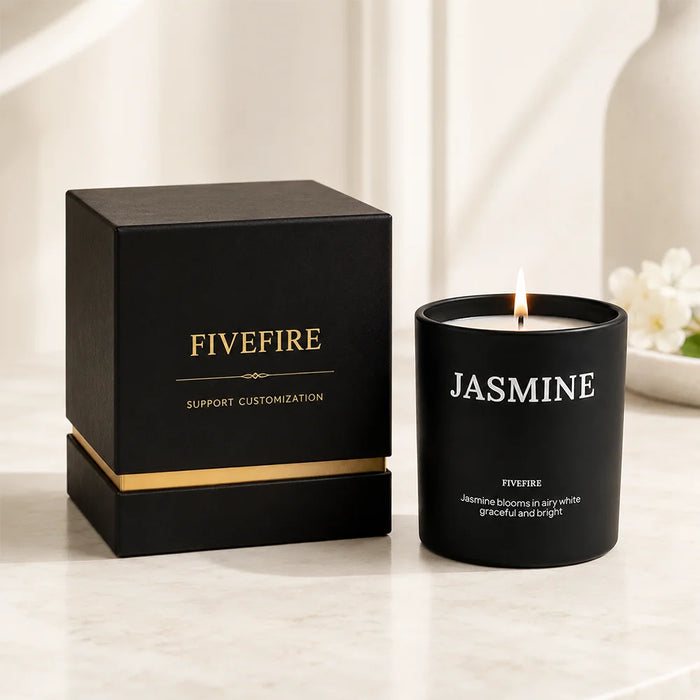
Non-apparel items demand equal discipline regarding material specs. Artisanal self-care lines—including hand-poured soy candles in custom ceramic or amber glass jars, organic soaps with botanical scents, and natural lip balms—rely heavily on tactile packaging. Plastic-free packaging, recycled paper wraps, and gold-accented labels communicate care and justify higher retail price points. Small accessories, such as decorative match cloches paired with colored tip matches, ceramic mugs, enamel pins, and custom car diffusers, succeed when the graphic execution feels bespoke to the destination rather than pulled from a generic souvenir catalog.

📍 Related Sourcing Inventory / bags

Hard goods and paper products require substrates built for durability. Die-cut vinyl stickers and sticker sheets must feature thick, weather-resistant laminates that withstand water bottle dishwashing and outdoor UV exposure. Custom magnets manufactured from die-cut rubber, printed wood, or acrylic must utilize strong magnetic backings that hold securely on home surfaces. Matching artwork complexity to the correct production method ensures that souvenirs maintain their visual appeal long after the customer leaves the store.

2. Sizing Runs, Volume Benchmarks, and Batch Consistency

Managing inventory across a retail gift shop requires strict control over sizing distributions and production batch standards. In apparel sourcing, blind-ordering standard size curves often leads to stock imbalances where extreme sizes remain sitting on fixtures while middle sizes stock out. Sourcing managers must analyze historical visitor demographic data—accounting for family travel ratios, adult tourist age brackets, and regional visitor profiles—to construct targeted size runs before placing bulk garment orders.

For non-apparel categories, dimensional standardization simplifies both display fixture layouts and bulk reordering cycles. Sticker sheets and individual die-cut stickers perform best when standardized to 2-inch to 4-inch footprints, allowing them to fit into uniform acrylic countertop displays near the cash wrap. Custom drinkware—such as ceramic mugs, glass keep-cups, and stainless tumblers—should adhere to standard 11oz, 12oz, or 16oz fluid volume benchmarks to utilize standard master carton protective partitions during transit.

Merchandise Category Standard Sizing / Volume Spec Substrate / Material Benchmark Quality & Batch Control Metric
Custom Apparel (Tees/Hoodies) Unisex S–XXL (Demographic Curve) 180–300gsm Ring-Spun Cotton/Fleece Wash fastness & pre-shrunk dimensional stability
Die-Cut Vinyl Stickers 2.5" to 3.5" Individual / A5 Sheets Thick Waterproof Vinyl + Matte UV Film Peel adhesion strength & edge die-cut precision
Artisanal Soy Candles 8oz – 11oz Amber Glass / Ceramic Jar 100% Natural Soy Wax + Cotton Wick Cold/hot fragrance throw & clean surface pour
Ceramic Souvenir Mugs 11oz – 15oz Standard Mug Footprint High-Fired Glazed Ceramic Dishwasher safe print durability & thermal shock test
Custom Magnets 2" to 3" Die-Cut Custom Shape Flexible Rubber / Acrylic / Molded Wood Magnetic pull strength & surface print alignment

Maintaining batch-to-batch consistency is vital when reordering handmade or small-batch products. Artisanal self-care goods like handmade soaps, sugar scrubs, and hand-poured candles can exhibit batch variations in color or fragrance concentration if manufacturing parameters fluctuate. Establishing master reference samples with suppliers ensures that reorders maintain identical scent notes, jar fill levels, and label placement across peak seasonal sales cycles.

3. Buyer Persona Mapping, Store Aesthetics, and Purchase Occasions

Curating a profitable gift shop assortment requires aligning inventory selection with store aesthetics and customer buyer personas. Retail shops generally fall into defined aesthetic environments that dictate product selection:

  • Rustic & Heritage Aesthetics: Found in mountain outposts, national parks, and historic sites. Inventory favors textured throw blankets, ceramic mugs, embroidered twill caps, regional books, wooden children's play sets, and hand-poured candles with landmark-inspired scents.
  • Modern Minimalist Aesthetics: Common in urban museum shops, contemporary hotels, and boutique galleries. Inventory focuses on line-art ceramic keep-cups, gold-accented pocket notebooks, sleek enamel pins, aesthetic soy candles in ceramic jars, and structured linen market totes.
  • Coastal & Resort Aesthetics: Typical for beach shops, aquariums, and island resorts. Inventory highlights lightweight graphic tees, natural lip balms, ocean-themed soaps, waterproof stickers, plush novelty wildlife toys, and practical travel essentials like branded sunscreen or chargers.

Understanding customer purchase intent allows buyers to structure physical store zones for maximum basket size. Visitors generally fall into three distinct purchase mindsets: impulse buyers looking for quick, low-cost keepsakes; gift shoppers looking for thoughtful items for friends back home; and personal memory collectors seeking high-value mementos of their trip. Structuring the store fixture flow ensures every visitor persona finds an immediate match.

The cash wrap area represents the highest-converting square footage in the store. Positioning low-friction impulse items—such as die-cut stickers, custom magnets, natural lip balms, motivational pens, embroidered merit patches, and branded snacks like trail mix or packaged candies—directly at checkout triggers spontaneous add-on purchases. If an item is under a low price threshold, lightweight, and easy to toss into a bag, visitors say yes with minimal hesitation.

4. Decoration Technique Comparison Across Hard Goods, Apparel, and Souvenirs

Selecting the right decoration technique impacts visual appeal, unit manufacturing cost, and product durability. A graphic layout designed for a paper notebook cover requires structural translation when applied to an embroidered cap, a die-cut magnet, or a ceramic mug. Evaluating decoration mechanics prevents costly pre-production errors and ensures long-term customer satisfaction.

Decoration Technique Primary Product Application Visual / Tactile Finish Cost & Setup Trade-Off
Direct Embroidery Custom Caps, Hoodies, Canvas Totes 3D Raised Thread Texture; High Luster Higher setup digitized stitch cost; durable finish
Screen Printing Graphic Tees, Linen Totes, Printed Bags Vibrant Ink Layer; Flat Surface Finish Low per-unit cost on volume runs; setup per color
Die-Cut Vinyl Printing Stickers, Sticker Sheets, Labels Crisp Full-Color Graphics; Gloss/Matte Film Low setup cost; highly flexible shape contours
Enamel & Die-Struck Molding Enamel Pins, Keychains, Metal Badges Recessed/Raised Metallic Lines; Hard Enamel Fill Custom mold fee required; high perceived retail value
Ceramic Glaze & Line Art Decal Ceramic Mugs, Keep-Cups, Candle Jars Smooth, Integrated Fired Surface Art Requires high-temperature kiln firing; dishwasher durable

Hard goods and small accessories benefit from specialized molding and printing processes. Enamel pins and embroidered merit-style patches provide compact, highly collectible souvenirs that carry high retail markups relative to their physical size. For custom drinkware, applying minimalist line art or scenic landmark illustrations via high-fired ceramic decals ensures the artwork will not peel, scratch, or fade during dishwasher cleaning cycles.

📍 Related Sourcing Inventory / sleeves

When decorating travel essentials and convenience goods—such as portable chargers, car diffusers, or reusable water bottles—keeping branding clean and understated yields better sell-through. Visitors prefer travel accessories where location branding feels tasteful rather than overwhelming, allowing the product to function seamlessly in their daily lives after the trip concludes.

5. Wholesale Sourcing Routes, Margin Structuring, and Lead Times

Structuring a profitable retail gift shop requires balancing wholesale sourcing channels to protect gross margins while maintaining inventory flexibility. Buyers can source goods through two primary routes: digital B2B wholesale platforms (such as Faire) for small-batch, curated artisanal lines, or direct factory manufacturing for high-volume custom souvenirs like apparel, stickers, and drinkware.

Quick Answer: How do wholesale margins compare between impulse souvenirs and custom apparel?

Impulse souvenirs like custom stickers, magnets, and keychains yield high percentage gross margins (often 60% to 75%) but lower absolute dollar returns per unit. Custom apparel and artisanal home decor operate on standard keystone pricing (50% margin) but generate significantly higher absolute dollar profit per transaction.

Sourcing small-batch artisanal goods—such as handmade soaps, soy candles, and regional books—through wholesale platforms allows store managers to place low-MOQ opening orders, test customer demand, and swap out slow-moving SKUs. However, for high-velocity core items like branded tees, die-cut magnets, and sticker sheets, contracting directly with primary manufacturers unlocks volume price breaks that significantly boost profit margins.

Lead time management is critical when preparing for peak tourist seasons, holiday surges, or summer travel windows. Offshore custom manufacturing for die-cast enamel pins, plush toys, or custom ceramics requires 45 to 65 days including ocean freight. Domestically printed stickers, apparel, and labeled food goods generally operate on 10 to 20 day turnarounds. Maintaining a reorder calendar with built-in buffer times prevents empty displays during high-traffic weekends.

📍 Related Sourcing Inventory / branded

6. Quality Control, Protective Transit Packaging, and Return Risk

The final phase of gift shop inventory management centers on quality control, fragile item packaging, and minimizing transit damage. Because travelers carry souvenirs home in suitcases or personal bags, fragile goods like ceramic mugs, glass match cloches, and amber candle jars present significant return and breakage risks if packaging is neglected at point-of-sale.

Retail Gift Shop Quality Control Checklist

  • Verify that ceramic mugs and glass keep-cups pass thermal shock and dishwasher durability tests.
  • Inspect sticker and magnet die-cuts for smooth edges and consistent adhesive backing.
  • Ensure all artisanal self-care products display clear ingredient lists and safety seals.
  • Check apparel seams, embroidery backing smoothness, and wash-label accuracy.
  • Confirm that protective transit boxes or bubble sleeves are stocked for all fragile glass and ceramic SKUs.

Inspect incoming wholesale shipments immediately upon delivery before placing goods on sales fixtures. Check printed textiles for dye lot consistency and print alignment. Test sample stickers and magnets for adhesive strength. Verify that natural self-care products display clear ingredient labeling and tamper-evident seals to meet retail consumer safety expectations.

By establishing rigorous material specifications, aligning inventory with store aesthetics, balancing impulse items with high-value keepsakes, and enforcing protective packaging standards, retail gift shop buyers can build a resilient, high-margin product mix that delights visitors and drives consistent retail profitability.

Structuring a retail gift shop assortment requires balancing low-friction impulse items like die-cut stickers and magnets near checkout with higher-ticket apparel and artisanal home decor.

Alignment between store aesthetics—whether rustic, modern minimalist, or coastal—and decoration methods dictates product velocity and repeat customer purchases.

Sourcing directly through wholesale platforms or primary manufacturers allows buyers to optimize unit margins and manage stock replenishment across seasonal traffic surges.
Position lightweight impulse buys, including die-cut magnets, sticker sheets, and branded lip balms, directly at the point-of-sale cash wrap to maximize add-on basket size.

Match apparel graphics to specific location landmarks, local phrases, or regional iconography rather than applying generic location text to blank garments.

Bundle complementary items, such as ceramic mugs with custom coasters or bath bombs with handmade soaps, to elevate average transaction values
Ordering uniform apparel sizing without analyzing the specific demographic profile of the venue's foot traffic.

Sourcing fragile ceramic mugs or glass cloches without evaluating protective packaging requirements for traveler transit.

Over-indexing on low-margin novelty trinkets while neglecting high-utility travel essentials that solve immediate visitor needs.

❓ Buyer Questions

Informational: What merchandise categories drive the highest transaction frequency in retail gift shops?
Answer: Low-ticket, compact impulse items drive the highest transaction frequency. Custom die-cut stickers, sticker sheets, magnets, keychains, branded snacks, and travel essentials convert quickly at checkout because they require minimal purchase deliberation and fit easily into travel luggage.

Comparison: How do artisanal self-care goods compare to souvenir trinkets for boutique margin performance?
Answer: Artisanal self-care goods—such as soy candles in amber glass, organic handmade soaps, and natural bath bombs—command higher retail price points and appeal to modern minimalist or coastal aesthetics. Souvenir trinkets like keychains or magnets yield lower absolute dollar margins per unit but deliver higher volume velocity and lower risk of inventory obsolescence.

Procurement: How should retail buyers determine minimum order quantities when sourcing through wholesale platforms?
Answer: Buyers must calculate unit landed costs against expected sell-through rates and available display footprint. Ordering lower MOQs through platforms like Faire allows testing new product lines like custom car diffusers or linen totes without tying up capital, while higher-volume direct factory runs optimize margins on core items like graphic tees.

Practical: What packaging standards prevent breakage when selling ceramic drinkware and glass cloches to travelers?
Answer: Specify die-cut corrugated insert boxes or high-density foam sleeves for all ceramic mugs, glass keep-cups, and candle jars. Providing protective drop-tested packaging at point-of-sale ensures travelers can transport fragile glass and ceramic souvenirs in checked luggage without destruction.