Creative Tote Bag Ideas for Brand Merchandise
You hand out 500 custom canvas totes at a trade show. Two weeks later, a client sends a photo of a torn handle. The bag was used for groceries—twice. The 6oz canvas couldn't handle the load. The brand now looks cheap.
This scenario is avoidable. A creative tote bag idea is only as good as the material that supports it. This guide covers the material specs, construction details, and decoration choices that separate a giveaway from a lasting brand impression.
1. The Canvas Question: Weight Matters
The canvas weight is the single most important spec for a tote bag. It determines durability, feel, and cost. The weight is measured in ounces per square yard, a standard method per ASTM D3776.
A 6oz canvas is light. It folds easily. It is cheap to produce. It is also the most common source of handle failure. A 10oz canvas is heavier. It holds its shape. It can handle daily use. A 12oz canvas is premium. It feels substantial. It is the choice for retail brands.
For a promotional program where the bag is expected to carry more than a few light items, a 10oz canvas is the minimum. This is an industry benchmark. The cost difference between 6oz and 10oz is small. The difference in durability is large.
The spec exists. The product often doesn't match it. This is why ordering a physical sample is not optional.
2. Handle Tensile Strength: The Hidden Failure Point
The handle attachment is the most common failure point. The fabric might hold. The stitching might not.
A typical handle tensile test applies a pulling force to the handle until it separates from the bag. An industry benchmark for a daily-carry tote is a 20kg minimum. This means the handle stitching can withstand that load before failing.
Not all suppliers test for this. Many will tell you the bag is "strong" without offering data. If you are ordering for a program where the bag will be used regularly, ask for the tensile test result. If the supplier cannot provide it, you are operating on trust. One supplier, two rounds of sampling, then you commit. This sequence is a best practice.
Reinforced stitching—often called bar tacking—at the handle attachment point is a standard practice to distribute load and prevent tearing. Confirm that the sample includes this reinforcement.
3. The Gusset: Volume Matters
A flat tote bag has limited capacity. It is fine for a brochure or a small item. It is not fine for a laptop, a water bottle, and a jacket.
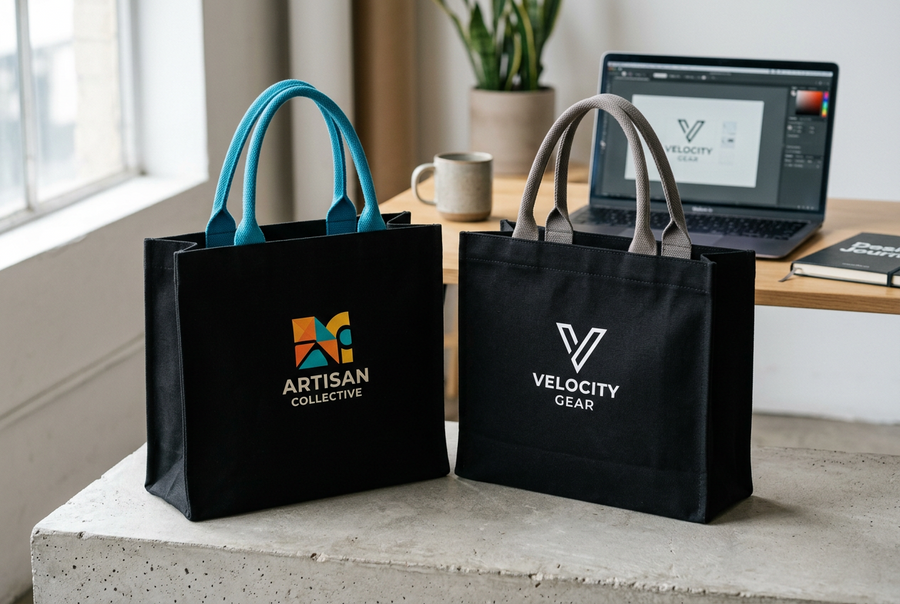
A gusset is the fabric panel that adds depth. The gusset depth is measured in centimeters. A 5cm gusset adds a small amount of volume. A 10cm gusset significantly increases the bag's capacity. A 15cm gusset creates a deep bag suitable for shopping or daily carry.
Specify the gusset depth in your artwork brief and sample approval. Do not rely on a photo. A photo of a flat bag does not show you the gusset. The sample is the only way to confirm the volume.
This is where most buyers slow down. They assume a bag has enough space. They don't check the gusset. Then their recipient tries to use the bag for a real purpose and finds it too small.
4. Decoration Methods: Matching Process to Material
The decoration method must match the substrate. A mismatch leads to a failed print.
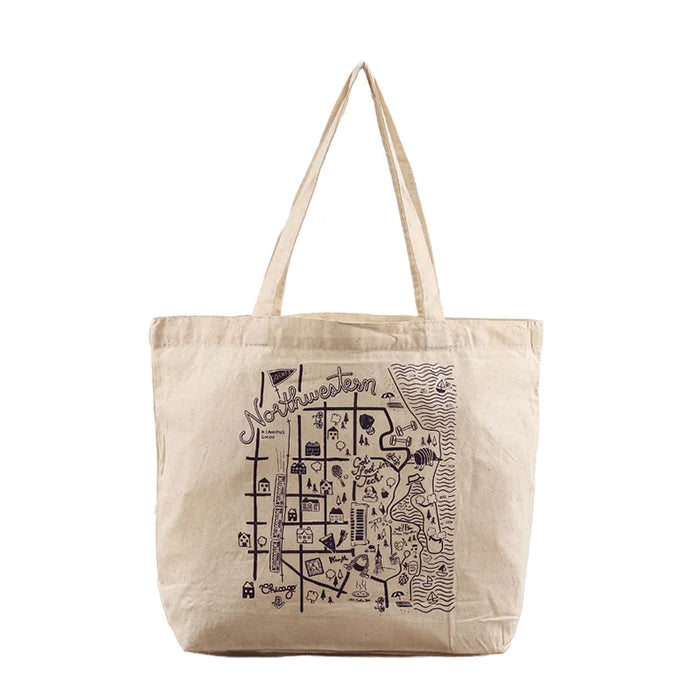
Screen printing is the standard for canvas. It is durable, cost-effective for bulk orders, and works well on natural fibers. The ink sits on the surface. It can handle simple logos and solid colors.
Sublimation requires a polymer coating. The ink bonds with the coating, not the fabric. On standard cotton canvas, sublimation will wash out or fade quickly. If you want a full-bleed, photographic design, use a polyester-coated canvas or a polyester substrate.
Embroidery adds a premium feel. It is durable and professional. It is also more expensive and limited in detail. Small text or fine lines do not embroider well.
DTF (Direct-to-Film) transfers are a newer option. They offer good detail and color saturation without the setup cost of screen printing. They work on canvas and other substrates. They are a good choice for small batches.
Choose the method that matches the design complexity and the fabric. Your supplier should be able to advise on compatibility.
5. The Non-Woven Option: When Cost Drives the Decision
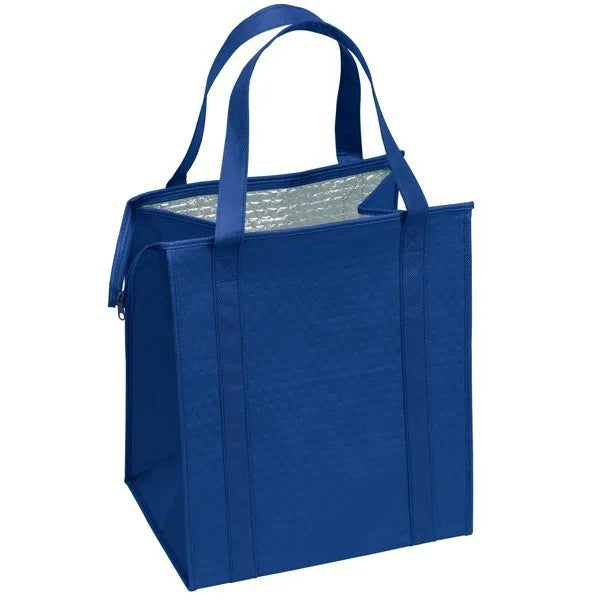
Non-woven polypropylene (PP) is a different category. It is not canvas. It is a synthetic fabric made from bonded fibers. It is cheap to produce and widely used for promotional giveaways.
Non-woven PP has a basis weight measured in grams per square meter (gsm). 80gsm is a common entry-level weight. 100gsm is more durable. 120gsm is heavier and feels more substantial.
These bags are suitable for light use. They are not designed for daily carry. They are a cost-effective option for events where the bag is likely to be used once or twice.
If you choose non-woven PP, understand the trade-off. You get a lower cost per unit. You get a lower perceived value and lower durability. This is a conscious trade-off for high-distribution programs.
6. The Polyester Alternative: Durability and Water Resistance
Polyester 600D is a common fabric for backpacks and heavy-duty totes. It is durable, water-resistant, and holds its shape. It is a different look and feel than canvas.
600D polyester is a good choice for outdoor events or programs where the bag will be exposed to the elements. It also holds sublimation prints well because it is a synthetic fiber.
The trade-off is cost and brand perception. Canvas has a natural, premium feel that polyester does not. Polyester is perceived as more utilitarian. Choose based on the program's purpose.
7. The Practical Checklist
Before you place your next tote bag order, run through this checklist.
- What is the intended load weight? Answer this to determine the minimum fabric weight.
- What is the primary use case? This determines whether you need 10oz canvas or non-woven PP.
- What decoration method will you use? Confirm compatibility with the substrate.
- Have you specified the gusset depth in centimeters? This confirms the bag's volume.
- Have you requested a tensile test for the handle? This confirms the stitching will hold.
- Have you ordered a physical sample? This confirms all of the above.
A sample is a small investment. A bad batch is a large mistake. The cost of a sample is negligible compared to the cost of a program failure.
8. The Client's Perspective
A tote bag is not a static object. It is a mobile billboard. Every time it is used, it promotes your brand. But only if it is used.
A bag that is too small, too flimsy, or poorly printed ends up in the back of a closet. A bag that is durable, well-proportioned, and well-printed becomes a daily companion. The cost per impression drops dramatically the more the bag is used.
Invest in the bag that will be used. It pays off in brand visibility.
Frequently Asked Questions
What is the difference between 10oz and 12oz canvas for a tote bag? The weight refers to the fabric density per square yard, measured under ASTM D3776. A 10oz canvas is durable for daily carry. A 12oz canvas is heavier and stiffer, offering a premium feel and better shape retention. Choose 12oz for high-end retail use and 10oz for standard promotional programs.
What is the best decoration method for a canvas tote bag? Screen printing is the standard for canvas. It is durable and cost-effective for bulk orders. Embroidery adds a premium feel but is more expensive and limited in detail. Sublimation requires a poly-coated canvas and is best for full-bleed designs. DTF (direct-to-film) is a newer option with good detail and no setup cost.
How do I test handle strength before bulk production? Request a handle tensile test from your supplier. The handle stitching is typically tested to a load threshold. An industry benchmark is a 20kg minimum pull test. Ask for documentation of the test results. If the supplier cannot provide it, consider sampling a competitor.
What is a gusset and why does it matter? A gusset is the fabric panel that adds depth to a bag. A flat bag has no gusset and limited capacity. A 10cm gusset significantly increases volume. Specify the gusset depth in centimeters on your artwork brief and sample approval to ensure you get the capacity you need.