Best Custom Products for Holiday Promotions

Best Custom Products for Holiday Promotions

You have a holiday budget. You need promotional merchandise. The options are overwhelming. A "best" list is only useful if it matches your specific situation—your audience, your budget, and your timeline. A branded mug might be perfect for one program. A custom hoodie might be better for another. This guide helps you navigate the trade-offs and choose the right products for your holiday campaign.
FOR STAGE 1 — Holiday Program Definition: Buyer defines the audience, budget, and delivery date for the promotion. STAGE 2 — Product Selection: Buyer selects a product based on utility, cost, and lead time. STAGE 3 — Supplier Coordination: Buyer orders samples and places the final order with a buffer for shipping. SUMMARY This guide helps procurement and brand leaders choose the right custom produc... INTENT Holiday promotions demand the right custom products. This...

Article Summary: This guide helps procurement and brand leaders choose the right custom products for holiday promotions. It covers evaluation criteria, product comparisons, and a framework for making a decision that fits your budget and timeline.

Key Takeaways: Build a category-specific lead time matrix before program timeline planning.** Know the production and shipping lead time for each item to plan backward from your delivery date. - **Assign Pantone PMS references per brand color across all vendors.** Color consistency across products ensures a professional and cohesive brand image. - **Conduct category-level compliance risk assessment before vendor selection.** Compliance requirements can affect lead time and cost. Identify them early.

Practical Tips: Plan early.** Start your holiday sourcing process at least 8-12 weeks before your target delivery date. - **Consider gift packaging.** A simple branded box or tissue paper can enhance the perceived value of your gift. - **Order samples early.** A physical sample confirms quality and color before you place the full order. Factor this into your timeline.

Common Mistakes: Starting the sourcing process too late.** Holiday production schedules fill up early. Custom products require sampling and production lead times. Starting in October for December delivery is often too late. Plan 8-12 weeks ahead. - **Ordering trendy items that lack utility.** A custom fidget spinner might be memorable, but a notebook will be used daily. Utility drives brand visibility. Choose products that recipients will actually use. - **Ignoring shipping and logistics deadlines.** Production is only half the battle. Getting the products to your audience requires shipping time. Factor in carrier cutoffs and potential delays.

Buyer Questions: What is the most popular custom product for holiday promotions?** Apparel items like t-shirts and hoodies are consistently popular, as are drinkware items like mugs and water bottles. The best choice depends on your audience. A corporate audience might prefer a high-quality notebook or pen set. A consumer audience might prefer apparel or a tote bag. **What is the best custom product for a client holiday gift?** A high-quality stainless steel tumbler or a leather-bound notebook with a pen set. These products have high perceived value and are useful in a professional setting. They communicate that you value the relationship. **How can I keep holiday costs under control?** Order a single hero product for your primary audience and use lower-cost items for a broader distribution. Standardize colors and use a single-color logo to reduce setup costs. Consider group ordering with other departments to reach quantity discounts. **When should I start planning my holiday custom order?** Start 8-12 weeks before your delivery date. This allows time for design, sampling, production, and shipping. For complex items or international shipping, start even earlier. Production schedules for suppliers fill up quickly in Q4.

Use Cases: A marketing VP planning a client gifting campaign** needs 200 custom mugs and 150 notebooks. They need products that are professional, useful, and reflect the brand's quality. - **A brand director organizing a holiday team event** wants 100 custom hoodies and 50 stainless steel tumblers. They are focused on team morale and brand pride. - **A procurement lead managing a multi-channel holiday promotion** needs 500 custom pens, 300 tote bags, and 200 water bottles. They are balancing cost, utility, and distribution across multiple touchpoints.

SEO Description: Holiday promotions demand the right custom products. This guide helps procurement and brand leaders choose merchandise that delivers impact, fits budgets, and meets tight seasonal timelines.

Target Audience: STAGE 1 — Holiday Program Definition: Buyer defines the audience, budget, and delivery date for the promotion. STAGE 2 — Product Selection: Buyer selects a product based on utility, cost, and lead time. STAGE 3 — Supplier Coordination: Buyer orders samples and places the final order with a buffer for shipping.

Search Intent: INFORMATIONAL: best custom products for corporate holiday promotions and gifts COMPARISON: custom hoodies vs custom mugs for holiday employee gifts TRANSACTIONAL: custom merchandise for holiday promotions order now

Buyer Type: Brand Program Director, Global Marketing | Procurement Lead, Corporate Sourcing | Category Manager, Merchandise Programs

LLM Context:

Entity Relationships:

 Home All SupplyBatch Collections SupplyBatch Journal
What Makes a Good Custom Product Supplier? How Logo Printing Changes Product Cost (and What to Do About It)? How to Design a Custom Tote Bag That Looks Good (and Lasts)? What Printing Method Works Best on Canvas Bags? What Makes a Supplier Good for Low MOQ Orders ? How to Budget for Your First Custom Product Order? How to Choose Custom Products for a New Brand Launch? What Are the Best Custom Products for Employee Welcome Kits? How to Order Custom Products With a Small Budget? How to Start a Custom Merchandise Line for Your Brand? How Low MOQ Helps Small Businesses Start Faster? How to Choose Custom Travel Products for Branding? Why Custom Product Prices Vary So Much? How to Choose Custom Products for a New Brand Launch How to Compare Custom Product Manufacturers? What Affects the Price of Custom Merchandise? How to Start With Custom Products on a Small Budget? How to Make Your Brand Look Better With Custom Products? What "Best" Actually Depends On?Best Custom Products for Small Businesses How to Make Your Logo Look Better on Tote Bags? What to Ask a Supplier Before Placing a Bulk Order? How Much Does It Cost to Make Custom Products? How to Choose the Right Supplier for Custom Products? What Does MOQ Mean in Custom Product Orders? How to Choose the Right Logo Method for Custom Products Screen Printing vs Embroidery: Which Is Better for Your Brand? Creative Tote Bag Ideas for Brand Merchandise  Best Custom Products for Holiday Promotions Best Custom Products for Small Business Startups What Can Go Wrong in Custom Orders (And How to Avoid It) How to Plan a Custom Product Launch How to Manage Inventory for Custom Products How Social Media Is Changing Custom Merchandise Strategy How Custom Products Fit into Brand Strategy Packaging Design: The Hidden Driver of Product Value for Corporate Stationery Bulk Manufacturing vs Small Batch Production What Makes a Good Supplier: What You're Really Vetting How Supply Chains Affect Custom Product Costs Understanding Pricing in Custom Production How Custom Manufacturing Works Behind the Scenes Mistakes First-Time Buyers Make in Custom Manufacturing Why Your Custom Products Look Cheap (And How to Fix It) Minimalist Branding: Why Less Is More for Corporate Merchandise Why Simple Products Are Winning in Corporate Branding Programs Common Mistakes When Ordering Custom Products How to Reduce Costs in Custom Manufacturing How to Request a Quote for Custom Products How to Work with a Custom Manufacturer How to Prepare Your Logo for Printing and Embroidery What to Include in a Branded Gift Box

Best Custom Products for Holiday Promotions

You have a holiday budget. You need promotional merchandise. The options are overwhelming. A "best" list is only useful if it matches your specific situation—your audience, your budget, and your timeline.

A branded mug might be perfect for one program. A custom hoodie might be better for another. This guide helps you navigate the trade-offs and choose the right products for your holiday campaign.

📍 Related Sourcing Inventory / shirts

1. What "Best" Actually Depends On

The best custom product for your holiday promotion is the one that fits your audience, your budget, and your timeline. A "best" list is only useful if it matches your specific situation.

Consider your audience. Are they corporate clients or employees? Corporate clients might appreciate a high-quality notebook or pen set. Employees might prefer a hoodie or a water bottle.

Consider your budget. A cheaper product might allow you to order more units, but it might also look cheap. A more expensive product will make a stronger impression but will cost more per unit.

Consider your timeline. Holiday production schedules fill up early. A product with a long lead time may not be feasible if you are starting late.

This is where a Program ROI Per-Unit Cost Model can help. Calculate the cost per impression or per use, not just the unit cost. A product that is used daily has a lower cost per impression than one that is looked at once and discarded.

2. Evaluation Criteria That Actually Matter

For a holiday promotion, the evaluation criteria are different than for a regular program. You are working with a fixed timeline and often a fixed budget.

Lead Time. This is a critical constraint. A product with a long lead time might not be feasible for a holiday deadline. Digital transfer printing offers faster production than screen printing. Check lead times before you commit.

Utility. The more useful the product, the more valuable it is. A notebook is more useful than a keychain. A t-shirt is more likely to be worn than a stress ball. Utility drives brand visibility and recipient appreciation.

Perceived Value. A product that looks and feels high-quality reflects positively on your brand. A cheap product can send a negative message. Balance cost with quality to ensure the product meets your brand standards.

Shipping and Logistics. A product that is fragile (like a mug) requires careful packing and may incur higher shipping costs. A product that is bulky (like a hoodie) may have higher shipping costs per unit. Factor this into your total cost.

3. How the Main Options Stack Up

Here is a comparison of the most common custom products for holiday promotions, evaluated against the criteria above.

Holiday Promotions Product Comparison

Product Lead Time Utility Perceived Value Shipping Consideration
Hoodies Long (3-5 weeks) High High Bulky; higher shipping cost
T-Shirts Short (DTG), Long (Screen) High Medium Moderate shipping cost
Mugs Medium (3-4 weeks) Medium High Fragile; careful packing required
Water Bottles Medium (3-4 weeks) High High Moderate; durable
Tote Bags Medium (2-4 weeks) Medium Medium Moderate; pack flat
Notebooks Medium (2-4 weeks) High High Low; lightweight
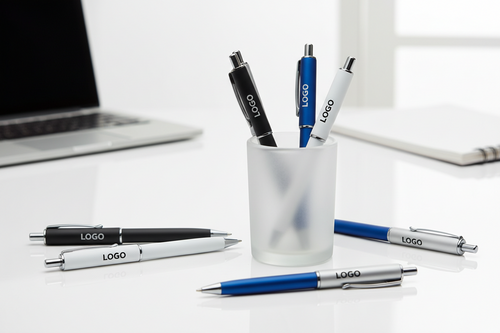
Pens Short (2-3 weeks) Low Low Low; lightweight

As you can see, notebooks and water bottles offer a strong balance of high utility, manageable lead time, and high perceived value. T-shirts are a solid choice if you have the lead time for screen printing or can use digital transfer.

This is where the Multi-Category Lead Time Matrix becomes essential. For a multi-product holiday program, map the lead time for each item to ensure all products arrive on time.

4. When Each Option Actually Wins

Hoodies are ideal for employee gifts or team events. They build team spirit and have a high perceived value. They are also more expensive, so they should be reserved for a smaller, more targeted audience.

T-shirts are the classic promotional item. They are a low-cost, high-distribution item. A custom t-shirt is a walking billboard. They are a safe choice for broad holiday promotions.

Mugs are a classic office staple. They are useful and have a high perceived value. They are a good choice for client gifts or for employees who work in an office environment. They are fragile, so account for shipping costs.

Water bottles are a durable and useful item. They are a good choice for wellness-focused promotions or outdoor events. They have a high perceived value and are used daily.

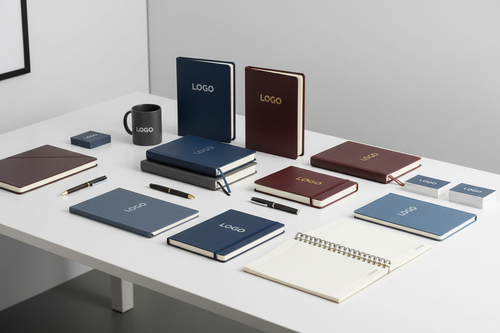
Notebooks are ideal for professional gifts. They are useful and have a high perceived value. They are a good choice for corporate clients or for sales teams.

Tote bags are a sustainable and practical option. They are a good choice for retail promotions or for brands with an eco-conscious audience. They offer a large branding area.

One product might be the right choice for a client holiday gift. A different product is right for an employee appreciation event. The context matters.
📍 Related Sourcing Inventory / water-bottles

5. The Holiday Timeline: A Practical Framework

A holiday promotion is a time-sensitive project. A framework for planning helps you stay on track.

Start with the delivery date. When does the product need to be in the hands of your audience? Work backward from that date. Subtract the shipping time from the supplier to your location. Subtract the production lead time. Subtract the sampling and approval time.

This exercise reveals the realistic timeline. It often shows that you need to start the process much earlier than you thought. It also identifies which items are on the critical path.

This is the foundation of a Multi-Category Lead Time Matrix. For each category, you list the lead time, shipping time, and buffer. The matrix shows you the latest date you can start each category to meet the holiday deadline.

The honest answer here depends on things suppliers don't always tell you upfront—like their own capacity constraints during Q4. Build a buffer for this uncertainty.

6. A Reasonable Way to Decide

You are not choosing a product in a vacuum. You are choosing a product for a specific holiday purpose. This is how you decide.

First, define the primary use case. Will it be a client gift? An employee reward? A giveaway at a holiday party? The use case determines the product type.

Second, set a budget. Determine how much you can spend per unit and in total. This will eliminate some options immediately.

Third, check the lead time. Does the supplier's timeline meet your holiday deadline? If not, look for another product or supplier.

Fourth, order a sample. This is a protective step. A sample is a small investment that prevents a large mistake. A physical sample confirms quality, color, and feel.

Finally, place your order with a buffer for shipping. A holiday order that arrives a week late is a missed opportunity.

This process helps you make a decision that is grounded in your specific reality, not a general "best" list.

📍 Related Sourcing Inventory / pens

7. The Review: A Continuous Improvement Cycle

After the holiday season, conduct a review. What worked? What didn't? Use this information to improve your next program.

Review the timeline against the actual schedule. Were the lead times accurate? Did the sampling phase take longer than expected? Use this data to refine your Multi-Category Lead Time Matrix for future holiday seasons.

Review the supplier performance. Did each supplier meet their deadlines? Was the quality consistent with the sample? Use this to update your Cross-Category Vendor Scorecard.

This review feeds into the next Annual Program Renewal Cycle. It ensures that each holiday promotion is better than the last.

Frequently Asked Questions

What is the most popular custom product for holiday promotions? Apparel items like t-shirts and hoodies are consistently popular, as are drinkware items like mugs and water bottles. The best choice depends on your audience. A corporate audience might prefer a high-quality notebook or pen set. A consumer audience might prefer apparel or a tote bag.

What is the best custom product for a client holiday gift? A high-quality stainless steel tumbler or a leather-bound notebook with a pen set. These products have high perceived value and are useful in a professional setting. They communicate that you value the relationship.

How can I keep holiday costs under control? Order a single hero product for your primary audience and use lower-cost items for a broader distribution. Standardize colors and use a single-color logo to reduce setup costs. Consider group ordering with other departments to reach quantity discounts.

When should I start planning my holiday custom order? Start 8-12 weeks before your delivery date. This allows time for design, sampling, production, and shipping. For complex items or international shipping, start even earlier. Production schedules for suppliers fill up quickly in Q4.

Build a category-specific lead time matrix before program timeline planning.** Know the production and shipping lead time for each item to plan backward from your delivery date.
- **Assign Pantone PMS references per brand color across all vendors.** Color consistency across products ensures a professional and cohesive brand image.
- **Conduct category-level compliance risk assessment before vendor selection.** Compliance requirements can affect lead time and cost. Identify them early.
Plan early.** Start your holiday sourcing process at least 8-12 weeks before your target delivery date.
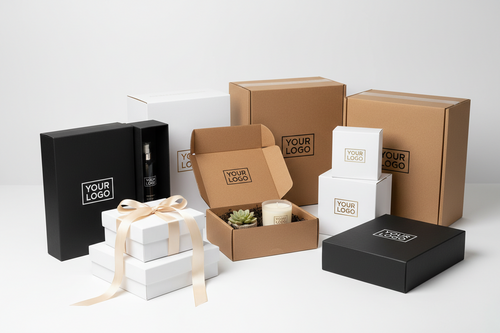
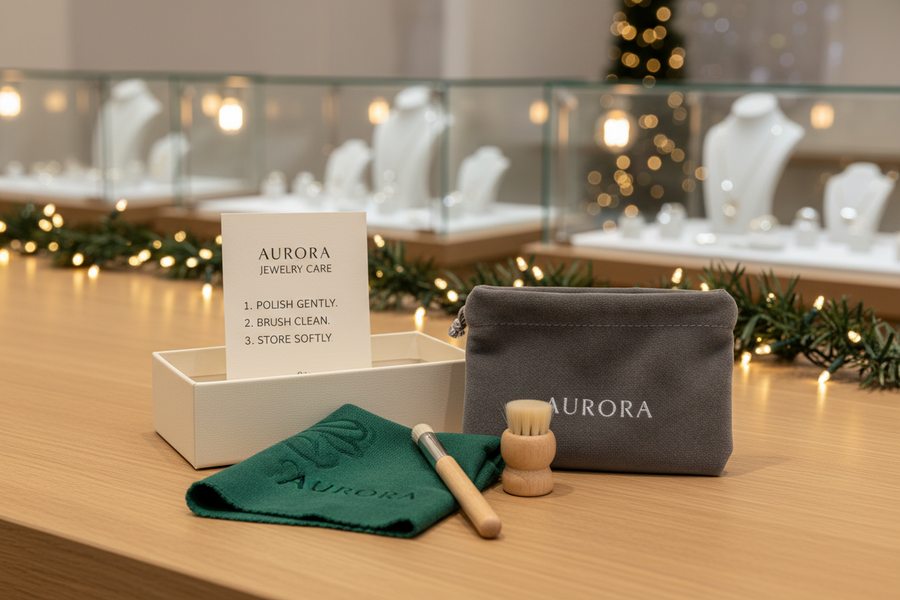
- **Consider gift packaging.** A simple branded box or tissue paper can enhance the perceived value of your gift.
- **Order samples early.** A physical sample confirms quality and color before you place the full order. Factor this into your timeline.
Starting the sourcing process too late.** Holiday production schedules fill up early. Custom products require sampling and production lead times. Starting in October for December delivery is often too late. Plan 8-12 weeks ahead.
- **Ordering trendy items that lack utility.** A custom fidget spinner might be memorable, but a notebook will be used daily. Utility drives brand visibility. Choose products that recipients will actually use.
- **Ignoring shipping and logistics deadlines.** Production is only half the battle. Getting the products to your audience requires shipping time. Factor in carrier cutoffs and potential delays.
A marketing VP planning a client gifting campaign** needs 200 custom mugs and 150 notebooks. They need products that are professional, useful, and reflect the brand's quality.
- **A brand director organizing a holiday team event** wants 100 custom hoodies and 50 stainless steel tumblers. They are focused on team morale and brand pride.
- **A procurement lead managing a multi-channel holiday promotion** needs 500 custom pens, 300 tote bags, and 200 water bottles. They are balancing cost, utility, and distribution across multiple touchpoints.

❓ Buyer Questions

What is the most popular custom product for holiday promotions?**
Apparel items like t-shirts and hoodies are consistently popular, as are drinkware items like mugs and water bottles. The best choice depends on your audience. A corporate audience might prefer a high-quality notebook or pen set. A consumer audience might prefer apparel or a tote bag.

**What is the best custom product for a client holiday gift?**
A high-quality stainless steel tumbler or a leather-bound notebook with a pen set. These products have high perceived value and are useful in a professional setting. They communicate that you value the relationship.

**How can I keep holiday costs under control?**
Order a single hero product for your primary audience and use lower-cost items for a broader distribution. Standardize colors and use a single-color logo to reduce setup costs. Consider group ordering with other departments to reach quantity discounts.

**When should I start planning my holiday custom order?**
Start 8-12 weeks before your delivery date. This allows time for design, sampling, production, and shipping. For complex items or international shipping, start even earlier. Production schedules for suppliers fill up quickly in Q4.