What Custom Products Work Best for Coffee Shops?
What Custom Products Work Best for Coffee Shops
Despite common assumptions, people do not visit cafes solely to get a quick caffeine fix. When customers step into a cafe, they are looking for a specific environment and community feel. Every coffee shop maintains a distinct brand identity, and presenting that identity effectively requires thoughtful operational execution.
Fortunately, practical branding options exist to transform a coffee shop into a memorable place that keeps customers returning. In this guide, we review some of the most practical custom products that elevate cafe operations, build brand recognition, and drive add-on retail sales.
1. Custom Team Uniforms and Workwear for Coffee Shops
Cafes and coffee shops are frequently relaxed regarding staff dress codes, but skipping standardized uniforms misses a clear branding opportunity. Establishing a unified visual identity through team uniforms makes your staff instantly recognizable to patrons throughout the service area.
Consider established leaders in the coffee industry. Green aprons with distinct embroidered logo artwork instantly identify staff members, creating a clear distinction between an established brand and an unbranded shop. When loyal customers enter, they know what to expect regarding service and can easily locate assistance.
During peak operational hours, busy counter spaces can overwhelm visitors. Equipping staff with custom aprons or printed t-shirts allows patrons to spot an employee quickly when they need help. Standardized workwear reinforces operational standards, maintains dress code consistency across shifts, and highlights your team in a professional manner while promoting company values. Investing in t-shirts, canvas aprons, or branded jackets provides a stylish way to showcase your brand in store.
What actually determines apparel lifespan in high-volume foodservice is fabric weight and decoration method. Heavy cotton canvas above 280 GSM combined with embroidery withstands daily commercial laundering without color fading or seam breakdown.
2. Custom Drinkware and Branded To-Go Packaging
The average coffee shop handles a substantial volume of beverage sales daily. Industry survey data indicates that daily coffee consumption remains consistently above 60% among adults in key consumer markets.
Despite this daily volume, many cafes continue serving drinks in generic stock disposable coffee cups. Choosing custom disposable cups gives you the ability to put your brand directly in front of target customers. Patrons rarely consume their drinks inside the shop exclusively; people take takeaway coffee into workplaces, public transit, and remote meetings. Custom insulated paper cups turn daily takeaway sales into mobile billboards, generating organic visibility for your business.
For dine-in service, branded ceramic mugs and glass serverware reinforce the in-cafe experience. High-fire ceramic glaze treatments ensure custom printed logos survive high-temperature commercial dishwasher cycles without degrading over time.
In most cases, takeaway cup customization yields the single highest return on investment per unit cost because each cup travels through multiple public environments before disposal.
3. Branded Visual Signage and Floor Graphics
Coffee shop visitors respond strongly to visual elements, making physical store graphics central to cafe branding strategies. Branded visuals remind patrons that they have stopped by your specific cafe rather than an unbranded establishment, adding personality to the space.
Visual elements range from custom wall art and acrylic signs to dimensional light-up signs. Displaying core values, mission statements, or clean logo graphics on store walls transforms empty surfaces into engaging customer touchpoints.
Floor graphics offer an practical way to manage foot traffic and direct ordering queues near the main counter. As patrons wait in line, floor decals reinforce brand messaging while organizing customer flow. Custom outdoor signs and menu displays also encourage passersby to walk in and explore your menu offerings. Replacing plain walls with helpful signage creates a welcoming interior design with minimal maintenance effort.
The part that pays off most in retail signage is selecting UV-resistant inks and anti-slip floor laminates rated for high foot traffic to prevent premature fading or wear.
4. Custom Retail Merchandise and Branded Goods
Retail shelves in popular coffee shops frequently display branded mugs, travel tumblers, and specialty accessories. Patrons purchase these items because owning merchandise from a favorite local cafe allows them to show support for local businesses while carrying a piece of their daily routine home.
When customers see thoughtfully designed merchandise on store shelves, impulse purchases follow naturally. Offering branded ceramic mugs, coffee sleeves, or stainless steel tumblers gives patrons a practical souvenir while generating additional revenue for the store.
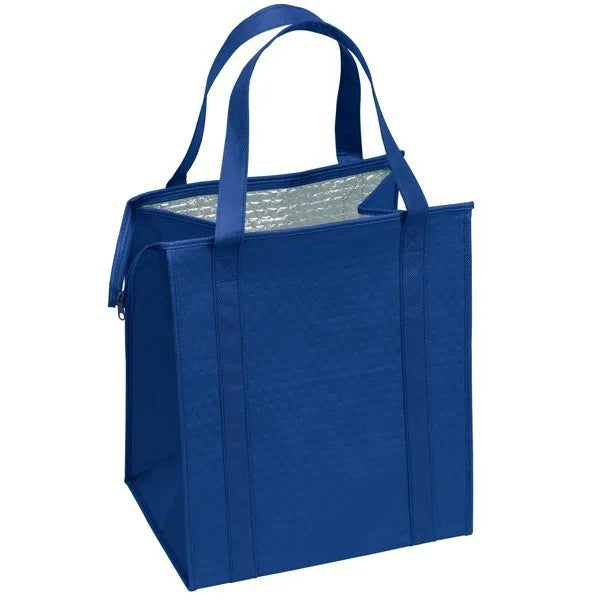
Beyond drinkware, soft goods like novelty t-shirts, canvas totes, and keychains perform exceptionally well in coffee shop retail programs. Featuring a clean logo or tasteful coffee typography enables patrons to incorporate your brand into their everyday wardrobe.
The difference between standard promotional items and profitable retail lines comes down to choosing practical everyday goods with clean typography over cluttered promotional slogans.
5. Custom Seating, Fixtures, and Interior Furniture
Coffee shops serve as community gathering hubs and remote work spaces, making furniture selection a core component of overall brand identity. Furniture does not require branded logos burned into every wood surface to communicate brand values; instead, texture, material, and layout define the atmosphere.
Selecting furniture options that align with brand identity is essential. A cozy neighborhood cafe benefits from warm timber tables and comfortable upholstered seating that encourages lingering. Conversely, high-volume grab-and-go concepts benefit from streamlined seating layouts and durable solid surfaces that keep queue lines moving efficiently.
Balancing durability with comfort ensures furniture handles daily commercial traffic without frequent replacement. Investing in commercial-grade finishes and stain-resistant materials protects long-term capital investments while maintaining an inviting aesthetic.
What actually determines interior longevity in busy cafes is selecting commercial-grade powder-coated frames and stain-resistant upholstery over residential furniture.
6. Coffee Shop Product Sourcing Decision Matrix
During sampling for a similar program, evaluating minimum order quantities and supplier lead times early prevented stockouts during peak opening weeks. To evaluate which custom product categories fit your operational budget and storage capacity, compare primary options across standard sourcing parameters:
| Option | Best For | MOQ Range | Key Trade-Off | Typical Lead Time |
|---|---|---|---|---|
| Custom Canvas Aprons | Staff uniforms & brand identity | 50 - 200 units | Higher initial unit cost than t-shirts | 2 - 3 weeks |
| Custom Printed Cups | Takeaway beverage sales & mobile exposure | 5,000 - 50,000 units | Requires dry warehouse storage space | 3 - 5 weeks |
| Ceramic Mugs | Retail sales & customer loyalty | 144 - 500 units | Fragile freight handling considerations | 3 - 4 weeks |
| Floor & Wall Graphics | In-store navigation & queue branding | 10 - 50 units | Subject to wear from high foot traffic | 1 - 2 weeks |
| Branded Canvas Totes | Add-on retail merchandise lines | 100 - 500 units | Lower gross margin than ceramic mugs | 2 - 3 weeks |
Final Thoughts on Coffee Shop Custom Branding
Defining a coffee shop brand involves creating a distinct physical environment inside store walls while extending brand touchpoints into the surrounding community. Utilizing custom workwear, branded packaging, engaging visual signage, and retail merchandise builds strong visual consistency.
Focusing on product quality, durable decorating methods, and realistic sourcing lead times ensures your custom branding program delivers lasting customer loyalty and sustained profitability.