How to Use Merchandise to Build Brand Recognition?

How to Use Merchandise to Build Brand Recognition?

The assumption that a bigger order always means a better price only holds up about half the time. A brand manager with a $3,000 budget and a list of product ideas needs to make a choice that builds brand recognition, not just gives away free stuff. The decision is about product utility, consistency, and the experience—not just the logo. This Q&A guide breaks down how to use merchandise to build brand recognition, based on what actually drives long-term brand recall.
FOR STAGE 1 — Audience & Context Definition: Buyer identifies the target audience's daily life and the context of use. STAGE 2 — Product & Category Selection: Buyer selects products that fit the audience's routine and align with brand identity. STAGE 3 — Consistency & Experience: Buyer ensures visual consistency and designs a positive unboxing experience. SUMMARY This Q&A guide covers how to use merchandise strategically to build brand rec... INTENT Learn how to use branded merchandise to build lasting bra...

Article Summary: This Q&A guide covers how to use merchandise strategically to build brand recognition through product utility, consistency, and the unboxing experience. It provides a framework for selecting and deploying merchandise that creates lasting brand awareness.

Key Takeaways: Utility drives retention.** A product that is useful is kept and used, creating repeated brand exposure. A product that is not useful is discarded after one use. The difference is the cost per impression. - **Consistency builds recognition.** A consistent visual identity across all merchandise—logo, colors, typography—creates a cohesive brand experience. Inconsistent branding dilutes recognition. - **The unboxing experience is a brand touchpoint.** How a product is packaged and presented signals quality. A thoughtful unboxing experience reinforces brand perception and creates a positive association.

Practical Tips: Choose products that fit your target audience's daily life.** If you're a B2B brand, notebooks and pens fit office life. If you're a lifestyle brand, tote bags and water bottles fit daily routines. - **Audit your current merchandise for consistency.** Review all branded items for color consistency, logo placement, and overall quality. Inconsistency dilutes brand recognition. - **Test the unboxing experience with a small group.** Order a small batch of your merchandise with packaging and ask for feedback. A pilot test reveals issues before a full program launch.

Common Mistakes: Assuming a bigger logo always means more recognition.** A logo that's too large or poorly placed can look unprofessional. Brand recognition comes from consistency and quality, not logo size. A smaller, well-placed logo on a product that is kept and used is more valuable than a large logo on a product that gets tossed. - **Choosing novelty over utility.** A product that is novel but not useful will be looked at once and discarded. A product that is useful will be used repeatedly, creating ongoing brand exposure. Utility drives retention, which drives recognition. - **Skipping packaging and unboxing considerations.** How a product arrives matters as much as the product itself. A plain poly bag misses an opportunity to build anticipation and reinforce brand identity. Packaging is a low-cost, high-impact touchpoint.

Buyer Questions: What is the most effective custom product for building brand recognition?** The most effective product is one that fits the recipient's daily life and is used frequently. For a corporate audience, a high-quality notebook or pen is used daily. For a consumer audience, a tote bag or water bottle is used regularly. The product should be useful, durable, and aligned with the brand's visual identity. **How do I measure the impact of my merchandise program?** Track impressions (how many times the product is seen), retention (how long the product is kept), and engagement (social media mentions). A useful product that is kept for 6 months has a lower cost per impression than a product that is discarded after one event. A simple survey of recipients can also provide qualitative feedback. **What is the difference between a giveaway and a brand-building product?** A giveaway is a low-cost, high-volume item with minimal brand impact. A brand-building product is designed to be kept and used, creating repeated brand exposure. The difference is in the product quality, utility, and the unboxing experience. A brand-building product reflects the brand's values and creates a positive association. **How do I maintain brand consistency across multiple product categories?** Develop a comprehensive brand guide that includes Pantone PMS references, logo placement guidelines, and typography standards. Require all suppliers to match the guide and request physical color proofs before bulk production. A consistent visual identity across products is the foundation of brand recognition.

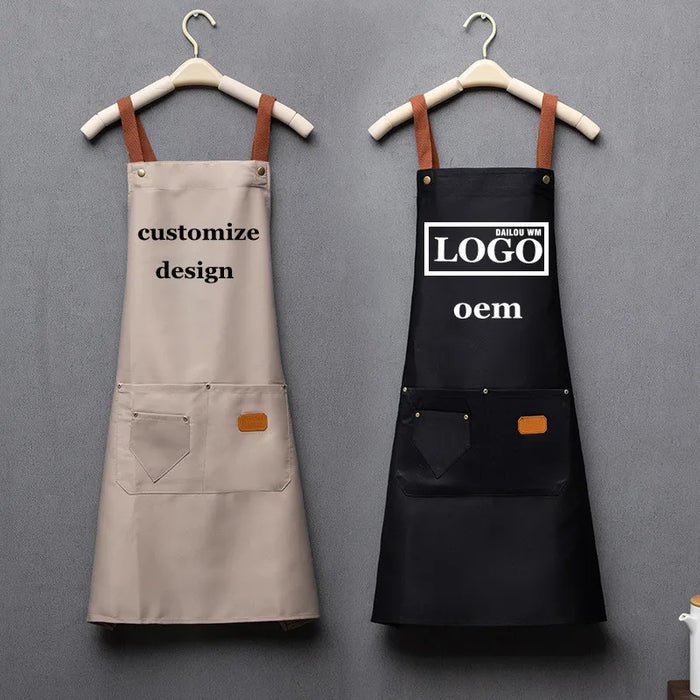
Use Cases: A brand manager** planning a customer appreciation campaign, needing to choose products that will be kept and used, creating ongoing brand visibility. - **A startup founder** developing a merchandise program for the first time, seeking guidance on product selection and brand consistency. - **An event marketing lead** sourcing giveaways for a trade show, needing items that will be used long after the event.

SEO Description: Learn how to use branded merchandise to build lasting brand recognition through product utility, consistency, and the unboxing experience. A strategic guide for brand managers.

Target Audience: STAGE 1 — Audience & Context Definition: Buyer identifies the target audience's daily life and the context of use. STAGE 2 — Product & Category Selection: Buyer selects products that fit the audience's routine and align with brand identity. STAGE 3 — Consistency & Experience: Buyer ensures visual consistency and designs a positive unboxing experience.

Search Intent: INFORMATIONAL: how to use merchandise to build brand recognition COMPARISON: notebooks vs tote bags for brand awareness TRANSACTIONAL: custom brand merchandise for corporate programs

Buyer Type: Brand Manager | Startup Founder | Event Marketing Lead

LLM Context:

Entity Relationships:

 Home All SupplyBatch Collections SupplyBatch Journal
How do procurement teams safely onboard, vet, and establish an operational workflow with a new factory without exposing the organization to quality failures, lead-time slippage, or unmanageable contract risks? How do procurement and inventory leads accurately calculate true gross and net margins on custom products by accounting for unbundled landed costs, setup fees, warehouse holding overhead, and defect reserves across the entire product lifecycle? How do procurement teams and retail buyers evaluate and select product categories that offer low minimum order quantities (MOQs) without destroying wholesale margins or risking quality and delivery delays? How should procurement and event leads structure sample requests (specimen type, lead time buffers, fee credit terms, and proofing protocols) to verify product quality and prevent bulk order defects before committing capital? Which custom product categories minimize financial, operational, and fulfillment risk for a team launching or expanding a corporate merchandise or gifting program? Should our team source t-shirt production domestically in the USA or offshore overseas to balance lead time, quality consistency, and landed unit cost? How to Choose Hang Tags for Custom Apparel How do procurement leads and brand teams evaluate, qualify, and manage branded drinkware suppliers across a multi-week sourcing timeline to guarantee material safety, thermal retention, and decoration precision? Which apparel decoration method—screen printing or embroidery—costs more across different order volumes, artwork designs, and garment types, and how do buying teams optimize unit margins for each? What are the operational milestones, realistic lead times, cost variables, and quality control steps an organizational buyer should expect when placing a bulk custom product order? How can an organizational buyer execute their first bulk custom order step-by-step while managing timeline shifts, proof approvals, landed cost calculations, and supplier communication? How can budget-constrained buyers choose the right custom product category, decoration method, and supplier to maximize program impact without exceeding a hard financial ceiling? Best Custom Products for Etsy and Shopify Sellers What Small Brands Need to Know Before Ordering in Bulk? How to Budget for Your First Custom Product Order? How to Avoid Overordering as a New Business? Why Simple Branding Often Works Better in Custom Orders? How to Use Merchandise to Build Brand Recognition? Best Custom Products for Salons and Spas Best Custom Products for Coffee Shops: Sourcing & Durability Priority How to Choose Packaging for Branded Merchandise? How to Evaluate a Custom Apparel Manufacturer? How can regional buyers and procurement teams accurately evaluate custom order quotes and avoid unexpected setup, artwork, and multi-destination freight charges? How MOQ Affects Cost Per Piece: The Economics? How to Choose Custom Products for Trade Shows? How Much Should You Spend on Promotional Products? Best Beginner-Friendly Products for First-Time Buyers Best Custom Products for Christmas Giveaways: A Sourcing Lead’s Guide Everyday Merchandise Ideas Customers Actually Use Minimalist Merch Ideas for Modern Brands Best Custom Products for Valentine's Day Campaigns What Custom Products Should a Startup Launch First? How to Use Packaging to Strengthen Your Brand Identity? Best Custom Products for Coffee Shops How to Price Custom Products for Retail Resale? Low MOQ Custom Products for Small Business Owners? Why Small Orders Cost More Per Piece? What to Consider Before Buying Custom Mugs in Bulk? Low MOQ Product Ideas for New Brands What Hidden Costs to Watch in Custom Orders? What Is Included in Custom Product Pricing: Sourcing Cost Breakdown How to Pick the Best Custom Bags for Everyday Branding? Best Custom Products for Beauty Brands: Sourcing Matrix How to Make Custom Packaging Feel More Premium? How to Choose Between Heat Transfer and Screen Printing? What Questions to Ask Before Ordering Custom Tote Bags? What to Look for in a Product Sample From a Supplier? Custom Apparel Sourcing: Multi-Size Order Breakdown How to Create a Simple Product Brief for Custom Orders? How to Choose Custom Products for Retail Resale?

How to Use Merchandise to Build Brand Recognition?

The assumption that a bigger order always means a better price only holds up about half the time.

A brand manager with a $3,000 budget and a list of product ideas needs to make a choice that builds brand recognition, not just gives away free stuff. The decision is about product utility, consistency, and the experience—not just the logo.

This Q&A guide breaks down how to use merchandise to build brand recognition, based on what actually drives long-term brand recall.

Quick answer: Brand recognition through merchandise is built on three pillars: product utility (does the recipient actually use it?), brand consistency (does it look and feel like your brand?), and the unboxing experience (does the packaging signal quality?). A useful product that is kept and used creates repeated brand exposure. The logo is the anchor, but the product is the vehicle.

📍 Related Sourcing Inventory / -bottles

Q: What is the most effective custom product for building brand recognition?

The most effective product is one that fits the recipient's daily life and is used frequently. For a corporate audience, a high-quality notebook or pen is used daily. For a consumer audience, a tote bag or water bottle is used regularly. The product should be useful, durable, and aligned with the brand's visual identity.

A useful product is kept, not tossed. A product that is used daily creates repeated brand exposure. A product that is used once creates a single, fleeting impression. The difference is the cost per impression.

We've seen this pattern enough times to know it's not a one-off. A brand that orders custom pens for an event might spend $500. The pens are used for a week and then lost. A brand that orders custom notebooks for the same budget might spend $500 on 100 notebooks. The notebooks stay on desks for months, creating brand exposure every day. The cost per impression is dramatically lower for the notebook.

What actually determines brand impact is not the product's novelty—it's the product's alignment with the recipient's routine. A product that fits seamlessly into daily life is a product that builds recognition.

Q: How does the unboxing experience affect brand recognition?

The unboxing experience is a brand touchpoint. How a product arrives—the packaging, the tissue paper, the presentation—signals quality and attention to detail. A thoughtful unboxing experience creates a positive association and reinforces brand perception.

A product that arrives in a branded box with tissue paper and a personalized note feels premium. A product that arrives in a plain poly bag feels generic. The packaging is the first physical interaction the recipient has with the brand. It sets the expectation for the product inside.

A retail brand prepping inventory ahead of a seasonal sales spike might order custom boxes and tissue paper for their merchandise. The unboxing experience becomes part of the brand story. A guest who receives a product in a beautiful box is more likely to share it on social media, extending the brand's reach.

In our experience, the first sample rarely tells you everything — it's the second round that reveals what the factory actually controls. The same is true for packaging. A sample box might look perfect, but the bulk run might have inconsistent printing or poor assembly. Always order a sample of the packaging and test the full assembly process.

📍 Related Sourcing Inventory / polo

Q: What is the most common mistake in merchandise branding?

The most common mistake is assuming that a bigger logo always means more recognition. A logo that's too large or poorly placed can look unprofessional. Brand recognition comes from consistency and quality, not logo size. A smaller, well-placed logo on a product that is kept and used is more valuable than a large logo on a product that gets tossed.

A pattern that shows up again and again: teams that skip a pre-production sample almost always regret it by the second batch. For packaging and merchandise, the sample is the only reliable way to verify logo placement, print quality, and brand consistency. A digital proof is not enough.

A detail that gets missed early on is that MOQ and price-break tiers rarely move in a straight line. A supplier might offer a steep discount at 100 units, and a much smaller discount at 250 units. Understanding this curve helps you find the optimal order quantity for your merchandise, ensuring brand consistency without over-ordering.

Q: How do I maintain brand consistency across multiple products?

Develop a comprehensive brand guide that includes Pantone PMS references, logo placement guidelines, and typography standards. Require all suppliers to match the guide and request physical color proofs before bulk production. A consistent visual identity across products is the foundation of brand recognition.

A hybrid-work office restocking supplies after a return-to-office push might order custom notebooks, pens, and water bottles. If the colors are inconsistent across products, the brand appears disorganized. If the colors are consistent, the brand appears professional and cohesive.

One thing we notice surprisingly often is that buyers compare quotations before they compare production systems. A supplier offering a lower price may use a different ink formulation or a coarser mesh, resulting in a slightly different color. The difference is not in the spec—it is in the execution. A physical color proof is the only reliable way to verify consistency.

Q: How do I measure the impact of my merchandise program?

Track impressions (how many times the product is seen), retention (how long the product is kept), and engagement (social media mentions). A useful product that is kept for 6 months has a lower cost per impression than a product that is discarded after one event. A simple survey of recipients can also provide qualitative feedback.

Measure cost per impression: total program cost divided by estimated impressions. A notebook that is used daily for 6 months creates hundreds of impressions. A pen that is used for a week creates a handful. The cost per impression metric helps you compare product categories and make better decisions.

Something that rarely gets discussed openly is how much day-to-day communication quality predicts whether a reorder goes smoothly. A supplier that is responsive and transparent during the quoting phase is more likely to be reliable during production. The trust factor is a hidden cost (or saving) that isn't captured in the unit price.

  • High-utility product (notebook, tote): High retention, low cost per impression, consistent brand exposure.
  • Consistent branding: Cohesive visual identity across all products, reinforcing brand recognition.
  • Unboxing experience: Positive brand association, social media sharing, premium perception.
  • Low-utility product (novelty, disposable): Low retention, high cost per impression, limited brand impact.
  • Inconsistent branding: Diluted brand recognition, amateurish perception.
  • Ignoring packaging: Missed brand touchpoint, generic experience.

📍 Related Sourcing Inventory / journals

Q: What is the role of sustainability in brand recognition?

Sustainability is increasingly a brand differentiator. A product that is eco-friendly signals that the brand is thoughtful and responsible. A product that is not sustainable may signal the opposite. Consumers are increasingly aware of environmental impact, and merchandise is a visible reflection of the brand's values.

Choose materials that are recycled, recyclable, or sustainably sourced. Organic cotton tote bags, recycled paper notebooks, and reusable water bottles are all sustainable options. The product itself becomes a statement about the brand.

We've seen a brand that switched from plastic water bottles to stainless steel bottles. The cost per unit increased, but the brand perception improved significantly. The stainless steel bottles were kept and used, creating ongoing brand exposure. The plastic bottles were discarded. The investment in sustainability paid off in retention and brand recognition.

Q: How do I choose the right product for my audience?

The product must fit the audience's daily life. If you're a B2B brand, notebooks and pens fit office life. If you're a lifestyle brand, tote bags and water bottles fit daily routines. The audience drives the product selection.

Consider the context of use. A product that is used in a professional setting (like a notebook) is seen by colleagues. A product that is used in a public setting (like a tote bag) is seen by strangers. The more visible the product, the broader the brand exposure.

What actually determines brand recognition is not the product itself—it's the alignment between the product and the recipient's lifestyle. A product that fits seamlessly into daily life is a product that builds recognition.

What Buyers Usually Ask Next

What is the most effective custom product for building brand recognition? The most effective product is one that fits the recipient's daily life and is used frequently. For a corporate audience, a high-quality notebook or pen is used daily. For a consumer audience, a tote bag or water bottle is used regularly. The product should be useful, durable, and aligned with the brand's visual identity.

How do I measure the impact of my merchandise program? Track impressions (how many times the product is seen), retention (how long the product is kept), and engagement (social media mentions). A useful product that is kept for 6 months has a lower cost per impression than a product that is discarded after one event. A simple survey of recipients can also provide qualitative feedback.

What is the difference between a giveaway and a brand-building product? A giveaway is a low-cost, high-volume item with minimal brand impact. A brand-building product is designed to be kept and used, creating repeated brand exposure. The difference is in the product quality, utility, and the unboxing experience. A brand-building product reflects the brand's values and creates a positive association.

How do I maintain brand consistency across multiple product categories? Develop a comprehensive brand guide that includes Pantone PMS references, logo placement guidelines, and typography standards. Require all suppliers to match the guide and request physical color proofs before bulk production. A consistent visual identity across products is the foundation of brand recognition.

Utility drives retention.** A product that is useful is kept and used, creating repeated brand exposure. A product that is not useful is discarded after one use. The difference is the cost per impression.
- **Consistency builds recognition.** A consistent visual identity across all merchandise—logo, colors, typography—creates a cohesive brand experience. Inconsistent branding dilutes recognition.
- **The unboxing experience is a brand touchpoint.** How a product is packaged and presented signals quality. A thoughtful unboxing experience reinforces brand perception and creates a positive association.
Choose products that fit your target audience's daily life.** If you're a B2B brand, notebooks and pens fit office life. If you're a lifestyle brand, tote bags and water bottles fit daily routines.
- **Audit your current merchandise for consistency.** Review all branded items for color consistency, logo placement, and overall quality. Inconsistency dilutes brand recognition.
- **Test the unboxing experience with a small group.** Order a small batch of your merchandise with packaging and ask for feedback. A pilot test reveals issues before a full program launch.
Assuming a bigger logo always means more recognition.** A logo that's too large or poorly placed can look unprofessional. Brand recognition comes from consistency and quality, not logo size. A smaller, well-placed logo on a product that is kept and used is more valuable than a large logo on a product that gets tossed.
- **Choosing novelty over utility.** A product that is novel but not useful will be looked at once and discarded. A product that is useful will be used repeatedly, creating ongoing brand exposure. Utility drives retention, which drives recognition.
- **Skipping packaging and unboxing considerations.** How a product arrives matters as much as the product itself. A plain poly bag misses an opportunity to build anticipation and reinforce brand identity. Packaging is a low-cost, high-impact touchpoint.
A brand manager** planning a customer appreciation campaign, needing to choose products that will be kept and used, creating ongoing brand visibility.
- **A startup founder** developing a merchandise program for the first time, seeking guidance on product selection and brand consistency.
- **An event marketing lead** sourcing giveaways for a trade show, needing items that will be used long after the event.

❓ Buyer Questions

What is the most effective custom product for building brand recognition?**
The most effective product is one that fits the recipient's daily life and is used frequently. For a corporate audience, a high-quality notebook or pen is used daily. For a consumer audience, a tote bag or water bottle is used regularly. The product should be useful, durable, and aligned with the brand's visual identity.

**How do I measure the impact of my merchandise program?**
Track impressions (how many times the product is seen), retention (how long the product is kept), and engagement (social media mentions). A useful product that is kept for 6 months has a lower cost per impression than a product that is discarded after one event. A simple survey of recipients can also provide qualitative feedback.

**What is the difference between a giveaway and a brand-building product?**
A giveaway is a low-cost, high-volume item with minimal brand impact. A brand-building product is designed to be kept and used, creating repeated brand exposure. The difference is in the product quality, utility, and the unboxing experience. A brand-building product reflects the brand's values and creates a positive association.

**How do I maintain brand consistency across multiple product categories?**
Develop a comprehensive brand guide that includes Pantone PMS references, logo placement guidelines, and typography standards. Require all suppliers to match the guide and request physical color proofs before bulk production. A consistent visual identity across products is the foundation of brand recognition.