Custom White Porcelain Espresso Cups and Saucers: A Guide to Sizes, Logo Printing, and Bulk Orders
Custom porcelain espresso cups and matching saucers are a practical choice for cafés, coffee shops, hotels, restaurants, corporate gifts, and branded hospitality projects. A simple white cup provides a clean background for a logo or small design while maintaining a classic look suitable for everyday coffee service.
If you are sourcing custom espresso cups for your business, there are several details worth confirming before placing an order, including cup capacity, decoration methods, print durability, minimum order quantities, packaging, and shipping.
1. Choose the Right Capacity for Espresso and Cafecito
Cup capacity is one of the first specifications to confirm when sourcing porcelain espresso cups.
Traditional espresso cups are generally smaller than standard coffee mugs. Depending on the serving style, buyers may consider capacities in the approximate 60–100 mL range, although the appropriate size depends on the intended beverage and the manufacturer's available designs.
For businesses serving espresso or cafecito, a compact cup with a matching saucer can provide a familiar café-style presentation.
Before ordering, confirm:
-
Cup capacity in milliliters and fluid ounces
-
Cup height and top diameter
-
Saucer diameter
-
Handle shape and overall proportions
-
Whether the stated capacity is measured to the rim or intended for normal serving
Requesting the manufacturer's actual dimensions helps ensure that the cup suits your menu, serving style, and customer expectations.
2. Customize White Porcelain Cups with Your Logo
White porcelain offers a neutral surface that works with many brand colors and design styles. Depending on the cup shape, decoration area, and available production methods, a logo may be placed on the outside of the cup, while a small design may also be possible on the saucer.
Common customization considerations include:
-
Logo placement: Choose a visible area that suits the cup's shape.
-
Artwork size: Keep the design proportionate to the available printing area.
-
Brand colors: Provide the original artwork and color references when accurate color matching matters.
-
Saucer decoration: Confirm whether the selected saucer can also be customized.
-
Design complexity: Fine lines, small text, and multiple colors may affect the available printing method.
Before production, ask your supplier to confirm the printable area and any design limitations for the specific porcelain model.
3. Which Printing Methods Are Available for Porcelain?
The suitable decoration method depends on the porcelain body, design, order quantity, and intended use.
Two common approaches are ceramic decal decoration and ceramic screen printing.
Ceramic decals
A printed ceramic decal is transferred onto the porcelain surface and fired according to the applicable production process. This method can accommodate detailed artwork and multiple colors, depending on the supplier's capabilities.
Ceramic screen printing
Screen printing can be suitable for simpler designs, logos, and selected brand colors. The achievable detail and color range depend on the equipment, ink system, and shape of the item.
Not every manufacturer offers both methods for every cup model. Ask which process is available for your chosen cup and whether the logo will be applied before firing or through another decoration process.
4. Is the Logo Dishwasher-Safe?
Print durability is particularly important for espresso cups used in cafés, restaurants, offices, and other environments where cups are washed frequently.
Dishwasher resistance depends on the decoration method, ceramic materials, firing process, placement of the design, and the manufacturer's testing.
Before approving an order, ask the supplier to confirm:
-
Whether the decorated cup is suitable for dishwasher use
-
Whether the saucer has the same durability specifications
-
Whether the decoration has been tested for repeated washing
-
Any restrictions involving commercial dishwashers or high-temperature cycles
-
Whether handwashing is recommended for certain designs
Do not assume that every logo printed on porcelain is dishwasher-safe. Request confirmation for the exact decoration method and intended use.
5. Understand Minimum Order Quantities and Pricing
Minimum order quantities (MOQ) vary by manufacturer, cup model, printing process, and packaging requirements.
When requesting a quotation, specify the quantity you need and whether the order includes both cups and saucers. If the cup and saucer require separate logo placements, confirm whether both decorations are included in the quoted price.
For a more useful comparison, request pricing for several quantities where possible.
Your quotation should clarify:
-
Unit price for the cup and saucer set
-
Logo printing or decoration charges
-
Sample cost
-
Custom packaging costs
-
Setup or artwork fees, if applicable
-
Shipping cost to the destination
-
Any applicable duties or import charges
A quotation based on the complete finished set is generally easier to evaluate than separate prices that exclude decoration or packaging.
6. Request Samples Before Placing a Bulk Order
A sample allows you to check the actual cup size, porcelain finish, handle comfort, saucer fit, and overall appearance before committing to a larger order.
If branding is important, ask whether a decorated sample is available. A plain sample can help assess the physical product, but it cannot confirm the final logo placement or print quality.
For a branded sample, review:
-
Logo size and positioning
-
Color accuracy
-
Print edges and fine details
-
Surface finish
-
Cup and saucer proportions
-
Packaging protection
Sample production and shipping may be charged separately. Confirm the expected sample timeline before proceeding.
7. Custom Packaging for Retail, Gifts, and Hospitality
Branded packaging can make a custom espresso cup set more suitable for retail sales, corporate gifts, promotional campaigns, and customer welcome kits.
Depending on the manufacturer's capabilities, packaging options may include individual protective boxes, printed cartons, branded gift boxes, or custom inserts designed to hold the cup and saucer securely.
Porcelain is fragile, so packaging should prioritize protection during transportation. If you want a branded box, confirm whether the supplier can provide a suitable insert and whether the packaging can be customized with your logo.
For bulk shipments, ask how the cups and saucers will be packed into master cartons and what protective materials will be used.
8. Approve a Mockup Before Production
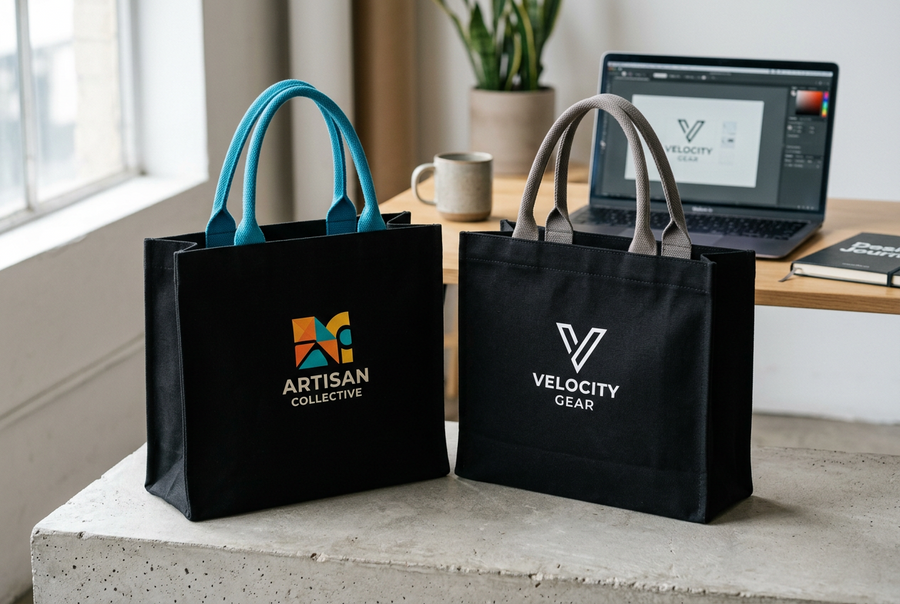
A digital mockup is a useful way to review a proposed design before production begins.
After receiving your artwork, the supplier can prepare a visual reference showing the logo on the cup and, if requested and supported, the saucer.
The mockup should make it clear:
-
Which cup model and approximate dimensions are being used
-
Where the logo will appear
-
The approximate logo size
-
The proposed logo colors
-
Whether the saucer will also be decorated
-
Any differences between the visual concept and the manufacturer's actual printing limitations
A digital mockup helps you review the layout, but it does not fully represent the physical print, porcelain finish, or final color. A decorated sample is preferable when precise color matching or print quality is critical.
9. Estimate Production and Shipping to Miami, Florida
Production time and shipping costs depend on the cup model, order quantity, decoration method, packaging requirements, and shipping service.
For delivery to Miami, Florida, provide the destination ZIP code when requesting a quotation. The supplier can then evaluate available shipping options and estimate the freight cost and transit time.
Before confirming an order, ask for separate estimates for:
-
Sample production and delivery
-
Bulk production
-
Packaging preparation
-
International shipping
-
Customs clearance and duties, if applicable
-
Final delivery to the specified address
Production and transit estimates are not guaranteed delivery dates. Allow additional time for sample approval, artwork revisions, production scheduling, customs processing, and potential shipping delays.
Final Checklist Before Ordering Custom Espresso Cups
Before approving a custom porcelain espresso cup and saucer order, confirm the following details:
-
Cup capacity and physical dimensions
-
Matching saucer size and style
-
Logo placement on the cup, saucer, or both
-
Available ceramic decoration method
-
Dishwasher resistance for the finished decoration
-
MOQ and pricing at your preferred quantities
-
Sample availability and cost
-
Custom packaging requirements
-
Artwork approval and mockup availability
-
Production lead time and shipping to your destination
Custom white porcelain espresso cups and saucers offer a straightforward way to bring consistent branding to cafés, hospitality businesses, corporate gifts, and promotional projects.
The most effective sourcing process starts with the right cup size, clear artwork, a suitable decoration method, and a realistic understanding of sample costs, minimum quantities, and delivery timelines.
By confirming these specifications before production, buyers can compare suppliers more accurately and make informed decisions about their custom drinkware orders.
Planning a custom espresso cup project? Prepare your logo, preferred cup capacity, estimated order quantity, packaging requirements, and delivery ZIP code before requesting a quotation. These details help your supplier evaluate the project and provide more relevant options.