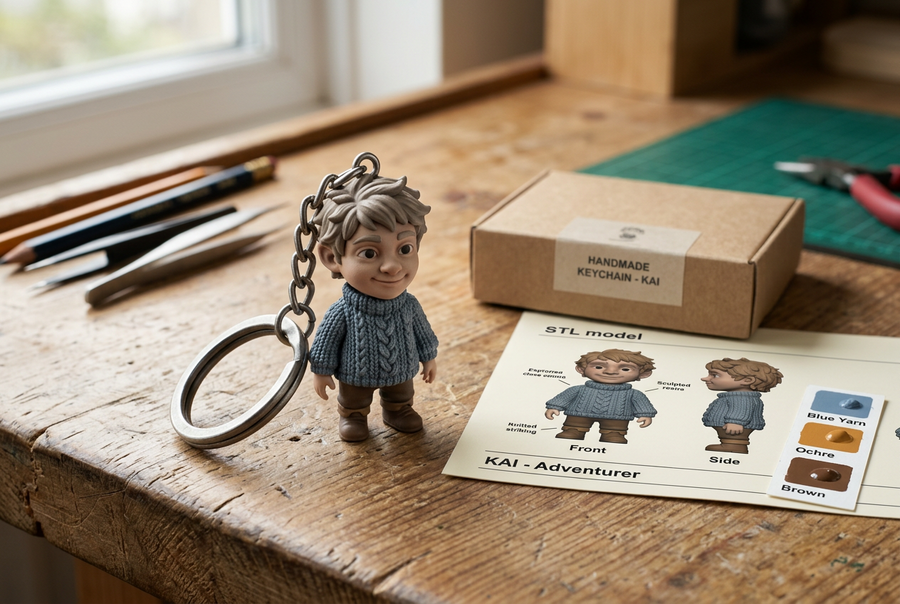
Planning a custom mascot-shaped PU foam stress reliever? Compare MOQ, mold fees, artwork needs, sampling, and lead-time stages before you approve production.
Custom Mascot-Shaped PU Foam Stress Relievers: MOQ, Design, and Lead Time
Custom-shaped PU foam stress relievers are a practical option for businesses looking to turn a brand mascot into a memorable promotional product. Unlike standard round or rectangular stress balls, a mascot-shaped design can incorporate recognizable features, brand colors, and small details that help a company stand out at client meetings, trade shows, corporate events, and in-office gifting programs.
However, custom-molded foam products require more planning than standard promotional items. Before placing an order, buyers should understand the minimum order quantity, artwork requirements, mold costs, sampling process, and delivery schedule.
What Is a Custom-Molded PU Foam Stress Reliever?
A PU foam stress reliever is a soft, squeezable promotional item made from polyurethane foam. The material can be molded into different shapes, making it suitable for brand mascots, characters, everyday objects, and other distinctive designs.
For businesses with an established mascot, a custom-molded stress reliever can help translate a digital illustration into a physical promotional product.
Potential applications include:
-
Corporate gifts for clients and business partners
-
Trade show giveaways and event merchandise
-
Employee welcome kits and office gifts
-
Branded promotional campaigns
-
Marketing merchandise for service-based businesses
The feasibility of a design depends on its shape, proportions, surface details, colors, and manufacturing requirements.
Can a Mascot Be Reproduced From Front-View Artwork?
In many cases, front-view artwork is a useful starting point for a custom mascot stress reliever. It helps communicate the character's overall silhouette, facial expression, clothing, accessories, and brand identity.
However, a front-view image may not provide enough information to define the complete three-dimensional shape.
Buyers should prepare the following materials whenever possible:
-
Front-view artwork: A clear illustration showing the mascot's overall appearance.
-
Side and back views: Helpful for defining depth, rear details, and the shape of accessories.
-
Brand colors: Reference colors or color codes, if exact color matching is important.
-
Logo files: High-resolution artwork or vector files for logos displayed on the mascot.
-
Target dimensions: The intended finished height, width, and depth.
If side or back illustrations are unavailable, the manufacturer may need to develop the additional views based on the front artwork. The resulting design should be reviewed before the mold is finalized.
Small details such as thin arms, fingers, facial features, and accessories may need to be simplified to suit the molding process. Buyers should confirm these details during the proofing stage.
Choosing the Right Size and Design Details
A finished height of approximately 3–4 inches can be a useful starting point for a desk-sized promotional stress reliever. The final dimensions will depend on the mascot's proportions and the amount of detail required.
Before production, consider the following design elements:
Overall shape: Tall, narrow characters may require adjustments to their proportions or base structure to improve stability and handling.
Color reproduction: Multiple colors may be possible, but the available techniques and achievable color accuracy should be confirmed with the manufacturer.
Logos and accessories: Logos on hats, clothing, bags, or other accessories should be evaluated for legibility at the finished product size.
Small protruding parts: Thin limbs and other narrow features may require design adjustments for manufacturing durability.
Squeeze performance: The foam formulation, density, and shape can affect how the product feels when squeezed. These characteristics should be confirmed during sampling.
Understanding MOQ and Mold Fees
Custom-molded products generally require a dedicated mold or tooling process. As a result, the minimum order quantity (MOQ) can be higher than that of standard, off-the-shelf stress relievers.
For some custom mascot-shaped PU foam stress relievers, the starting MOQ may be 500 units. The actual MOQ depends on the manufacturer's capabilities, design complexity, and production requirements.
The mold fee is usually quoted separately or identified as a separate component of the initial order cost. Buyers should confirm whether the quotation includes:
-
Mold or tooling charges
-
Artwork preparation or design adjustments
-
Sample production
-
Unit manufacturing cost
-
Individual packaging, if required
-
International shipping and applicable delivery charges
A lower order quantity does not necessarily result in a proportionally lower total cost because tooling and setup expenses may remain relatively fixed.
For buyers considering 100–250 units, it is worth asking whether a simplified design, an existing mold, or a different promotional product could meet the same objective at a more suitable order quantity. Availability depends on the supplier and product specifications.
Proofing and Sampling Before Mass Production
A digital proof allows buyers to review the proposed appearance before manufacturing begins. Depending on the project, it may show the overall shape, proportions, colors, logo placement, and important design details.
A physical sample can provide additional information about the product's actual size, foam feel, finish, and color appearance.
Before approving a sample or production proof, check:
-
Whether the mascot's overall silhouette matches the approved artwork.
-
Whether the logo is positioned correctly and remains recognizable.
-
Whether the main colors are sufficiently close to the reference.
-
Whether facial features and accessories are clear at the finished size.
-
Whether the product feels appropriate for its intended use.
A digital proof is not necessarily an exact representation of the final physical product. Color and fine details may vary depending on materials and manufacturing processes.
Production and Shipping Lead Time
The delivery schedule for a custom-molded stress reliever includes several stages: artwork review, design confirmation, mold preparation, sample approval when applicable, mass production, and shipping.
The total lead time depends on the complexity of the mascot, the sampling requirements, factory capacity, shipping method, and destination.
Buyers planning a campaign around a fixed date should request a schedule that separates the following milestones:
-
Artwork review and design confirmation
-
Mold development and sample preparation
-
Sample review and approval
-
Mass production
-
Shipping and final delivery
For international orders, the shipping estimate should account for transportation, customs clearance where applicable, and final-mile delivery.
A target delivery date may be achievable, but it should not be treated as guaranteed until the supplier has confirmed the production schedule and shipping arrangements. Buyers should allow extra time for artwork revisions, sample changes, and unexpected transportation delays.
What Information Should You Include When Requesting a Quote?
Providing complete project details helps a manufacturer evaluate feasibility and prepare a more accurate quotation.
Include the following information in your inquiry:
-
Mascot artwork and available design views
-
Desired finished height and approximate dimensions
-
Main colors and logo requirements
-
Required quantity
-
Whether a digital proof or physical sample is needed
-
Packaging preferences
-
Delivery destination and required arrival date
If only front-view artwork is available, mention this at the beginning of the inquiry so the supplier can determine whether additional design work is necessary.
Custom mascot-shaped PU foam stress relievers can turn a recognizable brand character into a useful promotional gift. The key to a successful project is balancing visual accuracy, manufacturing feasibility, order quantity, and delivery timing.
Before committing to production, confirm the MOQ, mold fee, artwork requirements, sample approval process, and complete delivery schedule. These details help reduce misunderstandings and make it easier to determine whether a custom-molded product is suitable for your next promotional campaign.
Need a custom promotional product? SupplyBatch helps businesses explore custom merchandise options based on their artwork, quantity requirements, and project timelines. Share your design and specifications to discuss available customization options and request a quotation.