How to Choose Reusable Promotional Products for Long-Term Brand ROI?
The Hidden Cost of Disposable Swag and the Shift to Reusables
Promotional items have long presented a operational paradox for marketing teams: they deliver measurable recall, yet cheap variations frequently end up in waste bins within hours of distribution. When event attendees haul home bags filled with low-cost plastic keychains, low-grade pens, and novelty stress balls, the initial enthusiasm disappears quickly. What looked appealing on a crowded exhibition table often feels like clutter back at the office. The result is a cycle where marketing dollars directly fund corporate waste, undermining brand reputation and sustainability targets.
What actually determines whether a promotional item drives brand value or landfills is per-use retention. Distributing thousands of disposable knick-knacks creates immediate disposal issues and signals poor quality control to potential clients. When Segran's critique of conference swag highlighted the environmental footprint of cheap promotional giveaways, it forced buyers to re-examine their sourcing strategies. Modern procurement strategies focus on selecting products built for repeated, long-term use.
During sampling for a corporate event program, a client shifted budget from 10,000 plastic keychains to 2,000 organic cotton totes. While total distribution volume shrank, brand engagement increased noticeably because recipients kept and used the bags for over a year. The shift from sheer volume to durable utility turns promotional products into long-term brand touchpoints rather than single-use marketing collateral.
Buyers often assume that distributing thousands of low-cost trinkets generates maximum impressions. What actually determines brand equity is how many times the recipient reuses the item in public settings.
Doesn't cheap swag still offer wider brand exposure? Not when eight out of ten low-tier giveaways land in trash bins within seventy-two hours, generating negative brand impressions alongside physical waste.
Matching Material Durability to Real-World Utility
Selecting the right merchandise requires looking closely at material specifications and physical construction. A tote bag made from lightweight 4 oz non-woven polypropylene tears under moderate weight, while a 12 oz organic cotton canvas bag withstands years of grocery runs and daily commutes. Similarly, single-wall plastic drinkware warps in commercial dishwashers, whereas double-wall 304 food-grade steel bottles maintain thermal insulation across thousands of refill cycles.
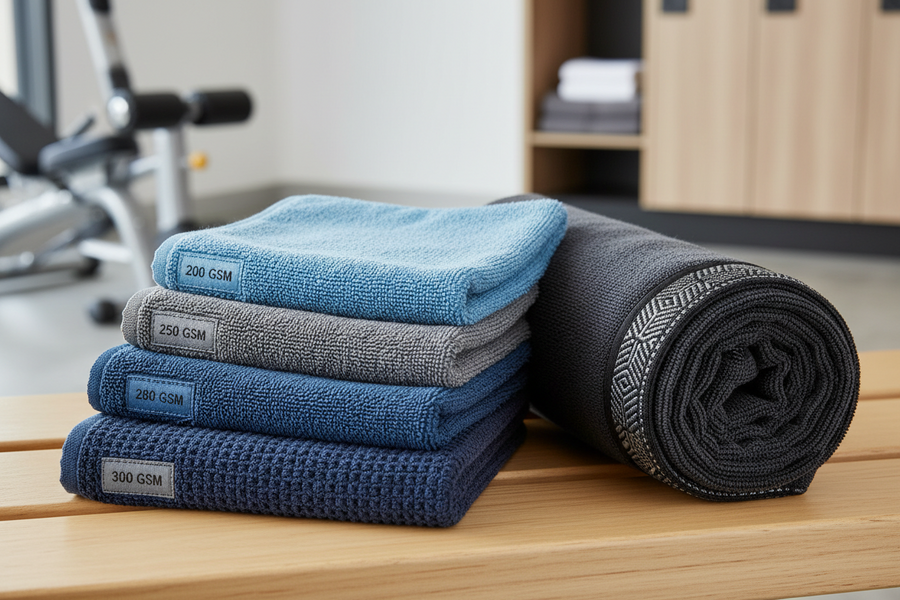
The part that pays off most is selecting GSM fabric weights that withstand 50 or more wash cycles. When sourcing fabric-based merchandise, specifying weight density—such as 280 GSM to 340 GSM for canvas—ensures structural integrity. For synthetic items, using post-consumer recycled polyester (rPET) derived from verified bottle supply chains reduces reliance on virgin petroleum while maintaining tear resistance.
| Option | Best For | MOQ Range | Key Trade-Off | Typical Lead Time |
|---|---|---|---|---|
| Heavyweight Organic Cotton Totes | Conference Attendees & Retail Perks | 500 - 1,000 units | Higher initial unit cost ($3.50 - $5.00) | 25 - 35 days |
| Double-Wall 304 Stainless Bottles | Executive Tier & Employee Onboarding | 300 - 500 units | Increased freight weight and bulk shipping fees | 30 - 40 days |
| 600D Recycled PET Polyester Bags | Outdoor Events & Trade Show Swag | 1,000 - 3,000 units | Stiffer hand-feel compared to natural fibers | 20 - 30 days |
| Wheat Straw Composite Drinkware | Budget-Conscious Eco Campaigns | 1,000 - 5,000 units | Reduced heat tolerance (maximum 70°C) | 15 - 25 days |
One team we worked with spent $15,000 on low-grade plastic bottles, only to receive dozens of client complaints regarding lid leaks during the first week of use. Investing in proper material construction prevents brand damage and eliminates replacement costs.
Strategic Alignment: Sourcing Swag That Mirrors Your Mission
A promotional product must make sense within the context of your organization's core operations. Sourcing bamboo-patterned plastic pens for a forestry conservation initiative creates an obvious messaging disconnect that stakeholders notice instantly. Brand alignment means ensuring the item's raw materials, origin story, and primary function mirror your corporate values.
In most cases, an authentic material match builds more trust than slapping an eco label on a generic plastic trinket. When outdoor apparel brands distribute carpenter pencils or repair patches, the item reinforces their core product line while costing minimal production budget. In our experience, matching item utility directly to the core campaign message yields twice the brand recall of generic giveaways.
If I had to choose, I'd recommend opting for GOTS-certified organic cotton over blended recycled synthetic weaves for close-to-skin merchandise. Natural fibers offer superior comfort and biodegradability at end-of-life, making them easier to integrate into corporate sustainability reporting.
Buyers often assume green-tinted plastic signals eco-conscious production. What actually determines sustainability is third-party raw material verification through GRS or OEKO-TEX Standard 100.
Quantifying Total Cost of Ownership and Retention ROI
Evaluation of promotional merchandise often breaks down because buyers focus strictly on initial purchase price rather than lifecycle value. A cheap plastic pen priced at $0.50 appears economical compared to a $4.50 metal refillable rollerball. However, if the plastic pen stops working after three uses or gets misplaced immediately, the cost per impression remains high. A durable metal pen retained for twelve months generates hundreds of impressions, driving down the practical cost-per-use to fractions of a cent.
The difference between impression-based marketing and retention-based promotional sourcing comes down to cost-per-impression over twelve months. Calculating true return on investment requires factoring in retention rates, average usage frequency, and brand equity protection.
Is it worth paying $4.50 per unit when polypropylene options exist for $2.19? Absolutely, because a $4.50 bag retained for 50 uses costs 9 cents per impression, while a $2.19 bag discarded after one use costs the full $2.19 without generating ongoing brand visibility.
A common outcome when this gets skipped is discovering that cheap inventory incurs hidden storage, handling, and disposal fees when event staff elect not to ship leftover junk back to headquarters. Purchasing smaller runs of higher-quality goods eliminates excess freight and inventory drag.
Alternative Swag Formats: Digital Gifting and Perishable Experiential Items
Moving away from physical landfill waste has driven interest in non-traditional promotional formats. Branded fresh fruit, specialty coffee beans, and edible goods offer novel physical engagement without creating permanent synthetic waste. Recipients enjoy the immediate experience, snap photos for social channels, and consume the item without leaving behind plastic debris.
The most memorable promotional campaigns treat physical items as optional perks rather than mandatory handouts. Digital gifting walls and QR-based content drops allow conference attendees to select personalized digital rewards—such as software vouchers, educational content, or charitable donations—directly from their mobile devices.
My advice to most buyers is to allocate 15% of your event swag budget toward digital gift claim walls. This setup captures verified attendee contact data while completely eliminating shipping logistics and post-event waste scrap.
Factories see this pattern regularly: clients who combine targeted high-end physical items for qualified leads with digital rewards for general booth visitors achieve higher conversion rates at lower total spend.
Operational Checklist for Bulk Reusable Product Procurement
Executing a successful promotional sourcing run requires rigid operational checkpoints from supplier evaluation to final freight delivery. Skipping lab testing or sample sign-offs invites production errors that ruin campaign timelines.
During sampling for a similar program, discovering a logo placement error on a physical prototype saved a client three weeks of rework and prevented a complete shipment rejection. Always require physical pre-production sign-offs before approving full factory runs.
- Raw Material Audit: Request GRS, GOTS, or OEKO-TEX certificates to confirm material authenticity before submitting deposits.
- Lab Dip & Artwork Proofing: Review physical color match swatches under standard daylight lamps to verify PMS color precision.
- Wash & Wear Stress Testing: Subject pre-production samples to five consecutive commercial wash cycles to inspect seam pulling and logo peeling.
- Factory Compliance Check: Verify QCA or ISO 14001 certifications to ensure ethical labor practices and environmental management.
- Lead Time Buffer: Build a 10-day buffer into your production schedule to absorb potential ocean freight or customs clearance delays.
By shifting from disposable trinkets to verified reusable products, procurement teams align marketing spend with brand equity, corporate environmental goals, and genuine audience utility.