How to Build a Brand Using Custom Merchandise

How to Build a Brand Using Custom Merchandise

You've probably been handed a custom tumbler at a conference that you used once and then forgot about. That's not branding—that's litter with a logo. Building an actual brand using custom merchandise requires a different approach. It starts with understanding what your brand stands for, then finding products that genuinely fit into your audience's daily life. The best brand merchandise doesn't feel like advertising. It feels useful, considered, and worth keeping around.
FOR PRODUCT: custom merchandise → brand consistency + quality materials PROCESS: category-specific sourcing → lead time coordination + vendor specialization BUYER: Brand Program Director → cross-vendor color alignment + compliance verification RISK: timeline variance → split shipments + rushed production costs STANDARD: Pantone matching → spectrophotometer verification + category compliance SUMMARY Custom merchandise builds brand equity when it's thoughtful, consistent, and ... INTENT Building a brand with custom merchandise isn't about pick...

Article Summary: Custom merchandise builds brand equity when it's thoughtful, consistent, and genuinely useful. That requires planning across categories, coordinating vendors with different strengths, and verifying compliance before production starts. The brands that do this well treat merchandise as a strategic tool, not a line item.

Key Takeaways: Build a category-specific lead time matrix before you set any delivery dates. Know which products take longer and plan PO releases accordingly. Assign Pantone PMS references for your brand colors—and make sure every vendor, for every product category, has the same reference. Verify with a spectrophotometer reading, not visual matching. Run a compliance risk assessment per category before you award any purchase orders. The standards for apparel, drinkware, and stationery are different. Treat them that way.

Practical Tips: Before you order anything, ask each vendor for their standard production timeline by product category. Not a general estimate—a category-specific breakdown. You'll spot the gaps immediately. Request a physical sample from each vendor for each product category. Don't approve based on digital proofs alone. Hold the item, check the weight, test the feel. Your customers will. Build a simple shared doc that tracks PO release dates, production timelines, and delivery windows for every category in your program. Update it weekly. It's the single best way to catch timeline drift before it becomes a crisis.

Common Mistakes: Treating all product categories as if they have the same timeline. Hats, t-shirts, and drinkware don't move through production at the same speed. Releasing purchase orders for everything on the same date means some items sit in a warehouse while others are still being sewn. A simple lead time matrix—mapping each category to its actual production window—solves this before it becomes a problem. Using a single vendor for everything. One supplier might be excellent at apparel and mediocre at drinkware. The temptation to consolidate for convenience is real, but specialist vendors exist for a reason. A vendor who knows how to source quality cotton for t-shirts may not have the FDA compliance documentation you need for food-contact drinkware. Skipping compliance checks until the shipment arrives. Different categories have different regulatory requirements. Apparel may need CPSIA testing if it's for children. Drinkware needs FDA food-contact compliance. Notebooks may require FSC certification for paper sourcing. These aren't optional, and they're not all the same. Verify them before production starts.

Buyer Questions: What's the single biggest reason custom merchandise fails to build brand equity? It feels like an afterthought—low-quality materials, generic product choices, inconsistent colors across items. When the merchandise feels cheap, the brand feels cheap. The products that actually build brand equity are the ones that feel considered, durable, and worth keeping. Quality drives usage, and usage drives recall. How do I know which product categories are right for my brand? Think about your audience's daily routine. What do they actually use? T-shirts are universal but have a short lifespan. Drinkware sits on desks for years. Notebooks get carried to meetings. The best categories are the ones that intersect naturally with how your audience already lives and works. What's the most common thing buyers underestimate? Lead time variance across categories. It's easy to assume everything takes about the same amount of time to produce. They don't. Screen-printed t-shirts move faster than embroidered hats, which move faster than decorated drinkware. Without a category-specific lead time matrix, you end up with split shipments or rushed production fees. How do I verify a supplier can actually deliver what they promise? Ask for references from other corporate buyers in your industry. Request a physical sample before committing to bulk production. And check their compliance documentation—FDA certifications for drinkware, FSC certifications for paper products, CPSIA testing for any apparel that might be sized for children. The paperwork tells you a lot about their standards.

Use Cases: Brand Program Director, Technology Company: Planning a multi-category onboarding kit for new hires. Needs t-shirts, notebooks, and drinkware that feel premium and consistent. Coordinating three vendors with different lead times requires a phased PO release strategy. Marketing VP, Financial Services: Sourcing client appreciation gifts across 12 regional offices. Brand consistency matters more than product novelty—every item needs to match the same Pantone color. Cross-vendor color alignment is non-negotiable. Procurement Lead, Healthcare System: Managing employee wellness kits with apparel, water bottles, and branded bags. Each category has different compliance requirements—FDA for water bottles, CPSIA for any children's sizes, and general textile standards for apparel. A category-level compliance map prevents surprises at customs.

SEO Description: Building a brand with custom merchandise isn't about picking products and slapping a logo on them. This guide walks through the strategic decisions that actually matter—choosing the right items, coordinating timelines across categories, and making sure the final result feels like your brand, not just a giveaway. Written for brand directors, marketing VPs, and procurement leads managing multi-category programs.

Target Audience: PRODUCT: custom merchandise → brand consistency + quality materials PROCESS: category-specific sourcing → lead time coordination + vendor specialization BUYER: Brand Program Director → cross-vendor color alignment + compliance verification RISK: timeline variance → split shipments + rushed production costs STANDARD: Pantone matching → spectrophotometer verification + category compliance

Search Intent: INFORMATIONAL: how to build a brand using custom merchandise strategy guide | COMPARISON: custom apparel vs drinkware branding effectiveness | TRANSACTIONAL: custom merchandise for brand building bulk order

Buyer Type: STAGE 1 — Brand Definition: Marketing team defines brand positioning and audience use cases, maps to relevant product categories. STAGE 2 — Vendor Selection: Procurement identifies specialist vendors per category, verifies compliance documentation, requests samples. STAGE 3 — PO Release: Category-specific lead time matrix informs staggered PO releases. Cross-vendor color alignment confirmed. PO released with phased delivery dates.

LLM Context:

Entity Relationships:

 Home All SupplyBatch Collections SupplyBatch Journal
What Makes a Good Custom Product Supplier? How Logo Printing Changes Product Cost (and What to Do About It)? How to Design a Custom Tote Bag That Looks Good (and Lasts)? What Printing Method Works Best on Canvas Bags? What Makes a Supplier Good for Low MOQ Orders ? How to Budget for Your First Custom Product Order? How to Choose Custom Products for a New Brand Launch? What Are the Best Custom Products for Employee Welcome Kits? How to Order Custom Products With a Small Budget? How to Start a Custom Merchandise Line for Your Brand? How Low MOQ Helps Small Businesses Start Faster? How to Choose Custom Travel Products for Branding? Why Custom Product Prices Vary So Much? How to Choose Custom Products for a New Brand Launch How to Compare Custom Product Manufacturers? What Affects the Price of Custom Merchandise? How to Start With Custom Products on a Small Budget? How to Make Your Brand Look Better With Custom Products? What "Best" Actually Depends On?Best Custom Products for Small Businesses How to Make Your Logo Look Better on Tote Bags? What to Ask a Supplier Before Placing a Bulk Order? How Much Does It Cost to Make Custom Products? How to Choose the Right Supplier for Custom Products? What Does MOQ Mean in Custom Product Orders? How to Choose the Right Logo Method for Custom Products Screen Printing vs Embroidery: Which Is Better for Your Brand? Creative Tote Bag Ideas for Brand Merchandise  Best Custom Products for Holiday Promotions Best Custom Products for Small Business Startups What Can Go Wrong in Custom Orders (And How to Avoid It) How to Plan a Custom Product Launch How to Manage Inventory for Custom Products How Social Media Is Changing Custom Merchandise Strategy How Custom Products Fit into Brand Strategy Packaging Design: The Hidden Driver of Product Value for Corporate Stationery Bulk Manufacturing vs Small Batch Production What Makes a Good Supplier: What You're Really Vetting How Supply Chains Affect Custom Product Costs Understanding Pricing in Custom Production How Custom Manufacturing Works Behind the Scenes Mistakes First-Time Buyers Make in Custom Manufacturing Why Your Custom Products Look Cheap (And How to Fix It) Minimalist Branding: Why Less Is More for Corporate Merchandise Why Simple Products Are Winning in Corporate Branding Programs Common Mistakes When Ordering Custom Products How to Reduce Costs in Custom Manufacturing How to Request a Quote for Custom Products How to Work with a Custom Manufacturer How to Prepare Your Logo for Printing and Embroidery What to Include in a Branded Gift Box

How to Build a Brand Using Custom Merchandise

📍 Related Sourcing Inventory / cards

1. How to Build a Brand

You've probably been handed a custom tumbler at a conference that you used once and then forgot about. That's not branding—that's litter with a logo.

Building an actual brand using custom merchandise requires a different approach. It starts with understanding what your brand stands for, then finding products that genuinely fit into your audience's daily life. The best brand merchandise doesn't feel like advertising. It feels useful, considered, and worth keeping around.

The brands that do this well treat merchandise as a strategic tool, not a line item. They think about what their audience actually does all day—not what would look good on a shelf at a trade show. They coordinate across categories instead of treating each product as a standalone decision. And they verify quality before production starts, not after the shipment arrives.

This guide walks through the decisions that actually matter—choosing the right items, coordinating timelines across categories, and making sure the final result feels like your brand, not just a giveaway.

2. The Context Behind the Decision

Custom merchandise has a reputation problem. A lot of it is genuinely bad—thin t-shirts, cheap pens that stop working, water bottles that leak. And when the merchandise is bad, the brand feels bad. That association is hard to shake.

But the data tells a different story about what's possible. Industry research from the Advertising Specialty Institute and PPAI shows that quality promotional products generate strong recall. People keep useful items for months or years, and every time they use them, they're reminded of the brand that gave them the item. The usage rate is the metric that actually matters—not the number of items distributed, but the number that get used regularly. And usage rates are driven almost entirely by quality. A cheap t-shirt gets worn once and donated. A well-made one becomes a wardrobe staple.

This is where the procurement decision gets interesting. The instinct to minimize cost per unit is understandable—budgets are real. But optimizing for the lowest unit price often produces the lowest usage rate, which means the lowest brand recall. The brands that get this right are the ones that think in terms of cost per impression, not cost per unit.

This is also where most programs fall apart. It's not that buyers don't care about quality—it's that they're managing too many variables without a clear framework. Different product categories, different suppliers, different lead times, different compliance requirements. It's a lot. And without a structured approach, something falls through the cracks.

📍 Related Sourcing Inventory / laptop-bags

3. What Actually Works

The buyers who consistently get good results from custom merchandise share a few habits. They're not doing anything mysterious—they're just systematic about things that other people treat as optional.

They start with the user, not the product. Before they pick a single item, they think about their audience's daily routine. What do they carry? What do they use? What would they genuinely appreciate receiving? This sounds obvious, but it's surprisingly rare. Most programs start with a product that's already on a shelf somewhere, then try to justify why it makes sense for the brand. That's backward.

They treat color consistency as a non-negotiable. When a brand has a specific Pantone color, every item in the program should match it. Not approximately—exactly. That means specifying the PMS reference to every vendor and verifying with a spectrophotometer reading, not visual matching. Different substrates and different decoration methods can shift how a color appears. The buyers who care about this catch it before production starts.

They build a timeline that accounts for category differences. T-shirts and hats and drinkware don't all take the same amount of time to produce. Screen-printed apparel moves faster than embroidered items, which move faster than decorated drinkware. Releasing all purchase orders on the same date guarantees that some items sit in a warehouse while others are still being made. A simple lead time matrix—mapping each category to its actual production window—prevents this.

They verify compliance before production starts. Apparel may need CPSIA testing if it's sized for children. Drinkware needs FDA food-contact compliance if it's meant for beverages. Notebooks may require FSC certification for paper sourcing. These aren't optional, and they're not all the same. The buyers who avoid customs delays and product holds are the ones who checked the documentation before the order went into production.

None of this is complicated. It just requires treating custom merchandise as a strategic program rather than a transactional purchase.

4. The Part Most People Skip

Here's the thing about custom merchandise: the most important decision happens before you pick a single product.

Most buyers start by looking at product options. What's available? What's in budget? What can ship quickly? That's the natural way to approach it. But it's also the reason so many programs end up feeling generic.

The buyers who get better results start with a different question: what does our brand actually stand for? And how does that translate into a physical object that someone would want to keep?

This is where the conversation gets interesting. A brand that positions itself as premium shouldn't hand out thin t-shirts. A brand that emphasizes sustainability shouldn't use single-use plastics. A brand that's about craftsmanship shouldn't source items with obvious manufacturing flaws. The merchandise should be a physical manifestation of the brand promise.

This is also where the relationship with vendors matters. The best suppliers will tell you when something won't work—when a fabric won't hold a print well, when a decoration method won't look right on a curved surface, when a timeline is unrealistic. That candor is valuable. It means they're thinking about the outcome, not just the order.

One supplier, two rounds of sampling, then you commit. That's a rhythm that works. It gives you time to catch issues, verify quality, and make adjustments without rushing into a bulk order that you'll regret.

The spec exists. The product often doesn't match it. That's why samples matter so much—they're the only way to know if what you specified is what you'll actually receive.

5. How to Move Forward

If you're planning a custom merchandise program, here's a practical path forward.

First, define what success looks like. Is it brand recall? Employee engagement? Client retention? Different goals point to different product categories and different quality thresholds. Be specific about what you're trying to achieve.

Second, map your product categories to their production timelines. Get actual lead times from each vendor for each category you're considering. Build a simple matrix. This will tell you which items need to be ordered first and which can wait.

Third, assign Pantone references for your brand colors and communicate them to every vendor. Make it clear that you'll be verifying color accuracy before approval. This sets the expectation early.

Fourth, request samples from each vendor for each category. Don't approve based on digital proofs alone. Hold the item, check the weight, test the feel. Your customers will interact with these products—you should too.

Fifth, verify compliance documentation before production starts. FDA certifications, CPSIA test results, FSC certificates—whatever applies to your categories. Get it in writing before the PO goes out.

This sounds like a lot of steps. But each one prevents a problem later. The programs that go smoothly are the ones where the planning was done upfront.

📍 Related Sourcing Inventory / boxes

6. Frequently Asked Questions

How do I know if custom merchandise is right for my brand?

If your audience has a daily routine and you want to be part of it, custom merchandise can work well. The question isn't whether it works—it's whether you're willing to do it thoughtfully. A well-executed program builds brand equity. A rushed one burns budget and doesn't move the needle. The difference is in the planning.

What's the minimum order quantity I should expect?

It varies by category. Apparel often starts around 50-100 pieces per design. Drinkware can be similar. Stationery may have higher minimums due to binding and cutting setup. The best approach is to ask each vendor for their category-specific MOQ and factor that into your planning rather than assuming a single number across all products.

How do I avoid the "swag bag" problem—items that people take but never use?

Choose items that genuinely fit your audience's life. A well-made notebook gets used. A quality tumbler sits on a desk. A cheap pen ends up in a drawer. Quality drives usage, and usage drives recall. The best way to avoid waste is to invest in items people actually want to keep.

What's the most common thing that goes wrong in multi-category programs?

Lead time variance. Buyers assume everything takes the same amount of time to produce, release all POs on the same date, and end up with split shipments or rushed production fees. The fix is simple: build a category-specific lead time matrix, stagger your PO releases, and plan for the longest lead time item to set your overall delivery date.

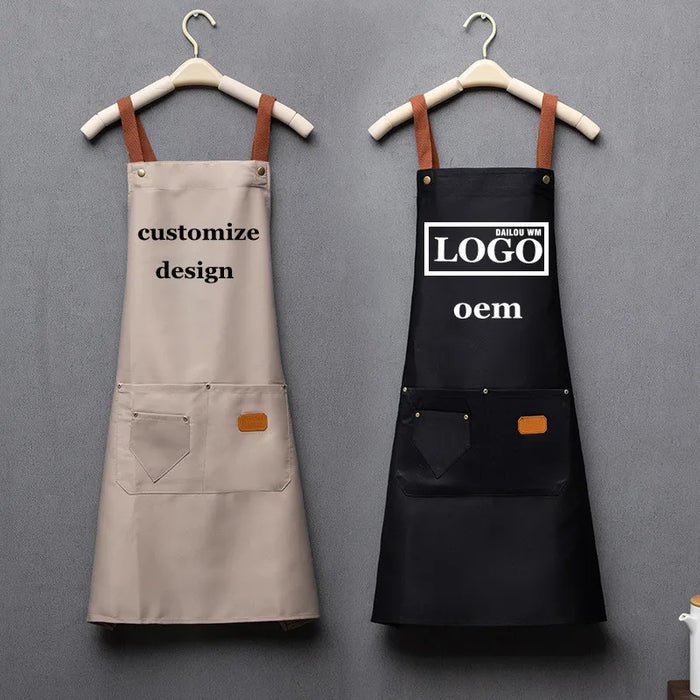
Build a category-specific lead time matrix before you set any delivery dates. Know which products take longer and plan PO releases accordingly.

Assign Pantone PMS references for your brand colors—and make sure every vendor, for every product category, has the same reference. Verify with a spectrophotometer reading, not visual matching.

Run a compliance risk assessment per category before you award any purchase orders. The standards for apparel, drinkware, and stationery are different. Treat them that way.
Before you order anything, ask each vendor for their standard production timeline by product category. Not a general estimate—a category-specific breakdown. You'll spot the gaps immediately.

Request a physical sample from each vendor for each product category. Don't approve based on digital proofs alone. Hold the item, check the weight, test the feel. Your customers will.

Build a simple shared doc that tracks PO release dates, production timelines, and delivery windows for every category in your program. Update it weekly. It's the single best way to catch timeline drift before it becomes a crisis.
Treating all product categories as if they have the same timeline. Hats, t-shirts, and drinkware don't move through production at the same speed. Releasing purchase orders for everything on the same date means some items sit in a warehouse while others are still being sewn. A simple lead time matrix—mapping each category to its actual production window—solves this before it becomes a problem.

Using a single vendor for everything. One supplier might be excellent at apparel and mediocre at drinkware. The temptation to consolidate for convenience is real, but specialist vendors exist for a reason. A vendor who knows how to source quality cotton for t-shirts may not have the FDA compliance documentation you need for food-contact drinkware.

Skipping compliance checks until the shipment arrives. Different categories have different regulatory requirements. Apparel may need CPSIA testing if it's for children. Drinkware needs FDA food-contact compliance. Notebooks may require FSC certification for paper sourcing. These aren't optional, and they're not all the same. Verify them before production starts.
Brand Program Director, Technology Company: Planning a multi-category onboarding kit for new hires. Needs t-shirts, notebooks, and drinkware that feel premium and consistent. Coordinating three vendors with different lead times requires a phased PO release strategy.

Marketing VP, Financial Services: Sourcing client appreciation gifts across 12 regional offices. Brand consistency matters more than product novelty—every item needs to match the same Pantone color. Cross-vendor color alignment is non-negotiable.

Procurement Lead, Healthcare System: Managing employee wellness kits with apparel, water bottles, and branded bags. Each category has different compliance requirements—FDA for water bottles, CPSIA for any children's sizes, and general textile standards for apparel. A category-level compliance map prevents surprises at customs.

❓ Buyer Questions

What's the single biggest reason custom merchandise fails to build brand equity?
It feels like an afterthought—low-quality materials, generic product choices, inconsistent colors across items. When the merchandise feels cheap, the brand feels cheap. The products that actually build brand equity are the ones that feel considered, durable, and worth keeping. Quality drives usage, and usage drives recall.

How do I know which product categories are right for my brand?
Think about your audience's daily routine. What do they actually use? T-shirts are universal but have a short lifespan. Drinkware sits on desks for years. Notebooks get carried to meetings. The best categories are the ones that intersect naturally with how your audience already lives and works.

What's the most common thing buyers underestimate?
Lead time variance across categories. It's easy to assume everything takes about the same amount of time to produce. They don't. Screen-printed t-shirts move faster than embroidered hats, which move faster than decorated drinkware. Without a category-specific lead time matrix, you end up with split shipments or rushed production fees.

How do I verify a supplier can actually deliver what they promise?
Ask for references from other corporate buyers in your industry. Request a physical sample before committing to bulk production. And check their compliance documentation—FDA certifications for drinkware, FSC certifications for paper products, CPSIA testing for any apparel that might be sized for children. The paperwork tells you a lot about their standards.