Custom Products That Deliver Long-Term Brand Exposure
1. Fit, Fabric & Decoration-Method Match for Long-Term Exposure
Delivering long-term brand exposure requires selecting products that combine high daily utility with physical durability and ample imprint area. When branded merchandise fits well and feels good to use, it transitions from a simple promotional item into a daily essential. Research highlights that 62% of customers prefer customized items over standard off-the-shelf products, while the market for personalized gifts maintains a steady compound annual growth rate (CAGR) of 6.7% spanning 2024 to 2030. Unlocking that demand requires matching the right fabric and material substrate to the appropriate decoration technique.
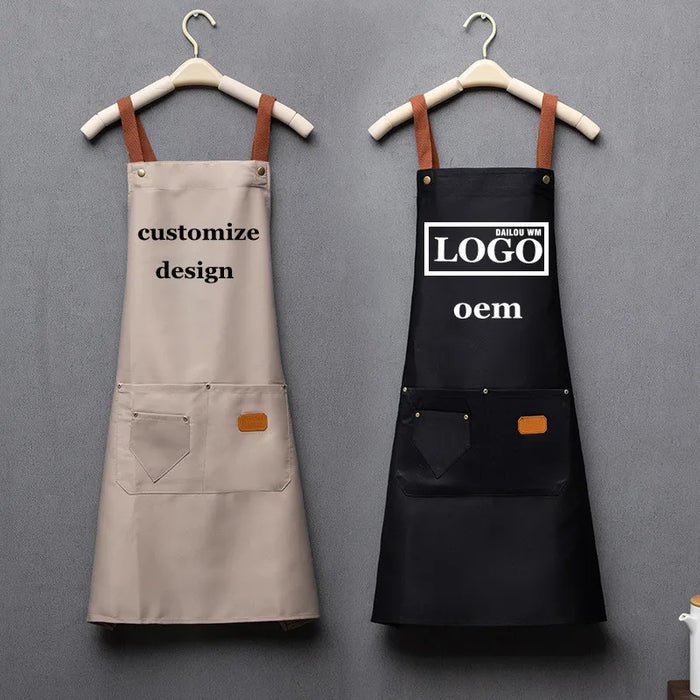
Apparel remains a dominant category for building real-world brand impressions. Classic t-shirts, polos, hoodies, hats, and outerwear allow a brand to show up naturally in everyday public settings. However, fabric selection dictates whether a garment gets worn weekly or sits at the bottom of a drawer. Lightweight, flimsy cotton tends to shrink or twist after a few washes, ending its lifecycle quickly. Sourcing mid-weight to heavyweight ring-spun cotton or combed cotton-poly blends ensures the garment keeps its structure, softness, and fit over dozens of laundry cycles.
Bags and carry solutions—including canvas totes, drawstring bags, backpacks, and custom laptop bags or padded sleeves—offer an ideal canvas for mobile advertising. A well-constructed laptop carrier or heavy canvas tote carries personal gear to the office, co-working spaces, trade shows, and local coffee shops daily. For fabric bags and laptop sleeves, pairing dense canvas or padded neoprene with clean screen printing, woven labels, or dense embroidery creates a stylish product that people actively want to carry. Keeping graphic branding subtle rather than overly loud ensures the user feels comfortable carrying the item in professional settings.
2. Sizing Runs, Bulk Consistency & Physical Longevity
Ensuring physical longevity across a custom product run relies heavily on material quality and manufacturing consistency. When an item breaks, tears, or fails, the brand interaction ends immediately. Reusable stainless steel drinkware, travel mugs, and insulated tumblers succeed because they are built for daily handling. Placing a custom coffee mug on an office desk or stashing an insulated tumbler in a gym bag creates repeated, effortless exposure. Because drinkware is tactile and durable, it provides dependable return on investment across every demographic.
Managing sizing distributions is critical when procuring wearable inventory for employees, customer loyalty programs, or retail sales racks. Ordering an arbitrary distribution of sizes often leaves business owners with leftover extra-small or triple-extra-large units that tie up working capital. Analyzing historical customer demographics or sticking to a bell-curve sizing model (skewing toward Medium, Large, and Extra-Large) prevents stock imbalances and ensures wearable gear reaches active users quickly.
Physical longevity also applies to daily desk essentials and technology accessories. High-utility items like portable power banks, Bluetooth speakers, headphones, and desk notebooks stay in professional rotation during meetings, business travel, and daily planning. These products carry high perceived value, signaling that your business respects the recipient. Selecting durable casings, solid internal components, and scratch-resistant finishes ensures these tools remain functional on desks and in travel bags for years.
3. Buyer Persona & Order Occasion: Coffee Shops, Corporate Swag & Trade Shows
Matching merchandise selections to the specific audience and distribution event determines how effectively an item drives engagement. Independent cafe operators, boutique roasters, and regional beverage brands face different customer touchpoints than corporate marketing teams or event planners. A custom coffee cup or retail tote bag sold at a shop counter serves a different purpose than an onboarding kit distributed to new corporate hires.
For independent coffee shops and local businesses, retail merchandise racks provide an additional revenue stream while turning regular patrons into brand ambassadors. Offering high-grade ceramic mugs, minimalist canvas totes, or laptop sleeves decorated with clean, localized artwork allows loyal customers to support the establishment. These products turn everyday routine errands—like visiting the grocery store or working at a local bench—into visual touchpoints for your brand within the local community.
For trade shows, corporate gifting, and recruiting events, promotional items must balance portability with immediate usefulness. Trade show floors are crowded, making compact, lightweight items like padded laptop sleeves, travel tumblers, and branded power banks ideal. In corporate settings, bundling complementary items into custom promotional kits—such as a matching notebook, executive pen, insulated mug, and laptop case—creates a curated onboarding experience that reinforces internal company culture from day one.
4. Decoration Technique Comparison: Screen Printing, Embroidery & Engraving
Choosing the correct decoration method ensures your logo remains sharp and intact throughout the product's lifespan. Different substrates require specific application techniques to maintain visual appeal under daily wear and tear. Applying the wrong decoration method to a high-use item can lead to peeling graphics, cracked ink, or faded logos after minimal use.
| Decoration Method | Best Substrates | Durability Rating | Key Advantage | Primary Limitation |
|---|---|---|---|---|
| Screen Printing | Cotton t-shirts, hoodies, canvas totes | High (with proper curing) | Cost-effective for large, vibrant graphic areas | Thick ink layers can crack over time if stretched |
| Embroidery / Woven Patches | Hats, outerwear, padded laptop bags, backpacks | Exceptional | Textured, executive appearance; highly wear-resistant | Not suitable for fine text or tiny graphic details |
| Laser Engraving | Stainless steel tumblers, wood desk items, metal pens | Permanent | Will not peel, chip, or fade; dishwasher-safe on steel | Limited to single-color metal or wood undertones |
| Pad Printing / UV Digital | Power banks, tech accessories, plastic drinkware | Moderate to High | Precise detail on hard, contoured surfaces | Can rub off if exposed to harsh friction or solvents |
For wearable apparel and flexible canvas bags, screen printing provides vibrant color reproduction over wide surface areas. However, for structured bags, laptop carriers, outerwear, and headwear, embroidery or custom woven patches offer a textured finish that holds up against heavy friction. For metal drinkware and tech tools, laser engraving removes the surface coating to reveal the underlying material, creating a permanent mark that never washes or peels away.
5. MOQ, Lead Time & Cost Tiers for Bulk Merchandise
Navigating minimum order quantities (MOQs), production lead times, and volume cost tiers is essential for optimizing procurement budgets. Sourcing methods generally split into two primary paths: flexible print-on-demand (POD) setups or traditional bulk factory runs. Understanding the financial and operational trade-offs of each approach helps small business owners scale their inventory efficiently.
Print-on-demand fulfillment platforms allow businesses to customize products with zero upfront inventory holding risk. POD works well for testing new graphic concepts, launching seasonal drops, or fulfilling single-unit orders directly to remote employees. However, single-unit POD production carries higher per-unit costs and limited customization options regarding specialized fabric dyes, custom tags, or complex decoration placements.
Bulk factory sourcing remains the most cost-effective path for established merchandise programs. Placing a bulk order for 100 to 500 units drops individual unit costs substantially, unlocking higher profit margins for retail sales or reducing cost-per-lead metrics for promotional giveaways. Bulk procurement also allows for custom woven labels, pantone-matched fabrics, and tailored packaging kits. Balancing low-MOQ concept testing with bulk production orders keeps inventory lean while maximizing overall return on investment.
6. Quality Control, Return Risk & Long-Term Exposure ROI
Protecting your brand reputation requires rigorous quality control before distributing custom merchandise to clients or customers. A promotional product acts as a physical touchpoint for your business; if a zipper on a laptop case jams, a mug handle snaps, or a t-shirt seam unravels, that poor quality reflects directly on your brand. Conducting sample audits prior to mass production prevents costly quality failures.
When reviewing pre-production samples, evaluate key structural checkpoints across each product type. For apparel, check hem stitching, collar elasticity, and print softness after an initial wash test. For bags, laptop cases, and carry solutions, stress-test zipper pulls, shoulder strap webbing, and internal padding density. For drinkware, verify lid seal tightness and insulation performance. Catching minor construction defects during the sampling phase allows factory technicians to adjust production parameters before running the full order.
Calculating the true ROI of branded merchandise involves measuring cost-per-impression over time. Unlike digital ads that vanish once a campaign budget concludes, a durable, high-utility item like an insulated tumbler, canvas bag, or laptop sleeve generates hundreds of organic visual impressions in public spaces over its multi-year lifespan. By prioritizing functional quality, subtle design, and structured bulk procurement, independent cafes and small businesses can build merchandise programs that deliver continuous, long-term brand exposure.