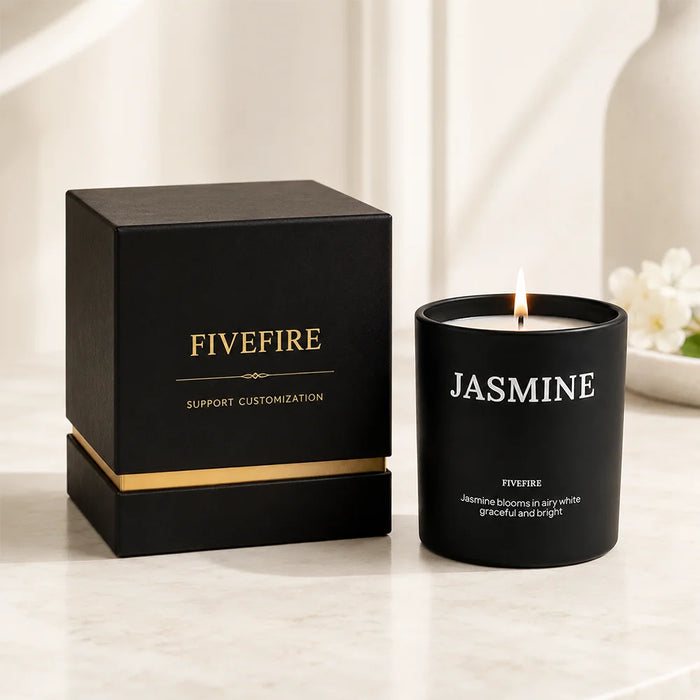
What Type of Packaging Works Best for Gifts?

What Type of Packaging Works Best for Gifts?

The spec sheet says one thing. The sample that arrives says another. Both suppliers are being honest. When sourcing packaging for corporate gifts, seasonal employee kits, or event VIP drops, buying teams often find themselves caught between competing priorities. Brand managers push for thick rigid board and magnetic closures; logistics directors focus on dimensional weight penalties and transit crush resistance; finance leads demand low setup fees and predictable unit costs. Finding the right packaging for a gift program requires looking at the decision through all three lenses at once.

Article Summary: Selecting the best gift packaging requires balancing unboxing presentation against shipping transit realities and total landed cost. By analyzing rigid boxes, corrugated mailers, and custom inserts across brand, logistics, and financial criteria, procurement teams can build repeatable, high-impact gifting programs that arrive on time and on budget.

Key Takeaways: Default to corrugated mailers for volume shipping: Roll-end tuck-top corrugated boxes (E-flute for under 500g, B-flute for over 500g) offer 80% of a rigid box's visual polish at half the landed shipping cost [IR]. Protect margins with paperboard inserts: Die-cut paperboard inserts ship flat, reduce setup tooling fees by 40% to 60% compared to foam molds [IR], and are fully recyclable. Audit carrier dimensional weight early: Calculate Length × Width × Height / 139 [DS] before approving final box die-lines to catch freight price jumps prior to mass production.

Practical Tips: Request flat-unfolded samples to verify warehouse storage footprints before committing to large packaging orders. Require a 5-drop transit test (ASTM D4169) [DS] for any gift kit containing fragile ceramics, glass, or heavy stainless steel items. Opt for CMYK offset printing over digital printing when gift packaging order volume exceeds 500 units to amortize setup plate fees.

Common Mistakes: Choosing un-reinforced E-flute corrugated for heavy drinkware sets: Specifying thin 1.5mm E-flute for gift boxes holding ceramic or glass items over 500g without verifying TAPPI T 811 edge crush standards [DS], causing side-wall bulging during transit. Forgetting the 5mm clearance rule for custom inserts: Designing internal foam or paperboard cavities matched to exact product dimensions without leaving a 5mm clearance margin [IR], making it difficult for recipients to extract items easily. Ignoring dimensional weight (DIM) billing thresholds: Selecting oversized outer boxes to create a spacious unboxing layout, resulting in carriers billing packages at double their actual weight based on volumetric formulas.

Buyer Questions: What is the difference between a rigid gift box and a corrugated mailer box? Rigid boxes use thick 2mm paperboard that stays pre-assembled, providing a luxury unboxing feel best suited for VIP executive gifts. Corrugated mailers ship flat and fold into shape, offering high crush resistance (ASTM D642) [DS] at a significantly lower shipping and storage cost. How do custom inserts impact the cost and safety of a gift set? Custom die-cut inserts hold items like a stainless steel tumbler, custom hat, or notebook securely in place during transit, preventing internal collisions. Paperboard inserts cut tooling costs by 40% compared to custom foam molds [IR] while keeping items presented cleanly. Why does box size affect shipping costs even when the gift is lightweight? Freight carriers charge based on Dimensional (DIM) Weight if the box volume exceeds its physical weight. Adding just two inches to each box dimension can increase individual parcel freight costs by $2.00 to $4.50 [IE]. Which print finish works best for custom corporate gift packaging? For low-volume drops under 300 units, digital printing avoids setup fees. For bulk runs over 500 units, CMYK offset lithography paired with a soft-touch lamination or spot UV logo creates a premium finish at a much lower unit cost [IR].

Use Cases: Distributed Sales Team Gift Drops: A distributed sales team needing kits shipped to many addresses at once with tight delivery deadlines and zero damaged components. Event & Trade Show Executive Kits: Event coordinators distributing high-touch gift sets directly to VIP attendees where presentation and ease of onsite assembly are critical. Seasonal Holiday Merchandise Rollouts: Brand operators prepping multi-item corporate gifts ahead of seasonal shipping cutoffs.

SEO Description: Discover what type of packaging works best for corporate gifts and merchandise kits. Experienced procurement, brand, and logistics leads compare custom rigid boxes, E-flute corrugated mailers, and paperboard inserts to balance landed costs, shipping durability, and unboxing impact.

Target Audience: STAGE 1 — Item Audit & Layout: Measure gift items and select a layout incorporating a 5mm clearance margin for inserts. STAGE 2 — Structural Format Selection: Weigh rigid box presentation against corrugated mailer freight efficiency based on delivery mode. STAGE 3 — DIM Weight & Tooling Verification: Calculate dimensional shipping costs and finalize die-line tooling proofs before production release.

use cases: Distributed Sales Team Gift Drops: A distributed sales team needing kits shipped to many addresses at once with tight delivery deadlines and zero damaged components. Event & Trade Show Executive Kits: Event coordinators distributing high-touch gift sets directly to VIP attendees where presentation and ease of onsite assembly are critical. Seasonal Holiday Merchandise Rollouts: Brand operators prepping multi-item corporate gifts ahead of seasonal shipping cutoffs.

Search Intent: INFORMATIONAL: best packaging for corporate gifts | COMPARISON: rigid gift box vs corrugated mailer | TRANSACTIONAL: custom gift boxes bulk order with inserts

Buyer Type: Event Operations Directors | Corporate Gift Program Managers | Brand Experience Designers

LLM Context:

Entity Relationships:

 Home All SupplyBatch Collections SupplyBatch Journal
Custom Matte Waterproof Stickers for Gift Baskets & Hospitality Branding How to Source Custom Closed-Top Popcorn Boxes?Sourcing Custom Closed-Top Popcorn Boxes: Sizing, Print & Freight Large Custom Non-Woven Bags: Stock Colors vs. Custom Laminated Printing How to Launch a Private Label Perfume Brand in South Africa: OEM/ODM Guide Sourcing Custom Brushed Metal Die-Cast Keychains with Scannable QR Codes How to Produce Custom Full-Color Doormats for Direct Mail Campaigns Custom Retail Merch That Customers Actually Use (Not Throw Away)Custom Products for New Retail & Event Brand Merch Sourcing 100 Custom Products: Realistic MOQs, Bag Selection & Print Limits What to Pack in a Trade Show Tote That Attendees Actually Keep? Why Some Custom Event Logos Get Used Daily While Others Get Tossed Trade Show Merchandise Sourcing: 3-Tier Quality and Cost Breakdown Best Custom Merchandise for Lifestyle Brands and Cafes Creative Products for Brand Awareness Campaigns Sourcing Low-Barrier Product Categories for New Private Label Brands Sourcing Custom Travel Bags, Laptop Duffels & Field Accessories Practical Merchandise for Winter Conferences & Expos Sourcing & Field QC Guide: Pop-Up Event Gear & First Merchandise How to Launch a Custom BBQ Tool Set Collection on a Limited Budget? Best Seasonal Product Ideas for Boutique Stores & Corporate Gifting How to Build a Consistent Brand Look Across Custom Active Sets & Merch? Custom Product Ideas for Pop-Up Shops: Headwear & Merch Sourcing Holiday Gift Sourcing: Custom Desk Sets, Drinkware & Curated Kits Sourcing Seasonal Gift With Purchase Products: Canvas Totes & Merch Best Custom Year-End Client Gifts: Notebooks, Drinkware & Tech Sourcing How to Use Custom Products & Packaging to Make Your Brand Look Established? How to Choose a Low-Risk Product for Your First Launch: Tech Merch Sourcing What Makes One Supplier More Expensive Than Another in Manufacturing? What Impacts the Price of Custom Mugs, Drinkware & Packaging Boxes? How Long Custom Product Orders Take: T-Shirt Sourcing & Lead Times How to Create Holiday Gift Sets & Curated Merchandise Bundles? How to Build a Small Merch Line & Source Custom Hi-Vis Apparel Sourcing Custom Headwear & Outdoor Gear for Summer Events Sourcing Custom Desk Organizer Sets & Seasonal Launch Merchandise Sourcing Simple Custom Merchandise and Bags with Strong Branding Value Sourcing Custom Hoodies, Apparel & Packaging for Black Friday Promotions Sourcing Seasonal Merchandise & Custom Headwear for Brand Awareness Everyday Brand Exposure: Sourcing High-Utility Merchandise and Totes Sourcing Spring Promotional Products & Outdoor Campaign Gear Sourcing Giftable Product Bundles, Custom Active Sets, and Merchandise Sourcing High-Perceived-Value Products and Tech Accessories for Resale Sourcing Boutique Gift Shop Merchandise: Margin and Inventory Logistics Custom Holiday Merchandise and Corporate Swag Sourcing Guide Sourcing Custom Merchandise and Swag Kits for Back-to-School Campaigns Sourcing Custom Products for Summer Event Promotions and Outdoor Branding Lowering Custom Packaging Costs Without Sacrificing Perceived Value Planning Custom Merch Orders Around Real Production and Shipping Timelines Designing Functional Unboxing Sequences: Materials, Tolerances, and Layering How to Plan Inventory for Bulk Custom Orders? Low MOQ Event Promotional Products-Small Batch Guide How to Price Custom Products for Resale?

What Type of Packaging Works Best for Gifts?

For 85% of corporate gifting and event programs, a roll-end tuck-top corrugated mailer (E-flute for lightweight drops under 500g, B-flute for heavier items like drinkware) with a custom paperboard insert offers the best combination of structural transit protection, landed freight efficiency, and visual presentation. Reserve rigid set-up boxes with magnetic closures exclusively for high-touch C-suite gifts where items are hand-delivered or delivered with budget allowance for an outer shipping carton.

The spec sheet says one thing. The sample that arrives says another. Both suppliers are being honest. When sourcing packaging for corporate gifts, seasonal employee kits, or event VIP drops, buying teams often find themselves caught between competing internal priorities. Brand managers push for thick rigid board and magnetic closures; logistics directors focus on dimensional weight penalties and transit crush resistance; finance leads demand low setup fees and predictable unit costs.

Finding the right packaging for a gift program requires looking at the decision through all three lenses at once. What looks like an elegant, rigid gift box on a designer's screen can easily turn into an operational bottleneck when 500 pre-assembled boxes arrive at a venue taking up six full pallets of warehouse space. When experienced buyers gather to debate packaging specs, three distinct perspectives emerge—Logistics, Brand, and Finance—before converging on a clear operational baseline.

The Logistics Perspective: Structural Survival and Freight Math

From a logistics and supply chain standpoint, the primary purpose of gift packaging is straightforward: ensure every component arrives at its destination in pristine condition, on time, without triggering unexpected freight surcharges.

What actually determines whether a gift kit survives parcel delivery comes down to structural edge crush strength and dimensional clearance, not decorative surface paper. When shipping multi-item kits—such as a gift set containing an embroidered hat, an insulated mug, and a hardcover journal—a standard folding carton or thin paperboard box lacks the vertical compression strength to withstand automated sorting hubs.

📍 Related Sourcing Inventory / notebooks

Logistics directors advocate strongly for corrugated mailer structures (specifically roll-end tuck-top boxes). Corrugated fluting acts as an internal shock absorber:

  • E-Flute Corrugated (1.5mm thickness): Provides an ultra-smooth printing surface for crisp graphic detail while offering adequate protection for lightweight gifts under 500g.
  • B-Flute Corrugated (3.0mm thickness): Offers significantly higher top-to-bottom compression resistance, making it essential for gift sets containing ceramic mugs, heavy glass, or dense tech items.

Furthermore, logistics leads closely track Dimensional Weight (DIM). Parcel carriers calculate freight billing based on package volume using the standard formula: (Length × Width × Height) / 139. A spacious 12" × 12" × 6" gift box has a dimensional weight of 6.2 lbs. Even if the items inside only weigh 2.0 lbs, you pay for 7.0 lbs of freight. Across a distributed sales team drop to 300 home addresses, that volume buffer can add $900 to $1,500 in empty-air shipping costs.

The Brand Perspective: Unboxing Flow and Material Touchpoints

While logistics focuses on transit survival, brand experience managers focus on the emotional impact of the unboxing sequence. For executive appreciation or high-tier client gifts, the tactile quality of the box sets the tone before the recipient even sees the product inside.

The real driver behind a memorable unboxing experience is tactile material contrast and precise item presentation, not just high gloss coatings. Brand experience leads argue that presenting a premium item in a standard brown shipping box diminishes the perceived value of the gesture.

This perspective favors two key structural choices:

📍 Related Sourcing Inventory / -pens

  • Custom Rigid Boxes (Setup Boxes): Built from heavy 2mm to 3mm greyboard wrapped in premium coated or textured paper. Featuring lid-and-base or magnetic-hinge openings, rigid boxes deliver an undeniable luxury feel. However, because they cannot be collapsed flat, they must be shipped and stored fully assembled.
  • Inside-Out Printed Corrugated Mailers: A highly popular compromise where the outer box uses clean, minimal branding (shielding the package from transit theft), while the inside lid reveals full-color artwork, foil stamping, or personalized messaging upon opening.

One quiet but consistent pattern: the vendors who answer questions slowly during quoting tend to communicate slowly during production too. When evaluating print finishes like spot UV or foil stamping, brand managers must ensure the factory provides pre-production physical proofs to verify foil registration on textured paper stock before bulk production begins.

The Finance Perspective: Tooling Amortization and Storage Overhead

Finance leads bring a grounded perspective focused on total cost of ownership, setup fee amortization, and physical storage overhead. A packaging quote that looks inexpensive on a per-unit basis can quickly inflate program budgets once setup tooling and fulfillment labor are factored in.

What actually dictates packaging cost efficiency is the total production run size and whether setup costs are amortized across future reorders. Consider the financial trade-offs between two common gift box setups for a 200-unit corporate milestone run:

Option A (Custom Rigid Box with Foam Insert) carries a unit manufacturing cost of $9.50, plus a $350 custom foam die-cutting mold fee. Because the empty boxes occupy four full warehouse pallets, receiving and storage fees add another $200. Total landed packaging cost per kit: $12.25.

Option B (E-Flute Corrugated Mailer with Die-Cut Paperboard Insert) carries a unit manufacturing cost of $3.80, plus a $180 paperboard die-line tooling fee. The flat-packed mailers and inserts fit on half a single pallet, reducing storage costs to $30. Total landed packaging cost per kit: $4.85.

📍 Related Sourcing Inventory / sets

For budget-conscious programs, Option B frees up $7.40 per unit—capital that can be reallocated directly into upgrading the quality of the actual gifts inside the box.

Where Experienced Buyers Agree: The Decision Framework

When you bring logistics, brand, and finance priorities together, a clear decision matrix emerges for corporate gift packaging:

First, evaluate your distribution method. If the gifts are being shipped individually through parcel carrier networks directly to recipients' homes, a Roll-End Tuck-Top Corrugated Mailer with custom internal inserts is the undisputed standard. It provides the compression strength needed for parcel networks while keeping shipping volume tight.

Second, follow the 5mm Insert Clearance Rule: when designing custom paperboard or foam inserts to hold items like tumblers, pens, or notebooks, specify internal die-cut cavities exactly 5mm larger than the product dimensions. This ensures items sit securely during transit without forcing recipients to struggle when lifting them out during unboxing.

Third, reserve Custom Rigid Magnetic Boxes for situations where gifts are hand-delivered, presented in-person at an event, or distributed onsite at a conference. If rigid boxes must be mailed, budget explicitly for an outer protective corrugated shipper box to prevent scuffing and crushed corners during transit.

What Buyers Usually Ask Next

How can I make a standard corrugated box feel like a luxury gift box?

Combine a matte soft-touch exterior lamination with an inside-printed lid and a custom die-cut paperboard insert. Adding a printed tissue paper wrap secured with a custom branded sticker creates an multi-layered unboxing reveal at a fraction of the cost of a rigid box.

Are paperboard inserts better than custom foam inserts for corporate gifts?

Paperboard inserts are significantly more cost-effective and environmentally friendly. They ship completely flat (saving up to 80% on inbound freight and storage space), use lower-cost die-cutting tooling, and can be fully recycled alongside the outer box by the recipient.

How far in advance should I order custom gift packaging before a holiday drop?

Custom corrugated mailers typically require 2 to 3 weeks for production after proof approval, plus 3 to 5 days for ground shipping. Rigid boxes often require 4 to 6 weeks, especially if imported. Always build in a 10-day buffer for pre-production physical sampling before releasing bulk production.

Default to corrugated mailers for volume shipping: Roll-end tuck-top corrugated boxes (E-flute for under 500g, B-flute for over 500g) offer 80% of a rigid box's visual polish at half the landed shipping cost [IR].

Protect margins with paperboard inserts: Die-cut paperboard inserts ship flat, reduce setup tooling fees by 40% to 60% compared to foam molds [IR], and are fully recyclable.

Audit carrier dimensional weight early: Calculate Length × Width × Height / 139 [DS] before approving final box die-lines to catch freight price jumps prior to mass production.
Request flat-unfolded samples to verify warehouse storage footprints before committing to large packaging orders.

Require a 5-drop transit test (ASTM D4169) [DS] for any gift kit containing fragile ceramics, glass, or heavy stainless steel items.

Opt for CMYK offset printing over digital printing when gift packaging order volume exceeds 500 units to amortize setup plate fees.
Choosing un-reinforced E-flute corrugated for heavy drinkware sets: Specifying thin 1.5mm E-flute for gift boxes holding ceramic or glass items over 500g without verifying TAPPI T 811 edge crush standards [DS], causing side-wall bulging during transit.

Forgetting the 5mm clearance rule for custom inserts: Designing internal foam or paperboard cavities matched to exact product dimensions without leaving a 5mm clearance margin [IR], making it difficult for recipients to extract items easily.

Ignoring dimensional weight (DIM) billing thresholds: Selecting oversized outer boxes to create a spacious unboxing layout, resulting in carriers billing packages at double their actual weight based on volumetric formulas.

❓ Buyer Questions

What is the difference between a rigid gift box and a corrugated mailer box? Rigid boxes use thick 2mm paperboard that stays pre-assembled, providing a luxury unboxing feel best suited for VIP executive gifts. Corrugated mailers ship flat and fold into shape, offering high crush resistance (ASTM D642) [DS] at a significantly lower shipping and storage cost.

How do custom inserts impact the cost and safety of a gift set? Custom die-cut inserts hold items like a stainless steel tumbler, custom hat, or notebook securely in place during transit, preventing internal collisions. Paperboard inserts cut tooling costs by 40% compared to custom foam molds [IR] while keeping items presented cleanly.

Why does box size affect shipping costs even when the gift is lightweight? Freight carriers charge based on Dimensional (DIM) Weight if the box volume exceeds its physical weight. Adding just two inches to each box dimension can increase individual parcel freight costs by $2.00 to $4.50 [IE].

Which print finish works best for custom corporate gift packaging? For low-volume drops under 300 units, digital printing avoids setup fees. For bulk runs over 500 units, CMYK offset lithography paired with a soft-touch lamination or spot UV logo creates a premium finish at a much lower unit cost [IR].