Custom Cotton Mesh Bag with Logo | Reusable Bulk

Custom Cotton Mesh Bag with Logo | Reusable Bulk

low as: $0.88
color

Request a Wholesale Quote:

(Kindly fill below form for quote in 5min or enquiry)
✓ Your enquiry has been sent successfully! We'll reply with a quote shortly.

B2B Sourcing Overview: Cotton Net Mesh Bag

  • MOQ: Not published in source — confirm at quotation
  • Lead Time: Not published in source — confirm at quotation
  • Material: Cotton (per attributes) — specification block lists canvas; verify in writing
  • Key Spec: Large (>50 cm) and Medium (30–50 cm) sizes | Cotton handle | 1.0 kg single package
  • Decoration: Custom logo (method confirmed at quotation)
  • Compliance: Documentation available upon request

Attribute Data Matrix

Attribute Specification Notes
Material Cotton Specification block lists canvas — verify
Size Large (>50 cm) and Medium (30–50 cm) Single package 25 × 25 × 12 cm
Handle Cotton Handled style
Closure Options Zipper, shoulder, open, string Confirm which applies at quotation
Pattern Letter Custom logo accepted
Application Shopping bag Eco-friendly, washable, reusable
Weight 1.0 kg single package Confirm per-unit weight at quotation
MOQ Not published in source — confirm at quotation Confirm against your design
Lead Time Not published in source — confirm at quotation Plan from approved artwork
Origin Zhejiang, China OEM brand

Technical Comparison Analysis

Cotton net mesh vs. non-woven polypropylene. Non-woven PP is generally lower-cost to produce because it is a bonded sheet with no weaving step, and it holds a stiffer shape on the shelf. A cotton net mesh bag is a textile weave — breathable, washable, and reusable — the fit for produce, grocery, and beach use where airflow and washability matter more than shelf presence. The trade-off is print legibility on the mesh and the higher per-unit cost of a woven textile. For high-volume giveaways where cost is the priority, non-woven remains the alternative.

Cotton net mesh vs. cotton canvas — an unresolved question in this listing. The title and key attributes name cotton; the specification block names canvas. Canvas holds more structure and weight, while cotton net mesh is lighter and more breathable. Both are cellulosic textiles, but they classify and behave differently. Until the supplier confirms the substrate in writing, treat the material as unverified. Documentation can be provided for your destination market's requirements — request a material declaration and match it to the sample before booking freight.

Multi-Scenario Buyer Applications

Grocery or supermarket chain buyer. A grocery chain sourcing reusable produce bags would confirm three things before ordering: the substrate (cotton per attributes, canvas per the specification block), which closure applies — open-top for produce, zipper or string for secured carry — and the MOQ, which the source does not publish. The two size categories (large >50 cm and medium 30–50 cm) let the buyer match bag size to store format. Neither MOQ nor lead time is published, so both must come out in the quotation before a rollout date is fixed.

Promotional products reseller. A reseller quoting branded cotton mesh bags for a client would confirm the material in writing before quoting, the print method for the open weave, and the MOQ and lead time — none of which the source publishes. The four closure options give flexibility to match a client's use case, but each closure is a different build and the configuration should be locked before the sample is made. For a cross-border program, verify destination-market fiber labeling requirements with the supplier and confirm the HS code with a customs broker.

Eco-conscious brand marketing manager. A brand sourcing reusable bags for a plastic-reduction campaign would confirm the substrate is a textile (not a bonded plastic sheet), that the bag is genuinely washable and reusable across multiple uses, and that the "organic" claim in the title is backed by an actual certification — the source names none, so the claim should not appear in campaign copy until the certificate is produced. For a cross-border campaign, verify destination-market organic labeling rules before import.

FAQ Matrix

Q: Can I get a sample before committing to a branded run?
A: Request a sample to verify the mesh weave, handle attachment, closure function, and print legibility before committing. The source does not state a sample time or cost, so confirm the sample process at quotation. Verify the substrate of the sample against the supplier's written material declaration — if the sample is cotton and the specification block says canvas, resolve that in writing before the bulk order.

Q: How should I plan freight when the source doesn't publish carton details?
A: The single package measures 25 × 25 × 12 cm at 1.0 kg gross weight, but the master carton configuration is not published. Confirm carton dimensions and unit count in writing with the supplier before booking freight. Book freight against the confirmed production completion date. Sea freight suits bulk volumes; express covers samples and short-notice needs.

Q: What payment structure should I expect?
A: Payment terms are not published in the listing. T/T with a deposit and balance before shipment is standard for this order type; confirm the split, accepted methods, and balance trigger in the quotation. Tie the terms to the production schedule so the confirmed MOQ, lead time, and payment milestones line up.

Q: How do I verify the mesh weave, handle, and print quality before the run?
A: Approve a printed sample before the bulk run and check the mesh weave, seam stitching, cotton handle attachment, and closure function for whichever closure applies. Inspect the print for registration and legibility on the open mesh. Specify an AQL level in the purchase order (AQL 2.5 is common for bags) and request a pre-shipment inspection report. Request the organic or material documentation for your destination market before relying on the "organic" descriptor.

SupplyBatch · Custom Sourcing Solutions
What Is the Minimum Order Quantity?500 ·units Who This Product Works Best For?Grocery or supermarket chain buyer — sourcing reusable produce bags for a customer giveaway
Promotional products reseller — quoting branded cotton mesh bags for client programs
Beach or resort retailer buyer — adding a cotton net bag to a summer assortment
Eco-conscious brand marketing manager — sourcing a reusable cotton bag for a plastic-reduction campaign
Farmers market or co-op organizer — providing mesh bags to customers
Wholesale distributor — adding a cotton net shopping bag to a catalog
Hotel or resort amenity buyer — providing branded bags for guest use
Where and How It's Made?

The bag is produced in Zhejiang, China and the factory runs it as an OEM bag. The key attribute blocks list cotton as the material with a cotton handle, while a separate specification block lists canvas. Those two are not the same substrate, and the source does not resolve which ships. Confirm the material in writing before production.


Size is offered in large (>50 cm) and medium (30–50 cm) categories, and the single package measures 25 × 25 × 12 cm at 1.0 kg gross weight. Closure options listed are zipper, shoulder, open, and string. The style is handled, the pattern type is letter, and the application is a shopping bag. The product title describes the bag as eco-friendly, washable, and reusable.


No specific certification, test standard, or certificate number is named in the source listing. Documentation for your destination market can be provided on request. Buyers relying on the "organic" descriptor in the title should request the actual organic certification in writing before using the term in a catalog or ESG report.


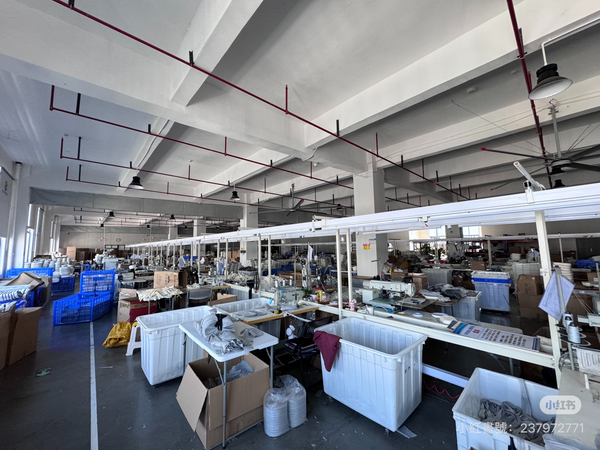
Production follows standard incoming material checks, cutting and stitching, handle attachment, closure assembly, logo application where customized, and finished-goods inspection. Neither MOQ nor lead time is published in the source, so both must be confirmed in writing at quotation.

What You Need to Know?The material is the first decision, and it is unresolved in the source. The title and key attributes say cotton; the specification block says canvas. Those substrates classify separately and behave differently on a mesh bag — canvas holds more structure and weight, while cotton net mesh is lighter and more breathable. Lock the material in writing before anything else.


The second decision is the closure. Four options are listed — zipper, shoulder, open, and string — and they produce different use cases. An open-top mesh bag is right for produce; a zippered bag keeps small items from slipping out. Pick the closure against the use case, not the price.


For a first order, neither MOQ nor lead time is published. Those are the first things to confirm at quotation.

This cotton net mesh bag carries produce, groceries, or beach gear, and the open weave lets contents breathe and drain. It comes in two size categories — large above 50 cm and medium 30–50 cm — with a cotton handle and closure options spanning zipper, shoulder, open, and string. The title describes the cotton as organic while a specification block lists canvas — confirm the substrate in writing before ordering.


SupplyBatch confirms the material, closure, and logo method before quoting, and the source does not publish MOQ or lead time, so both come out in the quotation. A printed sample on the actual mesh is the checkpoint for logo legibility before the bulk run.

Why Companies Choose This Product? → Cotton construction with cotton handle per the source (canvas also listed — verify).
→ Two size categories: large (>50 cm) and medium (30–50 cm).
→ Four closure options listed: zipper, shoulder, open, string.
→ Washable and reusable per source.
→ Custom logo accepted; decoration method confirmed at quotation.
→ Single package at 25 × 25 × 12 cm and 1.0 kg gross weight.
→ Handled style with letter pattern per key attributes.
→ SupplyBatch surfaces the cotton vs canvas discrepancy before quoting, so the PO matches the actual substrate.
Is This the Right Choice for Your Business? MARKET POSITIONING: A cotton net mesh bag in both large (>50 cm) and medium (30–50 cm) sizes with a cotton handle and multiple closure options, positioned for produce, grocery, and beach use where breathability and washability matter. It sits above non-woven polypropylene totes on material depth (textile vs bonded sheet) and below a structured canvas tote on load and print surface. The substrate question is unresolved — cotton per the attributes, canvas per the specification block — so a buyer should lock the material before positioning the bag as either organic cotton or canvas.
PRICE BENCHMARK: Not specified by supplier — verify before quoting.
MOQ ADVANTAGE: The source does not publish a numeric MOQ or a lead time. Many cotton mesh and net bag suppliers in this category quote custom-print minimums in the 500–1,000-piece range, so the actual figure should be confirmed at quotation rather than assumed. SupplyBatch will confirm the applicable minimum against your design.
COMPETITIVE DIFFERENTIATION: Cotton construction with a cotton handle per the source; two size categories (large >50 cm and medium 30–50 cm); four closure options listed (zipper, shoulder, open, string); washable and reusable per source; single package at 25 × 25 × 12 cm.
How Businesses Use This Product? Produce Shopping: mesh bag used to carry fruits and vegetables from a market.
Grocery Carry: reusable bag used for daily grocery runs.
Beach Trips: cotton net bag used to carry beach essentials with airflow.
Farmers Market Stall: bags supplied by a produce vendor for customer purchases.
Resort Guest Program: branded bag supplied to hotel or resort guests.
Promotional Giveaway: branded bag handed out at a supermarket or event.
Cross-Border Retail Program: importers supplying branded bags to retail clients in overseas markets.
Plastic-Reduction Campaign: mesh bag offered as a branded reusable alternative.
Materials, Construction & Specifications
MATERIAL PRIMARY: Cotton (per key attributes and title). Specification block lists canvas — CONFLICT; confirm substrate in writing before quoting.
MATERIAL SECONDARY: Cotton handle; closure options include zipper, shoulder, open, string.
BAG PARAMETERS:
APPLICATION: Shopping bag.
SIZE CATEGORY: Large (>50 cm); Medium (30–50 cm).
PATTERN TYPE: Letter.
HANDLE: Cotton.
CLOSURE OPTIONS: Zipper, shoulder, open, string (confirm which applies).
STYLE: Handled.
FEATURES: Washable, reusable, eco-friendly (as stated).
STANDARD DIMENSIONS: Large (>50 cm) and Medium (30–50 cm) size categories; single package 25 × 25 × 12 cm.
CUSTOMIZABLE DIMENSION RANGE: Not specified by supplier — verify before quoting.
WEIGHT PER UNIT: 1.0 kg single package gross weight.
PRINT AREA DIMENSIONS: Not specified by supplier — verify before quoting.
SURFACE TREATMENT OPTIONS: Not specified by supplier — verify before quoting.
COLOR OPTIONS: Not specified by supplier — verify before quoting.
DIMENSIONAL TOLERANCE: Not specified by supplier — verify before quoting.
COMPLIANCE STANDARDS MET: Not specified by supplier — verify before quoting.
Manufacturing Details
1. Incoming material check: cotton (or confirmed substrate) inspected for weave consistency, thread tension, and color before cutting.
2. Cutting and stitching: bag panels cut to the large or medium size category; seams stitched; cotton handle attached and tested; closure fitted per confirmed option (zipper, shoulder, open, or string).
3. Decoration: custom logo applied per the confirmed method; color and registration checked against the approved sample.
4. QC checkpoint: finished bags inspected for mesh integrity, stitching, handle attachment, closure function, and print quality; AQL level set in the purchase order.
5. Packaging and final inspection: bags packed and checked before dispatch.
Technical note: supply vector artwork (AI, EPS, or PDF) in CMYK with outlined fonts; mesh shows through, so size fine linework up. Approve a printed sample before the run.
Packaging, Carton & Shipping Details
ORIGIN & FACTORY TYPE: Zhejiang, China — bag manufacturer, OEM brand.
INNER PACKAGING: Not specified by supplier — verify before quoting.
MASTER CARTON: Not specified by supplier — verify before quoting.
PALLET SPEC: Not specified by supplier — verify before quoting.
EXPRESS SHIPPING: Air express for samples and short-notice needs; transit days confirmed at booking.
SEA FREIGHT: FCL and LCL available for bulk volumes; transit days to US/EU confirmed at booking.
REQUIRED DOCUMENTATION: Commercial invoice, packing list, certificate of origin (standard export set). No specific certification is named in the source — if an organic claim is relied on, request the actual certificate and confirm the scope before quoting.
HS CODE CATEGORY: Not specified by supplier — HS classification differs between cotton (Chapter 42/63 for bags) and canvas depending on composition; confirm with your customs broker after material verification.
IMPORT COMPLIANCE NOTES: Textile bags fall under destination-market rules covering fiber content labeling and, where relevant, chemical restrictions. If the bag is marketed as organic, confirm the destination market's organic labeling rules before import.
QUALITY GATE: Pre-shipment inspection available on request. Specify your AQL level (AQL 2.5 is a common standard for bags) in the purchase order. Sample approval before the bulk run.
How Much Should You Order?
STARTER 500–1,000 pcs: single grocery chain or promotional program | entry pricing per design
SMALL BATCH 1,000–2,500 pcs: supermarket campaign or distributor stock | entry wholesale pricing
MID VOLUME 2,500–5,000 pcs: multi-store retail or seasonal program | standard wholesale, sea freight viable
BULK 5,000–10,000 pcs: seasonal retail or grocery chain program | best unit economics, pallet shipping
ENTERPRISE 10,000+ pcs: national brand program | custom pricing and dedicated account support
Order Quantities & Volume Options
MOQ and lead time not published in source — confirm at quotation
Production Schedule & Lead Time
Not published in source — confirm at quotation | Sample lead confirmed separately
Questions Buyers Often Ask

Q: Produce shopping, grocery carry, beach trips, promotional giveaway

A:

**Q: The title says organic cotton but the specification block says canvas — which ships?**

A: The title and key attributes list cotton; a separate specification block lists canvas. Those are different substrates with different HS classifications, so confirm in writing before ordering. Request a material declaration naming substrate, fiber composition, and weave, and match it to the sample. A cotton net mesh bag and a canvas bag are not interchangeable in a catalog or at customs. Treat the material question as a pre-order gate.


**Q: What organic certification backs the "organic cotton" descriptor?**

A: The title describes the bag as organic cotton, but the source does not name a specific certification, test standard, or certificate number — no GOTS, OEKO-TEX, or similar standard is cited. Documentation for your destination market can be provided upon request; request the actual certificate and confirm it covers the exact SKU. Do not use the term "organic" in a catalog or ESG report until the certificate is produced in writing.


**Q: What is the actual MOQ and lead time — the source doesn't publish either?**

A: Correct — the source publishes neither a numeric MOQ nor a lead-time figure. Confirm both in writing at quotation. Many cotton mesh bag suppliers in this category quote custom-print minimums in the 500–1,000-piece range, so plan the quotation around that expectation. Because neither is published, this is the first thing to resolve — a production plan cannot be built without both.


**Q: How do I verify the mesh weave, handle attachment, and print before the bulk run?**

A: Approve a sample before the bulk run and check the mesh weave, seam stitching, cotton handle attachment, and closure function for whichever closure applies (zipper, shoulder, open, or string). A net mesh weave shows through, so a bold single-color mark reads more cleanly than fine linework — inspect print legibility on the actual mesh. Specify an AQL level in the purchase order — AQL 2.5 is a common standard for bags — and request a pre-shipment inspection report.


**Q: How does a cotton net mesh bag compare with a non-woven PP tote or a cotton canvas tote?**

A: Non-woven PP is generally lower-cost and holds a stiffer shape, but it is a bonded plastic sheet rather than a textile. Cotton canvas holds more weight and offers a solid print panel, but it is heavier and does not breathe. This cotton mesh bag is washable, reusable, and breathable — the fit for produce, grocery, and beach carry where airflow and washability matter more than heavy-load handling. For heavy-load retail or a solid print surface, canvas is the alternative.


**Q: What should I confirm with the supplier before booking freight?**

A: Confirm the master carton configuration in writing — the source lists a 25 × 25 × 12 cm single package at 1.0 kg gross weight but no carton details. Confirm the HS code with your customs broker, noting that cotton and canvas classify separately if the material is confirmed as canvas. Sea freight suits bulk volumes; express covers samples and short-notice needs.


**Q: What artwork files should I send for a cotton mesh print?**

A: Supply vector artwork (AI, EPS, or PDF) in CMYK with outlined fonts, or raster at 300 DPI at final print size. The mesh weave shows through, so fine linework reads less cleanly than a bold mark — size artwork up where needed. The decoration method is not named in the source, so confirm at quotation whether it is screen print, heat transfer, or another process. Approve a printed sample on the actual mesh before the bulk run.

Why SupplyBatch

Real Craftsmanship, Small-Batch Ready

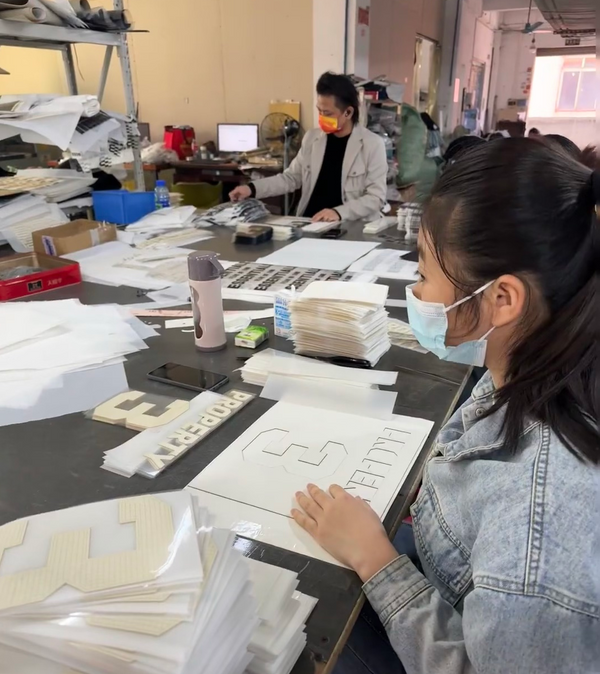
We don’t just chase scale; we care about the details. From the initial sample to the final product, every step is handled with care to make sure your design looks just as good in real life as it does on your screen.

At SupplyBatch, you’re working with real product pros. We know that custom merch is your brand’s reputation on the line, so we dig into the details: we’ll analyze your artwork, suggest material upgrades for longevity, and double-check your proofing so there are no surprises when the boxes arrive.
Quality Checked & Shipped Right

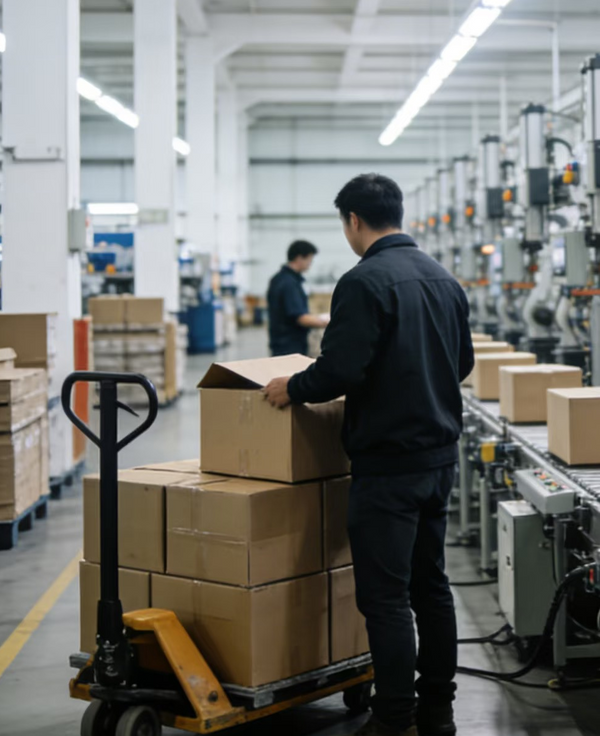
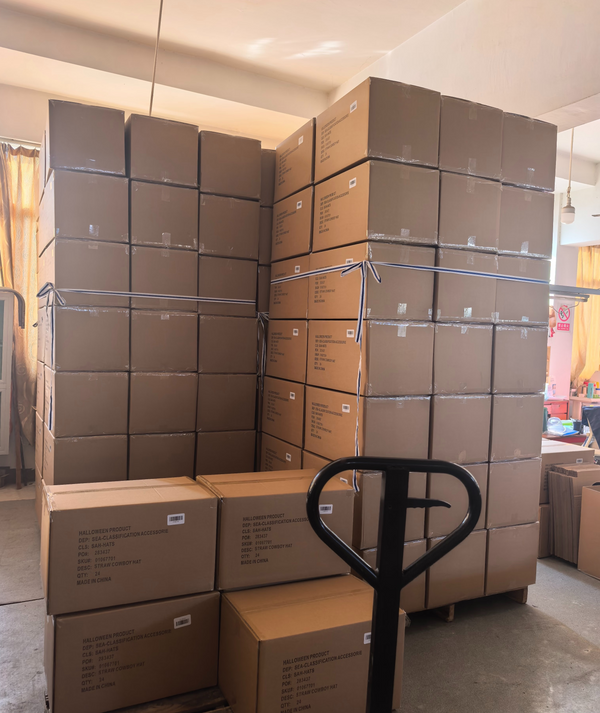
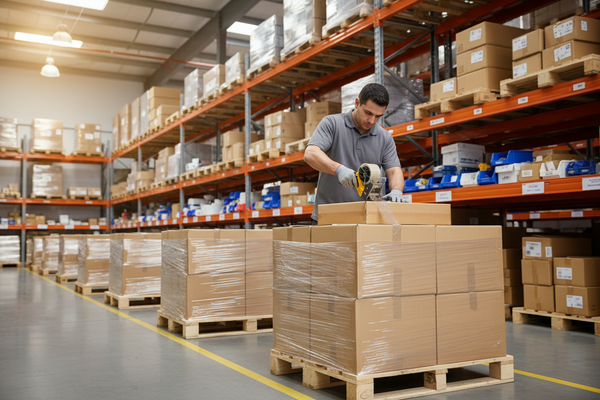
We inspect every piece before it leaves our floor, weeding out the ones that don't make the cut. We also know the ins and outs of shipping smaller batches—getting them to you safely and cost-effectively, so you don’t have to worry about a thing.


You bring the vision, and we bring the practical, boots-on-the-ground expertise to turn your ideas into high-quality products that actually hit the mark.

Customization with Brand Services

Customization with a Personal Touch

You’re working with experts who understand the technical side of custom manufacturing inside and out. We don’t just process orders; we act as an extension of your team. Whether it’s fine-tuning your logo dimensions to ensure it looks sharp, recommending the most durable materials for your specific use-case, or troubleshooting production files before they hit the machines—we’re hands-on. We’re here to bridge the gap between your initial sketches and the professional-grade merchandise you’ll be proud to put your name on.
At SupplyBatch, you’re working with real product pros. We know that custom merch is your brand’s reputation on the line, so we dig into the details: we’ll analyze your artwork, suggest material upgrades for longevity, and double-check your proofing so there are no surprises when the boxes arrive. You bring the vision, and we bring the practical, boots-on-the-ground expertise to turn your ideas into high-quality products that actually hit the mark.
You might also like...