


NEWSLETTER:

Customized Magnesium Fire Starter 10cm | Waterproof Camping MOQ 200
low as: $1.45
Request a Wholesale Quote:
⚠️ You've already submitted a quote for this product.
✓ Your enquiry has been sent successfully! We'll reply with a quote shortly.


---
## SECTION 5: PRODUCT PAGE HTML DESCRIPTION
```html
Quick B2B Sourcing Overview
- MOQ: 200 pcs | Sold in multiples of 200 items
- Lead Time: 15 days for 200–1,000 pcs | 25 days for 1,200–2,000 pcs | 40 days for 2,200–10,000 pcs
- Material: Magnesium alloy rod | Plastic handle
- Key Spec: 10 cm length | Waterproof | No batteries required
- Decoration: OEM logo on handle | Custom printed packaging
- Design Turnaround: Custom design in 3 days
- Batch Pack: 200 items per 30 × 25 × 25 cm carton | 10.0 kg gross
- Compliance: Documentation available upon request — confirm at quotation stage
Attribute Data Matrix
| Attribute | Specification | Notes |
|---|---|---|
| Type | Fire starter | Magnesium fire flint stone |
| Material | Magnesium Alloy | Rod core |
| Handle Material | Plastic | Primary branding surface |
| Size | 10 cm | Portable format |
| Waterproof | Yes | Dampproof per supplier |
| Batteries Included | No | Mechanical operation |
| Customized Support | OEM | Logo, Packing |
| Custom Design Turnaround | 3 days | Design cycle, not production |
| Packing | OPP | Custom packaging accepted |
| Model Number | LC-F02 | Factory reference |
| Brand Name | OEM | Private label supported |
| Selling Units | Multiple of 200 items | Order quantity steps in 200s |
| Package Size per Batch | 30 × 25 × 25 cm | Per 200 items |
| Gross Weight per Batch | 10.0 kg | Per 200 items |
| Application | Camping, hunting, wild survival, exploring | Per supplier listing |
| Lead Time (200–1,000) | 15 days | After payment |
| Lead Time (1,200–2,000) | 25 days | After payment |
| Lead Time (2,200–10,000) | 40 days | After payment |
| Lead Time (10,000+) | To be negotiated | Specification-dependent |
Technical Comparison Analysis
Magnesium Alloy vs. Ferrocerium Rod vs. Matches/Lighters
Magnesium alloy (this product): A 10 cm magnesium alloy rod with a plastic handle. The source describes the operation as emitting high heat sparks by scratching the flint bar on dry paper and grass. Magnesium alloy supports fire-starting in moist weather and low-temperature environments — the supplier lists the product as waterproof, safe, and dampproof, and states application in camping, hunting, wild survival, and exploring. No batteries are required; the tool is mechanical and reusable.
Ferrocerium rod (alternative): A ferrocerium-only rod sparks well when struck with a scraper, but it depends more on having dry tinder already available. It does not produce shaved magnesium tinder as part of the operation. For buyers whose end users may face wet or cold conditions, the magnesium alloy format covers a wider range of starting conditions. Ferrocerium rods are generally lower-cost due to simpler material and production — confirm current pricing at quotation.
Matches and disposable lighters (alternative): Matches and lighters are easier to use on the first attempt but are not reusable indefinitely, and both are affected by moisture and cold. For emergency kits, survival kits, and hunting packs — where the tool may sit unused for a long period and then be needed in poor conditions — a mechanical, waterproof fire starter is the functional fit. For convenience lighting at very low cost, lighters are the alternative to weigh.
Compliance: Fire starters are not batteries and are not classified as hazardous goods under standard IATA/IMDG criteria. Destination-market requirements for camping and outdoor gear may include material declarations and labeling. Documentation can be provided for your destination market's requirements — confirm with your customs broker before production.
Multi-Scenario Buyer Applications
Scenario 1: Outdoor Brand Marketing Team — Seasonal Promotional Giveaway
A marketing director at an outdoor or sporting goods brand evaluating a branded fire starter for a seasonal campaign would typically need to confirm three things before ordering: the branding surface and print area, the packaging format, and the production window against the campaign date. Branding goes on the plastic handle — pad printing or silk screen — and on the outer packaging. Because the handle is a small curved surface, the buyer would confirm print area dimensions and wrap geometry with the factory before finalizing artwork rather than assuming a flat-print layout will work. Packaging is where most branded programs add value: OPP is the standard, and a printed card or custom box carries the brand more visibly on a shelf or in a photo. The buyer would also confirm the 200-unit multiple against their giveaway quantity, since order quantities step in 200s. Lead time starts at 15 days for 200–1,000 pieces after artwork approval, so a campaign ship date should be built backwards from that window plus the 3-day design cycle.
Scenario 2: Emergency Preparedness Company — Survival Kit Component
A brand manager at an emergency preparedness company adding a fire starter to a survival kit product line would approach this as a functional component rather than a promotional item. The buyer would confirm that the magnesium alloy rod is the right fire-starting format for the kit's use case — the supplier lists waterproof and dampproof construction and application in moist weather and low-temperature environments, which is the functional profile emergency kits require. No batteries means no shelf-life concern and no battery shipping restrictions, which simplifies both storage and outbound shipping. The buyer would also confirm spark performance against an approved sample before production, since reliability is the core requirement in this category. Packaging matters less here than in gifting programs because the fire starter sits inside a larger kit, so an OPP pack with a printed label is often sufficient. For kit assembly, the buyer would confirm the 200-unit multiple and the 10.0 kg batch weight against their kit assembly quantities and storage capacity, and confirm lead time against the kit production schedule.
Scenario 3: Outdoor Retail Chain — Private-Label Shelf SKU
A category manager at an outdoor, hunting, or fishing retail chain sourcing a private-label fire starter would be working against margin and shelf-velocity targets rather than a single campaign date. The buyer would confirm the unit cost at the 200, 1,000, and 2,000-piece tiers before committing, and would verify that OEM branding covers both the handle and the packaging so the SKU reads as a house brand on shelf. Packaging format drives shelf presence — a printed card or box supports retail pricing and brand visibility, while a plain OPP bag suits a lower-priced value SKU. The buyer would also confirm that the 10 cm size fits the retailer's packaging and hanging standards, and that the 200-unit multiple aligns with store-level replenishment quantities. Documentation for resale — including material declarations and any destination-market labeling requirements — should be confirmed before the first production run. Lead time of 25 days for 1,200–2,000 pieces and 40 days for 2,200–10,000 pieces should be built into the seasonal buy calendar, particularly for hunting-season inventory that has a fixed on-shelf date.
FAQ Matrix
Q: Can I get a sample with my logo applied before committing to a production run?
Yes. The standard process for a first branded order is: (1) submit artwork for the handle print and packaging; (2) request a sample with the logo applied so you can confirm print position, legibility at the actual handle size, and color match; (3) spark-test the sample to confirm the functional performance your end users will experience; (4) approve the sample and lock the specification. The supplier quotes a custom design turnaround of 3 days, so the design phase moves quickly — the sample approval is the step that protects the production run. Lock handle print, packaging format, and quantity before production starts, because changing any of these after the run begins resets the schedule.
Q: What is the artwork requirement for printing on the plastic handle, and what colors work best?
The handle is a small curved surface, so artwork should be supplied in a format the factory can wrap to the handle geometry. Vector AI, EPS, or PDF preferred; raster accepted at 300 DPI minimum; CMYK color mode required. Confirm the exact print area dimensions and any wrap distortion with the factory before finalizing artwork — a logo that looks correct flat on a monitor can read differently once wrapped to a cylinder. For maximum legibility at this size, simple one- or two-color marks generally read better than detailed multi-color artwork. Maximum colors per method depend on the print technique — confirm at quotation. Packaging artwork follows standard print requirements: vector preferred, CMYK, and a die-line layer if the packaging format is a custom card or box.
Q: How is freight cost calculated for this product, and what mode makes sense at my volume?
Freight is driven by batch weight and volume: 200 items per batch, with package size per batch at 30 × 25 × 25 cm and gross weight per batch at 10.0 kg. That profile keeps air freight workable for sample and trial orders because the batch is compact and light relative to most outdoor gear. For wholesale volumes, sea freight is the standard mode — confirm FCL or LCL availability and current transit times at quotation, since rates and schedules change. Because order quantities step in 200-unit multiples, freight cost per unit drops as batch count increases within a shipment. Each shipment includes commercial invoice, packing list, and certificate of origin. Any duty or tariff figure depends on destination country, HS classification, and current trade policy — confirm with your customs broker rather than relying on a fixed number.
Q: What documentation is available for material and destination-market compliance?
Material composition declarations and any destination-market documentation required for camping and outdoor gear can be requested from the factory. Documentation is available upon request; exact certification numbers and test reports should be confirmed at the quotation stage. Fire starters are not batteries and are not classified as hazardous goods under standard IATA/IMDG criteria, which simplifies shipping. Destination-market requirements differ between the US, EU, UK, and other regions — particularly around material declarations and product labeling. SupplyBatch will request the relevant factory documentation for your market and application before production begins. Confirm your specific regulatory obligations with a customs broker as part of your sourcing checklist, and confirm the exact documents you need at quotation so the factory can prepare them before shipment.
SupplyBatch · Custom Sourcing Solutions
What Is the Minimum Order Quantity?200 ·units
Who This Product Works Best For?Marketing Director at outdoor or sporting goods brand — sourcing branded fire starters for a seasonal campaign or retail promotion
Procurement Specialist at camping and hiking retailer — stocking a private-label fire starter for store shelves and online listings
Brand Manager at emergency preparedness company — adding a branded fire starter to a survival kit product line
Event Organizer at outdoor festival or survival training program — sourcing attendee gear or participant kit items
Corporate Gifts Buyer at outdoor-industry B2B firm — assembling client gifts for an outdoor-focused audience
Founder at DTC survival gear or EDC brand — launching a branded fire starter as a first or additional SKU
Buyer at military surplus or tactical supply retailer — sourcing a compact fire starter for tactical and field kits
Category Manager at hunting or fishing retail chain — sourcing a private-label fire starter for hunting season inventory Where and How It's Made?
Procurement Specialist at camping and hiking retailer — stocking a private-label fire starter for store shelves and online listings
Brand Manager at emergency preparedness company — adding a branded fire starter to a survival kit product line
Event Organizer at outdoor festival or survival training program — sourcing attendee gear or participant kit items
Corporate Gifts Buyer at outdoor-industry B2B firm — assembling client gifts for an outdoor-focused audience
Founder at DTC survival gear or EDC brand — launching a branded fire starter as a first or additional SKU
Buyer at military surplus or tactical supply retailer — sourcing a compact fire starter for tactical and field kits
Category Manager at hunting or fishing retail chain — sourcing a private-label fire starter for hunting season inventory Where and How It's Made?
What You Need to Know?
Why Companies Choose This Product?
Is This the Right Choice for Your Business?
How Businesses Use This Product?
Materials, Construction & Specifications
Manufacturing Details
Packaging, Carton & Shipping Details
How Much Should You Order?
Order Quantities & Volume Options
Production Schedule & Lead Time
Questions Buyers Often Ask
Q: Camping fire kits, emergency survival kits, hunting gear accessories, outdoor trade show giveaways, hiking retail shelves
A:
Related Buying Guides
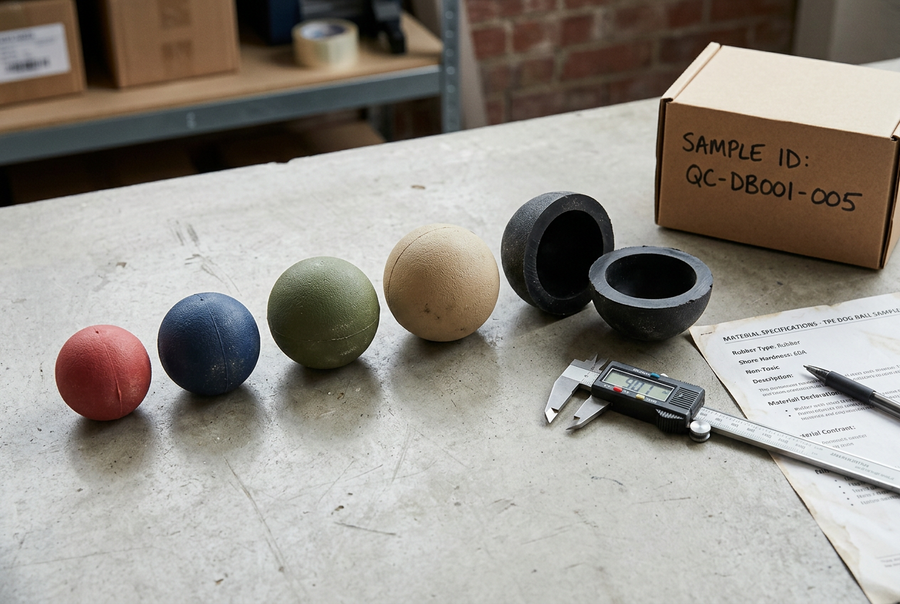
Wholesale Rubber Dog Fetch Balls: Materials, Sizes & Buying Guide
Read Guide →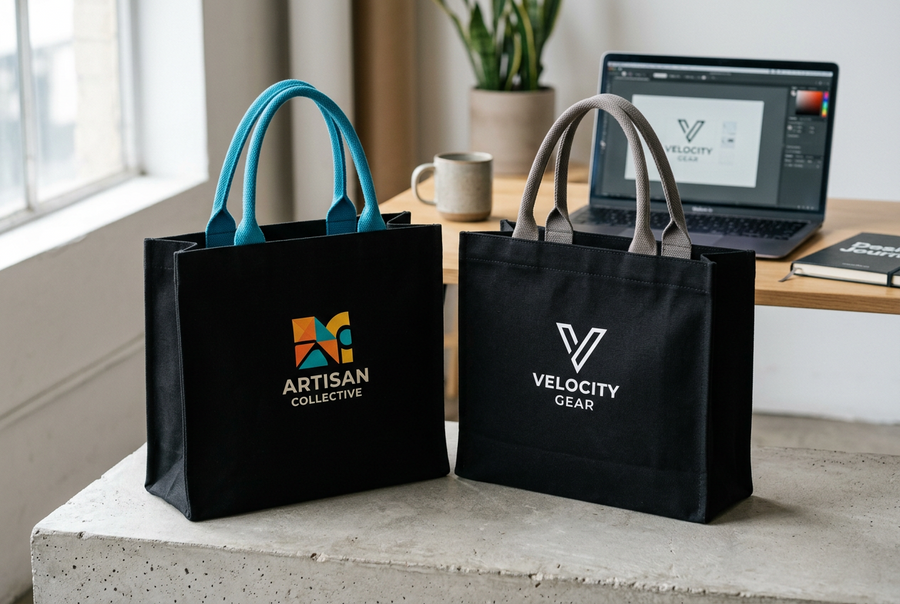
Custom Black Tote Bags: How to Choose the Right Size, Logo Placement, and Handle Color
Read Guide →
Custom A5 Journals in Ten Colors: A Real Wholesale Sourcing Request
Read Guide →
Custom Pink Paper Shopping Bags for a Clothing Boutique: From Store Branding to Final Specifications
Read Guide →Browse Related Collections
Why SupplyBatch
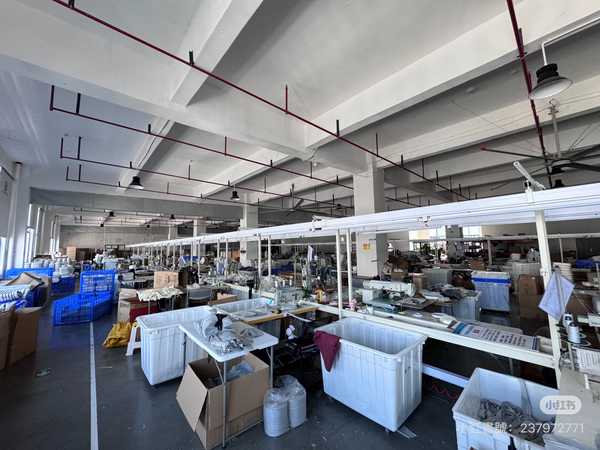
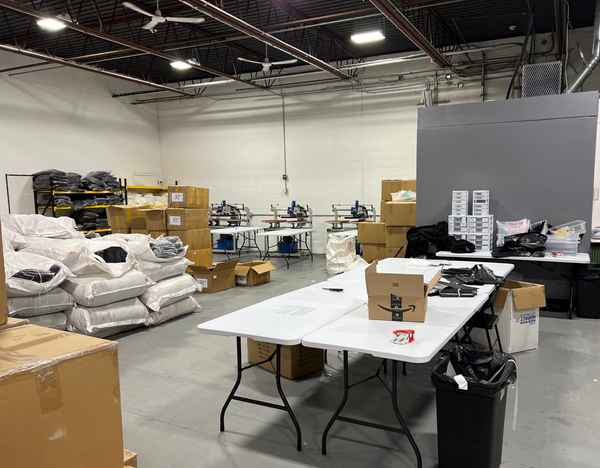
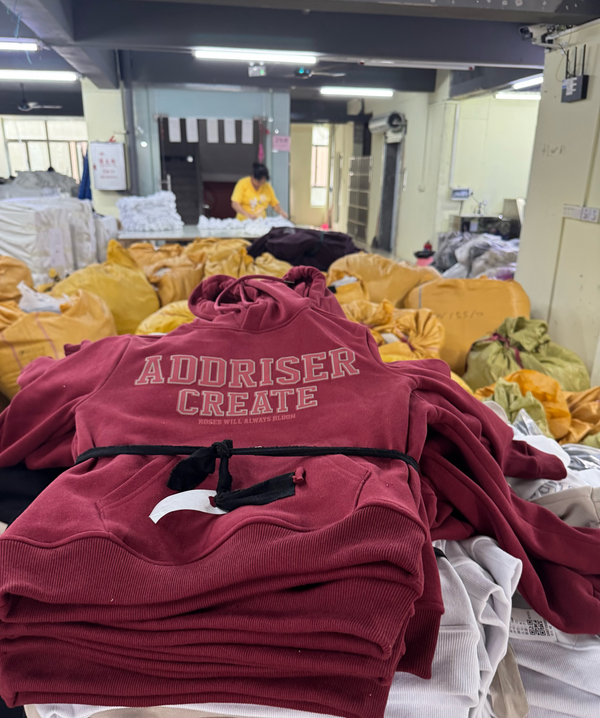
Real Craftsmanship, Small-Batch Ready
We don’t just chase scale; we care about the details. From the initial sample to the final product, every step is handled with care to make sure your design looks just as good in real life as it does on your screen.
At SupplyBatch, you’re working with real product pros. We know that custom merch is your brand’s reputation on the line, so we dig into the details: we’ll analyze your artwork, suggest material upgrades for longevity, and double-check your proofing so there are no surprises when the boxes arrive.
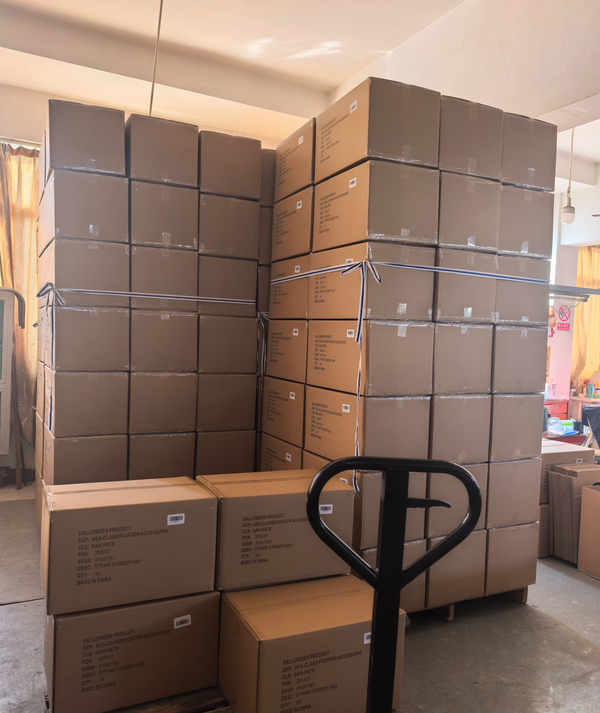

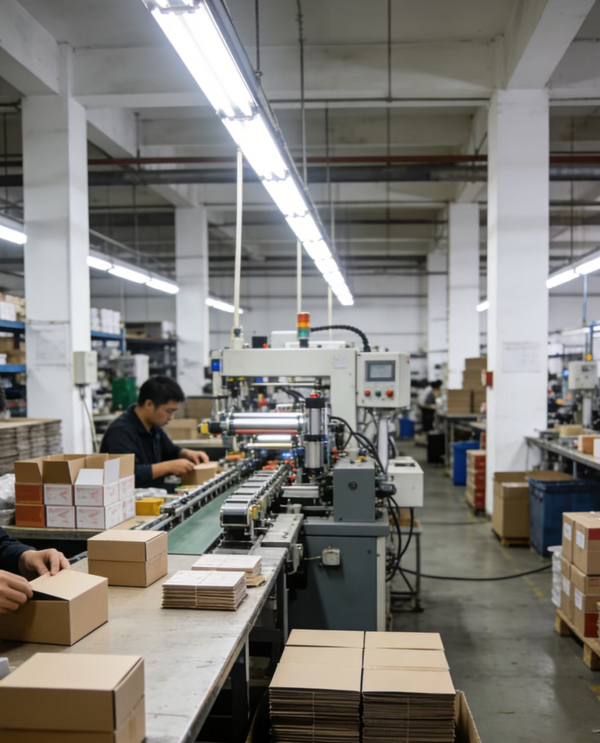
Quality Checked & Shipped Right
We inspect every piece before it leaves our floor, weeding out the ones that don't make the cut. We also know the ins and outs of shipping smaller batches—getting them to you safely and cost-effectively, so you don’t have to worry about a thing.
You bring the vision, and we bring the practical, boots-on-the-ground expertise to turn your ideas into high-quality products that actually hit the mark.
Customization with Brand Services

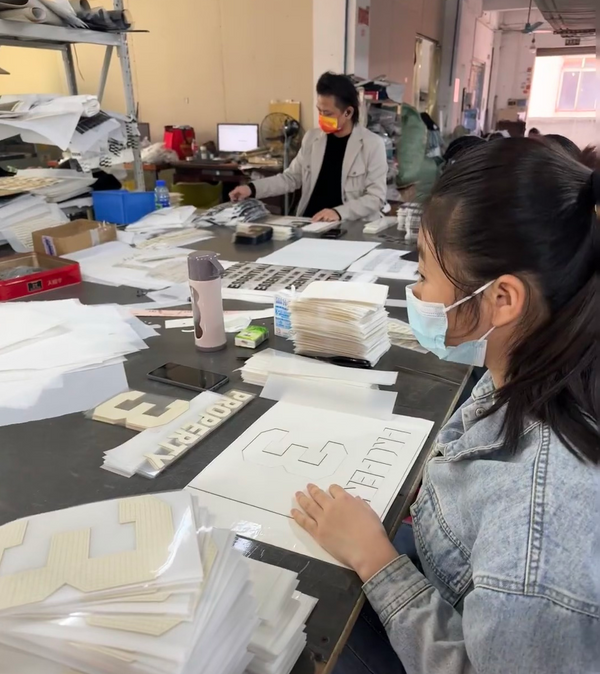
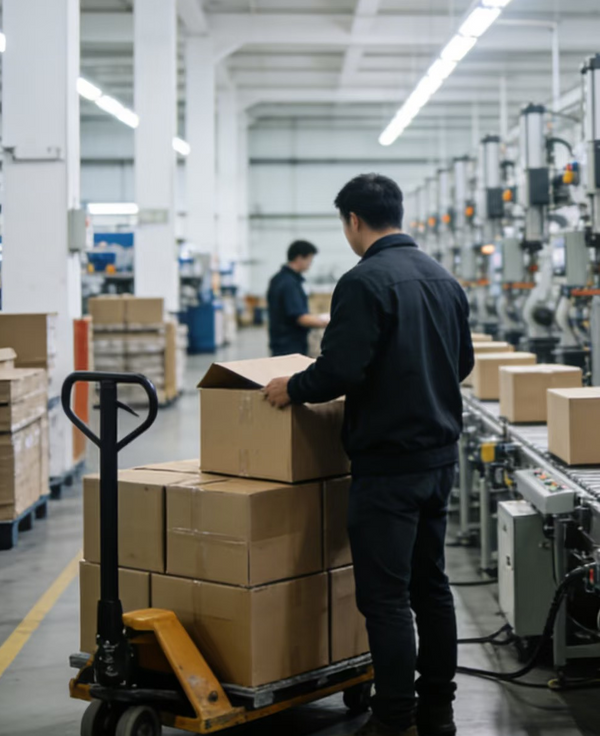
Customization with a Personal Touch
You’re working with experts who understand the technical side of custom manufacturing inside and out. We don’t just process orders; we act as an extension of your team. Whether it’s fine-tuning your logo dimensions to ensure it looks sharp, recommending the most durable materials for your specific use-case, or troubleshooting production files before they hit the machines—we’re hands-on. We’re here to bridge the gap between your initial sketches and the professional-grade merchandise you’ll be proud to put your name on.
At SupplyBatch, you’re working with real product pros. We know that custom merch is your brand’s reputation on the line, so we dig into the details: we’ll analyze your artwork, suggest material upgrades for longevity, and double-check your proofing so there are no surprises when the boxes arrive. You bring the vision, and we bring the practical, boots-on-the-ground expertise to turn your ideas into high-quality products that actually hit the mark.
Custom Apparel & Bag --- Office & Business --- Tech --- Event & Promotional --- Lifestyle & Outdoor --- Home & Living --- Industrial & Hardw


