Custom RPET Foldable Shopping Bag with Pouch | Factory Direct

Custom RPET Foldable Shopping Bag with Pouch | Factory Direct

low as: $0.58
color

Request a Wholesale Quote:

(Kindly fill below form for quote in 5min or enquiry)
✓ Your enquiry has been sent successfully! We'll reply with a quote shortly.

Quick B2B Sourcing Overview

  • MOQ: 100 pcs (base and size customization)
  • Lead Time: 10 business days (1–100 pcs) | 15 days (101–5,000 pcs) | >5,000 negotiated
  • Material: RPET Polyester (also: Polyester, Nylon, Oxford — 170T / 190T / 210D / 600D)
  • Key Spec: 38 × 58 cm standard | Custom size available | Packed 20 × 15 × 5 cm | 0.3 kg gross
  • Decoration Method: Silk screen / heat transfer / offset printing / film lamination
  • Compliance: Documentation available upon request for your destination market
  • Origin: Guangdong, China — factory-direct

Attribute Data Matrix

Attribute Specification Notes
Product Type Foldable grocery shopping bag with pouch Model: Foldable rpet shopping bag; Style: Handled
Material RPET Polyester Polyester / Nylon / Oxford also available: 170T, 190T, 210D, 600D
Size 38 × 58 cm or Customized Medium (30–50cm) category; custom size min. 100 pcs
Closure Type Shoulder Style: handled; tote / drawstring / foldable types available
Features Eco-Friendly, Reusable, Portable, Waterproof Recyclable listed in product description
Decoration Methods Silk screen / heat transfer / offset printing / film lamination Pattern type: customized
Lead Time 10 days (1–100 pcs) | 15 days (101–5,000 pcs) | >5,000 negotiated Description lists 20–25 days normal; sample 5–7 days
Packing 1 pc / OPP; 200 pcs / CTN Single package: 20 × 15 × 5 cm; 0.3 kg gross
Colors Red, blue, orange and so on Customized pattern type
MOQ 100 pcs Also applies to size customization
Place of Origin Guangdong, China Factory-direct
Compliance Documentation available upon request Specific certifications not named in source data

Technical Comparison Analysis

RPET polyester tote vs. non-woven polypropylene bag: Both are lightweight and low-cost to produce. Non-woven bags are generally lower-cost due to simpler production and suit single-use promotional events. This RPET tote adds recycled-content positioning as the standard build, a folding format with attached pouch, and a waterproof finish. It packs to 20 × 15 × 5 cm at 0.3 kg, which keeps carton cube low. For programs where recycled content supports the brand message, the RPET format carries the sustainability signal; for one-day events where material provenance is not a factor, the non-woven format is the lower-cost route.

RPET polyester tote vs. cotton canvas tote: Cotton canvas carries a heavier hand-feel and higher unit weight, which raises freight cost per unit and reduces bags per carton. Polyester here packs at 200 pcs per carton with a 0.3 kg packaged unit, a meaningful difference in container loading for bulk programs. Cotton takes screen printing readily and signals a more tactile brand impression; the RPET polyester format is the more weather-resistant and recycled-content option, better suited to grocery and outdoor use where contents may be damp and where sustainability messaging matters.

Gauge selection within the line: The difference between 170T and 600D is the most consequential spec choice after material. Thin gauges fold smaller and ship cheaper, but handle strength and abrasion resistance scale with the heavier construction. The 600D Oxford option is the appropriate pick for repeat grocery use; 170T and 190T suit event giveaways. Buyers should request the gauge explicitly in the quotation, as the listed decoration methods and foldable format apply across all constructions but the finished bag's durability does not. Documentation for your destination market's requirements can be provided upon request.

Multi-Scenario Buyer Applications

Scenario 1: Grocery Chain Reusable Bag Program

A retail procurement manager at a grocery chain evaluating custom tote bags with logo wholesale for a checkout reusable bag program would typically confirm four things before ordering: the material construction (RPET for recycled-content messaging, or 600D Oxford for heavier abuse), print method and color match for a multi-color retail mark, the 200 pcs per carton packing for distribution to stores, and a lead time tier that aligns with a campaign launch. The 20 × 15 × 5 cm single package at 0.3 kg matters at chain scale — carton cube drives freight and store-level storage. The attached pouch design keeps the folding solution with the bag between trips, which supports repeat-use programs. Buyers should request a pre-production sample to verify pouch attachment and handle strength, and confirm recycled-content documentation for the destination market before shipment.

Scenario 2: Trade Show and Conference Swag

An event merchandising coordinator sourcing custom printed tote bags low moq for a conference would weigh packability first: the folding format ships flat at 20 × 15 × 5 cm, lowering freight to the venue and allowing bulk delivery in a minimal carton count. The 38 × 58 cm panel gives room for a sponsor logo plus event branding, and custom sizing is available if a specific panel dimension is required. Decoration method selection matters — heat transfer and offset handle multi-color event marks better than silk screen. The 10-day lead time for 1–100 pcs and 15-day window for 101–5,000 pcs both leave room for a sample approval cycle before an in-hands date. Coordinators should confirm whether OPP bagging is required for handout and request pre-shipment photos of print registration.

Scenario 3: Sustainability-Linked Retail Campaign

A sustainability manager at a retail brand sourcing eco-friendly custom tote bags would typically confirm the RPET construction and whether recycled-content documentation is available for the campaign's ESG messaging, alongside the standard spec checks: gauge, print method, and packaging. The waterproof feature and reusable design support a "replace single-use" campaign narrative without requiring a heavier cotton format. Buyers should ask specifically which material construction the quotation covers — the line spans RPET, polyester, nylon, and Oxford in 170T through 600D — and request test reports or declarations for their market. The 200 pcs per carton packing supports rollout to multiple store locations from a single production run, and the 100-pc MOQ allows a pilot before a national launch.

Scenario 4: Institutional and University Procurement

A university procurement officer or healthcare procurement officer sourcing branded canvas tote bags bulk for orientation welcome packs or patient discharge programs would approach this with documentation first: request the material declaration, recycled-content verification for the RPET build, and any market-specific compliance documents for the destination market before issuing the PO. The 100-pc MOQ allows a departmental pilot before a system-wide rollout. Buyers should confirm the specific document set their finance and compliance teams require, whether third-party test reports are available for the destination market, and whether institutional billing and PO-approval paperwork can be accommodated. The 20 × 15 × 5 cm folded package keeps storage lean in campus or hospital supply rooms, and the waterproof material suits outdoor distribution events.

FAQ Matrix

Q: Which material construction should I choose — RPET, standard polyester, or 600D Oxford?

A: Match construction to expected bag lifespan and program message. RPET is the standard build and supports recycled-content messaging for sustainability-linked campaigns. Standard polyester without recycled content is available if material provenance is not a campaign factor. 600D Oxford is the heavier option for repeat grocery use where abrasion resistance matters. The source also lists 170T and 190T constructions for lighter event giveaways. Specify the construction in the quotation request — the listed print methods and foldable format apply to all constructions, but durability and unit price do not.

Q: How is the bag packed, and what does that mean for freight and storage planning?

A: 1 pc per OPP bag, 200 pcs per carton. Single package size is 20 × 15 × 5 cm at 0.3 kg gross. For bulk programs, 200 pcs per carton sets the carton count per order and the pallet configuration — confirm carton dimensions and gross weight with the supplier before booking sea freight, as these are not stated in the product data. At 0.3 kg per unit, express courier for small quantities is economical; sea freight becomes the better landed-cost route once volume reaches multiple full cartons, typically above the 5,000-pc band where lead time is negotiated.

Q: What payment structure applies to a first order at the 100-pc MOQ, and can institutional buyers request specific terms?

A: Payment terms are not specified in the supplier's product data. Standard cross-border terms for this order size typically involve a T/T deposit with balance due before shipment or against a copy of the bill of lading. Confirm the deposit percentage, balance trigger point, and accepted payment methods in writing before issuing the PO. Institutional buyers — hospitals, universities, government agencies — requiring specific invoicing formats or milestone-based terms should raise this at quotation stage rather than after production begins, as approvals on both sides move faster when terms are agreed upfront.

Q: What quality checkpoints apply during production, and what documentation supports my PO approval file?

A: The supplier's product data does not specify an AQL level or third-party inspection policy. Standard checkpoints for this product cover print registration and color match against approved artwork, pouch attachment stitching, handle strength, fold-line creasing, waterproof finish verification, and dimension verification against the 38 × 58 cm standard size. For PO approval, request the commercial invoice, packing list, and certificate of origin as standard; for material declarations, recycled-content documentation, or market-specific compliance documents, request them directly and confirm availability for your destination market before finalizing the order.

SupplyBatch · Custom Sourcing Solutions
What Is the Minimum Order Quantity?100 ·units Who This Product Works Best For?Marketing Director at mid-size tech company — sourcing branded totes for conference swag bags and employee onboarding kits
Grocery Retail Procurement Manager — building a reusable bag program to replace single-use options at checkout
Sustainability Manager at retail brand — evaluating RPET tote options for an ESG-linked customer giveaway
Event Merchandising Coordinator at trade show organizer — assembling attendee bags that need to pack flat and ship cheaply
Promotional Products Distributor — adding a recycled-content foldable tote option to a corporate client catalog
University Procurement Officer — sourcing orientation welcome kits and campus bookstore reusable bag programs
Healthcare Procurement Officer — evaluating reusable bags for patient discharge or cafeteria programs
Community Outreach Coordinator at nonprofit — sourcing reusable bags for food bank and donation distribution
Where and How It's Made?

The primary material is RPET polyester — recycled polyester — with manufacturing based in Guangdong, China. The supplier also lists polyester, nylon, and Oxford as available materials across 170T, 190T, 210D, and 600D constructions. The standard size is 38 × 58 cm (Medium, 30–50cm category), and custom sizing is available from a 100-piece minimum.


The bag uses a handled, shoulder-style format with a folding mechanism and an attached pouch. Packing is 1 pc per OPP bag and 200 pcs per carton. Single package size is 20 × 15 × 5 cm, and single gross weight is 0.3 kg. Closure is listed as shoulder type rather than a zipper.


No specific certifications or audit reports are named in the supplier's product data. The standard production process covers material sourcing, cutting, printing, folding-mechanism assembly, pouch attachment, and final packing. Buyers requiring formal compliance documentation for their market should request test reports and material declarations directly before finalizing the purchase order.


The supplier lists eco-friendly, reusable, portable, waterproof, and recyclable as product features, and RPET is the standard material. No ISO or environmental management certification is named in the source data. Buyers with ESG reporting requirements should confirm the specific documentation — including recycled-content verification — available for their procurement approval process.

What You Need to Know?The material construction is the decision that moves this product most. RPET is the standard build and supports a sustainability message, but the line also runs polyester, nylon, and Oxford from 170T through 600D — and that gauge range changes durability and unit cost more than any other variable. Light gauges suit one-time event giveaways where packability and cost matter; 600D Oxford suits repeated grocery use where abrasion resistance matters. Pick the construction against the bag's expected lifespan, not against the sample's hand-feel.


On volume, 100 pcs makes a first order low-risk, and the lead time tiers are clean: 10 days for 1–100 pcs, 15 days for 101–5,000 pcs, negotiated above that. Plan your in-hands date against the correct tier rather than the headline 10-day figure.


Decoration is the third decision point. Four methods are listed — silk screen, heat transfer, offset, and film lamination — and each suits different artwork complexity. Confirm the method and its color capacity at quotation before approving artwork, since the same logo can price and print differently across methods on a recycled polyester surface.

This custom recycled polyester tote is built on RPET and measures 38 × 58 cm, folding into an attached pouch at 20 × 15 × 5 cm and 0.3 kg gross — a format for grocery loyalty programs, trade show giveaways, and eco-linked retail campaigns where shipping cube drives cost. Material options run from 170T polyester through 600D Oxford, with RPET as the standard build.


SupplyBatch quotes material construction, decoration method, and print placement together. MOQ is 100 pcs, sample turnaround is 5–7 days, and standard lead time is 10 days for 1–100 pcs and 15 days for 101–5,000 pcs. Pre-shipment photos of print detail and pouch attachment are available before balance payment.

Why Companies Choose This Product? → 100-pc MOQ on both base order and size customization — lower than the 500–1,000 pcs thresholds many suppliers in this category set for printed runs.

→ RPET recycled polyester as the standard build — recycled content is the base spec, not a paid upgrade, supporting sustainability-linked campaigns.

→ Four decoration methods available: silk screen, heat transfer, offset printing, and film lamination, covering spot-color and multi-color artwork.

→ Five material constructions available: RPET, polyester, nylon, and Oxford in 170T, 190T, 210D, and 600D — gauge and cost traded within one supplier relationship.

→ Tiered lead time: 10 days for 1–100 pcs and 15 days for 101–5,000 pcs, with predictable timelines across order sizes.

→ Folds to a 20 × 15 × 5 cm single package at 0.3 kg gross — low carton cube and freight cost versus rigid tote formats.

→ 200 pcs per carton supports pallet-level planning and predictable container loading for bulk programs.

→ Pre-shipment photos of print detail, pouch attachment, and packaging available on request before balance payment.
Is This the Right Choice for Your Business? MARKET POSITIONING: This sits in the recycled-material reusable bag segment: RPET polyester body with a folding format and attached pouch, sized at 38 × 58 cm with custom sizing available. Lower-tier alternatives are non-woven polypropylene bags without recycled content; upper-tier alternatives are certified recycled cotton or GOTS organic canvas totes with documented traceability. The RPET option positions this for programs where recycled content is part of the brand message, while the 170T–600D gauge range and Oxford option let buyers trade durability against unit cost within one supplier relationship.

PRICE BENCHMARK: Not specified by supplier — verify before quoting.

MOQ ADVANTAGE: At 100 pcs, this sits well below the 500–1,000 pcs thresholds many suppliers in this category set for printed runs. That lower threshold suits first-time corporate programs, multi-SKU orders, and pilot runs — particularly useful when a buyer wants to validate RPET hand-feel and print outcome before a larger recycled-content commitment.

COMPETITIVE DIFFERENTIATION: (1) 100-pc MOQ on both base order and size customization supports smaller programs without committing to four-figure unit volumes. (2) RPET material as the standard build — recycled content is the base spec rather than a paid upgrade. (3) Four decoration methods offered (silk screen, heat transfer, offset, film lamination), covering both spot-color and multi-color artwork. (4) Tiered lead time at 10 days for 1–100 pcs and 15 days for 101–5,000 pcs gives predictable timelines across order sizes.
How Businesses Use This Product? Grocery Loyalty Programs: Branded RPET tote with attached pouch issued at checkout or as a member reward, replacing single-use bags in repeat shopping trips.

Trade Show Giveaways: Foldable tote packed flat at 20 × 15 × 5 cm for easy transport to the venue and handed out as a carry-all for collected materials.

Retail Promotional Campaigns: Seasonal or launch-linked recycled-content tote given with purchase, with custom sizing available to match load requirements.

Conference Attendee Bags: Lightweight tote included in registration packets, packable enough to fit inside a delegate bag before use.

Beach and Outdoor Use: Polyester tote with waterproof feature suited to beach, outdoor market, and picnic use where contents may be damp.

Community Food Bank Distribution: Reusable bag provided to recipients for carrying groceries and donations, with waterproof material suited to outdoor distribution.

Corporate Event Swag: Branded tote included in employee or client event kits, folding to a compact 20 × 15 × 5 cm package for easy shipping and storage.

Advertising Distribution: Logo-forward tote used as a walking billboard in high-foot-traffic retail or event environments.

Cross-Border Retail Programs: Multi-country retail chains ordering a single RPET tote spec with local logo variations, shipped via sea freight to regional distribution centers.
Materials, Construction & Specifications
MATERIAL PRIMARY: RPET Polyester (recycled polyester). Available material options per source: RPET, Polyester, Nylon, Oxford — constructions 170T, 190T, 210D, 600D.

MATERIAL SECONDARY: Not specified by supplier — verify before quoting

LOAD CAPACITY: Not specified by supplier — verify before quoting
STRAP TENSILE STRENGTH: Not specified by supplier — verify before quoting. Closure type: shoulder; style: handled.
ZIPPER CYCLE RATING: Not applicable — no zipper; tote / drawstring / foldable types available
WATERPROOF RATING: Waterproof (stated as feature; specific measured rating not specified by supplier — verify before quoting)

STANDARD DIMENSIONS: 38 × 58 cm or customized. Size category: Medium (30–50cm).

CUSTOMIZABLE DIMENSION RANGE: Custom size available (size customization min. order 100 pcs); specific min-max range not specified by supplier — verify before quoting

WEIGHT PER UNIT: 0.3 kg single gross weight (packaged)

PRINT AREA DIMENSIONS: Not specified by supplier — verify before quoting

SURFACE TREATMENT OPTIONS: Film lamination listed among printing/decoration options

COLOR OPTIONS: Red, blue, orange and so on listed. Standard color count and Pantone matching MOQ not specified by supplier — verify before quoting.

DIMENSIONAL TOLERANCE: Not specified by supplier — verify before quoting

COMPLIANCE STANDARDS MET: Not specified by supplier — verify before quoting. Features listed: eco-friendly, reusable, portable, waterproof, recyclable.
Manufacturing Details
1. Raw material sourcing and incoming QC: RPET polyester (or selected construction from 170T–600D) inspected for color consistency, waterproof finish, and surface defects before cutting.

2. Core manufacturing: fabric cut to the 38 × 58 cm pattern (or custom size), side seams stitched, handle attached, folding mechanism constructed, and pouch sewn into the body.

3. Decoration/branding: logo applied per confirmed method — silk screen, heat transfer, offset printing, or film lamination. Artwork approved before production; print registration and color match checked against Pantone references on first-off units.

4. Quality control checkpoint: in-line inspection of print color accuracy, fold-line creasing, pouch attachment stitching, handle strength, stitching consistency, and waterproof finish. Defect criteria confirmed against the agreed AQL level.

5. Packaging and final inspection: 1 pc per OPP bag, 200 pcs per carton. Pre-shipment photos of print detail, pouch attachment, and packaging available on request.

Technical note: Supply artwork in vector format (AI, EPS, PDF) with Pantone color references. Raster files require 300 DPI minimum at final print size. Include bleed and specify logo dimensions per placement location.
Packaging, Carton & Shipping Details
ORIGIN & FACTORY TYPE: Guangdong, China — OEM manufacturing facility (factory type not further specified in source data)

INNER PACKAGING: 1 pc per OPP bag

MASTER CARTON: 200 pcs per carton. Carton dimensions and gross weight not specified by supplier — verify before quoting.

PALLET SPEC: Not specified by supplier — verify before quoting

EXPRESS SHIPPING: Carrier not specified — verify before quoting. Single package size 20 × 15 × 5 cm; single gross weight 0.3 kg.

SEA FREIGHT: FCL/LCL availability not specified — verify before quoting. Transit time to US/EU not specified — verify before quoting. Sea freight viable for bulk orders at 200 pcs per carton.

REQUIRED DOCUMENTATION: Commercial invoice, packing list, certificate of origin (standard trade docs). Certification-specific documents: Not specified by supplier — verify before quoting.

HS CODE CATEGORY: HS code for polyester shopping bags not specified by supplier — verify before quoting. Duty rate varies by destination country; confirm with customs broker.

IMPORT COMPLIANCE NOTES: Import requirements differ by destination market. Documentation can be provided upon request for your destination market's requirements.

QUALITY GATE: AQL level and pre-shipment inspection policy not specified by supplier — verify before quoting. Confirm inspection protocol (AQL 1.5/2.5/4.0, third-party QC availability, cost responsibility) in writing before production.
How Much Should You Order?
STARTER 100–500 pcs: Pilot corporate program or single-event giveaway | Entry wholesale pricing, 10-day lead time applies

SMALL BATCH 500–1,000 pcs: Regional trade show run or store-level promo | Entry wholesale pricing, 10-day lead time applies

MID VOLUME 1,000–2,500 pcs: Multi-store retail program or conference series | Standard wholesale, 15-day lead time, sea freight viable

BULK 2,500–5,000 pcs: Grocery chain loyalty program or distributor stock | Best unit economics, pallet shipping via 200-pc cartons, extended payment terms available

ENTERPRISE 5,000+ pcs: National retail reusable bag program or multi-SKU corporate merchandise | Custom pricing, negotiated lead time, dedicated account manager, QC report included
Order Quantities & Volume Options
Minimum 100 pcs per design | Bulk pricing above 5,000 pcs
Production Schedule & Lead Time
10 business days for 1–100 pcs | 15 days for 101–5,000 pcs
Questions Buyers Often Ask

Q: Grocery loyalty bags, trade show giveaways, retail promos, beach totes, eco campaigns

A:

**Q: What is your standard AQL defect tolerance level for bulk shipment acceptance — AQL 1.5, 2.5, or 4.0?**

A: The supplier's product data does not specify an AQL level. For printed foldable RPET totes, AQL 2.5 is a common benchmark for major defects such as print misregistration, pouch attachment failure, handle stitching, and fold-line integrity, with AQL 4.0 sometimes applied to minor cosmetic criteria. Confirm the AQL level in writing before production, and specify whether it applies to print color accuracy, stitching, handle strength, pouch attachment, and waterproof finish separately. If your procurement process requires a defined AQL, put it in the PO terms rather than assuming a default.


**Q: Do you provide pre-shipment inspection reports with third-party QC sign-off, and what is the cost?**

A: Third-party inspection availability and cost are not stated in the supplier's product data. Pre-shipment inspection is typically arranged as a separate service, with cost depending on scope and location. Request a written quote for third-party QC before confirming the order, and specify the checkpoints: print color match against approved artwork, pouch attachment stitching, handle strength, fold-line creasing, waterproof finish verification, and dimension verification against the 38 × 58 cm standard size.


**Q: What payment terms do you offer — T/T deposit percentage, balance trigger point, and accepted payment methods?**

A: Payment terms are not specified in the supplier's product data. Standard cross-border terms for this order size typically involve a T/T deposit with balance due before shipment or against a copy of the bill of lading. Confirm the deposit percentage, balance trigger point, and accepted payment methods in writing before issuing the PO. If your finance team requires specific terms — net 30, letter of credit, or milestone-based payments — raise them at quotation stage rather than after production begins.


**Q: What is the realistic production lead time from artwork approval to ready-to-ship, not the marketing headline figure?**

A: The supplier states 10 days for 1–100 pieces, 15 days for 101–5,000 pieces, and negotiated timelines above 5,000 pieces. The product description separately lists a normal delivery window of 20–25 days depending on quantity. Sample turnaround is 5–7 days. Treat the 10-day and 15-day figures as ranges to confirm in writing for your exact volume, and add time for sample approval, artwork revisions, and pre-shipment inspection. Plan backwards from your in-hands date.


**Q: What documentation can be provided for internal procurement approval and import clearance?**

A: The supplier's product data does not name specific certifications. Standard trade documentation — commercial invoice, packing list, certificate of origin — is available for export shipments. For material declarations, recycled-content documentation on RPET, waterproof test reports, or market-specific compliance documents, request them directly and confirm availability for your destination market before finalizing the order. Documentation can be provided upon request for your destination market's requirements.


**Q: How does this RPET polyester tote compare to a standard polyester tote or a non-woven bag?**

A: Non-woven bags are generally lower-cost due to simpler production and suit single-use promotional events. Standard polyester totes offer durability without the recycled-content positioning. This RPET build sits between them: the recycled material supports sustainability messaging, and the foldable format with attached pouch keeps shipping cube low. The source also lists 170T through 600D constructions, so gauge selection matters — lighter gauges suit event giveaways, heavier gauges suit repeat grocery use. Confirm which construction your quotation covers, as the price and durability differ across the range.


**Q: What customization options exist beyond a logo, and what are the minimums for each?**

A: The source lists drawing-based customization, sample-based customization, and full customization. Size customization carries a 100-piece minimum, matching the base MOQ. Pattern type is customized, colors include red, blue, orange and so on, and material options span RPET, polyester, nylon, and Oxford in 170T–600D. Logo application is available per the confirmed decoration method. Confirm the MOQ and lead time for your specific customization tier at quotation, as scope beyond size and logo is not detailed in the product data.

Why SupplyBatch

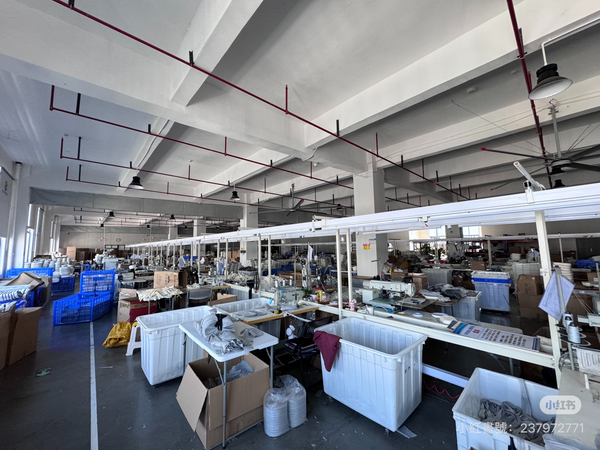
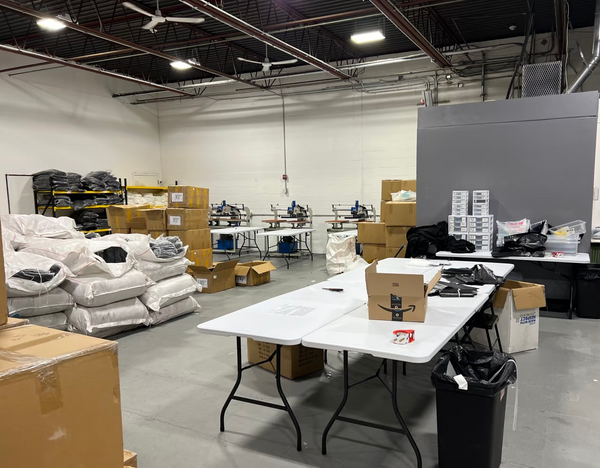
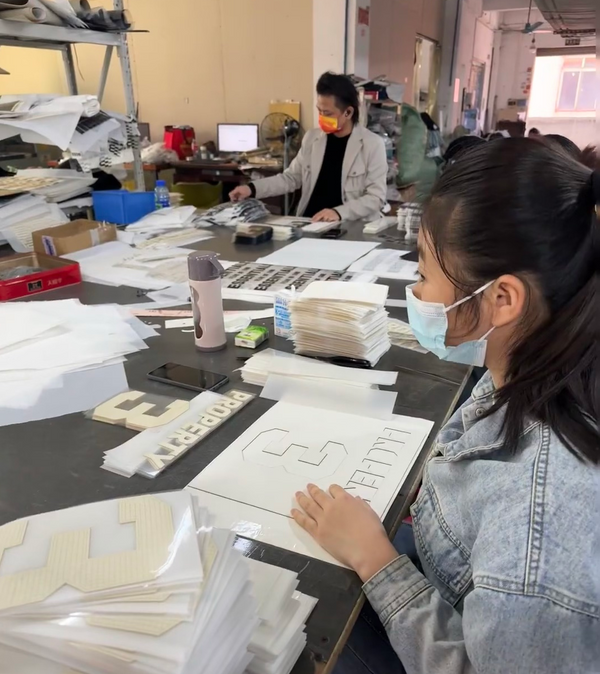
Real Craftsmanship, Small-Batch Ready

We don’t just chase scale; we care about the details. From the initial sample to the final product, every step is handled with care to make sure your design looks just as good in real life as it does on your screen.

At SupplyBatch, you’re working with real product pros. We know that custom merch is your brand’s reputation on the line, so we dig into the details: we’ll analyze your artwork, suggest material upgrades for longevity, and double-check your proofing so there are no surprises when the boxes arrive.
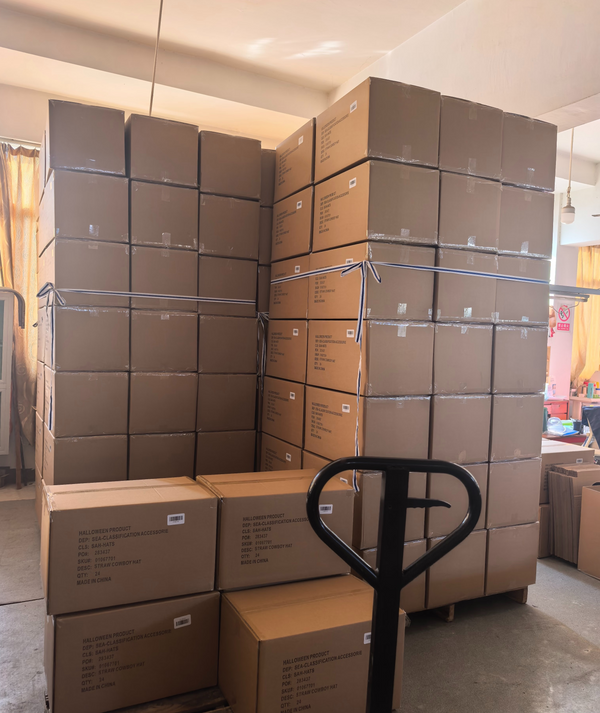

Quality Checked & Shipped Right

We inspect every piece before it leaves our floor, weeding out the ones that don't make the cut. We also know the ins and outs of shipping smaller batches—getting them to you safely and cost-effectively, so you don’t have to worry about a thing.


You bring the vision, and we bring the practical, boots-on-the-ground expertise to turn your ideas into high-quality products that actually hit the mark.

Customization with Brand Services

Customization with a Personal Touch

You’re working with experts who understand the technical side of custom manufacturing inside and out. We don’t just process orders; we act as an extension of your team. Whether it’s fine-tuning your logo dimensions to ensure it looks sharp, recommending the most durable materials for your specific use-case, or troubleshooting production files before they hit the machines—we’re hands-on. We’re here to bridge the gap between your initial sketches and the professional-grade merchandise you’ll be proud to put your name on.
At SupplyBatch, you’re working with real product pros. We know that custom merch is your brand’s reputation on the line, so we dig into the details: we’ll analyze your artwork, suggest material upgrades for longevity, and double-check your proofing so there are no surprises when the boxes arrive. You bring the vision, and we bring the practical, boots-on-the-ground expertise to turn your ideas into high-quality products that actually hit the mark.
You might also like...