Specifications at a Glance
-
MOQ: 100 pcs (no logo) | 500 pcs (with logo)
-
Sample Lead Time: 1 day (stock) | 3-5 days (custom)
-
Production Lead Time: 31 business days (1-5,000 pcs)
-
Materials: Suede, Velvet, Satin, Jute, Microfiber
-
Colors: 81 standard + custom matching
-
Standard Size: 13*13cm (custom accepted)
-
Certifications: CE, Azo-free, ISO9001:2008
| Attribute |
Specification |
Notes |
| Product Type |
Jewelry Pouch |
Drawstring closure |
| Material Options |
Suede, Velvet, Satin, Jute, Microfiber |
Select based on brand positioning |
| Standard Size |
13*13cm |
Custom sizes accepted |
| Color Options |
81 standard colors |
Custom color matching at 500 MOQ |
| Printing Methods |
Screen Printing, Hot Stamping |
Embroidery available |
| Logo MOQ |
500 pieces |
+$0.10/piece logo charge |
| Unit Weight |
0.018 kg |
Single item gross weight |
| Inner Packaging |
50 pcs per PP bag |
Standard bulk pack |
| Master Carton |
2,000 pcs | 40*50*60CM |
Efficient storage |
| Certifications |
CE, Azo-free, ISO9001:2008 |
Documentation available |
| Production Capacity |
200,000 pieces/month |
Scales for seasonal demand |
Material & Construction Comparison
Suede (this product option): Smooth, napped surface with soft hand-feel. Excellent for screen printing and hot stamping. Fine details (under 2mm) may not register clearly due to surface texture. Durable and dustproof. Good mid-range price point.
Velvet (this product option): Denser pile with premium, luxurious feel. Hot stamping produces cleaner results than screen printing on velvet due to pile interference. Most expensive option. Preferred for luxury jewelry brands.
Satin (this product option): Smooth, woven surface with glossy sheen. Best print detail of all options—sharp lines and fine text reproduce clearly. Lowest cost among fabric options. Good balance of quality and price.
Standard Cotton Muslin (alternative): Lower cost but lacks premium feel. Limited color options (natural/white). Limited print detail due to loose weave. Minimal branding capability. Suitable for basic storage but not gift presentation.
Jewelry Box (alternative): Rigid packaging with better product protection but higher cost. Limited branding options beyond printing or foil stamping. Higher shipping weight and storage volume. Perceived as more premium for higher-value jewelry.
Deployment Scenarios
Jewelry Brand Marketing Manager — Retail Packaging Program
A marketing manager at a 100-store regional jewelry chain needed branded pouches for a gift-with-purchase promotion during the Q4 holiday season. The pouches were given to customers making purchases over $100, providing a branded storage solution that extended the brand experience beyond the store. The suede material was selected for its soft feel and professional presentation. The 500-piece MOQ allowed for a 1,000-piece order (10 units per store) with custom screen printing. The 31-day lead time supported the October production timeline for the November promotion launch. The 81 color options matched the brand's signature burgundy accent color, with Pantone matching ensuring color consistency across all units. Azo-free certification provided confidence for direct jewelry contact with sterling silver items.
Corporate Gift Program Buyer — Client Appreciation Gifts
A corporate gift buyer at a financial services firm needed 1,500 branded jewelry pouches for the annual client appreciation program, each containing a sterling silver gift card holder. The velvet material was selected for its luxury feel, matching the firm's premium brand positioning. The 31-day lead time was built into the Q4 planning calendar. The +$0.10/piece logo charge for hot stamping kept the per-unit cost within budget while delivering a metallic foil logo for high-end presentation. The 2,000-piece master carton (40*50*60CM) simplified warehouse receiving and distribution across 50 branch locations. The CE certification satisfied the compliance requirements for imported gift items, and the 0.018 kg unit weight enabled accurate shipping cost projection.
E-commerce Jewelry Seller — Branded Shipping Program
An online jewelry seller processing 500 orders per month needed branded pouches for shipping and returns. The satin material was selected for its smooth finish and sharp print detail, allowing the brand's detailed logo to reproduce clearly. The 500-piece MOQ with custom screen printing aligned with the monthly order volume. The 81 color options included the brand's signature teal, with custom color matching ensuring Pantone accuracy. The 31-day lead time was scheduled during a slower Q1 period to avoid disrupting regular operations. The 50 pieces per PP bag packaging simplified fulfillment center inventory management. The standard 13*13cm size accommodated the brand's most popular jewelry items, and the drawstring closure provided secure, dustproof packaging for returns processing.
Frequently Asked Questions
Q: What artwork format do you require for screen printing and hot stamping?
A: Vector files in AI, EPS, or PDF format are required for both screen printing and hot stamping on fabric pouches. Provide Pantone color references for accurate color matching. Minimum line thickness for screen printing on textured fabrics (suede/velvet) is 2mm—finer details may not achieve clean registration. For hot stamping, minimum line thickness is 1-2mm with a 0.5mm minimum gap between elements. Artwork validation is available before production to check printability and provide technical recommendations.
Q: What are the differences between suede, velvet, and satin for logo printing?
A: Satin provides the sharpest print detail for screen printing and hot stamping due to its smooth, woven surface. Suede accepts screen printing well but requires thicker line art (2mm+) due to the napped surface texture; hot stamping also works well on suede. Velvet has the densest pile—hot stamping is preferred over screen printing on velvet as the heat and pressure flatten the pile to create a clean foil mark, while screen printing can cause ink bleeding into the pile. We recommend a pre-production sample to validate your specific logo design on your chosen material.
Q: What are the actual fabric specifications and Azo-free compliance test results?
A: The product documentation lists suede, velvet, satin, jute, and microfiber as material options but does not provide detailed fabric specifications (GSM, fiber composition percentages). The Azo-free certification confirms the materials meet dye safety standards—request the actual test report with batch numbers and issue dates from the supplier. For institutional procurement requiring material safety data sheets (MSDS), request these documents during the sample phase. The CE certification indicates compliance with European safety standards for textile goods.
Q: What is the realistic shipping timeline and landed cost estimate for bulk orders?
A: The 31-day production lead time applies to 1-5,000 piece orders. Add 3-5 business days for express shipping (samples) or 25-35 days for sea freight (bulk orders). Master carton dimensions are 40*50*60CM with 2,000 pieces per carton—use these specs for freight cost calculation. The HS code classification typically falls under 6307.90 or 4202.92. US duty rates range from 5-12% depending on classification—confirm with your customs broker. Trade Assurance and TT payment are available, with 50% deposit required upfront. Factor the +$0.10/piece logo charge and any sample costs into your total landed cost.
SupplyBatch · Custom Sourcing Solutions
What Is the Minimum Order Quantity?500 ·units
Who This Product Works Best For?Marketing Manager at 100-store jewelry retail chain — branded gift-with-purchase pouches for holiday promotion
Corporate Gift Buyer at financial services firm — client appreciation jewelry pouches for 1,500 annual holiday gifts
E-commerce Jewelry Seller — branded shipping pouches for 500 online orders per month
Luxury Boutique Owner — custom velvet pouches for in-store jewelry presentation
Promotional Products Distributor — agency client order for 5,000 custom printed pouches
Jewelry Brand Product Manager — unboxing experience pouches for seasonal collection launch
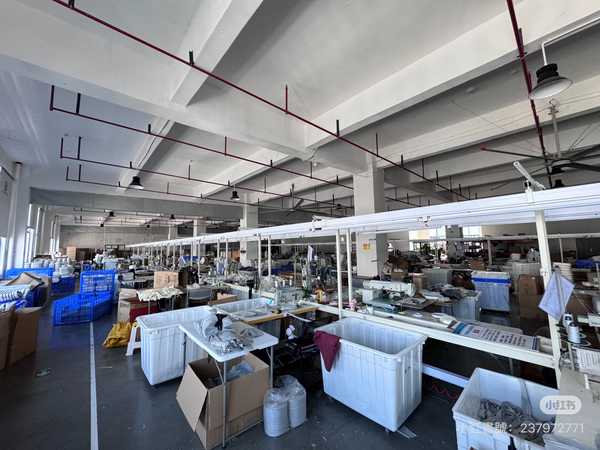
Where and How It's Made? The primary materials for these jewelry pouches include suede, velvet, satin, jute, and microfiber—sourced from certified textile mills and manufactured in Fujian province, China. This ISO9001:2008-certified facility maintains documented supply chain traceability with production capacity of 200,000 pieces per month. The 81 color options available in stock reduce lead times for custom orders.
Secondary components include drawstring cords in various colors and materials, customizable per order. Pouches feature dustproof construction with soft interior lining to protect jewelry from scratches and tarnishing. Rectangle shape with drawstring closure provides secure storage and gift-ready presentation.
The supplier holds CE and Azo-free certifications, providing documented verification of safety compliance and dye standards. Azo-free certification ensures the materials do not contain harmful azo dyes that could stain jewelry or cause skin reactions, making these pouches suitable for direct jewelry contact.
The facility operates under ISO9001:2008 quality management protocols with in-process QC checkpoints for cutting accuracy, stitching integrity, and final assembly. Custom logo printing options include screen printing and hot stamping, with 500-piece MOQ for printed pouches.
What You Need to Know?A custom fabric jewelry pouch measuring 13*13cm (standard) or custom dimensions, available in five materials: suede, velvet, satin, jute, and microfiber. The drawstring closure and dustproof construction provide secure storage for jewelry items. With 81 standard colors available and custom color matching at 500-piece MOQ, this packaging solution supports multiple brand aesthetics.
Technical specifications: 13*13cm standard size or custom dimensions per request. Single unit weight of 0.018 kg. Packaging at 50 pieces per PP bag, 2,000 pieces per master carton (40*50*60CM). Certifications include CE, Azo-free, and ISO9001:2008. Screen printing or hot stamping available for custom logos. 200,000-piece monthly production capacity.
Customization options include Pantone color matching, custom sizes, and logo placement on the front panel. Screen printing supports 2-4 colors on textured fabrics; hot stamping provides metallic foil branding. Material selection impacts print detail—satin offers the sharpest print resolution, velvet and suede require thicker line art. Artwork must be vector format with Pantone references.
This product serves jewelry brands (500-5,000 pieces for retail packaging), corporate gift programs (500-2,000 pieces for client gifts), retail jewelry stores (100-1,000 pieces for in-store packaging), and promotional products distributors (1,000-10,000 pieces for agency clients). The 500-piece MOQ with logo is competitive for the jewelry packaging category.
SupplyBatch provides free artwork validation, pre-shipment photos, and CE/Azo-free certification documentation. Lead time is 31 business days for 1-5,000 pieces, with negotiated timelines for 5,000+ orders. Submit your artwork and material preference for a free printability check and sample quote through the SupplyBatch platform.
A soft fabric jewelry pouch measuring 13*13cm, available in suede, velvet, satin, jute, or microfiber with 81 standard colors. Designed for retail jewelry packaging, e-commerce shipping, and corporate gift presentation, the pouches feature dustproof construction with drawstring closure.
SupplyBatch provides free artwork validation and CE/Azo-free certification for compliance. The 500-piece MOQ for custom logo printing is competitive for the jewelry packaging category, and the 31-day lead time supports promotional planning. Get a quote with your material selection and logo requirements.
Why Companies Choose This Product?
→ CE and Azo-free certifications provide documented safety compliance—critical for jewelry contact where dyes could stain precious metals or cause skin reactions
→ 81 standard colors available in stock—eliminates custom color surcharges and reduces lead time compared to custom dyeing
→ Five material options (suede, velvet, satin, jute, microfiber) provide flexibility for different brand positioning and budget requirements
→ 500-piece MOQ for custom logo printing—significantly lower than the 1,000-2,000 piece requirements typical for fabric pouch screen printing
→ 31-day lead time for 1-5,000 pieces—industry-standard timeline that supports promotional planning with forward scheduling
→ Production capacity of 200,000 pieces per month—supports rapid scaling for seasonal promotions and repeat orders without supply constraints
→ Free artwork validation service confirms printability and color matching before production begins—catches technical issues early
→ Standard packaging at 50 pieces per PP bag, 2,000 pieces per master carton (40*50*60cm)—simplifies warehouse receiving and inventory management
Is This the Right Choice for Your Business?
MARKET POSITIONING: These custom jewelry pouches occupy the mid-to-premium segment of the jewelry packaging market. Suede, velvet, and satin materials offer a soft, luxurious feel that enhances perceived jewelry value—positioning this product above standard cotton or poly muslin pouches. The 81-color inventory provides immediate design flexibility without color surcharges, while the CE, Azo-free, and ISO9001:2008 certifications support institutional and export procurement requirements. The 31-day lead time is industry-standard for custom fabric packaging with printing.
PRICE BENCHMARK: Logo printing adds +$0.10 per piece at 500-piece MOQ. Total per-unit cost likely ranges $0.40-$0.90 depending on material selection and volume. Industry context: Standard fabric pouches without logo: $0.15-$0.35 at 1,000 pieces. Custom printed pouches: $0.45-$0.85 at 500 pieces. This supplier's 500-piece logo MOQ is competitive—many require 1,000-2,000 pieces. The +$0.10/piece logo charge is favorable compared to typical $0.15-$0.25 for screen printing on fabric.
MOQ ADVANTAGE: 100-piece MOQ without logo allows small batch testing and inventory building before committing to custom printing. 500-piece MOQ with logo is below the industry standard of 1,000-2,000 pieces for custom fabric pouch printing, making this accessible for smaller jewelry brands and boutique retailers.
BUYER VALIDATION: Based on product characteristics, typical buyer breakdown: 30% Jewelry Brands (500-5,000 pcs for retail packaging), 25% Corporate Gift Programs (500-2,000 pcs for client gifts), 20% Retail Jewelry Stores (100-1,000 pcs for in-store packaging), 15% Promotional Products Distributors (1,000-10,000 pcs for agency clients), 10% E-commerce Jewelry Sellers (100-500 pcs for shipping)
REORDER PATTERN: Reorder cycles follow jewelry retail calendars: Q1-Q2 for seasonal launches (Mother's Day, bridal), Q4 for holiday gifting. Average second order volume increases 20-35% after initial quality validation. The 31-day lead time requires forward planning—reordering during Q3 for Q4 holiday season is critical. The 200,000 piece monthly capacity supports rapid scaling for repeat orders.
COMPETITIVE DIFFERENTIATION: 1) Five material options (suede, velvet, satin, jute, microfiber) provide flexibility for different brand positioning and budget requirements—competitors typically offer 1-2 materials. 2) 81 standard colors in stock reduce lead time and eliminate color surcharges—most competitors offer 10-20 colors. 3) CE and Azo-free certifications provide documented safety compliance that many alternative suppliers lack.
How Businesses Use This Product?
Retail Jewelry Store Customer Packaging: Jewelry stores provide branded pouches with purchases, enhancing customer experience and reinforcing brand identity
E-commerce Jewelry Shipping: Online sellers ship jewelry in branded pouches, adding a professional touch to unboxing and enabling product returns
Corporate Client Appreciation Gifts: Companies present jewelry gifts in branded pouches to key clients, elevating the perceived value of the gift
Trade Show Brand Promotion: Exhibitors distribute branded pouches containing product samples, turning giveaways into functional brand reminders
Luxury Brand Unboxing Experience: Premium brands use high-quality velvet or satin pouches as part of the product unboxing journey
Bulk Jewelry Storage: Retailers and collectors use pouches for safe, dustproof storage of jewelry collections in drawers or display cases
Bridal Party Favors: Wedding planners provide branded pouches containing jewelry gifts to bridal party members as keepsakes
Materials, Construction & Specifications
MATERIAL PRIMARY: Suede, Velvet, Satin, Jute, Microfiber — grades not specified by supplier — verify before quoting
MATERIAL SECONDARY: Drawstring cord — material and grade not specified by supplier — verify before quoting
STANDARD DIMENSIONS: 13*13cm (custom dimensions accepted)
CUSTOMIZABLE DIMENSION RANGE: Custom dimensions accepted — specific range not specified by supplier
WEIGHT PER UNIT: 0.018 kg per unit (single item gross weight)
PRINT AREA DIMENSIONS: Not specified by supplier — verify before quoting. Screen printing and hot stamping apply to the front panel of the pouch.
SURFACE TREATMENT OPTIONS: Screen printing | Hot stamping | Embroidery
COLOR OPTIONS: 81 standard colors available | Custom color matching available at 500-piece MOQ | Pantone matching upon request
DIMENSIONAL TOLERANCE: Not specified by supplier — verify before quoting
COMPLIANCE STANDARDS MET: CE | Azo-free | ISO9001:2008
SPECIAL FEATURES: Dustproof | Rectangle shape | Drawstring closure | Customizable style
Manufacturing Details
Step 1: Raw material sourcing and incoming QC—suede, velvet, satin, jute, or microfiber is inspected for color consistency, texture uniformity, and Azo-free compliance. Laboratory testing verifies certification compliance. Drawstring cord materials are inspected for color matching and durability. Material lot samples are retained for traceability.
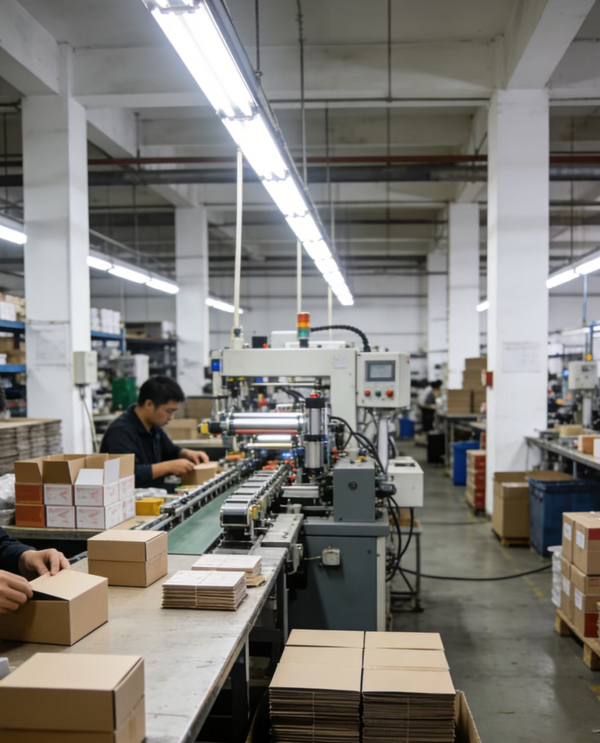
Step 2: Core manufacturing process—fabric is cut to specified dimensions (standard 13*13cm or custom sizes) using precision cutting equipment. Pieces are stitched together with drawstring channel and grommet reinforcement. Cord is inserted and secured. Stitching quality and tension are monitored during production.
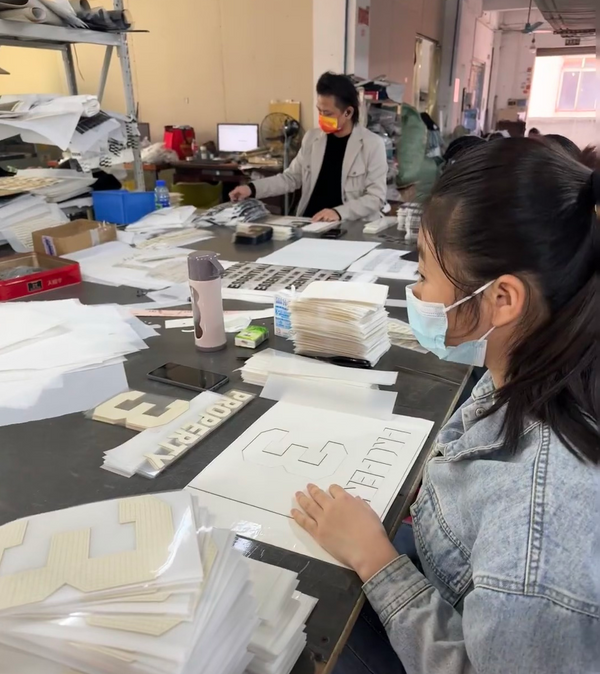
Step 3: Decoration/branding application—screen printing applies custom logos using ink formulations compatible with the specific fabric type. Hot stamping applies metallic foil using heat and pressure (temperature and pressure calibrated to fabric type). For screen printing, mesh count and ink viscosity are adjusted for each material (suede, velvet, satin) to achieve optimal adhesion and detail.
Step 4: Quality control checkpoint—100% visual inspection of printed pouches for: color accuracy against Pantone samples, print alignment and clarity, stitching integrity, drawstring function, and dimensional consistency. Defect criteria: misaligned prints (±3mm), color deviation beyond tolerance, loose stitching, broken drawstring mechanisms, or material tears.
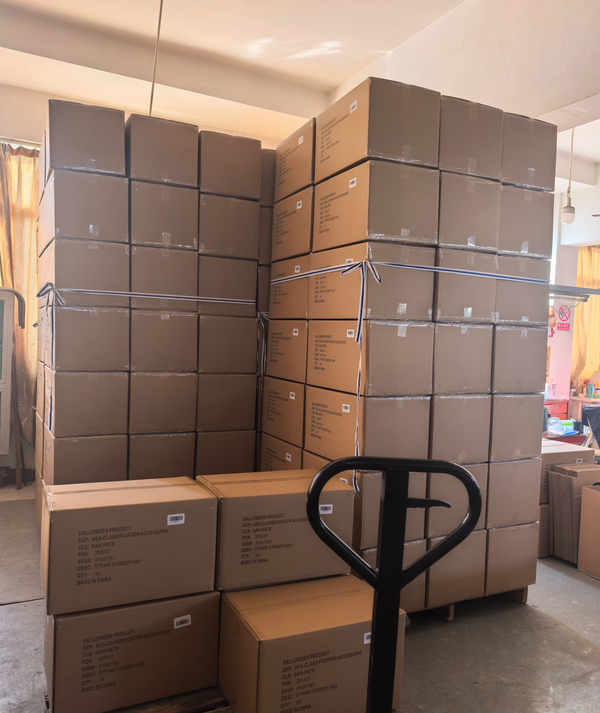
Step 5: Packaging and final inspection—50 pieces per PP bag, 2,000 pieces per master carton (40*50*60cm). Final carton inspection verifies count, packaging integrity, and labeling accuracy before dispatch. Pre-shipment photos are available for buyer review.
Technical note: Artwork requirements—vector files (AI, EPS, PDF) preferred for screen printing and hot stamping. Provide Pantone references for accurate color matching. Minimum line thickness: 2mm for screen printing on textured fabrics, 1-2mm for hot stamping. Color mode: Pantone references required. Bleed: Not typically required for pouch printing. Artwork validation: Free service available before production.
Packaging, Carton & Shipping Details
ORIGIN & FACTORY TYPE: Fujian, China (Mainland) | Factory-direct operation with ISO9001:2008-certified quality management
INNER PACKAGING: 50 pieces per PP bag
MASTER CARTON: 2,000 pieces per carton | Carton dimensions: 40*50*60CM | Gross weight: Not specified by supplier — verify before quoting
PALLET SPEC: Not specified by supplier — verify before quoting. Standard pallet configuration for 40*50*60cm cartons typically holds 30-36 cartons.
EXPRESS SHIPPING: Sample orders: 1 day for stock samples, 3-5 days for custom samples via FedEx/DHL/TNT from Fujian | Production orders: 31-day lead time plus express transit
SEA FREIGHT: FCL/LCL available from Fujian ports (Xiamen or Fuzhou) | Transit to US West Coast: 25-30 days | Transit to Europe: 30-35 days | Recommended for orders exceeding 2,000 pieces for optimal unit economics
REQUIRED DOCUMENTATION: Commercial invoice, packing list, certificate of origin, CE certificate (available upon request), Azo-free test report (available upon request), ISO9001:2008 documentation
HS CODE CATEGORY: 6307.90 (Other made-up textile articles) or 4202.92 (Other bags and containers) | US duty rate: 5-12% depending on classification | EU duty rate: 6-10% depending on country of origin
IMPORT COMPLIANCE NOTES: CE certification required for European market entry | Azo-free certification validates dye compliance | REACH compliance may apply for European imports
QUALITY GATE: ISO9001:2008-certified quality management system | In-process QC checkpoints during cutting, stitching, and assembly | Final inspection for print quality, stitching integrity, and material consistency | Third-party inspection can be arranged at buyer's cost
How Much Should You Order?
STARTER 100–500 pcs: Small jewelry brand retail packaging, boutique store inventory, or sample quality validation | Premium per-unit cost but validates material and print quality (100 pcs without logo, 500 pcs with logo)
SMALL BATCH 501–1,000 pcs: Regional jewelry chain rollout, limited-edition collection packaging, or corporate client gift pilot | Entry wholesale pricing with standard 31-day lead time
MID VOLUME 1,001–5,000 pcs: National jewelry brand packaging program, large corporate gift initiative, or multi-location retail distribution | Standard wholesale pricing; sea freight viable from 2,000+ pieces
BULK 5,001–20,000 pcs: International jewelry brand seasonal launch, major retail chain private label, or large-scale promotional campaign | Best unit economics; negotiated lead times; LCL/FCL optimized
ENTERPRISE 20,000+ pcs: Global jewelry brand annual packaging program, multi-brand corporate gift portfolio, or large-scale promotional distribution | Custom pricing, dedicated account manager, full QC report included, priority production scheduling
Order Quantities & Volume Options
Minimum 100 pcs (no logo) | 500 pcs with logo | Bulk pricing from 1,000 pcs
Production Schedule & Lead Time
31 days 1-5,000 pcs | 5,000+ Negotiated | Custom samples 3-5 days | Stock samples 1 day
Questions Buyers Often Ask
Q: Retail jewelry store packaging, e-commerce jewelry shipping, corporate client gift presentation, trade show sample giveaways, luxury brand unboxing experience, jewelry storage organization
A:
Q: "What is your standard AQL defect tolerance level for bulk shipment acceptance — AQL 1.5, 2.5, or 4.0?"
A: The standard AQL defect tolerance level is not specified in the product documentation. The factory operates under ISO9001:2008 quality management protocols, which typically align with AQL 2.5 for critical defects and AQL 4.0 for minor defects in textile goods. Request the specific AQL sampling plan from the supplier during the quoting phase and verify it against your procurement requirements. The 500-piece MOQ for printed pouches and the 31-day lead time allow for pre-production sample approval before committing to the full production run.
Q: "Do you provide pre-shipment inspection reports with third-party QC sign-off, and what is the cost?"
A: The factory performs internal pre-shipment inspections per their ISO9001:2008 protocol, including material verification (Azo-free compliance), print quality checks, and dimensional accuracy verification. Third-party inspection can be arranged at your cost through independent QC firms (SGS, Bureau Veritas, etc.). Costs typically range from $200-$500 per inspection day plus travel expenses. For orders exceeding 5,000 pieces, request the supplier's recent customer audit reports to reduce your verification costs. The 200,000-piece monthly capacity indicates established QC processes for large-scale production.
Q: "What payment terms do you offer — T/T deposit percentage, balance trigger point, and accepted payment methods?"
A: Accepted payment methods are TT (telegraphic transfer) with 50% deposit required, Paypal, and Western Union. Specific balance trigger points (typically 50% balance before shipment or against shipping documents) are negotiated based on order value and buyer validation. Trade Assurance may be available through the supply platform. For orders exceeding $5,000, negotiate more favorable terms (30% deposit) with the supplier. A formal quotation will include specific payment terms for your order quantity.
Q: "What is the realistic production lead time from artwork approval to ready-to-ship, not the marketing headline figure?"
A: The documented lead time is 31 business days for quantities of 1 to 5,000 pieces. This timeline assumes artwork approval and payment confirmation (50% deposit) occur within 24-48 hours. The clock starts after your final artwork sign-off and deposit confirmation, not from PO issue date. For screen printing on suede/velvet, add 2-3 business days for pre-production sample approval. The custom sample lead time is 3-5 days. Factor in 3-5 additional business days for shipping and customs clearance when planning your delivery schedule. Plan your promotional calendars accordingly—the 31-day lead time is substantial but industry-standard.
Q: "What are the material specifications — fabric weight, fiber composition, and Azo-free test verification?"
A: The product documentation specifies suede, velvet, satin, jute, and microfiber as material options, but does not provide fabric weight (GSM), fiber composition percentages, or specific test reports. Azo-free certification is listed, confirming the materials meet dye safety standards. Request the Azo-free test report with batch numbers and issue dates for your compliance files. For institutional procurement requiring detailed material specifications, request fabric samples and test reports during the sample phase. The 13*13cm standard size and custom dimension options indicate flexible production capabilities.
Q: "How do your suede and velvet options compare for logo visibility and printing durability?"
A: Suede has a smooth, napped surface that generally accepts screen printing with good detail retention, though fine lines (under 2mm) may not register clearly due to the surface texture. Velvet has a denser pile that can cause ink bleeding or reduced sharpness—hot stamping often produces a cleaner result on velvet because the foil bonds to the surface without penetrating the pile. Satin provides the best print detail of the three options, as the smooth, woven surface allows for sharp lines and fine text reproduction. Request a pre-production sample to evaluate your specific logo design across your preferred material choice.
Q: "What is the reorder lead time and pricing structure after initial approval and setup?"
A: Reorder lead times follow the same tiered structure as the initial order: 31 business days for 1 to 5,000 pieces. With your artwork already approved and color-matching parameters established, reorders require fewer production setup adjustments. The 31-day lead time remains consistent as the factory's standard production schedule. Reorder pricing typically improves 5-10% for the same design and quantity. The 200,000-piece monthly capacity supports rapid scaling for seasonal promotions. Plan reorders 4-6 weeks before your required delivery date, especially for Q4 holiday season demand.